
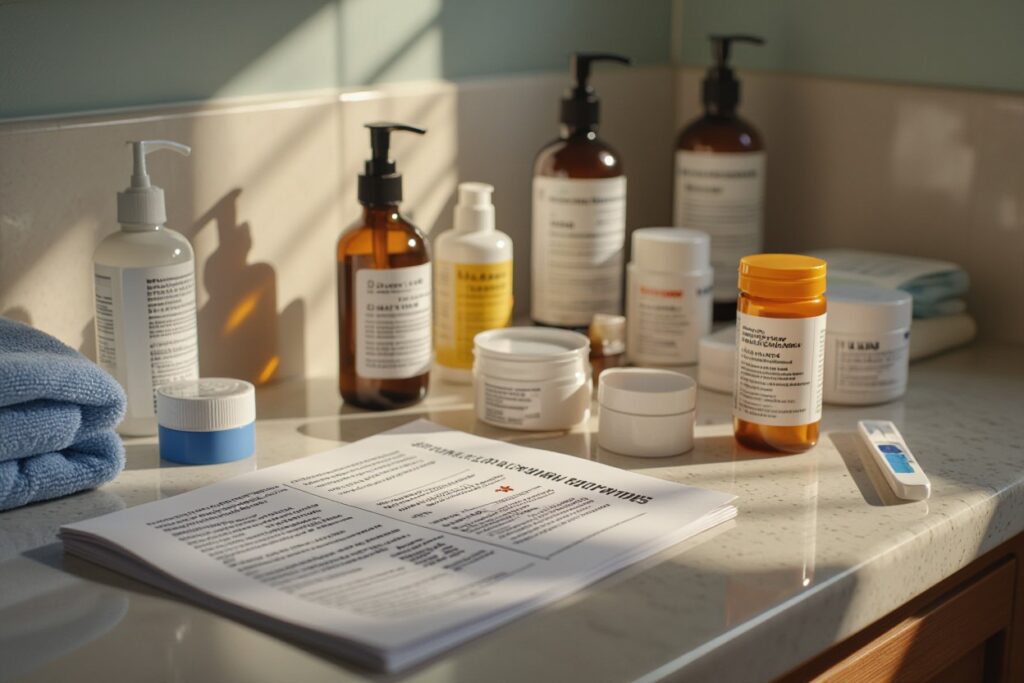
There’s a lot to consider when using chest rubs at home, and this guide helps you avoid common hazards so you can protect your family. You’ll learn the top 10 mistakes — such as applying to infants, using too much, or mixing products — and get practical tips to use them safely; “less is often better” when protecting your loved ones.
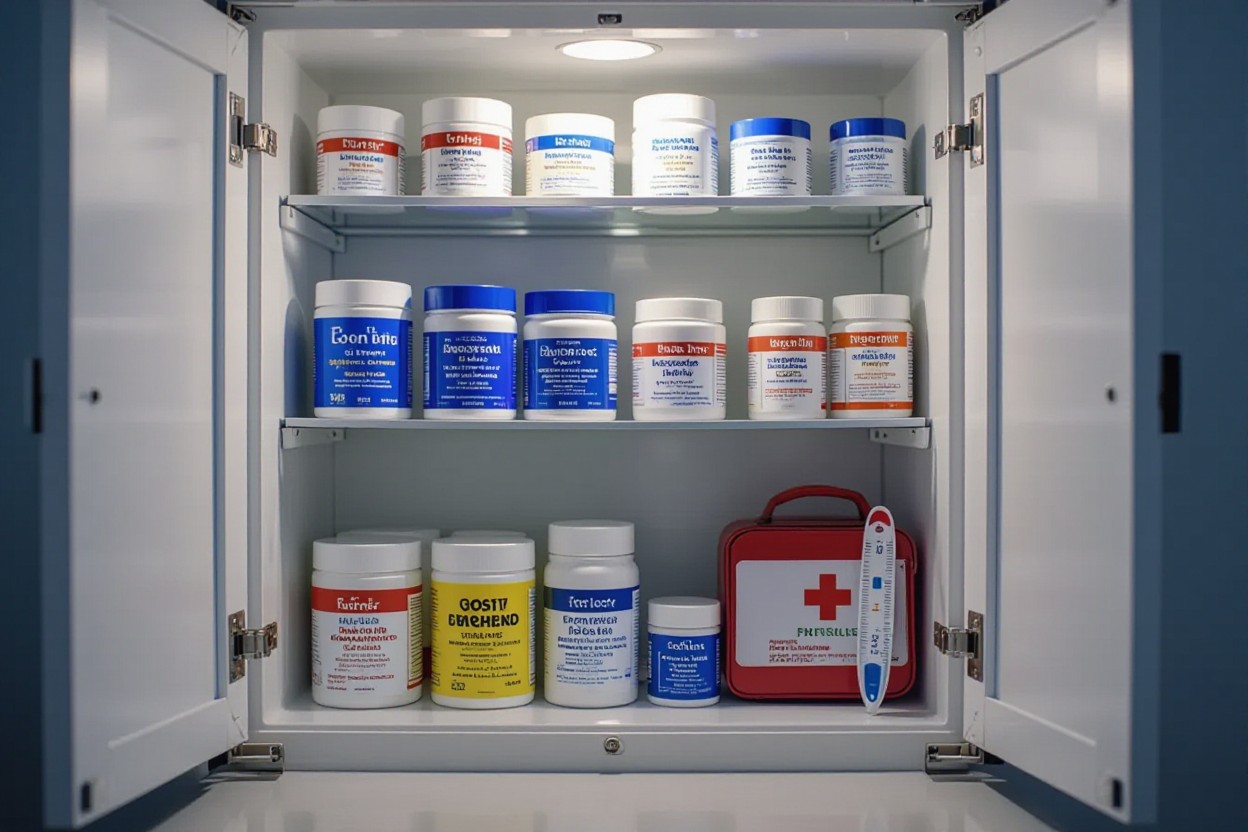
Understanding Chest Rub: What You Need to Know
You likely already apply chest rubs when a cough hits, but you should know how misuse causes harm: topical volatile compounds produce cooling vapors that relieve congestion sensation but can irritate skin, be inhaled in excess, or be swallowed. Reports to poison centers highlight pediatric exposures and respiratory reactions; avoid application to broken skin, under the nose, or on infants under two years to lower risk.
What is Chest Rub?
You use Chest rub as a topical balm containing volatile agents—menthol, camphor, eucalyptus—meant to create a cooling, decongestant sensation when inhaled. It’s symptomatic relief, not an antiviral, and labels often restrict use by age (commonly not for children under 2). Apply sparingly to the chest or back, never inside nostrils or on mucous membranes, and follow product dosing instructions closely.
Common Ingredients to Look Out For
You should scan labels for camphor, menthol, eucalyptus oil, and sometimes methyl salicylate; camphor concentrations in OTC rubs can be as high as 11% per regulatory limits. Each ingredient has different hazards—camphor is toxic if ingested, menthol can irritate airways, and methyl salicylate (wintergreen) is highly concentrated and can cause systemic salicylate effects if absorbed or swallowed.
Camphor ingestion has been linked to seizures and central nervous system symptoms, while methyl salicylate can produce severe salicylate poisoning in small volumes; menthol and eucalyptus oils may trigger bronchospasm or apnea in infants. “A small smear can become a big problem if a toddler licks it,” is a caution you should treat seriously—keep jars locked, use age-appropriate products, and call poison control for exposures.
Mistake #1: Using Too Much
Dose and application
If you slather a thick layer of chest rub, you raise the chance of skin irritation, chemical burns and stronger inhalation effects for everyone in your household. Many labels say a thin smear or “pea-sized” amount on the chest is enough; infants under 2 should not get mentholated rubs because they can worsen breathing. Try applying to clothing instead of bare skin, and quote “Less is more” to guide how sparingly you use these products.
Mistake #2: Applying on Broken Skin
Open wounds increase risk
You should never put chest rub on cuts, eczema or cracked skin — absorption rises and local burns, infection or systemic toxicity can follow; case reports document scalp burns and seizures in infants after topical menthol/camphor exposure. “Broken skin is a fast path into the bloodstream.” For pregnant or breastfeeding people, consult guidance like Pregnancy and Substance Use: A Harm Reduction Toolkit before use.

Mistake #3: Relying Solely on Chest Rubs for Relief
Don’t substitute for proper care
You might lean on a menthol rub first, but topical products only ease symptoms and don’t treat infections; most viral coughs resolve in 7–10 days. If your child has fever above 38.5°C, wheezing, or difficulty breathing, seek medical care instead of assuming a rub is enough. For safer relief use humidifiers, saline drops, fluids, or approved OTC meds per dosing instructions. As one pediatrician said, “Chest rubs soothe but don’t cure.”
Mistake #4: Not Checking Expiration Dates
Shelf life and safety
Check the jar: many chest rubs show an expiration date or a “12M” period-after-opening symbol; if none is printed, unopened tubs are often usable for about 2–3 years and opened jars for roughly 12 months. You risk reduced menthol/eucalyptus potency and, in rare cases, contamination that can cause skin irritation or infection. Watch for changes in smell, color, or texture and toss suspect products. “If it smells off or separates, don’t use it,” is a simple safeguard for your family.
Mistake #5: Ignoring Allergies and Sensitivities
Spot reactions early
You might assume a natural balm is harmless, but camphor, eucalyptus and peppermint often trigger contact dermatitis or respiratory irritation; several case reports describe infants with wheeze or chemical burns after menthol rubs. If you or family members have eczema, asthma, or a known fragrance allergy, test a dime-sized amount on the forearm for 24 hours and watch for redness. “A simple patch test prevented a severe reaction in one family,” said a pediatric dermatology report, so stop use at first sign of swelling.
Final Words
With this in mind, you should treat chest rubs with care: follow labels, use age-appropriate products, avoid broken skin, keep them away from eyes and heat sources, and never apply beneath the nose or in large amounts. Protect your children by storing products out of reach and testing a small patch first. “A safe habit today keeps worry away tomorrow.”

Medical Disclaimer
This article is for informational purposes only and is not a substitute for professional medical advice, diagnosis, or treatment. Always consult a qualified healthcare provider before starting, stopping, or changing any treatment, especially if you are pregnant, nursing, have a medical condition, or are taking medications. Never disregard professional medical advice or delay seeking it because of something you have read here. If you experience severe symptoms, allergic reactions, or think you may have a medical emergency, seek immediate care.
