

It’s easy to think chest rubs are simple, but if you apply them the wrong way you can get skin irritation, reduced effectiveness, or safety risks; this guide helps you spot Common errors and shows how you can apply balms safely so your family stays comfortable and calm.
why proper application matters
When you use a chest rub correctly you maximize soothing effects while minimizing side effects. Whether you live in the US, UK, Canada, Australia or elsewhere, small changes in how you apply products can affect comfort, especially for children, older adults, and people with sensitive skin.
“A little goes a long way; gentler application often gives better results.”
“Test a tiny amount first so you avoid surprises.”
common mistakes and how to avoid them
1. applying too close to the face
Placing rubs near the nose or eyes can cause burning, coughing, or eye irritation. You should apply the product to the center of the chest and upper back, keeping it well away from the nose, mouth and eyes, and avoid inhaling the vapors directly.
2. using too much product
More balm does not equal more relief; heavy layers increase skin absorption and irritation risk. Use a pea-sized amount for adults and less for children, then gently spread until thin and barely visible.
3. applying to broken or irritated skin
If you or your child have cuts, rashes, or sunburn, do not apply chest rubs there. Instead, wait until the skin heals or use alternatives like steam or a humidifier to ease congestion without chemical exposure.
4. putting rub under the nose or inside nostrils
Some people think applying under the nostrils helps breathing, but oils can be inhaled or cause mucous membrane irritation. Keep application external and avoid direct contact with the nasal passages.
5. using adult formulations on children
Products labeled for adults often contain stronger fragrances or higher concentrations of active ingredients. Check age recommendations on the label and choose child-formulated rubs for toddlers and young kids.
6. skipping a patch test
Allergic reactions can happen even if you used the product before. Test a small area on the inner forearm and wait 24 hours; if you notice redness, swelling or burning, stop using the product and choose a milder option.
7. rubbing too hard
Vigorous massage can overheat skin and push oils into pores, causing irritation. Use gentle, circular motions and light pressure so the balm is absorbed evenly without causing friction burns or soreness.
8. applying too frequently
Over-application increases exposure to active ingredients and raises side effect risk. Follow label timing—typically every 4–8 hours—and avoid reapplying unless symptoms persist and the label allows it.
9. poor storage and expired products
Heat, sunlight and humidity break down ingredients and change scent or texture. Store balms in a cool, dry place, check expiration dates, and discard products that smell off or separate into layers.
10. ignoring other health conditions and medications
Certain lung conditions, skin disorders, pregnancy and medications can change how you react to topical products. If you have chronic illness or take prescriptions, consult your provider before use and avoid DIY mixtures that mix active compounds unpredictably.
best product tips and where to buy
Choose products from reputable brands, check ingredient lists for allergens, and pick formulations designed for your age group. For an easy option you can order trusted brands online; many people find convenience in shopping links like this one: https://amzn.to/3KT6aCb. Read reviews focused on use in your climate—humid or cold winters can affect how a product performs.
how to apply safely step by step
Wash and dry your hands, scoop a small amount, warm it between your palms, and apply to the center of the chest and upper back using gentle strokes. Keep the layer thin, avoid tight clothing over the area, and supervise children to prevent accidental ingestion.
when to pause use and seek help
If you develop a rash, breathing difficulty, severe cough, dizziness or persistent irritation after applying a chest rub, stop use immediately and contact your healthcare provider or local urgent care. For severe reactions such as swelling or trouble breathing, seek emergency care right away.
local considerations for different regions
In dry climates you may find moisturized skin absorbs balms faster; you might prefer lighter formulations. In humid areas, heavier balms may feel greasy—look for non-comedogenic labels if you have acne-prone skin. If you travel between regions, check product regulations and labeling in your destination, as ingredient rules vary across the US, EU and other markets.
final tips for parents and caregivers
Always read the label before giving a product to a child, keep containers out of reach, and avoid applying near hands to reduce the chance of accidental ingestion. If a child accidentally swallows a chest rub, contact your local poison control center immediately—US callers can dial 1-800-222-1222, while other countries have their own hotlines.
“Gentle application and a cautious amount will often deliver comfort without side effects.”
“If in doubt, patch test and consult a healthcare provider for personalized guidance.”
medical disclaimer
This article provides general information and does not replace professional medical advice, diagnosis, or treatment. If you have specific health concerns, consult a qualified healthcare professional in your area before using chest rubs or changing care for children, pregnant people, or those with chronic conditions.
Overusing the product
You may think more rub means faster relief, but using more than the label recommends—often a fingertip-sized amount (roughly 1–2 grams)—won’t increase effectiveness and can raise the risk of skin irritation, headaches, or stronger inhalation effects; if you notice burning, redness, dizziness, or nausea after applying, wash the area with soap and water and stop use, and consult a healthcare provider if symptoms persist.
Applying too much
Slathering on a thick layer concentrates active ingredients like menthol or eucalyptus against your skin, increasing absorption and the chance of localized burns, blistering, or sensitivity; for example, applying a dime- to fingertip-sized amount to the chest and rubbing gently distributes the product, while piling on a pea-sized blob across a wide area invites excess exposure and lingering strong vapors.
Frequent applications
Many labels advise reapplying every 4–6 hours as needed, so applying hourly or continuously through the night raises the likelihood of skin sensitization and respiratory irritation; if you find you need repeat applications well beyond 24 hours, evaluate whether the underlying symptoms require medical assessment rather than simply increasing frequency.
To lengthen safe intervals between applications, try combining one application with non-topical measures: a cool-mist humidifier, saline nasal spray, or hot shower can reduce congestion for several hours and lower how often you feel the need to reapply; if you’re treating a child, check age-specific guidance—some chest rubs are not recommended under 2 years—and consult a pediatrician before frequent use.
Ignoring Instructions
You ignore label directions at your own risk; for example, many menthol or camphor rubs advise applying a thin layer no more than 3 times daily because overuse raises the chance of skin irritation or headaches. Clinical reports indicate topical cooling agents cause adverse effects in up to 10–15% of sensitive users. Follow timing, amount, and site instructions—applying to broken skin or too close to nostrils often worsens symptoms and reduces benefits.
Skipping the Patch Test
If you skip a patch test you can miss early allergic reactions; apply a dime-sized amount behind your ear or on the inner forearm and check for redness or itching over 24–48 hours. Dermatologists recommend this simple step because contact dermatitis can appear delayed; if swelling or blisters occur, wash with soap and water and avoid reusing the product. A single patch test often prevents a full-body flare-up.
Not following age guidelines
Using adult-formulated chest rubs on infants or toddlers can be dangerous: products with camphor, eucalyptus, or menthol are generally not advised for children under 2 years, and many manufacturers restrict use under age 6 for stronger formulations. If you apply an unsuitable product, you risk respiratory distress or severe irritation, so always check the age guidance printed on the jar or tube before use.
For more detail, pediatric guidance notes that infants have smaller airways and more reactive lungs—case reports link camphor ingestion or heavy topical application to breathing problems in babies. When treating a child aged 2–5, choose mild formulations labeled for that group or use non-medicated alternatives like fragrance-free emollients; consult your pediatrician for tailored dosing and safe substitutes if you’re unsure.
Wrong Application Areas
You should avoid putting chest rubs on mucous membranes, broken or irritated skin, genitals, or inside the nose and ears; product labels often prohibit use on children under 2. Applying to these areas increases local irritation, contact dermatitis, and the chance of systemic exposure from accidental ingestion or inhalation. Also steer clear of skin with cuts, eczema, or recent sunburn to prevent severe stinging, blistering, or allergic reactions.
Applying to the face
You must not smear chest rubs on your face, near the eyes, nostrils, or lips; volatile ingredients like menthol and camphor can cause intense eye irritation, conjunctivitis, or burning of nasal tissues. Infants and toddlers are especially vulnerable—labels commonly advise against facial use in under-2s—because inhaled vapors can trigger breathing difficulty. If product contacts the eyes or nose, flush with cool water and seek medical advice if symptoms persist.
Covering with bandages
Do not cover a treated area with adhesive bandages, plastic wrap, or heating pads; occlusion and added heat dramatically increase absorption and can amplify vapors, raising the risk of skin burns, severe irritation, or systemic effects, especially in children and older adults. Instead, apply a thin layer to uncovered chest or back and wear loose clothing so the vapors dissipate safely without trapped heat or pressure.
Under occlusion, the product stays concentrated against your skin and elevated temperature boosts blood flow and transdermal uptake, which may cause blistering, intense redness, nausea, headache, or breathing changes. If you ever use a covering and notice worsening redness, swelling, blisters, dizziness, or shortness of breath, remove any covering immediately, wash the area with soap and water, and contact a healthcare provider or poison control for next steps.

Timing mistakes
Applying chest rubs at the wrong moment can reduce effectiveness or cause irritation: if you put rub on immediately after a hot shower your pores are more open and the scent may be overpowering, while slathering it on just before intense exercise can make you sweat it off. In emergencies you should focus on airway and breathing; for basic CPR pointers see 6 Common Mistakes to Avoid When Performing CPR.
Applying at the wrong time
You shouldn’t apply chest rubs right before bed if the menthol is stimulating you, nor immediately before a hot bath or sauna where heat increases skin absorption and risk of burning. Try applying 10–15 minutes before you need relief so the active ingredients settle in, and avoid applying during vigorous activity that will sweat the product away and transfer it to hands and eyes.
Not allowing absorption
If you wipe off the rub or cover it too soon, you block absorption and waste product—give topical menthol or eucalyptus about 5–10 minutes to penetrate. Also avoid layering other topicals for at least 30 minutes, since mixing active ingredients can increase irritation and change how much enters your skin.
More info: let the rub absorb on clean, dry skin and keep your hands washed for 10 minutes after application to prevent eye contact; studies of topical vapors show peak sensation often occurs within 5–15 minutes, so delaying activity or dressing for that window preserves both safety and efficacy. If you have sensitive skin, test a pea-sized amount and wait an hour before full application to spot any reaction.
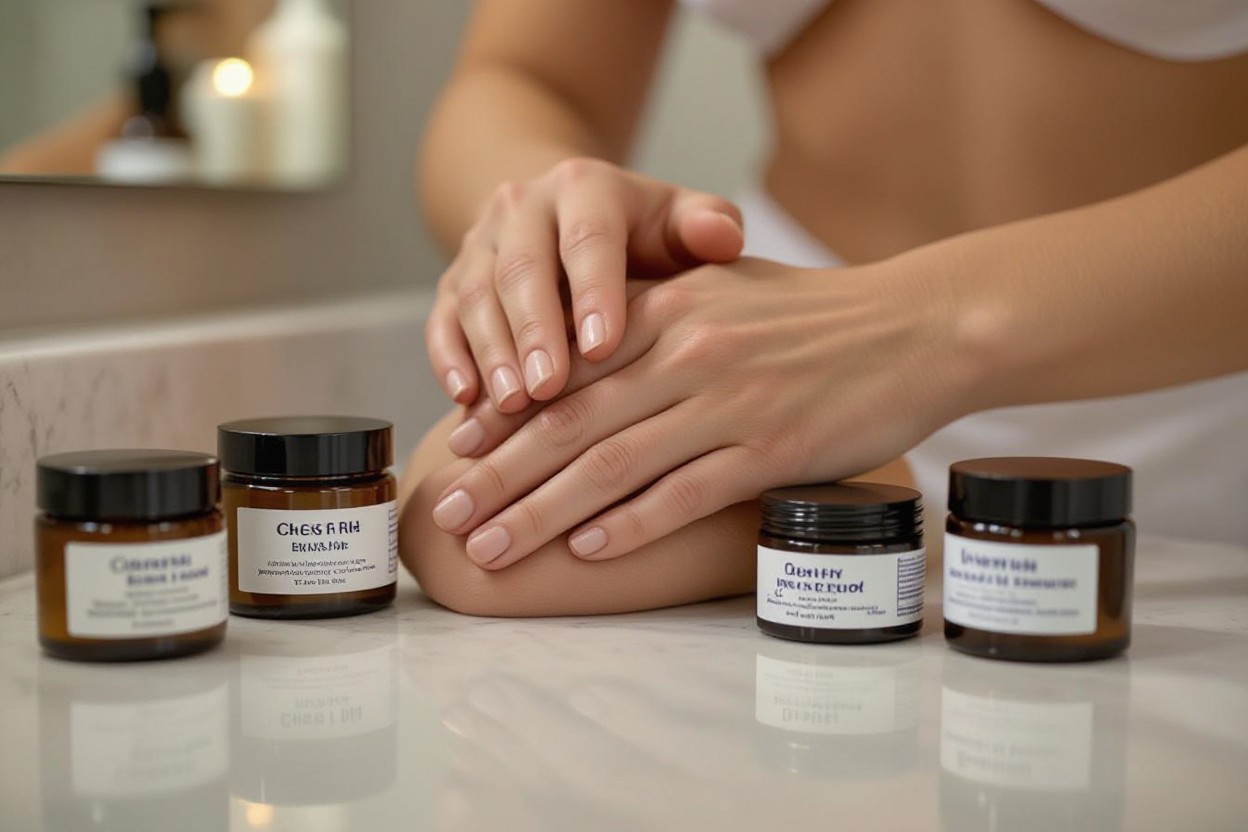
Choosing the wrong product
Match the rub to your needs: ointments with camphor (~4–5%), menthol (≈2–3%) and eucalyptus (≈1%) offer strong vapor action but feel greasy, while gels or sprays reduce residue. If you or someone in your home has asthma or sensitive skin, pick fragrance-free or pediatric formulas — camphor-containing rubs are labeled “not for children under 2.” Also consider duration (overnight balm vs quick-spray) and whether you need a non-staining, lotion-style option for daily use.
Not checking ingredients
Read both active and inactive ingredients before applying so you avoid allergens like fragrances, certain imperative oils, or methyl salicylate. You may react to preservatives or lanolin, and topical salicylates can be absorbed systemically if overused in children. If you have eczema, asthma, or take topical meds, choose products labeled hypoallergenic or list concentrations so you can compare and steer clear of known irritants.
Using expired products
Expired chest rubs often lose menthol/imperative-oil potency and their oils can oxidize, which raises the chance of skin irritation. Check the printed expiration date and toss jars that smell rancid, show color shifts, or separate. For children, discard any product past its date — effectiveness and safety decline faster after opening and with exposure to heat or light.
Manufacturers typically set shelf lives around 2–3 years; once opened, expect noticeable aroma and potency loss within 6–12 months. Store rubs sealed in a cool, dark place and avoid bathroom humidity. Watch for signs of degradation — faint scent, gritty texture, or increased burning on skin — and stop use immediately if you see swelling, blisters, or unusual irritation; then replace the product.
Neglecting hygiene
You may be focusing on the rub itself and skipping basic hygiene steps that prevent irritation and infection. Wash your hands for at least 20 seconds before and after applying a product, and avoid touching your eyes or mouth during application. Studies show proper handwashing cuts pathogen transfer dramatically; for example, using soap and water for 20 seconds removes more microbes than a quick rinse. If you’re treating a child, wipe the area and wash hands immediately to limit accidental ingestion or rubbing into the face.
Not washing hands
Skipping handwashing spreads oils, germs, and product between surfaces and people, so always scrub for 20 seconds with soap and warm water before and after applying a chest rub. If you don’t have access to soap, use a sanitizer with at least 60% alcohol. For infants or older adults, the risk of accidental ingestion or eye contact rises if hands are unclean—wash thoroughly to protect vulnerable skin and mucous membranes.
Not cleaning the skin
Applying a rub to sweaty, oily, or lotion-covered skin can reduce effectiveness and raise irritation risk, so wipe the area with mild soap and water and pat dry before application. Avoid putting rubs on open cuts, sunburn, or inflamed skin; instead, clean the site and assess whether to wait until healing. You’ll get better absorption and fewer reactions when the skin is clean and dry.
Give a quick patch test: clean a 2-inch (5 cm) square of skin, apply a pea-sized amount, and cover for 24 hours to check for redness or itching. Oils and thick moisturizers form a barrier that can trap active ingredients against the skin, increasing burning or rash in about 5–15% of sensitive users. If you notice persistent redness, swelling, blistering, or intense burning within the first hour, stop use and consult a healthcare professional; for minor irritation, wash the area with cool water and avoid reapplication for at least 24–48 hours.
To wrap up
So you can avoid common chest rub mistakes by applying the right amount, testing for sensitivity, keeping pressure gentle, and following label instructions; doing this helps your rub work better, keeps children and pets safe, and makes your cold or congestion care more effective.
Top 10 common chest rub application mistakes to avoid
why application technique matters
Using chest rubs incorrectly can reduce effectiveness and cause skin irritation or respiratory discomfort. If you live in New York, London, Toronto, or Sydney, small mistakes affect how well your symptom relief works and how quickly you recover. This guide helps you spot and fix the most frequent errors so you get safer, faster relief.
1. using too much product
Applying too much chest rub doesn’t speed relief — it increases scent intensity and irritation risk. Use a coin-sized amount for adults and a pea-sized or manufacturer-recommended dose for children. Less is often more, especially in bedrooms and enclosed spaces.
2. applying to broken or inflamed skin
Never apply rubs to wounds, rashes, or sunburned areas. Oils and active ingredients can sting and worsen irritation. If the skin is compromised, wait until it heals or consult a healthcare provider.
3. putting rubs too close to the nose or mouth
Avoid placing rub directly under the nostrils, on lips, or inside the nose. Strong vapors can trigger coughing or breathing difficulties, especially in young children or people with asthma.
4. using adult products on children
Children are more sensitive to menthol, camphor, and eucalyptus. Use pediatric formulations and follow age recommendations printed on the label. If you’re shopping locally, check pediatric sections at pharmacies in your area or search “children’s chest rub near me” for region-specific options.
5. rubbing in vigorously
Gentle, circular motions are best. Vigorous rubbing increases absorption into irritated skin and can transfer product to eyes or mucous membranes. Apply softly and let the product evaporate naturally.
6. ignoring allergy or sensitivity tests
You should always patch-test a small amount on your inner forearm and wait 24 hours to check for reactions. If you experience redness, burning, or swelling, stop use and seek an alternative.
7. not considering ventilation and environment
In small rooms, strong vapors concentrate quickly. Use chest rubs in well-ventilated areas or apply a lighter amount before sleep. If you live in humid climates or high-rise apartments, airflow matters more, so adjust application accordingly.
8. combining multiple topical or inhaled products
Using several scented products at once (decongestant sprays, diffusers, perfumed lotions) can create overpowering vapors and increase irritation risk. Stick to one or check interactions on labels and consult a pharmacist.
9. neglecting timing and clothing barriers
Applying chest rub immediately before bed under heavy blankets can intensify exposure. Let the rub absorb and then cover lightly. Avoid applying under clothing that traps heat and increases skin absorption unless the product is designed for that use.
10. incorrect storage and expired products
Store chest rubs at recommended temperatures and keep lids tight to preserve volatile oils. Do not use past the expiration date; degraded ingredients may be less effective or more irritating.
how to apply chest rubs safely in different regions
– US (urban): Pharmacies in cities like New York stock many brands; check local pharmacy websites or use same-day delivery if you need pediatric-specific options. – UK: Look for NHS guidance and pediatric formulations at local chemists and supermarkets. – Canada: In winter-prone cities like Toronto, keep a gentle chest rub for indoor nights; Canadian stores often list age-based recommendations. – Australia: In humid climates like Sydney, apply sparingly and ventilate rooms to avoid strong vapor buildup. Use local search terms (city + “chest rub guidelines”) to find region-specific advice and product availability.
practical application steps
1. Wash and dry your hands. 2. Patch-test a small amount. 3. Apply a small, measured amount to the center of the chest and upper back if recommended. 4. Rub gently in a circular motion. 5. Avoid face, eyes, and open wounds; wash hands after application. 6. Ventilate the room and monitor for any breathing changes or irritation.
product selection and one helpful option
Look for products labeled for your age group and check ingredient lists if you have allergies. For a widely available option you can review, see: https://amzn.to/3KT6aCb “Patch testing and following age guidelines protect skin and airways.” “Less product applied correctly often gives better, safer relief than heavy application.”
when to seek medical advice
If you or someone using a chest rub develops persistent skin irritation, wheezing, increased coughing, or any breathing difficulty, stop use and contact a healthcare provider immediately. For infants under two years, seek pediatric guidance before using any topical decongestant.
final tips for local care and search engine visibility
Use region-specific phrases on search engines — for example, “best chest rub for kids Toronto” or “chest rub safe for infants London” — to find local retailers and updated guidance. Pharmacists in your city can advise on alternatives and safe application for particular climates or living situations.
medical disclaimer
This article is for informational purposes only and does not replace professional medical advice, diagnosis, or treatment. Consult a qualified healthcare professional for personal medical concerns, especially for young children, pregnant people, or those with respiratory conditions.

Medical Disclaimer
This article is for informational purposes only and is not a substitute for professional medical advice, diagnosis, or treatment. Always consult a qualified healthcare provider before starting, stopping, or changing any treatment, especially if you are pregnant, nursing, have a medical condition, or are taking medications. Never disregard professional medical advice or delay seeking it because of something you have read here. If you experience severe symptoms, allergic reactions, or think you may have a medical emergency, seek immediate care.
