

Most people wonder if tea tree oil can safely ease breathing; this friendly guide helps you assess the evidence, recognize safe uses, and avoid risks so you can decide what suits your needs. You’ll learn about inhalation, dilution, allergy checks and when to seek care. As one tip says, “Start with a low concentration and patch-test first.”
What is Tea Tree Oil?
You’ll recognize tea tree oil as the steam‑distilled vital oil of Melaleuca alternifolia, a pale yellow, camphor‑scented concentrate used in topical formulations; commercial products typically dilute it, while researchers test the pure oil for antimicrobial and anti‑inflammatory activity in laboratory studies rather than as a direct inhalation therapy.
Origin and Production
Originating from coastal New South Wales and Queensland, the species was used traditionally by Indigenous Australians; commercial cultivation scaled in the 1920s, and today harvest practices—plantation versus wild, leaf freshness, and distillation time—affect yield, which typically runs about 1–3% oil by fresh leaf weight.
Active Compounds
Terpinen‑4‑ol is the principal constituent and, per ISO 4730 standards, is generally expected at ≥30% in quality oils, while 1,8‑cineole (eucalyptol) is usually kept ≤15% to reduce irritation; γ‑terpinene and α‑terpinene also contribute to scent and activity. “Quality often comes down to the chemotype and distillation.”
Lab data link higher terpinen‑4‑ol levels (commonly 30–40%) to stronger in vitro inhibition of organisms like Staphylococcus aureus and Candida species, whereas elevated 1,8‑cineole has been associated with greater mucosal irritation in some assays; when you evaluate products, request GC‑MS batch reports or ISO 4730 conformity to verify the terpene profile and safety markers.
How Tea Tree Oil Supports Breathing
You can use tea tree oil primarily for upper‑airway support through inhalation or diffusion, where its volatile components interact with airborne microbes and airway tissues. Studies show its main constituent, terpinen‑4‑ol (ISO 4730 requires ≥30%), has both antimicrobial and anti‑inflammatory actions, so in practice you may notice reduced nasal congestion and less throat irritation after short exposures, although clinical trial data on inhalation effects remain limited and mixed.
Antimicrobial Properties
You benefit from tea tree oil’s broad antimicrobial spectrum: in vitro tests demonstrate activity against Staphylococcus aureus, Streptococcus species and common respiratory fungi and viruses, with inhibition at concentrations used in lab assays and aromatherapy blends. Practitioners often cite rapid reduction of surface and airborne colony counts in controlled studies, which helps explain why some people report fewer upper‑respiratory symptoms after targeted use.
Anti-inflammatory Effects
You get anti‑inflammatory benefits mainly from terpinen‑4‑ol, which “suppresses pro‑inflammatory cytokine release” in cell studies; this can reduce mucosal swelling and irritation. Several in vitro and animal studies show lowered IL‑1β and TNF‑α production and decreased inflammatory cell influx, suggesting mechanisms that may ease airway discomfort when applied as part of a controlled regimen.
You should note the evidence depth varies: ISO‑standard tea tree oil contains ≥30% terpinen‑4‑ol, and dose‑dependent cytokine suppression has been observed in vitro at micromolar concentrations. Animal models report reduced neutrophil and macrophage recruitment in inflamed airways after exposure, while human clinical trials on inhalation are sparse and small, so benefits seen in the lab don’t always translate directly to predictable outcomes for your daily breathing support.
Safety Considerations
You should treat tea tree oil as a potent substance: avoid ingestion, keep it out of reach of children, and use extra caution if you have asthma, eczema, or are pregnant or breastfeeding—consult your clinician first. Store bottles tightly sealed, away from heat and light, and discard if the oil smells rancid. In clinical reports, inhalation or topical use has provoked respiratory or skin reactions in sensitive individuals, so limit exposure and monitor symptoms closely.
Potential Side Effects
Topical reactions include irritation and allergic contact dermatitis; inhalation can cause coughing, wheeze, or shortness of breath in susceptible people. Systemic toxicity has occurred after ingestion, so do not swallow the oil. If you notice redness, blistering, worsening breathing, or neurological symptoms, stop use and seek medical care. “If irritation appears, stop use immediately,” and carry out a patch test before wider application.
Proper Usage Guidelines
For topical use, dilute to 1–2% (about 6–12 drops per 30 mL carrier oil) and perform a 24‑hour patch test on your inner forearm. For inhalation, add 1–2 drops to a bowl of hot water for steam or 3–5 drops in a diffuser, limiting sessions to 10–15 minutes. Avoid direct facial application, keep away from eyes and mucous membranes, and do not use on children under 3 years without professional advice.
When you patch test, apply the diluted sample to a 2 cm area and cover; check at 1 and 24 hours for delayed reactions. Prefer 100% Melaleuca alternifolia from a reputable supplier, note batch and expiry, and discard if oxidized—air exposure raises sensitization risk. If pregnant, breastfeeding, or on medications, consult your provider before use; for persistent symptoms, document timing, dose, and route to help clinicians assess any adverse reaction.
Effectiveness in Respiratory Support
You can get short-term relief from congestion or mild cough by inhaling diluted tea tree oil; lab work shows antimicrobial activity against several respiratory pathogens and many users report clearer breathing within 10–30 minutes after steam inhalation. Typical DIY approaches use 1–2 drops in a bowl of hot water or 3–5 drops in a diffuser. “I could breathe easier within minutes,” is a common user quote, but strong clinical proof for inhalation-based respiratory benefit remains limited.
Studies and Research Findings
Laboratory studies consistently demonstrate Melaleuca alternifolia’s antimicrobial effects, and many in vitro assays report activity at concentrations similar to those used in aromatherapy. Human research is sparse: most trials are small (typically n<100) or focus on topical use or surface decontamination rather than inhalation, so high-quality randomized evidence for reducing respiratory symptoms is largely absent and conclusions rely on indirect data.
Anecdotal Evidence
You’ll find abundant personal reports of relief—people commonly describe sinus opening, reduced coughing, or easier sleep after 1–2 drops in steam or 3–5 drops in a diffuser—posted in forums and user reviews. Outcomes vary: some see noticeable benefit within minutes, while others report no effect or only minor change, so anecdote prevalence doesn’t equal proven effectiveness.
Digging deeper into anecdotal sources shows mixed patterns: caregivers and aromatherapists share specific recipes (1–2 drops for steam inhalation, 3–5 drops per 100 ml water in a diffuser, topical blends at 1–5% dilution) and case reports note both benefit and harm—nasal irritation, asthma exacerbations, and documented pediatric toxicity from ingestion—so you should weigh personal accounts against safety considerations and patch-test topical blends.
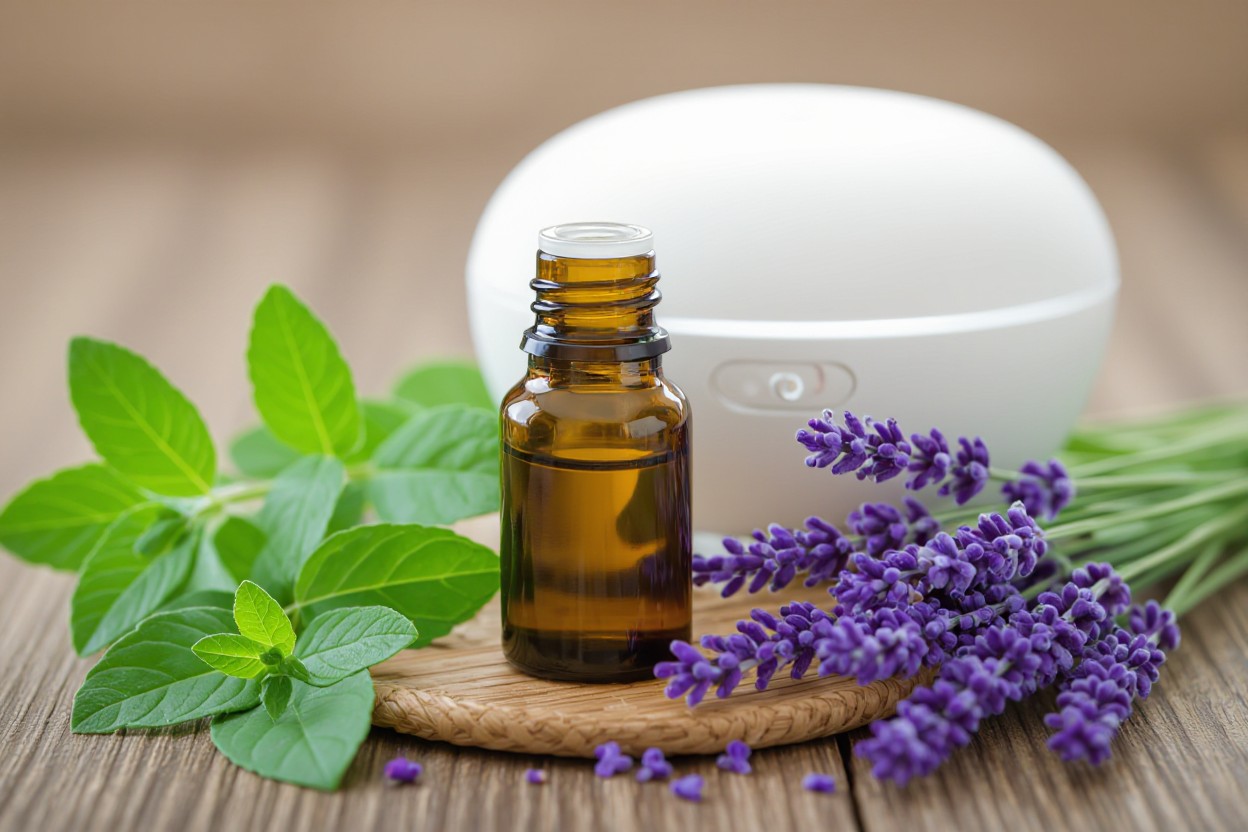
Alternatives to Tea Tree Oil
Other Essential Oils
You can try eucalyptus (rich in 1,8‑cineole, roughly 60–80%), peppermint (menthol 30–55%), or lavender (linalool ~25–45%) for breathing support; evidence and traditional use link 1,8‑cineole with mucolytic and bronchodilatory effects. Use 2–3 drops in a diffuser or a 1–2% topical dilution for chest rubs, and avoid direct inhalation near infants or people with reactive airways. “Many people report clearer breathing with eucalyptus inhalation.”
Herbal Remedies
Thyme, ivy leaf, ginger, licorice, and elderberry give you plant‑based respiratory options: thyme and ivy act as expectorants, ginger reduces airway inflammation, and elderberry has antiviral data—some trials used 15 mL elderberry syrup four times daily. Choose teas, syrups, or standardized extracts per label instructions, and be aware of interactions such as licorice worsening blood pressure or ginger affecting anticoagulant therapy.
For practical dosing, steep about 2 g fresh ginger (or 1 tsp grated) in hot water 2–3 times daily, or follow product directions for ivy leaf syrups (many clinical reports used manufacturer dosing). Clinical studies report ivy extracts can reduce cough intensity and shorten recovery in acute bronchitis, so you can look for standardized formulas and discuss use with your clinician if you take prescription medications or have chronic conditions.
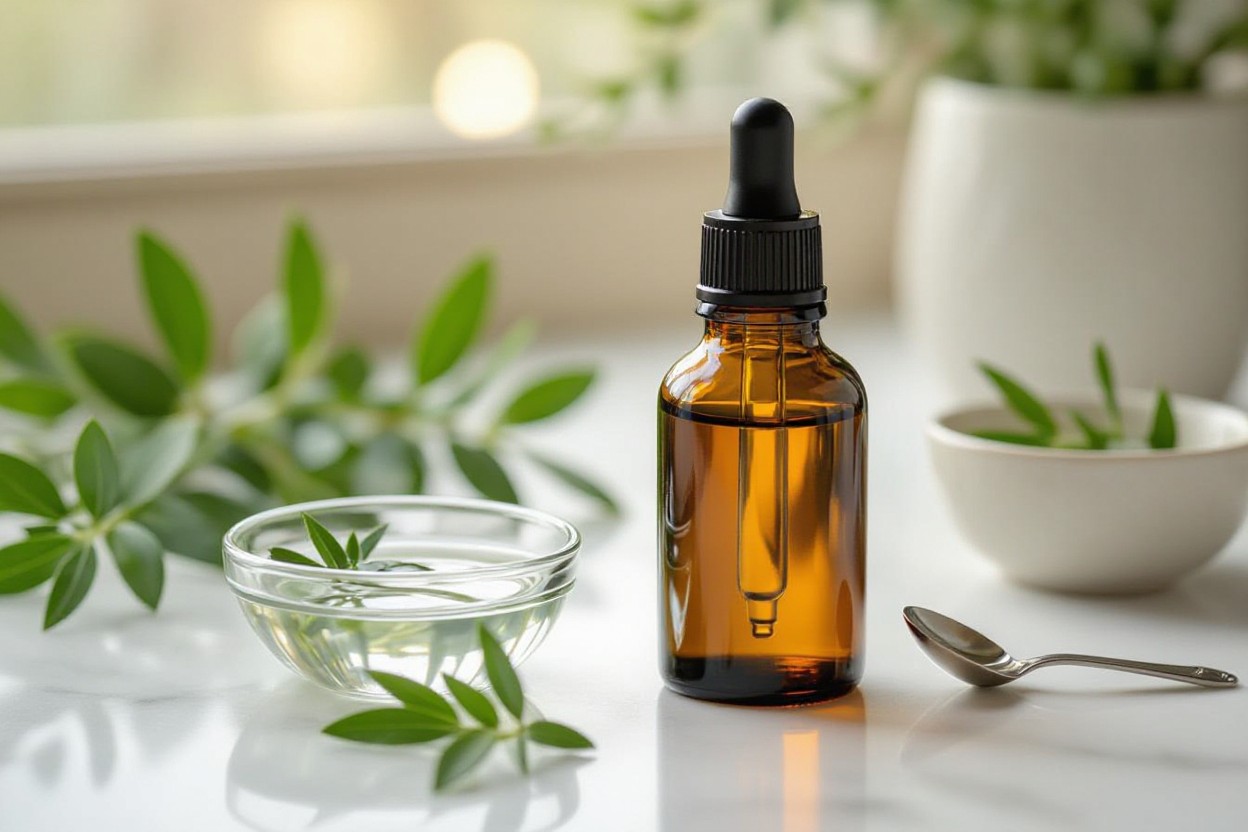
How to Use Tea Tree Oil
Jump straight into practical dosing: diffuse 3–6 drops for 15–30 minutes, steam 1–2 drops in 250–300 mL hot water for 5–10 minutes, or dilute for topical use at 1–5% (1% ≈ 6 drops per 30 mL carrier oil). Terpinen‑4‑ol, the main active component (about 30–40%), drives antimicrobial effects. Perform a 24‑hour patch test on your forearm, avoid eyes and ingestion, and consult your clinician if pregnant, breastfeeding, or treating children under two.
Inhalation Methods
For room diffusion, add 3–6 drops to an ultrasonic diffuser and run 15–30 minutes while you monitor How you feel. For steam inhalation, place 1–2 drops in a bowl with ~250 mL hot water, drape a towel over your head and inhale for 5–10 minutes—limit to one session twice daily. You can also add 2–3 drops to a personal inhaler or a tissue; stop if you experience coughing, wheeze, or irritation.
Topical Applications
Dilute tea tree oil in a carrier: 1% (about 6 drops per 30 mL) for facial areas, 2–5% (12–30 drops per 30 mL) for body rubs or chest applications. Apply a pea‑size amount to the chest or behind the ears, avoiding broken skin. Patch test for 24 hours and if you see redness, burning, or blistering, wash and discontinue use. “Start low and patch test before broader use.”
Use carriers like sweet almond, jojoba, or fractionated coconut oil. If you make an adult chest rub, prepare a 2% blend (12 drops tea tree per 30 mL carrier) and apply up to twice daily; for children over two, choose 0.5–1% (3–6 drops per 30 mL). Keep tea tree away from cats—it’s toxic to felines. If you get irritation, wash with soap and water and seek medical advice for severe reactions.
Conclusion
With this in mind, you can consider tea tree oil as a complementary option for mild breathing support when used cautiously and properly diluted; it’s not a substitute for medical care. You should patch-test for irritation, avoid ingestion and inhalation at high concentrations, and consult a clinician if symptoms persist. See Tea Tree Oil for Sinus Infection: Natural Relief and Benefits for more information. “Start low, go slow, and stop if you react.”

Medical Disclaimer
This article is for informational purposes only and is not a substitute for professional medical advice, diagnosis, or treatment. Always consult a qualified healthcare provider before starting, stopping, or changing any treatment, especially if you are pregnant, nursing, have a medical condition, or are taking medications. Never disregard professional medical advice or delay seeking it because of something you have read here. If you experience severe symptoms, allergic reactions, or think you may have a medical emergency, seek immediate care.
