

Just dealing with nighttime congestion can be incredibly frustrating when all you want is a good night’s sleep. Understanding How to relieve this discomfort is vital for your overall well-being. You can try elevating your head to improve airflow, using a humidifier to keep your bedroom moist, or utilizing nasal strips to open up your nasal passages. These simple strategies can significantly enhance your breathing and ensure you enjoy a restful sleep, free from the annoyance of congestion.
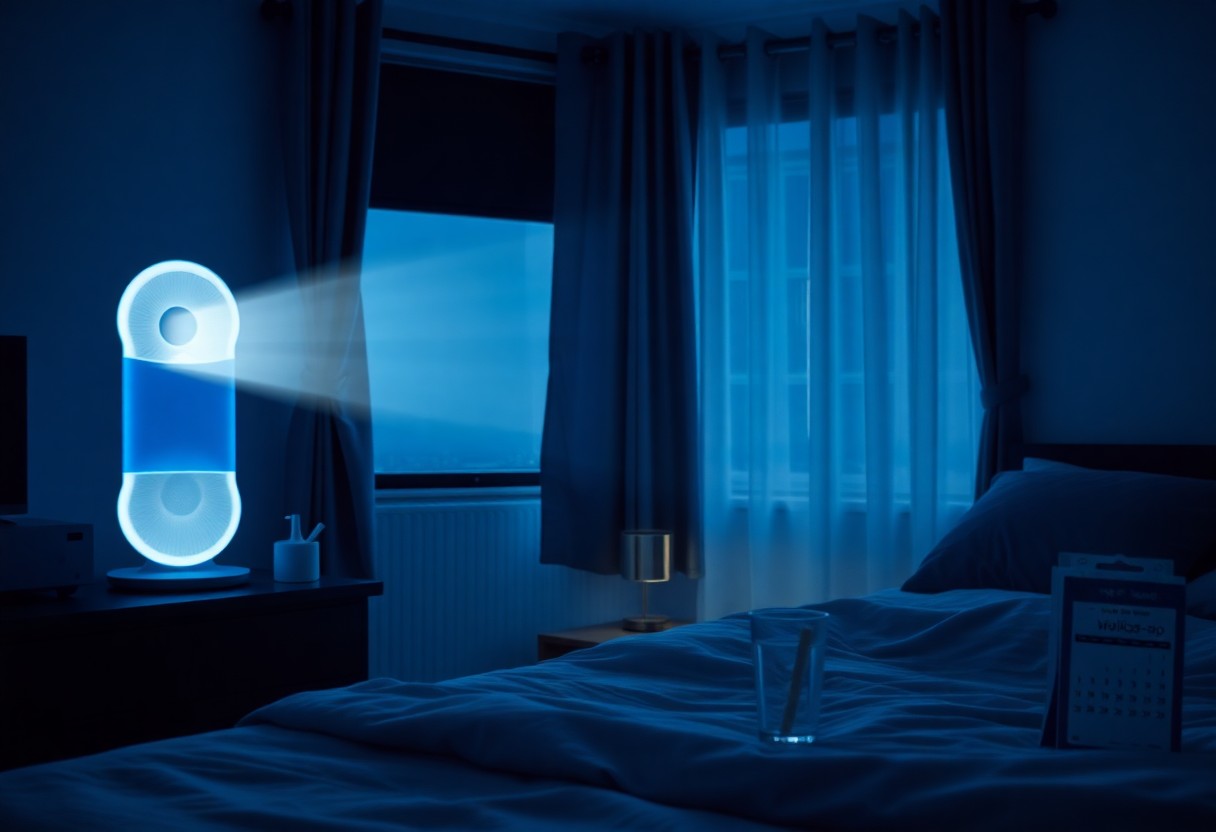
Understanding Nighttime Congestion
Nighttime congestion occurs when the nasal passages become obstructed, leading to difficulty in breathing while you sleep. This can stem from various factors, including allergies, illnesses, or environmental irritants. The discomfort caused by congestion can result in restless nights and a lack of restorative sleep, impacting your overall well-being. Recognizing the contributing elements is key to mitigating this issue effectively.
Common Causes of Nighttime Congestion
Several factors can lead to nighttime congestion, including allergies, colds, and seasonal changes. Allergens like dust mites, pet dander, and pollen often accumulate during the night, inducing inflammation in your nasal passage. Additionally, respiratory infections or sinusitis can exacerbate congestion, making it harder for you to breathe comfortably while you try to sleep.
How It Affects Your Sleep
Nighttime congestion can significantly disrupt your sleep patterns, leaving you feeling fatigued and irritable the next day. When your nasal passages are blocked, snoring and mouth breathing often occur, leading to fragmented sleep cycles. As a result, you may experience difficulties reaching deeper stages of sleep, which are imperative for recovery and mental clarity.
This disruption can have a ripple effect on your daily life. A study from the American Academy of Sleep Medicine found that individuals with chronic nasal congestion report poorer sleep quality and increased daytime sleepiness. The inability to breathe freely inhibits your body’s natural ability to relax and recover, resulting in lower productivity and diminished mood during waking hours. Prioritizing the alleviation of nighttime congestion can facilitate not only better sleep but also an overall improved quality of life.
Home Remedies for Relief
Finding relief from nighttime congestion doesn’t always require medication. You can explore various home remedies to ease your symptoms, allowing for more restful sleep. Focus on natural solutions that maintain moisture in your environment, promote drainage, and help alleviate inflammation. These methods can improve your breathing and overall comfort, letting you enjoy uninterrupted sleep.
Humidifiers and Vaporizers
Using a humidifier or vaporizer in your bedroom can significantly reduce congestion by adding moisture to the air. Dry air irritates your nasal passages and throat, worsening your symptoms. By keeping humidity levels between 30% to 50%, you can effectively soothe inflamed tissues and help mucus flow more freely, making it easier to breathe while you sleep.
Natural Decongestants
Natural decongestants can offer impressive relief without the side effects commonly found in over-the-counter options. Ingredients like eucalyptus oil, menthol, and peppermint help open airways and reduce inflammation. Consuming spicy foods, such as chili peppers, can also provide temporary relief by thinning mucus and promoting drainage. Incorporating these natural remedies into your routine may enhance your comfort and aid in restful sleep.
Eucalyptus oil, for instance, is known for its ability to relieve nasal congestion. You can add a few drops to your humidifier or mix it with a carrier oil for a soothing chest rub. Similarly, peppermint contains menthol, providing a cooling sensation that opens your airways. Try sipping tea infused with peppermint leaves for a calming effect before bedtime. When addressing nighttime congestion, combining these natural decongestants with lifestyle changes, such as staying hydrated, will yield optimal results and lead to more restorative sleep.
Sleep Positions that Help
Your sleep position can significantly impact nighttime congestion. Choosing the right posture not only enhances comfort but also facilitates better airflow, ensuring a more restful night. The key is to keep your airways open to avoid additional pressure on your sinuses, helping you breathe easier while you sleep.
Best Positions for Open Airways
Sleeping on your back with a slight incline is one of the best positions for maintaining open airways. This position alleviates pressure on the nasal passages, allowing for optimal breathing. Additionally, side sleeping can also be beneficial, particularly if you alternate sides, as it can help reduce drainage and congestion buildup.
Importance of Elevation
ELEVATING your head while you sleep can significantly reduce nighttime congestion. By using an extra pillow or a wedge pillow, you help gravity assist with mucus drainage, minimizing nasal blockages and improving airflow. This simple adjustment promotes a more restful sleep, providing your body the chance to recover from congestion-related symptoms.
Research shows that elevating your upper body by even 30 degrees can remarkably decrease nasal swelling and enhance sinus drainage. This position not only allows for easier breathing but also helps prevent the accumulation of mucus that can exacerbate your congestion. If you’re prone to nighttime congestion, investing in an adjustable bed or a specific wedge pillow could lead to improved sleep quality and overall health benefits.

Environmental Adjustments
Making specific environmental adjustments in your bedroom can significantly reduce nighttime congestion. Start by managing the temperature and humidity levels; a cooler, humid space often promotes better airflow and comfort. Consider using an air purifier to eliminate allergens such as dust mites, mold, and pet dander that can exacerbate your symptoms. Regular cleaning is key; wash your bedding weekly to minimize irritants, and keep surfaces dust-free to create a healthier sleep environment.
Keeping Your Bedroom Allergy-Free
To keep your bedroom allergy-free, invest in hypoallergenic bedding and consider using dust mite covers for pillows and mattresses. Regular vacuuming with a HEPA filter is imperative, as it traps allergens effectively. Additionally, removing clutter helps reduce dust accumulation, and maintaining low humidity around 30-50% prevents mold growth, ensuring a cleaner, healthier space for your rest.
Optimal Sleeping Conditions
Optimal sleeping conditions play a vital role in combating nighttime congestion. Aim for a darkened, quiet room to promote deep sleep, while also ensuring good air circulation. Elevating your head using an extra pillow can facilitate breathing, and keeping your sleeping space organized and clean can lessen the chances of allergens infiltrating your environment.
Consider setting your thermostat between 60-67°F for ideal sleeping temperatures, as cooler air tends to help with congestion. Utilize blackout curtains to block out light and choose sound machines or earplugs to mask disruptive noises. These measures not only enhance your comfort but create a sanctuary that supports restful, uninterrupted sleep, making it easier for you to breathe freely at night.
Over-the-Counter Solutions
Over-the-counter (OTC) medications can provide effective relief from nighttime congestion, allowing you to achieve a restful sleep. Options like decongestants and antihistamines can help shrink swollen nasal passages and reduce mucus. For immediate relief, products such as nasal sprays may also be beneficial. Consider exploring These Are the Best Sleep Positions for Sinus Drainage to complement your medication use and improve your breathing.
Suitable Medications
Choosing the right medications can significantly impact your ability to sleep soundly despite nighttime congestion. Oral decongestants, like pseudoephedrine, can clear nasal passages, while antihistamines, such as diphenhydramine, may relieve allergy-related congestion. If you prefer a less sedating option, consider non-drowsy antihistamines like loratadine. Always check with a healthcare professional if you’re unsure about which medication suits your symptoms best.
When to Seek Medical Advice
If your nighttime congestion persists despite OTC treatments, it might be time to seek medical advice. Symptoms that warrant attention include ongoing difficulty breathing, severe pain in the face, or persistent fever. Additionally, if you are experiencing frequent sinus infections or allergies that disrupt your sleep regularly, a healthcare provider can help determine whether underlying conditions need to be addressed.
Severe or chronic nighttime congestion may indicate a more serious issue, such as a sinus infection, nasal polyps, or allergies that require professional assessment. If you experience sudden onset symptoms, especially after a recent illness, or if congestion lasts longer than ten days, consult your healthcare provider. They can perform diagnostic tests and recommend appropriate treatments tailored specifically for your needs.
Lifestyle Changes for Better Sleep
Implementing lifestyle changes can significantly enhance your sleep quality and reduce nighttime congestion. Simple adjustments, such as optimizing your bedroom environment, can create a more conducive space for restful sleep. Consider factors like light, temperature, and noise levels, as these elements directly affect your ability to relax and breathe easily at night.
Hydration and Diet Tips
Staying properly hydrated plays a vital role in alleviating congestion. Incorporate foods high in water content, like fruits and vegetables, to support your body’s hydration. Opt for a balanced diet rich in anti-inflammatory foods, which can help reduce nasal swelling. Avoid heavy meals and caffeine before bedtime to promote better sleep quality.
- Drink plenty of water throughout the day.
- Include anti-inflammatory foods such as berries and leafy greens.
- Avoid heavy meals and caffeine close to bedtime.
After making these dietary adjustments, you may find it easier to breathe while you sleep.
Establishing a Relaxing Bedtime Routine
A well-structured bedtime routine can signal to your body that it’s time to wind down and prepare for sleep. Dedicate time for winding down activities, like reading or meditation, to help calm your mind. Gentle stretches or deep breathing exercises can also mitigate physical tension. Evaluate your screen time before bed, as limiting device usage can significantly improve your sleep hygiene.
Building a consistent bedtime routine means incorporating specific activities that you genuinely enjoy, leading to a more peaceful transition into sleep. Aim to go to bed and wake up at the same time each day. Engage in relaxation techniques like guided imagery or progressive muscle relaxation, which have been shown to improve sleep onset and quality. Prioritize this routine to enhance your chances of falling asleep easily and staying asleep, ultimately reducing symptoms of nighttime congestion.
To wrap up
Ultimately, tackling nighttime congestion involves a mix of strategies tailored to your needs. By keeping your sleeping environment clean, using suitable sleep positions, and exploring helpful remedies, you can enhance your comfort at night. Don’t hesitate to adjust your routine to find what works best for you. Taking these steps can lead to more restful nights and rejuvenated mornings, allowing you to enjoy your day without the burden of congestion.
FAQ
Q: What can I do to relieve nighttime congestion before bed?
A: To relieve nighttime congestion, consider using a saline nasal spray or a humidifier in your bedroom. Elevating your head with an extra pillow can aid in drainage. Herbal teas with honey or warm soups may also provide temporary relief.
Q: Are there any over-the-counter medications that can help with nighttime congestion?
A: Yes, various over-the-counter antihistamines or decongestants can help alleviate nighttime congestion. Options include loratadine or pseudoephedrine. It’s vital to follow the recommended dosage and consult with a healthcare professional if you have any underlying health concerns.
Q: What lifestyle changes can help prevent nighttime congestion?
A: Maintaining a clean sleeping environment and reducing exposure to allergens, such as pet dander and dust mites, can help. Regularly washing bedding and using hypoallergenic pillow covers can minimize irritation. Additionally, staying hydrated and avoiding heavy meals close to bedtime can also contribute to better nasal airflow.

Medical Disclaimer
This article is for informational purposes only and is not a substitute for professional medical advice, diagnosis, or treatment. Always consult a qualified healthcare provider before starting, stopping, or changing any treatment, especially if you are pregnant, nursing, have a medical condition, or are taking medications. Never disregard professional medical advice or delay seeking it because of something you have read here. If you experience severe symptoms, allergic reactions, or think you may have a medical emergency, seek immediate care.
