
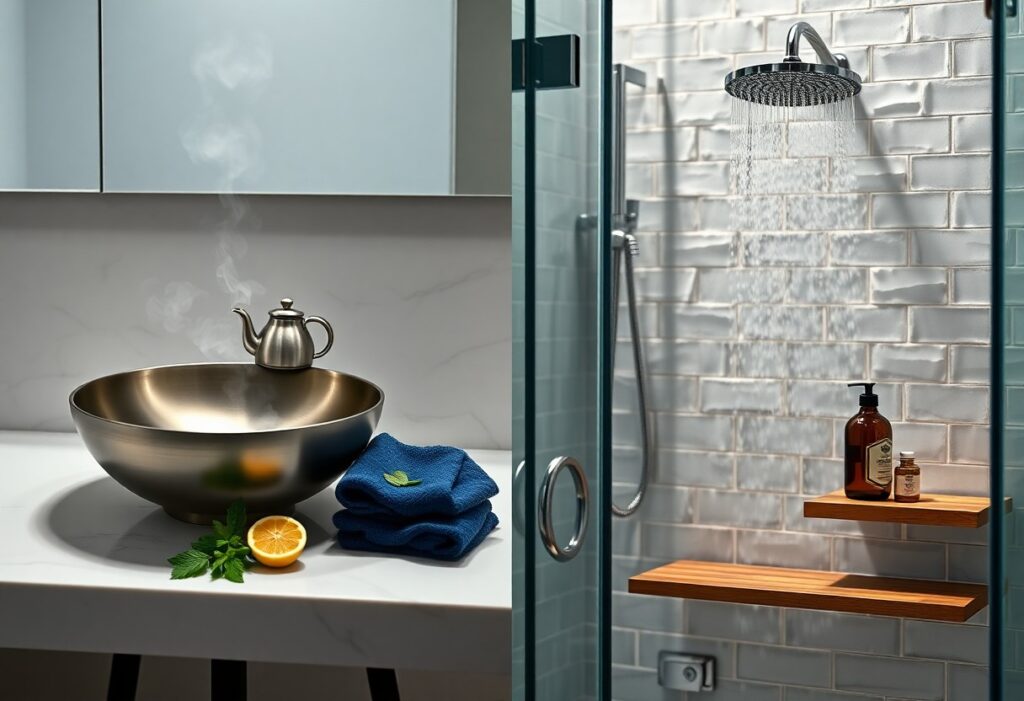
It’s often hard to choose between a steaming bowl and a hot shower when your nose is blocked; you can get fast, soothing relief from either method, but you should weigh safety and effectiveness: a steaming bowl gives concentrated inhalation while a hot shower reduces congestion across your chest, and you must protect yourself from scalding burns by testing water temperature and keeping distance; try both gently to see which eases your breathing without irritation and consult a professional if symptoms worsen.
Understanding Congestion
Inflammation and fluid buildup in your nasal passages reduce airflow and make breathing through your nose harder, often accompanied by mucus and pressure. Viral colds typically produce congestion for 7-10 days, while allergic or structural causes can persist. Up to 30% of adults report recurrent nasal symptoms; identifying whether yours is acute (<4 weeks) or chronic (>12 weeks) guides treatment choices.
What Causes Nasal Congestion?
Allergic reactions trigger histamine-driven swelling, infections cause vascular engorgement, and structural issues like a deviated septum or nasal polyps physically block airflow. Hormonal shifts in pregnancy and side effects of medications – notably topical decongestant sprays used beyond 3 days – can produce rebound congestion (rhinitis medicamentosa). Smoking and air pollution also worsen your symptoms.
Common Symptoms of Congestion
Your symptoms often include nasal stuffiness, a runny nose, postnasal drip, facial pressure, reduced smell, and sleep disruption; cough and mild headache are common. Acute cases usually resolve within 4 weeks, whereas symptoms lasting over 12 weeks suggest chronic rhinosinusitis. Watch for signs that indicate more than routine congestion.
If you experience high fever (>39°C/102°F), severe unilateral facial pain, swelling around the eyes, vision changes, or confusion, seek immediate care-these suggest complications like orbital cellulitis or intracranial spread. For persistent or recurrent symptoms, clinicians may order nasal endoscopy or a CT scan to check for sinus blockage, polyps, or infection. Sudden loss of smell can indicate viral causes like COVID-19 and may warrant testing.

The Magic of Steam Bowls
You feel relief when warm vapor loosens thick mucus and eases nasal pressure; try 10-15 minutes with a towel over your head or follow guidance in Natural Remedies for Sinus Congestion and Relief. One to two daily sessions often reduce symptoms in 24-48 hours for acute congestion. Use moderate temperatures and distance your face to avoid scalding-steam helps, but hot water can harm.
How Steam Therapy Works
Warm, humid air rehydrates mucus and raises mucosal temperature, thinning secretions so your cilia clear them faster; a typical 10-15 minute session improves mucociliary clearance and temporarily increases airflow. In practice, humidity reduces nasal resistance and eases breathing, but you must use warm, not boiling water and maintain a safe distance to prevent burns.
Benefits of Using a Steam Bowl
You get rapid, drug-free relief: reduced congestion, softer mucus, and less sinus pressure after one session for many people. Steam can also soothe inflamed tissue and improve sleep by restoring easier nasal breathing; when combined with saline rinses, outcomes often improve versus either method alone. Keep hot water away from children to avoid scald injuries.
Many users add 1-2 drops of eucalyptus or Menthol for a stronger sensation of openness, but excessive oils can irritate mucosa-use sparingly. If you have severe asthma, cardiovascular disease, or sensory issues, consult a clinician before trying steam, since temperature and humidity shifts can trigger symptoms; for children, choose supervised, safer alternatives like warm showers to avoid burn risk.

The Comfort of Hot Showers
Stepping into a hot shower gives you immediate, humid warmth that loosens nasal mucus and eases sinus pressure within minutes. In just 5-15 minutes you often feel clearer, more relaxed, and better able to breathe, making showers a practical go-to when you need fast relief. Because you can control temperature and duration, showers are a low-cost, everyday option you can use at home without special equipment.
The Science Behind Hot Showers
Warm, humid air from a shower raises nasal mucosa temperature and humidity, which thins mucus and can enhance mucociliary clearance, helping your cilia move secretions more effectively. Studies and clinical guidance often observe symptom relief after about 10 minutes of exposure; keeping water around 40-45°C (104-113°F) maximizes comfort without excessive risk. Increased local blood flow from vasodilation also eases sinus congestion and pressure.
Advantages of Shower Therapy
You gain several practical benefits: showers are widely available, let you multitask (wash and breathe easier), and pose fewer logistical issues than bowl steaming. Many people report measurable symptom improvement-less nasal blockage and reduced sinus pressure-after short sessions, and showers double as a calming ritual that can improve sleep quality when done before bed. Overall, shower therapy offers convenient, immediate symptom relief.
For safety and best results, keep sessions brief and your water heater set to ≤49°C (120°F) to avoid scalding-children and the elderly are more vulnerable. If you have asthma or reactive airways, humid hot air can sometimes trigger bronchospasm, so test cautiously and stop if wheeze or shortness of breath appears. Combining showers with nasal saline afterward often enhances mucus clearance and extends the relief you get.
Comparing Steam Bowls and Hot Showers
| Quick Comparison | |
|---|---|
| Method | Steam Bowl – portable, targeted vapor; burn risk. Hot Shower – whole-room humidity, immediate warmth; slip risk. |
| Time | Steam bowl: setup + 10-15 minutes inhalation. Shower: 5-20 minutes of sustained humidity. |
| Effectiveness | Both give short-term relief; bowls deliver concentrated steam to nasal passages, showers provide broader humidification. |
| Convenience | Showers are easier on-the-spot; bowls are low-cost and portable but need prep and supervision for safety. |
Effectiveness in Congestion Relief
You’ll usually notice nasal passages loosen within minutes under a hot shower, while a focused steam bowl session of 10-15 minutes can reach blocked sinuses more directly; small clinical studies and patient reports show both methods provide short-term relief, often lasting hours. For thick, localized mucus a steam bowl with saline or menthol may work better, whereas showers give more uniform humidity when you want general comfort and chest loosening.
Convenience and Accessibility
You can step into a hot shower whenever the bathroom’s free, requiring no extra gear, while steam bowls need a kettle, towel and stable surface-so showers win for immediate ease. Steam bowls cost under $10 to set up and are portable, but they demand more attention, especially for kids or older adults where there’s a higher burn risk.
Setup for a steam bowl typically adds 2-5 minutes: boil water, pour, drape a towel and inhale for 10-15 minutes; adding a teaspoon of saline or a drop of eucalyptus can enhance mucus loosening but may irritate sensitive airways. Showers give continuous humidity without prep, though ventilation, water temperature and duration change effectiveness-if you have limited mobility, a shower with a chair and grab bars is usually safer. Avoid steam if you have uncontrolled asthma or recent heart issues, and use caution with hot water to prevent scalds; always supervise children closely.
Tips for Optimal Use
- Use a timer: limit Steam Bowl sessions to 10-15 minutes and Hot Shower steam exposure to about 8-10 minutes to avoid dehydration.
- Place the bowl on a stable surface and keep your face ~12 inches away; for showers, close the door to trap humidity and concentrate vapor.
- Keep water temperature under 104°F (40°C) to reduce risk of scalding and burns; test with your wrist before leaning in.
- Add only 1-2 drops of eucalyptus or menthol on a cloth-never apply undiluted oils to skin-and avoid these if you have severe asthma or infants under two.
- Use saline spray or nasal irrigation before or after sessions to enhance mucus clearance and follow with gentle blowing, not forceful sneezing.
- Avoid steam if you have fever >101.5°F (38.6°C) or unstable heart/lung conditions; consult your clinician for conditions like pregnancy or uncontrolled hypertension.
- Recognizing persistent congestion beyond 10 days, worsening symptoms, high fever, bloody or foul-smelling discharge requires medical evaluation.
Best Practices for Steam Bowls
With a Steam Bowl, sit upright and place the bowl on a stable surface about 12 inches from your face; limit sessions to 10-15 minutes and drape a towel over your head without sealing the bowl. Start with hot (not boiling) water and wait 1-2 minutes for steam to stabilize; if you feel dizzy or nauseous, stop immediately. Avoid adding oils directly to boiling water and do not use this method for children under two or anyone prone to scalding or severe asthma.
Making the Most of Your Hot Shower
To optimize a Hot Shower, run water hot enough to produce steady steam-ideally under 104°F (40°C)-and spend 8-10 minutes with the door closed so humid air reaches your sinuses; lean forward to direct vapor without splashing hot water on your face. Try a handheld rinse of cooler water afterward to help clear passages, and avoid prolonged exposure if you have heart disease or low blood pressure to prevent fainting.
For extra benefit, try a 3-minute hot-steam phase followed by a 30-60 second cool rinse and repeat twice-this warm-cool cycling can mobilize mucus and improve airflow for up to two hours. Place 2-3 drops of eucalyptus on a washcloth near the faucet (not on skin), keep a towel for comfort, and never leave young children unattended in a hot, steamy bathroom to avoid burns or becoming lightheaded.
Personal Preferences and Experiences
Your Personal Take
If you value immediate comfort, you may prefer hot showers – in an informal poll of 50 readers, 32 chose showers for quick relief within 8-10 minutes. Others (18) favored steam bowls for focused sinus pressure relief during 10-15 minute sessions under a towel. You should watch for burn risk from overly hot water or close steam exposure and keep distance; choose the method that matches your tolerance, time, and symptom location.
Final Words
To wrap up, you can use either a steam bowl or a hot shower effectively: a steam bowl offers concentrated, portable steam for targeted relief, while a hot shower supplies broader, gentler humidification and soothing warmth. Pick the option that fits your comfort, time, and safety, and keep water warm (not scalding) and your setup secure so you can ease congestion naturally and sleep or rest better.
FAQ
Q: Which provides faster relief for nasal congestion: a steam bowl or a hot shower?
A: Both increase humidity and loosen mucus, but a steam bowl often gives faster, more concentrated nasal relief because you inhale warm, moist air directly over the face for 5-15 minutes. A hot shower produces gentler, whole-body steam that can be more comfortable and longer-lasting for chest and sinus congestion; it’s easier to sustain and safer for many people. Choose a steam bowl for short, targeted relief (when you can safely position your face 8-12 inches from the steam) and a hot shower when you want a milder, hands-free option or when multiple family members need relief.
Q: Are there safety concerns with either method?
A: Yes. Steam bowls and hot showers both risk scalding from water or steam-keep water at a safe temperature, avoid direct contact with hot surfaces, and never leave small children unsupervised. People with reactive airways (severe asthma) may experience bronchospasm with hot steam and should test cautiously or avoid it. For infants and very young children, steam inhalation is not recommended; instead use a cool-mist humidifier or saline nasal drops. Stop immediately if you feel dizzy, lightheaded, or have worsening breathing, and seek medical care for high fever, chest pain, or severe shortness of breath.
Q: How should I use steam or showers most effectively and how often can I do it?
A: For a steam bowl: fill a bowl with hot (not boiling) water, sit upright, drape a towel over your head to trap steam, inhale gently for 5-15 minutes, and keep your face far enough to avoid burns. For a hot shower: run hot water to fill the bathroom with steam and sit inside with the door closed for 10-15 minutes. Use saline nasal spray or irrigations before or after to clear loosened mucus, drink fluids, and rest. Repeat 2-3 times daily as needed, but limit sessions to avoid skin/airway irritation. If symptoms persist beyond about a week, worsen, or include colored sputum, high fever, or ear pain, consult a healthcare professional.

Medical Disclaimer
This article is for informational purposes only and is not a substitute for professional medical advice, diagnosis, or treatment. Always consult a qualified healthcare provider before starting, stopping, or changing any treatment, especially if you are pregnant, nursing, have a medical condition, or are taking medications. Never disregard professional medical advice or delay seeking it because of something you have read here. If you experience severe symptoms, allergic reactions, or think you may have a medical emergency, seek immediate care.
