
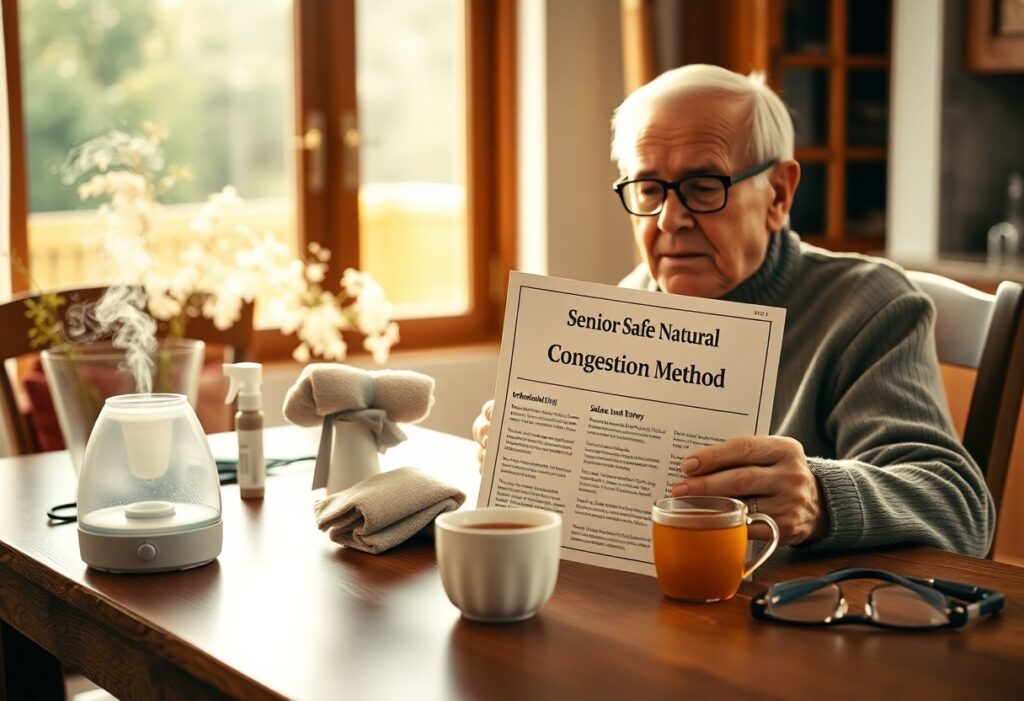
There’s a range of gentle options to ease nasal congestion that consider your health history and mobility: saline rinses, humidifiers and Steam inhalation (take care to avoid burns) can help, while some herbal or OTC decongestants may pose risks for high blood pressure, heart disease, or medication interactions. Use methods that support hydration, safe positioning, and ask a clinician when in doubt to keep remedies both effective and safe for you.
Understanding Congestion in Seniors
Age-related changes like mucosal thinning and slower mucociliary clearance make your nasal passages more reactive, and comorbidities such as chronic rhinitis or heart failure often amplify congestion. Medications and environmental triggers further complicate management; for example, using topical nasal decongestant sprays beyond 3 days commonly leads to rebound congestion. Pay attention to timing-nighttime worsening can signal cardiac or positional causes, while persistent daytime symptoms often point toward allergies or chronic sinus disease.
Common Causes
Allergies and chronic rhinitis remain frequent drivers, with seasonal pollen peaks triggering flare-ups. Viral infections and acute or chronic sinusitis produce purulent discharge and facial pressure. Medications-including certain antihypertensives and opioid analgesics-and prolonged use of nasal decongestant sprays (> 3 days) can worsen symptoms. Additionally, cardiac or pulmonary fluid overload and gastroesophageal reflux often present as persistent postnasal drip or cough that mimics nasal congestion.
Symptoms to Watch For
Typical signs include nasal blockage, clear or colored discharge, postnasal drip, reduced sense of smell, and facial pressure; however, dangerous red flags are shortness of breath, chest pain, new confusion, high fever (>101°F/38.3°C), or rapidly worsening cough-any of which warrant immediate evaluation. Note changes in sputum color, orthopnea (worse when lying flat), or escalating fatigue as indicators you should seek care.
To differentiate causes, use symptom patterns: allergies often cause itchy eyes and sneezing with seasonal timing, while bacterial sinusitis typically persists beyond 10 days with purulent drainage and facial pain. Heart-failure-related congestion commonly worsens when you lie down and coexists with ankle swelling or reduced exercise tolerance; in one case, an 82-year-old patient’s nocturnal congestion and breathlessness improved after diuretics were started following a heart-failure diagnosis. Track duration, severity, and associated signs to guide next steps.
Natural Remedies
Saline irrigation, humidification, steam inhalation and gentle aromatherapy can ease nasal congestion in older adults. Use 0.9% isotonic saline or 2-3% hypertonic solutions for nasal rinse; trials show nasal irrigation can reduce symptoms by ~30%. However, if you use a neti pot, improper technique risks rare but serious infections, so always use sterile or boiled‑and‑cooled water and clean devices.
Herbal Solutions
Eucalyptus or menthol inhalation often gives short‑term relief; add 1-2 drops to a diffuser or inhale steam for 5-10 minutes. Peppermint or ginger tea can soothe airways and reduce nasal swelling. Avoid applying concentrated imperative oils to skin and be cautious if you have COPD or asthma because they can trigger bronchospasm. Also, herbal supplements like St. John’s wort, ginkgo or garlic may interact with prescriptions-check with your clinician if you take anticoagulants or multiple medications.
Dietary Adjustments
Staying well hydrated-about eight 8‑ounce glasses (~2 L) daily unless medically restricted-thins secretions and helps mucociliary clearance. Warm broths and soups supply fluids and electrolytes; regular vitamin C (500-1000 mg/day) shows modest benefit in shortening colds. If you take blood thinners, avoid high‑dose herbal supplements and discuss fish‑oil or vitamin E with your clinician because they can increase bleeding risk.
Increase anti‑inflammatory foods: aim for two servings of oily fish weekly to supply ~250-500 mg EPA/DHA daily, use turmeric in meals (consult before high‑dose curcumin), and try ginger tea 1-2 times daily to ease congestion. Limit alcohol and reduce foods that seem to thicken your mucus. When adding supplements, always review them with your pharmacist or physician to prevent drug-supplement interactions.
Lifestyle Changes
Adjust indoor air with a humidifier and HEPA filters, cut exposure to smoke and strong fragrances, and schedule gentle nasal rinses after evening showers. For age-specific guidance on sinus management and comorbidities, consult Sinusitis: Special Considerations for Aging Patients. Avoid secondhand smoke and use fragrance-free products; if you use oxygen or have implanted devices, check device compatibility with humidifiers.
Exercise and Mobility
Keep activity light-to-moderate: aim for 20-30 minutes of walking or seated strength and balance work most days to improve sinus drainage and lung capacity. Breathing exercises like diaphragmatic breaths and slow pursed-lip exhales help mucus clearance. If you have balance issues, add targeted balance training-studies show such programs can cut fall risk by up to 40%. Stop if you feel dizzy or short of breath and consult your clinician.
Staying Hydrated
Drink fluids to thin secretions-target about 1.5-2.0 liters (6-8 cups) daily unless limited by heart or kidney disease. Warm broths, herbal teas, and water-rich fruits count; avoid forcing large boluses if you have swallowing difficulty. If you take diuretics or heart meds, check with your provider before increasing intake.
For a practical rule, aim for roughly 30 mL per kg of body weight per day (a 70 kg person ≈ 2.1 L) and spread intake across the day. Use a 500 mL bottle to track two to four refills, set hourly reminders, and prefer warm liquids at times of thick mucus-they combine heat and hydration for better symptom relief. Adjust for clinical restrictions and report fluid-related swelling or shortness of breath immediately.
Home Environment Tips
Make targeted adjustments to ease your congestion: run a HEPA filter overnight, keep indoor humidity at 40-50% with a humidifier, limit perfumes and smoke, and secure rugs and cords to reduce fall risk.
- Change humidifier water daily
- Replace HEPA filters every 6-12 months
- Ventilate for 10-15 minutes after cooking
This reduces airborne triggers and improves breathing comfort.
Air Quality Improvements
You can use a particle monitor and choose a HEPA purifier with CADR matched to the room (aim for ≥200 CADR in bedrooms), run it 30-60 minutes before sleep, set a humidifier to 40-50%, replace filters every 6-12 months, and eliminate indoor smoking and scented sprays to cut triggers.
Creating a Comfortable Space
Arrange your seating and bedding so your head is elevated about 30 degrees (use a wedge pillow), keep bedroom temperature between 68-72°F, place easy-reach tissues and saline spray, and ensure clear paths and night lighting to lower fall risk while you rest.
You can consider furniture with firm armrests for safer transfers, keep a phone or alert button within reach, secure low-pile rugs with tape or pads, tuck cords away, and test smoke and CO detectors monthly to reduce injury risk and support uninterrupted breathing and care.

When to Seek Medical Advice
If congestion is paired with high fever, persistent shortness of breath, chest pain, confusion, or a cough producing bloody or foul-smelling sputum, seek medical help. For seniors, a fever above 101.3°F (38.5°C), oxygen saturation below 92%, or symptoms lasting more than 10 days often indicate infection or a complication like pneumonia. Emergency care is warranted for sudden breathing difficulty, fainting, or severe chest pain.
Recognizing Warning Signs
Watch for worsening signs such as increased work of breathing, new wheeze, altered mental status, poor oral intake, or reduced urine output. Note persistent green/yellow nasal discharge beyond 7 days or a productive cough with fever-these raise infection risk. If you observe confusion, rapid breathing, or sustained low oxygen readings, treat it as an emergency and seek immediate evaluation.
Communicating with Healthcare Providers
When you contact a clinician, state exact onset and progression and report measurements: temperature, pulse oximeter reading, and respiratory rate if available. Read aloud your full medication list, chronic diagnoses (e.g., COPD, CHF), and allergies. Mention recent exposures, falls, or swallowing difficulties. Sharing a recent oxygen reading or a home temperature over 101.3°F helps clinicians triage you appropriately.
Prepare a concise symptom log with dates, peak temps, meds tried, and photos of nasal discharge or labored breathing. In telehealth, tell the clinician whether you have a pulse oximeter, inhaler, or recent chest X‑ray; these details guide decisions on steroids, antibiotics, or ED referral. For example, timely inhaler adjustments after a televisit have avoided hospitalization in seniors with COPD exacerbations.
FAQs About Natural Congestion Relief
Common Questions
Common questions include whether steam, saline, or herbs work for seniors and how often to use them. For saline, studies report up to 70% symptom improvement in chronic rhinosinusitis and you can rinse 2-3 times daily with isotonic solution. Steam gives short-term relief (often 20-30 minutes) but avoid hot baths if you have balance issues. Always use distilled or previously boiled water to prevent infection and avoid nasal sprays longer than 3 days; seek care if fever > 38°C or symptoms last > 10 days.
Conclusion
To wrap up, this Senior-Safe Natural Congestion Methods – Special Considerations Guide helps you choose gentle, evidence-based options that fit your health and mobility, encourages you to check interactions with medications and sensitivities, and invites you to prioritize comfort and safety so you can manage congestion confidently and with less worry.

Medical Disclaimer
This article is for informational purposes only and is not a substitute for professional medical advice, diagnosis, or treatment. Always consult a qualified healthcare provider before starting, stopping, or changing any treatment, especially if you are pregnant, nursing, have a medical condition, or are taking medications. Never disregard professional medical advice or delay seeking it because of something you have read here. If you experience severe symptoms, allergic reactions, or think you may have a medical emergency, seek immediate care.
