
With the cold season upon us, you may find yourself searching for effective ways to boost your immunity and ease your symptoms. Fortunately, there are several natural remedies that not only provide relief but are also supported by scientific research. From herbal teas to specific vitamins and minerals, these remedies can help you combat colds more effectively and support your overall wellness. Let’s explore these science-backed solutions to help you feel your Best this season.
Understanding Colds
Colds are caused by viruses that infect your upper respiratory tract, most commonly rhinoviruses, responsible for up to 50% of cases. These pathogens thrive in environments where they can easily spread, particularly during colder months. Your susceptibility to colds increases when you’re stressed, fatigued, or have a weakened immune system, making it crucial to prioritize your health and well-being to fend off these pesky infections.
What Causes a Cold?
Colds are primarily caused by viral infections, with rhinoviruses accounting for the majority of cases. You can contract a cold through direct contact with an infected person or by touching contaminated surfaces. When the virus enters your body, it begins to replicate, leading to inflammation in your respiratory tract and resulting in cold symptoms.
Common Symptoms
You’re likely to experience a variety of symptoms when you catch a cold, including a runny or stuffy nose, sore throat, cough, sneezing, and fatigue. In some cases, you might also notice mild headaches or a low-grade fever. These symptoms typically develop one to three days after exposure to the virus and can last from a few days up to two weeks.
In detail, symptoms like a runny nose occur as your body attempts to flush out the virus, while a sore throat often arises from irritation caused by post-nasal drip. A persistent cough can develop as your body tries to clear mucus from your airways. Although unpleasant, these symptoms are usually not severe, and understanding them can help you manage your cold more effectively. Stay attentive to your body’s signals for a quicker recovery.
Essential Oils for Relief
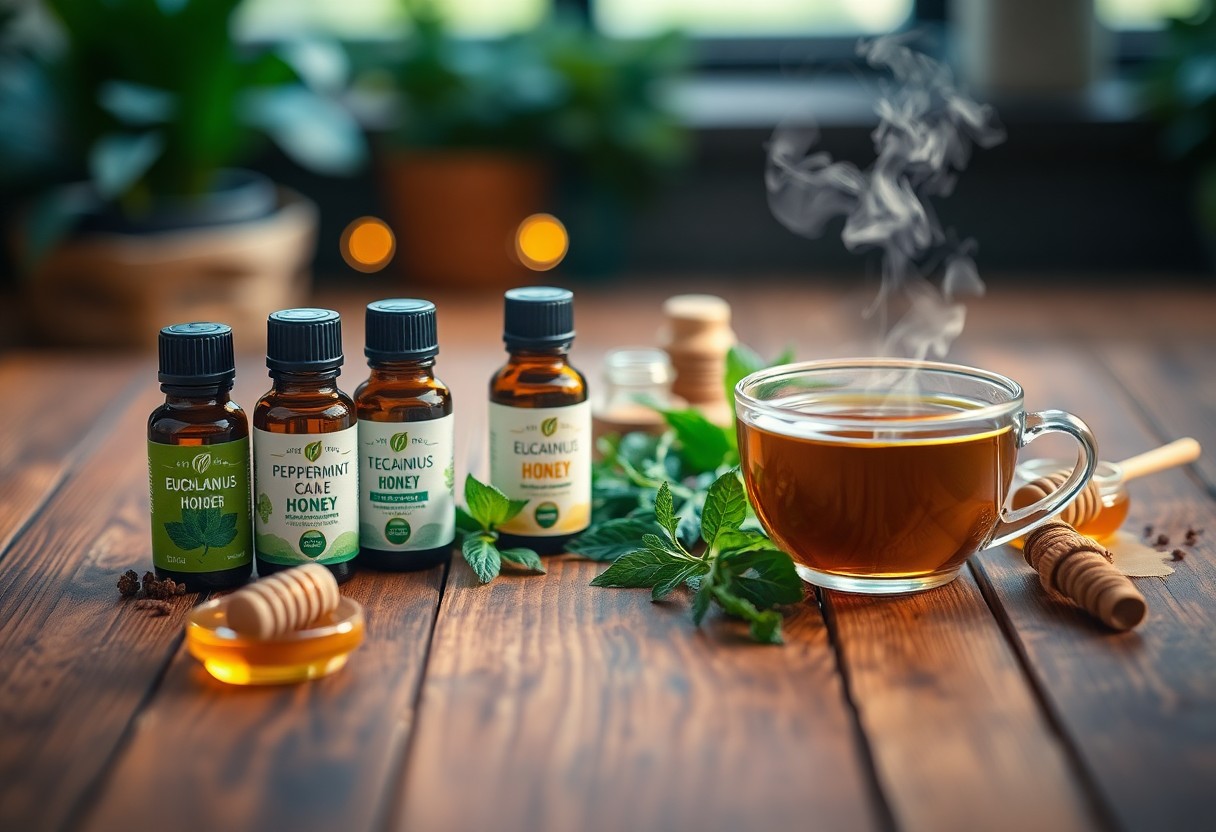
Essential oils offer a natural approach to easing the symptoms of colds. They can soothe your throat, clear nasal passages, and promote relaxation, making your recovery more comfortable. Many crucial oils are backed by scientific evidence highlighting their effectiveness in reducing inflammation, improving breathing, and even enhancing your mood during illness.
Eucalyptus Oil
Eucalyptus oil is well-known for its ability to decongest and relieve sinus pressure. Its active component, eucalyptol, can help loosen mucus, making it easier for you to breathe. Studies suggest that inhaling eucalyptus oil can improve respiratory function, providing relief from cough and nasal congestion.
Peppermint Oil
Peppermint oil is famous for its soothing properties and can effectively relieve cold symptoms. The menthol in this oil acts as a natural decongestant, helping to open your airways and ease breathing difficulties. You may find that inhaling peppermint oil promotes clear sinuses, making it a preferred choice for many during cold season.
Peppermint oil also has analgesic properties, which can help alleviate headaches that often accompany colds. A study published in the journal *International Journal of Neuroscience* found that inhaling peppermint crucial oil significantly reduced tension headaches, providing you with additional pain relief. You can use it in a diffuser, add a few drops to a warm compress for your forehead, or dilute it with a carrier oil for topical application on the chest.
Herbal Teas to Soothe
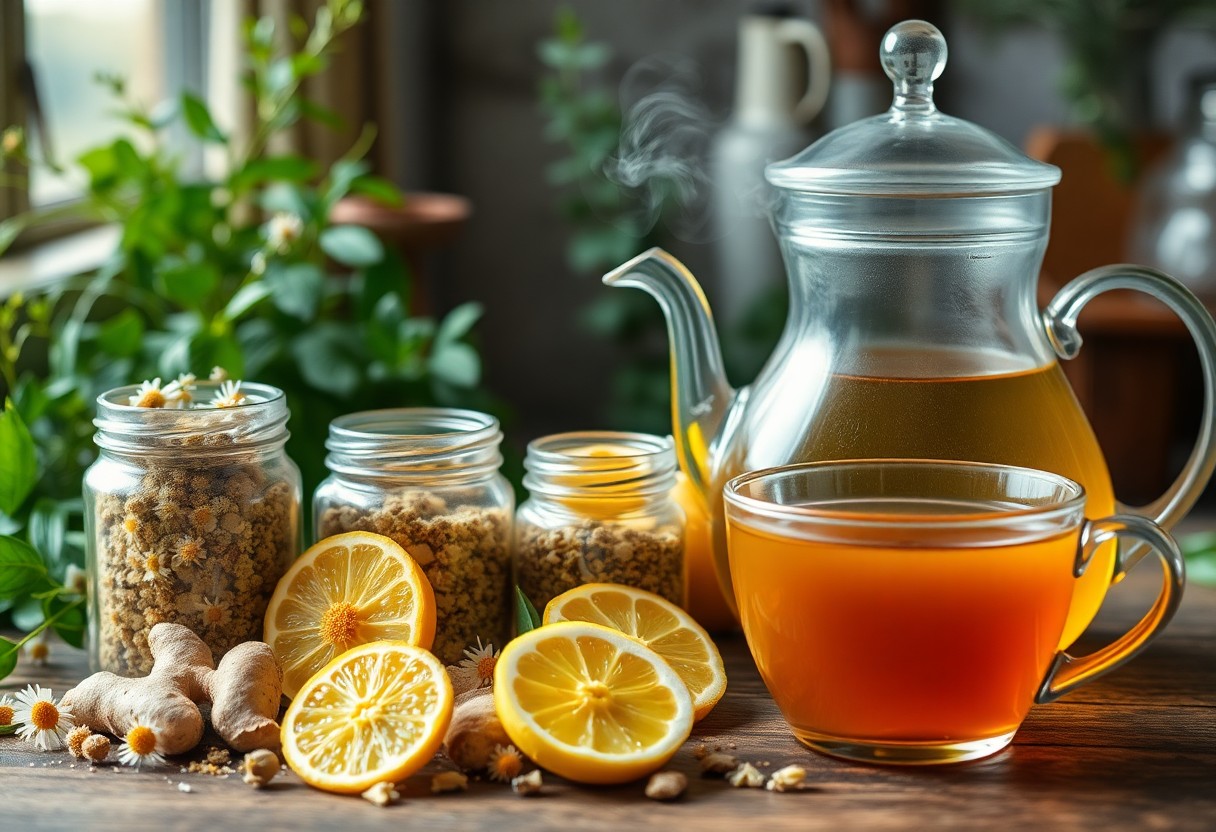
Herbal teas can be a comforting way to ease cold symptoms, providing warmth and hydration while delivering beneficial compounds. Many herbs possess anti-inflammatory, antioxidant, and immune-boosting properties that can enhance your recovery. Sipping on these teas not only hydrates but may also soothe your throat and provide relief from congestion. Consider incorporating these specific herbal varieties into your routine for added relief.
Ginger Tea
Ginger tea stands out for its anti-inflammatory properties, making it an excellent choice during a cold. The active compound, gingerol, helps reduce symptoms like throat irritation and congestion. Drinking this warm beverage may also support your immune system, aiding in a quicker recovery from your cold.
Chamomile Tea
Chamomile tea is well-regarded for its calming effects and potential to enhance sleep quality, which is vital during your recovery. Rich in antioxidants, chamomile can also help reduce inflammation and alleviate symptoms such as congestion and sore throat. Studies show that inhaling chamomile steam may offer additional relief, making this tea a dual-purpose remedy.
In addition to its anti-inflammatory benefits, chamomile tea has been traditionally used to promote better sleep. A study suggested that its mild sedative effects could help you fall asleep more easily, contributing to your overall recovery from a cold. With its pleasant taste and soothing aroma, a cup of chamomile tea can provide both comfort and relief, turning your healing time into a more restful experience.
Nutritional Boosts
Incorporating certain nutrients into your diet can significantly enhance your immune function and help combat colds more effectively. Foods rich in vitamins and minerals not only support overall health but may also shorten the duration and severity of cold symptoms. Prioritizing these nutritional boosts can provide your body with the tools necessary to fend off illness.
Vitamin C Sources
Vitamin C is widely acknowledged for its role in supporting the immune system. You can find it in citrus fruits like oranges and grapefruits, as well as in strawberries, kiwi, bell peppers, and broccoli. Regularly consuming these foods may not only reduce the frequency of colds but also help lessen their severity when they do occur.
Zinc Benefits
Zinc plays an important part in enhancing immune response and has been found to reduce the duration of cold symptoms. Foods high in zinc include meat, shellfish, legumes, seeds, nuts, dairy, and whole grains. Including a variety of these foods in your diet during cold season can help bolster your defenses.
Research indicates that taking zinc supplements within 24 hours of experiencing cold symptoms can cut recovery time significantly-by up to 33%. This mineral helps to activate T-cells, which are crucial for your immune response, and can diminish the severity of symptoms like coughing and congestion. By ensuring adequate zinc intake, you reinforce your body’s ability to fight off respiratory infections, making it a key ally during cold season.
Home Remedies You Can Try
Several home remedies can provide relief from cold symptoms, and cold remedies: What works, what doesn’t, what can’t hurt offers insights into their effectiveness. Simple ingredients in your kitchen may help alleviate discomfort while boosting your immune response.
Honey and Lemon
The combination of honey and lemon is a popular remedy for soothing sore throats and boosting hydration. Honey is known for its antimicrobial properties, which can help kill germs, while lemon provides vitamin C, an important nutrient for your immune system. Mixing these two in warm water can create a soothing drink that not only tastes good but also eases your symptoms.
Garlic and Onion
Garlic and onion both contain compounds with potential health benefits. Garlic is rich in allicin, a compound that may enhance immune function and reduce inflammation, while onions are packed with quercetin, which is known for its antioxidant properties. Incorporating these into your meals can help you combat cold symptoms effectively, making them staples in your kitchen during cold season.
Research shows that garlic can aid in reducing the severity of colds and boost your overall immunity. A study indicated that participants taking garlic supplements had fewer colds than those who did not. Similarly, onion’s health benefits extend beyond flavor, potentially helping to alleviate congestion and promote better respiratory health. Adding these ingredients to soups, broths, or simply enjoying them raw can deliver not only flavor but also health benefits that support your recovery.
Lifestyle Changes for Prevention
Making certain lifestyle adjustments can significantly bolster your defenses against colds. Regular exercise, a balanced diet, and stress management contribute to a strong immune system. Implementing these changes not only promotes overall health but also helps reduce the frequency and severity of colds. Simple, daily practices can lead to lasting benefits, ensuring you remain resilient against respiratory infections.
Staying Hydrated
Staying hydrated is vital for maintaining optimal immune function. Drinking plenty of fluids helps keep your mucous membranes moist, making it easier for your body to fight off infections. Aim for at least eight glasses of water daily, and include herbal teas and broths to further enhance hydration, especially during colder months when colds are more prevalent.
Getting Enough Sleep
Ensuring adequate sleep is vital for your immune health. Studies show that individuals who get less than seven hours of sleep per night are nearly three times more likely to catch a cold compared to those who sleep eight hours or more. Prioritizing quality sleep can help your body repair itself and bolster your immune response, making you less susceptible to illness.
Summing up
On the whole, incorporating scientifically-backed natural remedies can significantly enhance your ability to combat colds. By utilizing options such as honey, elderberry, and vitamin C, you can bolster your immune system and alleviate symptoms more effectively. It’s all about finding what works best for you, allowing you to navigate through a cold with greater ease and comfort. Embrace these remedies, and you’ll likely discover that your recovery process becomes smoother and more pleasant.
FAQ
Q: What are some effective natural remedies for colds backed by scientific research?
A: Research indicates that remedies such as echinacea, elderberry, and zinc have shown effectiveness in reducing cold symptoms. Echinacea can shorten the duration of colds when taken at the onset, elderberry has antiviral properties that may help diminish symptoms, and zinc lozenges can decrease the length of illness when used early.
Q: Is vitamin C helpful in preventing or treating colds?
A: Studies suggest that vitamin C may not prevent colds in the general population but can be beneficial for individuals exposed to extreme physical stress. Additionally, regular intake of vitamin C may slightly reduce the duration and severity of cold symptoms.
Q: How does honey function as a natural remedy during a cold?
A: Honey has been shown to soothe sore throats and acts as a natural cough suppressant. Its antimicrobial properties may also help support the immune system. Studies indicate that honey can be as effective as some over-the-counter cough medications in alleviating symptoms in children.

Medical Disclaimer
This article is for informational purposes only and is not a substitute for professional medical advice, diagnosis, or treatment. Always consult a qualified healthcare provider before starting, stopping, or changing any treatment, especially if you are pregnant, nursing, have a medical condition, or are taking medications. Never disregard professional medical advice or delay seeking it because of something you have read here. If you experience severe symptoms, allergic reactions, or think you may have a medical emergency, seek immediate care.
