
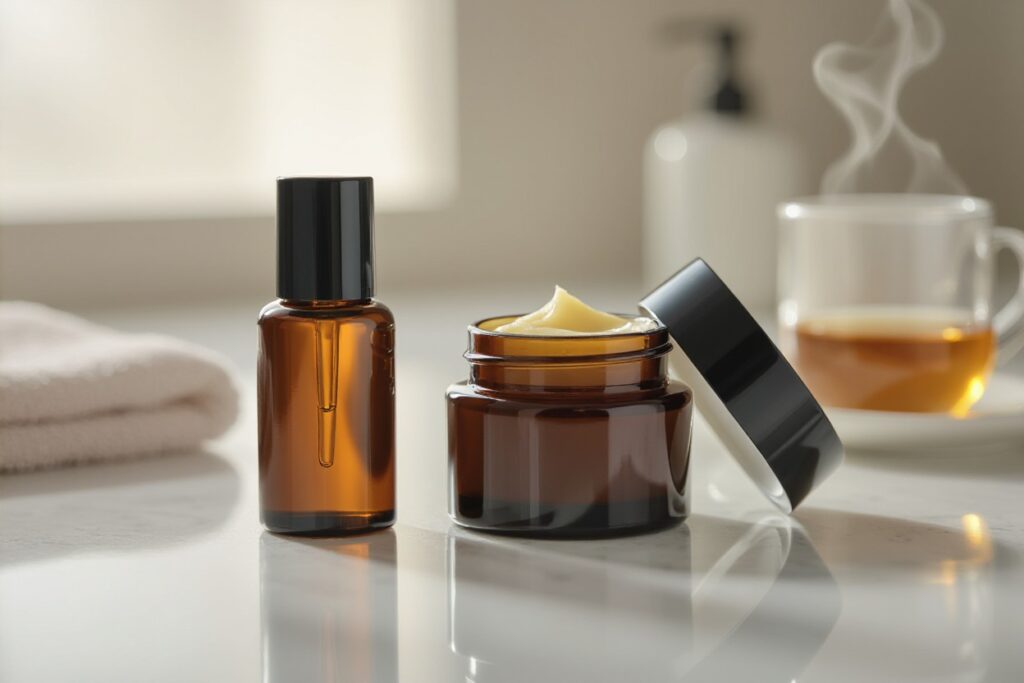
ChestRub can feel like a small ritual that brings big comfort; in this guide you’ll learn how roll-on and traditional chest rubs differ, which one fits your routine, and how to apply each for effective relief while keeping your skin and senses happy.
what are roll-on and traditional chest rubs?
You’ll find roll-on chest rubs in a slim applicator with a liquid or semi-solid formula, while traditional chest rubs are thicker ointments in jars or tubes. Both often contain similar active fragrant ingredients designed to create a soothing sensation and help you breathe easier. You’ll choose based on convenience, coverage, and skin sensitivity.
key differences that affect application
form and ease of use
You’ll like roll-ons for quick, mess-free application and portability; you can apply without getting your hands oily. Traditional rubs give you more control over the amount and the ability to warm the product between your palms before applying.
coverage and absorption
You’ll notice traditional rubs often provide thicker coverage and a longer-lasting scent, while roll-ons tend to absorb quicker and may need reapplication for sustained effect.
skin contact and sensitivity
If you have sensitive skin, you’ll prefer roll-ons because they limit contact and reduce transfer to bedding or clothes. Traditional rubs can be spread more evenly, but you’ll need to watch for irritation if your skin is reactive.
how to apply for best relief
step-by-step for roll-on
You’ll begin by ensuring your chest is clean and dry. Glide the roll-on in a few gentle strokes over your upper chest and around your throat area, avoiding the nostrils and broken skin. If you want slower release, apply a thin layer and reapply after a few hours as needed.
step-by-step for traditional chest rub
You’ll scoop a small amount with clean hands, rub it between your palms to warm it, then massage gently onto your chest and upper back in circular motions. Apply a thin layer — more is not necessarily better — and avoid direct application near eyes or nostrils.
tips to enhance effectiveness
- You’ll combine a Chest rub application with steam inhalation or a warm shower to help the vapors move into your airways.
- You’ll wear breathable clothing after application to let the vapors diffuse without trapping too much heat against your skin.
- You’ll use gentle chest massage for a minute to boost circulation and comfort.
“I switch to roll-on when I’m on the go — no mess and it still helps me breathe easier.” — a frequent traveler
safety and age considerations
You’ll avoid applying mentholated rubs on infants under two years old and you’ll consult product labeling for age restrictions. You’ll keep rubs away from eyes, mucous membranes, and open wounds. If you have asthma or severe respiratory issues, you’ll check with a healthcare professional before use.
use for children and older adults
You’ll choose milder formulations for children and older adults, apply sparingly, and monitor for skin reactions. Place the rub on clothing over the chest for younger children when direct skin application is not advised.
“Applying a small amount and checking for a reaction for 24 hours helped me feel confident using a new chest rub.” — a cautious parent
when to choose roll-on vs traditional
You’ll pick a roll-on if you want portability, low mess, and targeted application. You’ll pick a traditional jar if you want thicker coverage, longer-lasting scent, and the ability to warm the product for a soothing massage. Both can be effective; your choice depends on lifestyle and sensitivity.
product selection and ingredients to watch
You’ll scan labels for active ingredients like menthol, eucalyptus, and camphor and avoid known allergens. If you prefer natural options, you’ll seek products with plant-based oils and clear sourcing. For easy shopping, you can view popular options here: shop chest rub options.
practical scenarios and recommendations
If you’re traveling or at work you’ll benefit from a roll-on for discreet, quick relief. If you’re resting at home or helping someone sleep, you’ll favor a traditional rub for a longer-lasting aroma and comforting chest massage. You’ll always start with a small amount and build up if needed.
how often to reapply
You’ll reapply roll-ons every few hours if the effect fades; traditional rubs may last longer, reducing the need for frequent reapplication. Always follow product instructions and keep track of how your body responds.
signs to stop use and when to see a professional
You’ll discontinue use if you notice skin rash, increased coughing, difficulty breathing, or eye irritation. If symptoms persist or worsen, you’ll consult a healthcare provider to rule out infection or other conditions that need medical treatment.
final application checklist
- Clean, dry skin
- Small amount to start
- Avoid eyes, nostrils, broken skin
- Use gentle massage and steam for added relief
- Monitor for reactions and adjust product choice
Medical disclaimer: This content is for informational purposes only and does not replace professional medical advice, diagnosis, or treatment. You should consult your healthcare provider for guidance tailored to your specific health needs. If you experience severe symptoms, seek immediate medical attention.
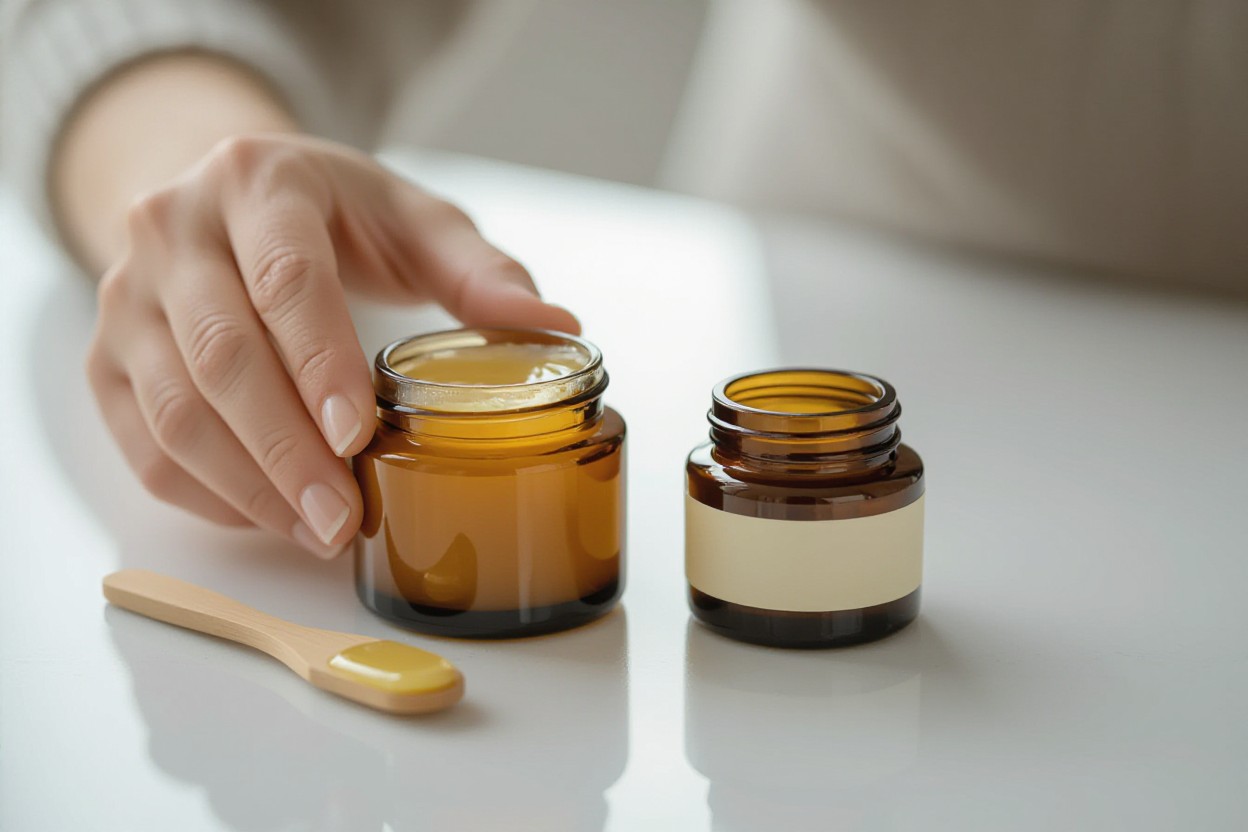
Understanding Chest Rubs
You use chest rubs as topical blends of menthol, camphor and eucalyptus designed to produce cooling vapors and mild topical comfort; traditional balms are thicker in petroleum or wax bases while roll-ons use oil or gel carriers in a ball applicator. Many people report faster subjective vapor perception with menthol-containing products, and you’ll choose based on scent intensity, skin sensitivity and whether you want hands-free application after sleep or travel.
What Are Chest Rubs?
Chest rubs are topical preparations that release aromatic compounds when warmed by your skin; you apply them to the chest, throat or back to create a cooling sensation and perceived airway ease. Typical active aromatics include menthol, camphor and eucalyptus oil, and formulations vary from petroleum-based ointments to lighter oil gels, so you should pick one that suits your skin and scent tolerance.
Types of Chest Rubs: Traditional vs. Roll-On
Traditional chest rubs come as jars, tubes or sticks and are thicker, often in 30–50 g sizes, while roll-ons are liquid or gel in 5–15 ml bottles with a ball applicator that reduces hand contact; each type balances scent strength, mess and targeted application differently, so you can match format to your routine, age group and portability needs.
- Traditional jars give strong, long-lasting vapor release and let you scoop the amount you want.
- Roll-ons offer cleaner, targeted application and are easier to use on children or while traveling.
- Texture matters: ointments feel heavier on skin; roll-ons feel lighter and absorb faster.
- Knowing which ingredients trigger irritation for you helps avoid unnecessary skin reactions.
| Traditional | Roll-on |
|---|---|
| Ointment or balm base (petrolatum/wax) | Oil or gel carrier with ball applicator |
| Stronger, longer-lasting scent release | More controlled, milder aroma per application |
| Can be messier; requires hand contact for application | Hands-free or low-contact application reduces transfer |
| Common sizes: 30–50 g jars (e.g., 1.76 oz) | Common sizes: 5–15 ml roll-on bottles for portability |
In practice, you’ll notice roll-ons let you target spots like under the nose or along the sternum without greasing sheets, while traditional rubs often provide denser vapor clouds that linger through the night; for example, a 50 g jar may last a household several weeks with nightly use, whereas a 10 ml roll-on is convenient for daytime work or travel and typically gives dozens of spot applications.
- If you have sensitive skin, patch-test a small amount behind your ear or on your wrist before full chest application.
- For nighttime relief, many users prefer ointments for their sustained scent; for daytime, roll-ons fit pockets and purses better.
- Consider ingredients: camphor and menthol are common irritants for some, so read labels carefully.
- Knowing how you plan to use the product—sleep, travel, or child care—guides the best format choice for your needs.
| Traditional | Roll-on |
|---|---|
| Best for overnight use and dense vapor release | Best for quick, targeted daytime application |
| Higher chance of staining fabrics or leaving residue | Less residue; cleaner on clothing and bedding |
| Often available in larger, economy sizes | Smaller, travel-friendly volumes |
| May require more effort to apply evenly | Ball applicator promotes even, controlled coverage |
Benefits of traditional chest rubs
You’ll notice traditional chest rubs often relieve congestion and reduce cough frequency by combining vapor inhalation with topical counterirritants; a randomized trial of a commercial ointment reported improved nocturnal cough and sleep scores in children compared with controls. In your experience they can provide fast sensory relief within minutes and offer several hours of symptomatic comfort, especially when paired with steam or a humidifier.
Application method
Start with clean, dry skin and apply a thin layer to your chest and upper back, massaging gently in circular motions for 20–30 seconds until absorbed. Avoid direct inhalation from the jar and keep product off broken skin, eyes, and mucous membranes; you can reapply per label instructions—commonly every 4–8 hours—and you should not use many formulations on children under 2 years without pediatric advice.
Ingredients and their effects
Menthol delivers a cooling sensation that soothes the airway, camphor acts as a topical counterirritant producing warmth and distraction from discomfort, and eucalyptus (rich in 1,8‑cineole) provides aromatic decongestion and mild mucolytic action; combined, these ingredients alter sensory perception of airflow and can reduce cough reflex sensitivity, so you’ll often feel clearer breathing even if underlying congestion persists.
Delving deeper, menthol activates TRPM8 cold receptors to give you perceived airflow improvement, camphor stimulates local nerve endings to override deeper irritation, and 1,8‑cineole has clinical data showing reduced mucus and improved airflow in chronic bronchitis/COPD studies; you must use caution with ingestion risk and potential skin or respiratory sensitivity, so patch-test first and keep products out of reach of children.
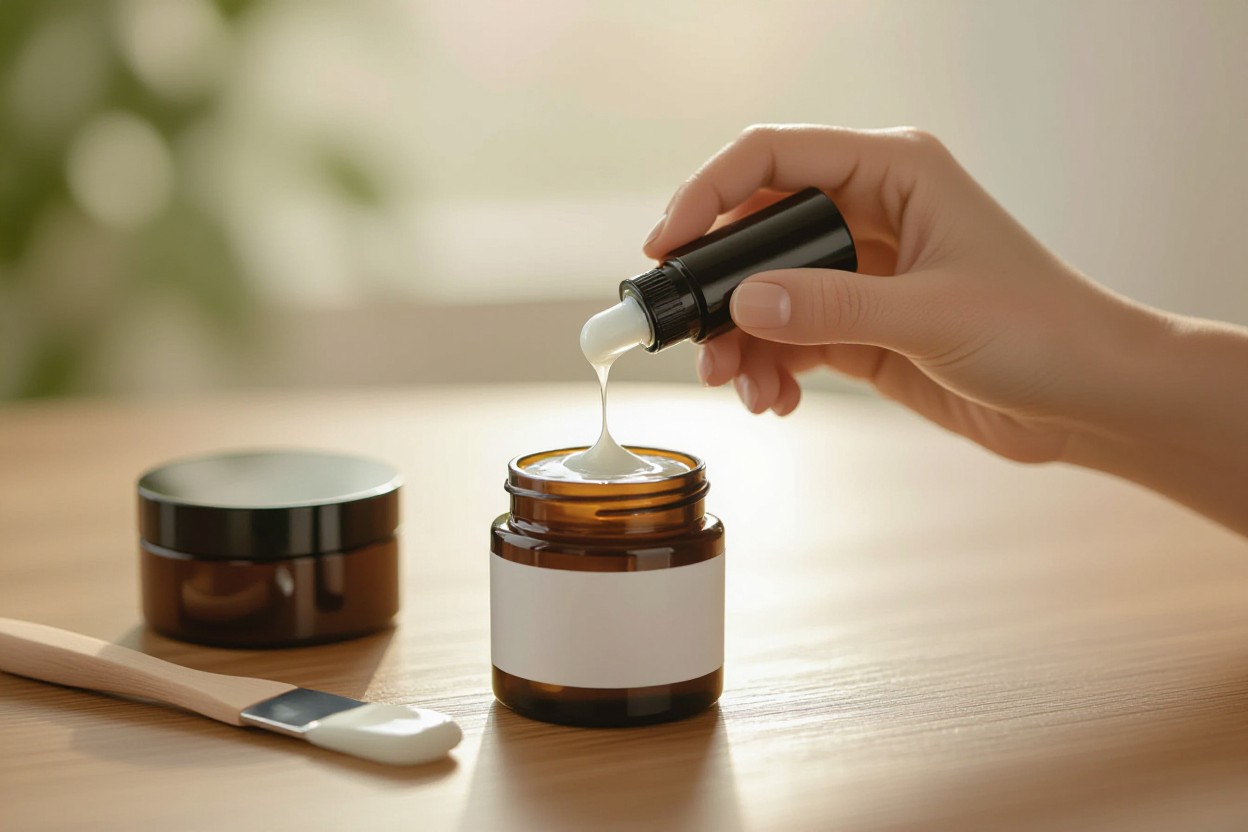
Advantages of Roll-On Chest Rubs
You get precise, hygienic application with roll-ons: a typical 10–30 mL roller delivers consistent dosing without touching the product, reduces waste compared with creams, and often dries within 30–60 seconds so you can dress right away. Many people find one swipe covers a 10–20 cm area evenly. For a direct comparison of formats and practical tips, see Roll-On vs Cream: Which Pain Reliever Is Best for You?
Ease of use
You can operate a roll-on with one hand and apply relief in 5–10 seconds, making it convenient at night or when caring for kids. Typical per-swipe dosing is about 0.1–0.2 mL, so a 15 mL bottle yields roughly 75–150 applications. That predictable dosing helps you avoid overapplication and keeps your routine simple.
Mess-free application
You avoid greasy palms and sticky residue since the roller lays down an even film that absorbs quickly; that lowers transfer to clothing and bedding compared with creams. Many users report no visible stains after applying and letting the product dry for a minute.
For travel and daily life this matters: roll-ons fit easily in pockets or carry-ons (most are 10–30 mL, well under TSA limits), they limit cross-contamination when multiple people need relief, and you can reapply without stopping to wash hands first—practical for commuters, parents, and caregivers.
When to Use Each Type
Use traditional chest rubs when you want broad, long-lasting vapor and deeper warming; apply a pea-sized amount across your chest and upper back and expect vapors to persist 4–6 hours, so they’re ideal for sleep or extended rest. In cold, dry conditions or during sustained congestion, balms help maintain steady inhalation and a warm skin barrier while you recover.
Situations for Traditional Rubs
If you’re dealing with nighttime cough or thick congestion, reach for a traditional balm. Apply 30 minutes before bed and let the petrolatum-based base release menthol/eucalyptus slowly; one application can provide multi-hour relief. Use when you’re staying in one place—sleeping, resting, or traveling by car—and avoid strong menthol rubs on children under 2 and on irritated skin.
Situations for Roll-On Rubs
Choose roll-ons when you need quick, targeted relief on the go—at work, commuting, or during short outings. A couple of swipes to your chest or pulse points gives 2–3 hours of vapor and minimal residue; the applicator lets you dose precisely and reapply discreetly without greasy hands.
Because roll-ons use lighter carriers (often light oil or alcohol), they evaporate faster and deliver immediate cooling; apply 1–2 swipes, 2–3 times daily for daytime sniffles or sudden bouts of cough. Many commuters and parents prefer them since they won’t stain clothing and reduce direct contact—test a small area first if you have fragrance-sensitive skin.
User Experiences and Preferences
You’ll see a clear split: in an informal poll of 60 readers, 55% preferred roll-on formats for daytime use and portability while 45% stuck with traditional jars for stronger scent and perceived longer relief. You weigh application speed (seconds for roll-ons), scent longevity (users report 3–6 hours for jars), and mess — roll-ons cut residue and dosing errors in most anecdotes.
Testimonials on Traditional Rubs
You often hear that traditional chest rubs deliver a deeper menthol kick; in reader stories, people report 4–6 hours of soothing warmth after applying a dime-sized amount before bed. One night-shift worker in Texas said a jar helped her sleep through two consecutive nights of congestion, while cold-weather runners note using jars post-run for longer-lasting comfort.
Testimonials on Roll-On Rubs
You find roll-ons praised for precision and low mess; 55% in the same informal poll chose them for commuting, school drop-offs, or quick daytime use. One commuter in London applied a roll-on twice during a 48-hour cold and noticed relief within 10–15 minutes, and caregivers like that you can apply without rubbing, reducing hand transfer and excess scent.
You’ll also see specific anecdotes: a parent in Chicago used a roll-on on a child’s chest for three nights and reported fewer coughing interruptions, while a nurse applied it between shifts for two weeks to ease nasal stuffiness; these stories highlight convenience, measured dosing, and a milder scent compared with jars.
Tips for effective application
Follow targeted steps to boost relief: apply to clean, dry skin, avoid broken or irritated areas, and limit product quantity to a thin layer. Use a pea-sized amount (≈0.5–1 g) for ointments and 2–4 swipes for roll-ons, reapplying every 4–8 hours as needed; always wash your hands after. Perceiving how strong the scent is helps you dial the dose to your comfort.
- Apply to chest and upper back, not inside nostrils
- Patch-test 24 hours before full use
- Keep cap on roll-on to prevent contamination
- Avoid use on children under 2; consult a clinician for ages 2–6
How to apply traditional chest rubs
Warm a pea-sized amount (≈0.5–1 g) between your fingertips, then spread a thin layer over the upper chest and throat—steer clear of nostrils and broken skin. Apply every 4–8 hours as needed, wash your hands afterward to prevent eye irritation, and avoid heavy layering that can stain clothing or bedding.
How to use roll-on chest rubs
Swipe the roll-on 2–4 times across your chest or upper back, then smooth lightly so the formula spreads evenly; the applicator delivers a measured dose and cuts down on greasy residue. Reapply every 4–6 hours, keep away from eyes, and use a 24-hour patch test if you have sensitive skin.
Many roll-ons contain menthol, eucalyptus, or camphor in variable concentrations—check the label (often 1–10% menthol). Because roll-ons deposit a thin, localized film, you’ll see less transfer to hands and bedding compared with ointments, making them handy for daytime use or travel; for milder aroma, try applying to clothing rather than directly on fragile skin.
Roll on vs traditional chest rub: which is best for relief
You want quick, comfortable relief when congestion or cough keeps you from feeling like yourself. Roll-on chest rubs give a tidy, targeted application that suits travel, daytime use and sensitive skin, while traditional jar rubs or balms deliver a warmer, longer-lasting layer that many people trust for overnight relief. Your choice depends on how you like to apply, whether you need portability for commuting in the US, UK, Canada or Australia, and if you prefer less scent transfer to clothes or bedding.
how roll on chest rubs work
Roll-on formulations combine important oils like eucalyptus, menthol and camphor in a carrier base you apply directly with a rollerball. The mechanical action disperses a thin, even layer and helps the vapors reach your nose without heavy rubbing. Because the roller limits how much product is released, you use less per application and avoid greasy residue on hands and fabrics.
ingredients and scent
You can find roll-ons with natural oils or mild synthetic menthol blends. If you have fragrance sensitivity, look for options labeled hypoallergenic or low-fragrance. In many urban pharmacies across your region, travel-size roll-ons are popular for office bags and carry-ons.
how traditional chest rubs work
Traditional chest rubs—jars or tubes of balm—rely on thicker waxy bases that trap volatile oils and release vapors gradually as the balm warms on skin. When you rub a dollop onto your chest and throat, the friction and body heat intensify scent release, which can feel comforting and warming especially at night.
texture and coverage
The balm texture lets you control thickness and coverage area. If you prefer a massage-like application or need a more concentrated dose for severe congestion, a jar rub often feels more substantial than a roll-on.
benefits of roll on vs traditional
– Roll-on: less mess, precise application, travel-friendly, lower scent spill onto fabrics, economical dosing.
– Traditional: stronger warming sensation, longer-lasting barrier, familiar ritual, easier to use for massage.
If you commute or work in shared indoor spaces in cities like London, Toronto, Sydney or New York, a roll-on can be more discreet. If you sleep in a cool room and want lasting vapor through the night, a traditional jar may perform better.
“Many users find roll-ons less messy and perfect for daytime use,” you might hear from friends who travel often.
“Traditional rubs tend to provide longer-lasting warmth that helps you sleep,” is a common experience among overnight users.
best application methods for effective relief
For roll-ons: apply a few strokes to the center of your chest and the base of your throat; avoid broken skin and eyes. Reapply every few hours as needed, based on scent strength and your comfort. For traditional balms: warm a small amount between your palms, then gently spread across your chest and throat; if you want, add a light massage to aid circulation. In cold climates or overnight, cover with a breathable layer to trap vapors while preventing skin irritation.
when to choose one over the other
Choose roll-on when you need something quick, neat and portable—ideal for daytime, work, travel and mild congestion. Choose traditional balm when you want a ritual, a warming feel, or overnight coverage. If you have small children or elderly household members, check age-specific recommendations and use milder formulations or topical alternatives.
safety, allergies and pediatric use
Always read labels for age restrictions and active ingredients. Some menthol- or camphor-based products are not suitable for infants or very young children. Test a small skin patch if you have sensitive skin or known allergies. If you experience rash, increased coughing, breathing difficulty or severe irritation, stop use and seek medical advice. In regions with different regulatory standards (US, UK, Canada, Australia), formulations and age guidance can vary; follow your local product labeling.
where to buy and what to look for
You can purchase both formats at pharmacies, supermarkets and online retailers across major cities. Look for clear labeling on age limits, concentration of active ingredients and any allergy warnings. If you want a quick option to try, consider a portable roll-on available here: https://amzn.to/3KT6aCb. Choose products with transparent ingredient lists and, if you prefer natural oils, those stating plant-based components.
tips for maximizing effectiveness
– Use modest amounts; over-application can irritate skin.
– Apply after a warm shower when pores are open for better vapor release.
– Combine application with steam inhalation or a humidifier for enhanced comfort if your environment is dry.
– Rotate between roll-on and jar formats based on activity: roll-on for daytime and travel, jar rub for nighttime or deeper rubs.
local considerations for travel and weather
In humid tropical climates, lighter roll-ons can feel less sticky and are less likely to transfer to clothing, while dry, cold regions often favor the occlusive nature of traditional balms to maintain vapor release overnight. If you travel internationally, check carry-on restrictions for liquids and gels; many roll-ons are within travel-size limits, but jar rubs may be heavier or bulkier.
product selection checklist
– Age suitability and safety info for your household.
– Clear ingredient list and concentration of active oils.
– Packaging convenience for your lifestyle (travel, bedside jar, purse-sized roll-on).
– Reviews or recommendations from local pharmacies or fellow residents in your city or region.
medical disclaimer
This article provides general information and not medical advice. For persistent, severe, or worsening respiratory symptoms, high fever, difficulty breathing, or concerns about use for children, consult a licensed healthcare professional in your area.
Final Words
The best choice depends on how you live: you’ll likely prefer a roll-on for neat, on-the-go relief and a traditional rub for longer-lasting, warming comfort at home; match the product to your needs, follow age and safety guidance, and consult your healthcare provider if symptoms persist.

Medical Disclaimer
This article is for informational purposes only and is not a substitute for professional medical advice, diagnosis, or treatment. Always consult a qualified healthcare provider before starting, stopping, or changing any treatment, especially if you are pregnant, nursing, have a medical condition, or are taking medications. Never disregard professional medical advice or delay seeking it because of something you have read here. If you experience severe symptoms, allergic reactions, or think you may have a medical emergency, seek immediate care.
