
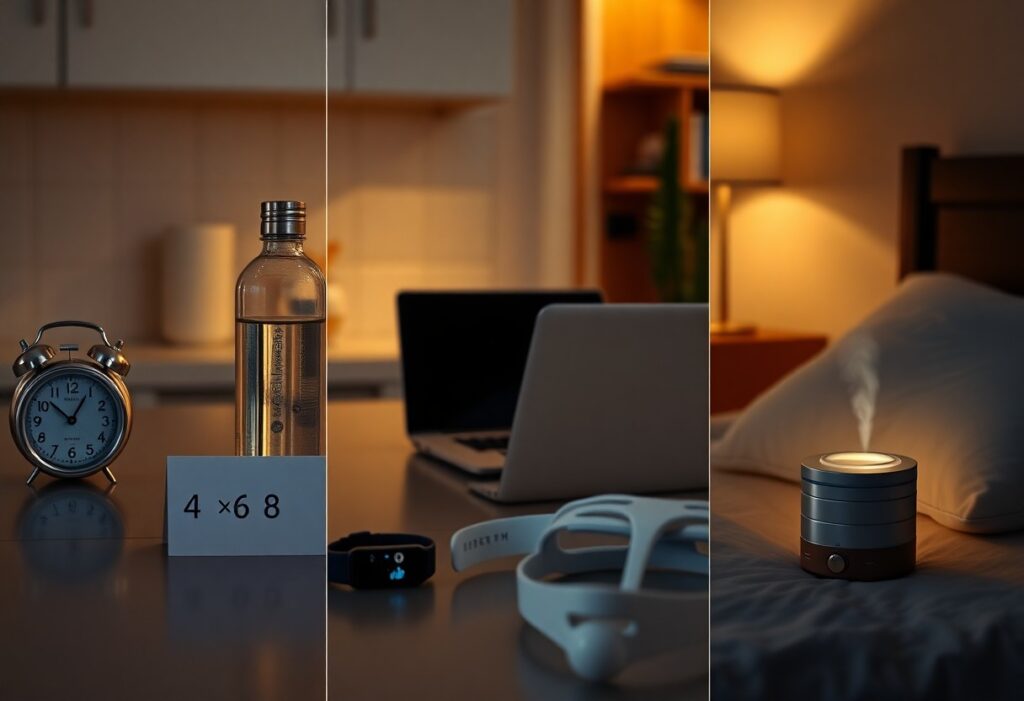
Breathing with intention throughout your day helps you reset quickly; this friendly guide shows how you can build a simple routine to avoid shallow breathing (which can worsen stress), practice safe techniques, and enjoy improved energy and reduced anxiety. With short morning, midday, evening practices and emphasis on daily consistency, you’ll have practical steps to calm your nervous system and feel better from sunrise to bedtime.
Morning Breathing Exercises
You should spend 5-10 minutes each morning on targeted breathing to set energy and focus; start seated or standing, practice diaphragmatic breathing, box breathing, and a paced 4-6 breaths/minute pattern. Try 3-5 minutes per technique, note that paced breathing raises heart-rate variability and alertness while avoiding rapid, shallow breaths that can cause lightheadedness.
Rise and Shine: Start Your Day Right
Within minutes of waking, sit upright and take five slow diaphragmatic breaths: inhale for 4 seconds, expand your belly, exhale for 6 seconds. Then add two gentle spinal twists and a 60-second standing breath-inhale through the nose, exhale long through the mouth. These steps take under 7 minutes and sharpen focus for the morning.
Energizing Breath Techniques
You can use techniques like box breathing (4-4-4-4), kapalabhati-style short exhales, and paced 4-6 breaths/minute to boost alertness; athletes often use 1-3 minute sets before performance. Begin with five box cycles, then try a 30-60 second brisk nasal breath set-stop if you feel dizzy and avoid vigorous patterns if you have high blood pressure.
For box breathing, inhale 4s, hold 4s, exhale 4s, hold 4s and repeat 5-8 times; you can track with a timer or app for consistency. For paced 4-6 breaths/minute, aim for a 5-minute session (inhale ~5s, exhale ~5s) to increase heart-rate variability and sharpen alertness. If New to breathing work, start with 1-2 minutes and build up; stop if you feel faint.

Midday Breathing Breaks
Slip short breathing pauses into your lunch or mid-afternoon slump: aim for 2-5 minutes of slow diaphragmatic breathing, targeting about 6 breaths per minute (5-second inhale, 5-second exhale) to boost HRV and focus. Try a single round of box breathing (4‑4‑4‑4) after a hectic meeting; lungs reset, cognitive fog lifts, and blood pressure often dips slightly. Avoid rapid, shallow breaths that can cause lightheadedness.
Quick Techniques for Busy Schedules
When time is tight, use micro-practices: a 30-60 second paced-breathing burst (6 slow belly breaths), one round of 4-7-8 to lower arousal, or 3 cycles of alternate nostril breathing between tasks. Use your phone’s timer or a smartwatch haptic to stay on track; doing two of these mini-breaks each workday can measurably reduce perceived stress by mid-afternoon.
Finding Calm Amidst Chaos
In noisy, unpredictable environments, anchor on a single extended exhale: inhale gently for 3-4 seconds, then exhale for 6-8 seconds to engage the parasympathetic system and drop heart rate. Pair breathing with a discreet grounding cue-pressing your thumb to a fingertip or naming one color in the room-to interrupt escalation. This method works on commutes, crowded offices, or during urgent calls.
To apply this reliably, follow a simple sequence: 1) Pause and place a hand on your abdomen; 2) take 6 slow breaths at ~6 breaths/min, emphasizing a longer exhale (exhale 1.5-2× inhale length) for 1-2 minutes; 3) use a 5‑4‑3 grounding check (name 5 things you see, 4 you can touch, 3 you hear) to reorient attention. Practicing this sequence three times weekly builds automaticity so you can calm in under two minutes when stress peaks. If you feel dizzy, stop and resume gentler breathing.
Evening Relaxation Breaths
As evening settles, you should shift into slower, longer breaths to downregulate your nervous system. Aim for 4-6 minutes of diaphragmatic breathing at about 6 breaths per minute (inhale 4s, exhale 6s) to engage the vagal response and improve heart-rate variability. Alternate resonance breathing, 4-7-8, or gentle abdominal breaths to reduce tension. If you notice rapid, shallow chest breathing, consciously lengthen the exhale to promote calm and ease the transition toward sleep.
Unwind After a Long Day
When you finish work, sit or lie down and spend 2-5 minutes on 4-7-8 breathing (inhale 4s, hold 7s, exhale 8s) to dissipate acute stress quickly. Pair this with a brief progressive muscle relaxation-tense for 5s, release-to unload stored tension in the shoulders and jaw. If your breath feels shallow, slow the exhale until you reach a comfortable 4-6 breaths per minute; most people report noticeable relaxation within 3-6 minutes.
Perfecting Your Nighttime Routine
To optimize sleep onset, you should create a consistent 10-15 minute breathing ritual: dim lights, silence devices 30-60 minutes before bed, then practice 5-10 minutes of slow diaphragmatic breathing (inhale 4-5s, exhale 6-8s). Lie with knees bent or sit upright, maintain gentle breaths, and avoid forcing depth. Consistency nightly strengthens the cue for sleep and makes the routine increasingly effective over weeks.
You can follow a practical 12-minute sequence: 1 minute grounding with slow nasal breaths and a body scan, 3 minutes of box breathing (4/4/4/4) to stabilize your rhythm, 5-6 minutes of 4-7-8 to deepen relaxation, then 2 minutes of mindful exhalation to release residual tension; set a gentle timer and avoid pushing breath depth. If you have asthma or heart conditions, consult a clinician before trying prolonged breath holds-avoid hyperventilation or forced breath holds-and track your sleep latency across 2-4 weeks to gauge improvement.

Breath Awareness Throughout the Day
Shift into frequent micro-checks: every 60-90 minutes take 30-90 seconds to sense your inhale, exhale, and posture, then use a 2-4 minute reset like 4-7-8 Breathing: How It Works, How to Do It, and More or box breathing (4-4-4-4) to calm the nervous system. Short, consistent practice (2-5 minutes) lowers perceived stress and heart rate by a few beats. If you feel dizzy or have respiratory issues, stop and consult your clinician. Consistency builds resilience.
Mindfulness and Breath Connection
When feelings spike, scan for tight shoulders or shallow chest breaths and anchor attention to the exhale for 3-5 minutes to shift physiology; brief mindful breathing can reduce perceived stress and shorten recovery time after a stressor. Practice a guided 5-minute body scan or count exhalations to five to reframe sensation as data rather than threat. Stay gentle-if breathing feels forced, soften the effort. Awareness maps sensation to action.
Tips for Staying Present
Set silent hourly cues, place visual prompts at your workspace, and use the 2-minute “ground and breathe” routine: inhale 3 counts, pause 1, exhale 4, repeat 6-8 times. Pair breaths with daily anchors-coffee, phone unlocks, doorway transitions-and choose discreet methods like a gentle vibrating reminder. If you experience lightheadedness, stop and breathe normally; consult your clinician for chronic breathing problems. Practicality trumps perfection.
- Hourly cues: silent alarms or calendar prompts for quick checks.
- Micro-resets: 1-3 minute diaphragmatic sets to drop tension.
- Posture checks: align spine and relax shoulders for fuller inhalations.
- Recognizing shallow breathing early lets you switch to a controlled exhale and prevent escalation.
You can weave short practices into daily anchors: breathe while waiting for the kettle, at red lights, or after meetings. Try a simple goal-two 2-minute resets and one 5-minute mindful breath per day-and scale up if helpful; many people find small, scheduled habits stick better than long sessions. Test techniques gently if you have asthma or panic disorder and stop if uncomfortable. Integration beats intensity for long-term change.
- Anchors: pair breaths with coffee, phone unlocks, or doorway transitions.
- Short practices: 2-6 breath resets you can do seated or standing.
- Tools: timers, apps, or a vibrating band for discreet reminders.
- Recognizing patterns across your day helps you schedule longer practices when stress tends to peak.
Incorporating Breathing into Your Fitness Routine
Integrate breathing cues into every session: take 3-5 deep diaphragmatic breaths before sets, use a consistent rhythm during cardio (try a 2:2 or 3:3 inhale:exhale cadence), and spend 60-90 seconds on slow, exhale-led recovery after intervals. You can train nasal breathing on easy days to build CO₂ tolerance and respiratory efficiency. Small, consistent breathing habits deliver measurable gains in recovery, focus, and workout quality.
Breathing Techniques for Exercise
Practice diaphragmatic breathing-inhale 2-3 seconds into the belly, exhale 3-4 seconds-so your core supports movement. On lifts, exhale through the concentric phase and avoid breath‑holding; performing a Valsalva without training can dangerously spike blood pressure. For running or cycling, match breath to cadence (e.g., inhale for two steps, exhale for two) and switch to quicker, shallower breaths only at maximal sprints to preserve oxygen delivery and reduce side stitches.
Enhancing Performance with Breath
Use inspiratory muscle training (IMT) 2-3 times weekly for 4-6 weeks-devices like POWERbreathe or threshold trainers provide measurable load-and combine with sport-specific breathing drills. Studies in athletes and recreational exercisers report average endurance gains around 5-10% and reduced breathlessness after IMT, especially in cycling and rowing cohorts.
Beyond IMT, implement practical protocols: warm up 10 minutes with nasal diaphragmatic breaths, perform intervals (for example, 6×2 minutes at threshold with a 2:2 rhythm and 90 seconds slow exhale recovery), then finish with 5 minutes of slow diaphragmatic breathing. You should monitor symptoms-if you feel lightheaded, dizzy, or have uncontrolled hypertension, stop and seek guidance; consult your clinician before high‑intensity breath training.
Tools and Resources for Your Breathing Journey
Build your toolkit with simple, evidence-backed items: a timer for 5-20 minute sessions, a supportive cushion, a nasal dilator if you mouth-breathe, and a practice log to track sleep, mood, and symptoms. You can add a pulse oximeter or metronome app to pace 4-6 breaths/min for HRV training. Combining tools boosts adherence-tracking increases practice consistency by ~30% in behavior studies. Avoid forced hyperventilation or long breath-holds without instruction.
Apps and Guides
You can use apps like Breathwrk, Breathe2Relax, Calm, Headspace, or the Wim Hof and Oxygen Advantage apps to structure 1-20 minute sessions with visual cues and paced tones; many offer presets for 4-6 breaths/min HRV work. You should start with 5-10 minutes daily for 2-4 weeks to notice anxiety, sleep, or focus improvements. For safety, do not attempt intense breath-hold or hyperventilation protocols alone if you have hypertension, heart disease, or a seizure history.
Recommended Reading
You can deepen your knowledge with James Nestor’s Breath (2020), which synthesizes decades of research and self-experiments, Patrick McKeown’s The Oxygen Advantage for practical CO2-tolerance and athletic drills, and Richard Brown & Patricia Gerbarg’s The Healing Power of the Breath for clinical sequences used in anxiety studies. Use these books to compare protocols and learn step-by-step exercises. If you have chronic lung disease, consult a clinician before major retraining.
You should focus on chapters covering nasal breathing, diaphragmatic technique, and paced respiration: Nestor cites dozens of studies and historical cases showing mouth-breathing’s impact on sleep and facial development, McKeown lays out reduced-breathing and control-pause exercises to raise CO2 tolerance used by some athletes, and Brown & Gerbarg provide clinical sequences tested for anxiety and PTSD. Start beginner exercises 5-10 minutes/day and consult primary references in each book as you progress. Stop if you feel faint and seek medical advice for concerning symptoms.
Summing up
On the whole you can build a gentle, effective breathing relief routine that supports your day from morning to night by choosing simple practices you enjoy, anchoring them to daily cues, and adjusting technique to suit stress levels and activities; with short morning energizers, midday resets, and calming evening breaths you’ll boost clarity, reduce tension, and sleep better, and over time your breath becomes a reliable tool you reach for whenever you need balance.
FAQ
Q: How do I build a breathing relief routine to follow from morning through night?
A: Start your day with 5-10 minutes of diaphragmatic breathing: sit or lie comfortably, place one hand on your belly, inhale through the nose for 4 seconds allowing the belly to rise, pause 1-2 seconds, exhale for 6 seconds through slightly pursed lips. Progress to a short energizing set (2-3 rounds) of box breathing (inhale 4, hold 4, exhale 4, hold 4) if you need focus. Midday, use 1-5 minute microbreaks: 4-4-4 box breathing or 6-count paced breathing (inhale 3-4, exhale 6-8) to downregulate stress. In the evening, practice 10-15 minutes of slow exhalation techniques-4-6-8 or the 4-7-8 pattern-and add progressive muscle relaxation synced with slow breaths to release tension. Before bed, use 10-15 minutes of guided breathing and body scan to lower arousal and prepare for sleep. Keep sessions brief but consistent; aim for two structured sessions (morning, evening) plus several short daytime resets.
Q: How long should each technique last, how often should I do them, and how will I know it’s working?
A: Begin with 5-10 minute structured sessions twice daily and add 30-120 second microbreaks whenever stressed. Typical timing: morning 5-10 min, midday resets 1-5 min every 2-4 hours or as needed, evening 10-20 min, bedtime 10-15 min. Track response by noting subjective stress, sleep quality, resting heart rate, and breathing ease over 2-4 weeks: improvements include slower resting breathing rate, fewer panic episodes, easier sleep onset, and reduced muscle tension. Keep a simple log (date, technique, duration, perceived stress before/after 0-10). If something feels worse (dizziness, increased anxiety, chest pain), stop and try a gentler pattern (slow nasal breathing with equal counts) or consult a clinician.
Q: What modifications or precautions should I use for health conditions like asthma, panic, pregnancy, or lung/cardiac disease?
A: For asthma/COPD: prioritize diaphragmatic and pursed-lip exhalation to improve airway emptying, avoid forceful rapid techniques, and coordinate breathing with inhaler use as advised by your clinician. For panic disorder: use grounding-paced breathing (short inhale, longer exhale, nasal breathing) and keep practice brief until tolerance builds; stop hyperventilating patterns. For pregnancy: favor gentle diaphragmatic work and side-lying relaxation in later trimesters; avoid breath-retention or forceful abdominal presses. For cardiovascular or significant pulmonary disease: consult your healthcare provider before starting new routines; use low-intensity, slow-breathing patterns and monitor for lightheadedness, chest pain, or marked shortness of breath. In all cases, stop if you experience severe dizziness, chest pain, fainting, or oxygen desaturation and seek urgent care. Use pacing, shorter sessions, and guided practices if you have mobility or balance limitations.

Medical Disclaimer
This article is for informational purposes only and is not a substitute for professional medical advice, diagnosis, or treatment. Always consult a qualified healthcare provider before starting, stopping, or changing any treatment, especially if you are pregnant, nursing, have a medical condition, or are taking medications. Never disregard professional medical advice or delay seeking it because of something you have read here. If you experience severe symptoms, allergic reactions, or think you may have a medical emergency, seek immediate care.
