
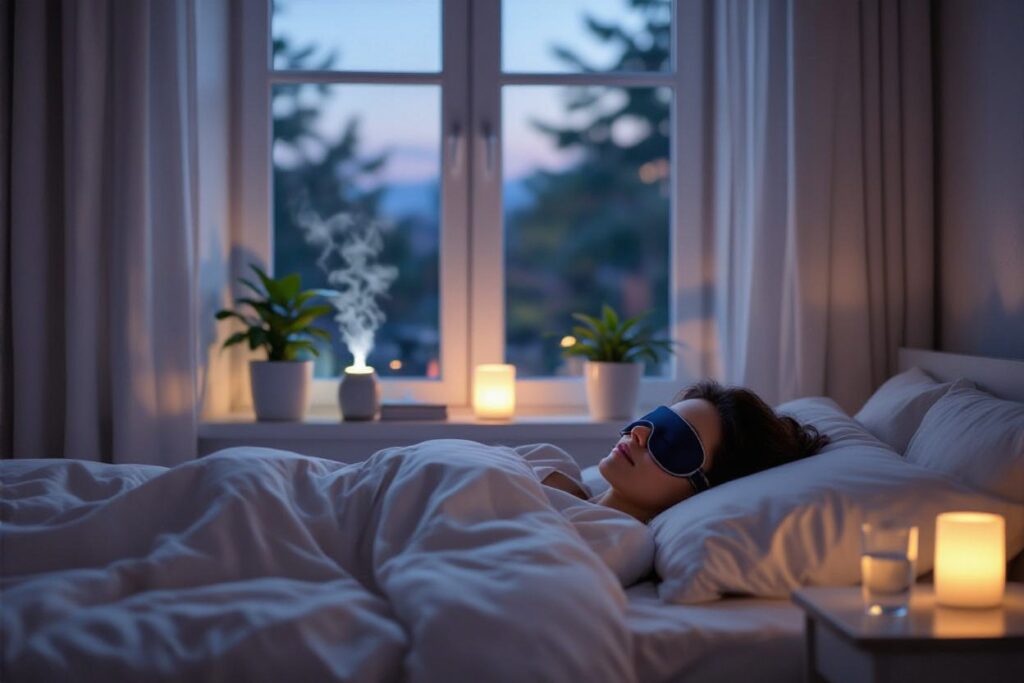
Most nights you may wake up short of breath, stuffed up, or gasping for air, and you want simple, natural ways to sleep better; this guide helps you identify common causes—from allergies and nasal congestion to sleep apnea and indoor air issues—and gives practical, at-home fixes and local tips so you can breathe easier overnight.
Common causes of poor nighttime breathing
You may struggle to breathe at night for many reasons: nasal congestion from allergies or a deviated septum, reactive airways or asthma, obstructive sleep apnea, acid reflux, elevated indoor pollutants, or body position and weight that restrict airflow.
Allergies and nasal congestion
If your nose is blocked you’ll mouth-breathe and feel worse. Try saline rinses, nightly shower steam, hypoallergenic bedding, washing sheets in hot water, and keeping pets out of the bedroom. Use a cool-mist humidifier to maintain 40–50% humidity and run a HEPA filter for dust and pollen.
Asthma and reactive airways
If you have asthma, nighttime symptoms can flare. Practice breathing exercises like diaphragmatic breathing, avoid triggers (smoke, strong scents), and keep rescue medication available. For persistent symptoms, contact your local clinic for a tailored plan.
Sleep apnea signs
If you snore loudly, wake gasping, or feel very sleepy by day, you may have obstructive sleep apnea. Try sleeping on your side, avoid alcohol before bed, lose excess weight, and see a local sleep specialist for testing and treatment options such as oral appliances or CPAP if advised.
Natural fixes you can try tonight
Elevate your head with an extra pillow, sleep on your side, use saline nasal spray before bed, inhale steam for five minutes, and sip warm ginger or peppermint tea to open airways. Reduce bedroom allergens by vacuuming with a HEPA vacuum and washing linens weekly. Consider an air purifier to cut particulate matter—buy now.
Breathing techniques and relaxation
Slow, nasal diaphragmatic breathing and progressive muscle relaxation lower airway resistance and ease panic-related breathlessness. Practice 5–10 minutes each night to calm your nervous system before sleep.
Improve indoor air quality in your area
Check your city’s air quality index and keep windows closed on high-pollution days. Reduce indoor VOCs by choosing low-VOC cleaners and paints, vent the bathroom and kitchen, and add houseplants that improve air (while monitoring for pollen if you’re allergic).
When to seek local medical help
If you experience choking, long pauses in breathing, daytime sleepiness that affects work or driving, bluish lips, or sudden worsening, seek urgent care or a sleep clinic in your city. For persistent allergy or asthma issues, book an appointment with a nearby allergist or pulmonologist for testing and personalized treatment.
Practical lifestyle changes for long-term improvement
Lose excess weight gradually, stop smoking, limit alcohol and sedatives near bedtime, and establish consistent sleep hours. Small local changes—joining a community fitness class or seeing a nearby dietitian—can improve breathing and sleep quality over time.
Use these steps to pinpoint triggers in your home and neighborhood, try natural remedies that fit your routine, and consult local health services when symptoms persist so you can sleep and breathe better every night.
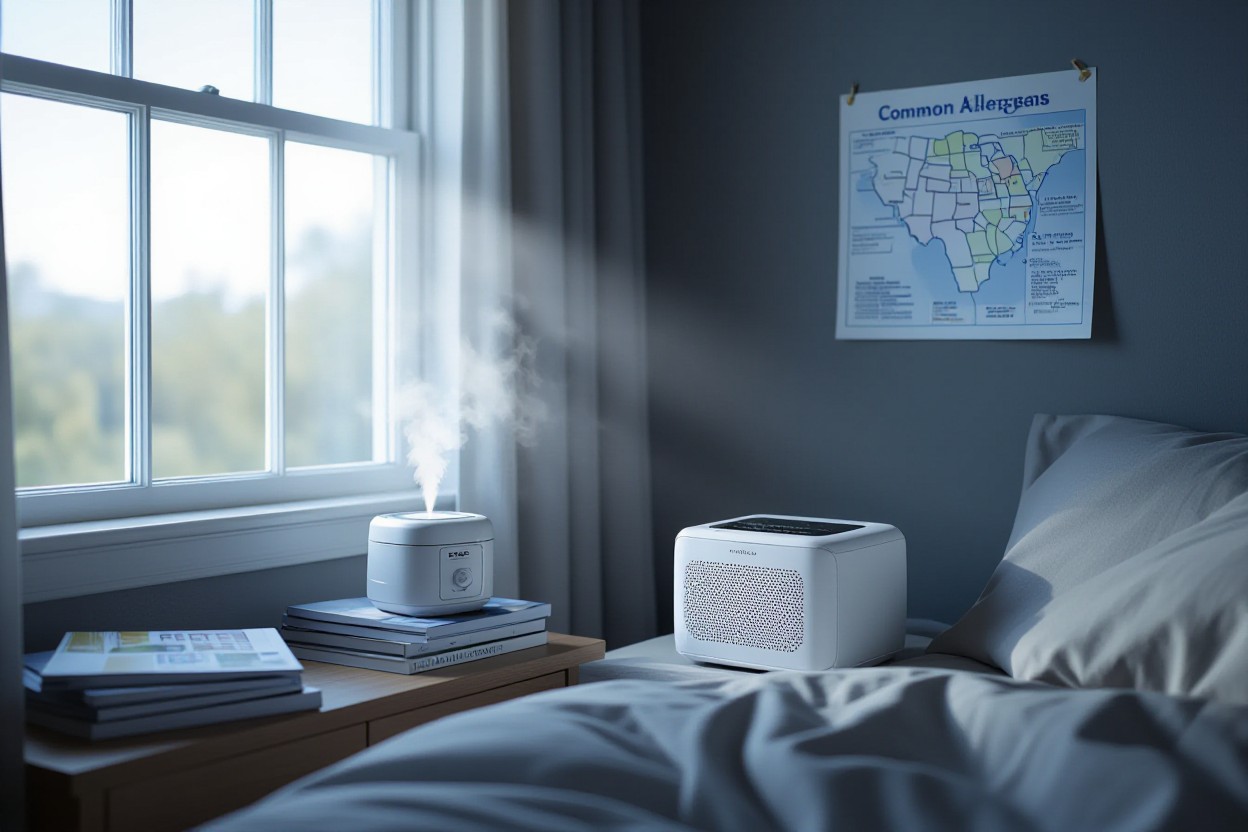
Common causes of nighttime breathing issues
Allergies and allergens
Allergic rhinitis affects roughly 10–30% of adults and often shows up at night as nasal congestion, sneezing, or postnasal drip. If you live in humid or urban areas, dust mites, mold, pollen and pet dander are frequent triggers; dust mites thrive in mattresses and pillows. Wash bedding weekly at 60°C, use allergen-proof covers, and run a HEPA air purifier (HEPA filters capture 99.97% of particles ≥0.3 μm) to reduce symptoms while you sleep.
Sleep position matters
Sleeping on your back increases airway collapse and makes snoring or obstructive events more likely; positional obstructive sleep apnea affects about half of people with OSA. You can reduce apneas by switching to your side, elevating your head 30–45° or using a wedge pillow—try a supportive wedge or adjustable base to see quick results (shop here).
More detailed changes to how you sleep often yield measurable benefits: studies show side sleeping can lower the apnea–hypopnea index by large margins in positional OSA, and elevating the torso helps both snoring and reflux-related congestion. Practical tactics you can try include positional therapy (a sewn tennis ball or a vibrating positional device), a contoured memory-foam pillow to keep the neck neutral, and avoiding overly high pillows that push the chin to the chest. Track your symptoms for 2–4 weeks and note reductions in snoring, daytime sleepiness, or morning congestion to judge what works Best for you.
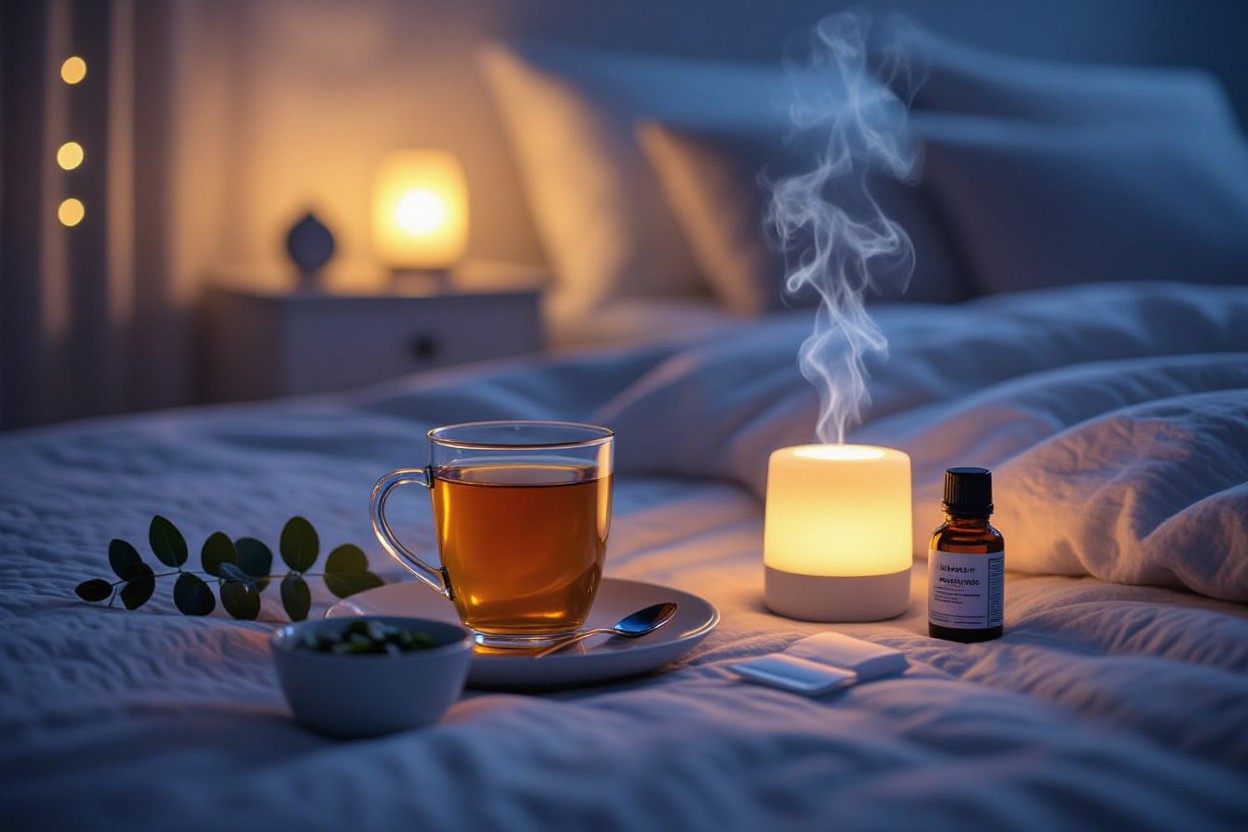
Natural remedies to improve nighttime breathing
Increase bedroom humidity to 40–50% and aim for 18–20°C, use steam inhalation for 5–10 minutes, and limit evening dairy if you notice thicker mucus; small changes like a saline rinse before bed (240 mL, isotonic) and keeping pillows elevated 10–15 cm often reduce nighttime congestion and awakenings within 1–2 weeks.
Herbal solutions
Use eucalyptus or peppermint aromatherapy sparingly (1–2 drops in a diffuser for 10–20 minutes) to open airways, drink chamomile or ginger tea (1 cup, steep 5–10 minutes) to calm inflammation, and try nettle or quercetin for allergy support; for clearer sinuses, consider a saline rinse with a certified kit such as the recommended nasal irrigation kit.
Breathing exercises
Practice diaphragmatic breathing 5–10 minutes nightly: inhale through your nose for 4 seconds, let your belly rise, exhale through your nose for 6 seconds, repeat 6 cycles per minute to slow breathing rate and improve oxygenation; many people notice less snoring and fewer arousals after 2–6 weeks of daily practice.
For more depth, lie on your back with one hand on chest and one on belly, complete 10 cycles (about 2 minutes) at 4s in/6s out, then progress to 3 sets with short rests; if lightheaded, shorten holds or reduce pace, and integrate Buteyko-style nasal breathing during the day to reinforce nasal airflow and reduce nocturnal mouth breathing.
Lifestyle changes for better sleep
Prioritize small, measurable changes: keep bedroom temperature at 18–20°C and humidity at 40–50%, avoid late alcohol and heavy meals, and try side-sleeping to reduce airway collapse; you can also explore step-by-step tips at 6 Ways to Get Sleep When You Can’t Breathe Through …. In many dry climates or heated winter homes, adding a humidifier improves nasal comfort — consider a reliable model to steady humidity and reduce awakenings.
Sleep hygiene tips
Set a consistent sleep-wake schedule and limit screens 60–90 minutes before bed to lower sympathetic arousal; reduce evening caffeine, keep daytime light exposure high, and use a dim, warm bedside lamp if you need to read. Recognizing small habits, like late-night snacking or inconsistent bedtimes, often yields the fastest improvements in nighttime breathing and sleep quality.
- Keep a regular bedtime and wake time, even on weekends
- Limit screens 60–90 minutes before sleep; use night mode earlier in the evening
- Elevate your head 10–15 cm with pillows or an adjustable wedge to ease nasal drainage
- Use saline nasal rinses 10–15 minutes before bed if you have congestion
Importance of humidity
Aim for 40–50% relative humidity to maintain mucosal moisture and optimize mucociliary clearance; lower humidity dries secretions, increasing nasal resistance and snoring, while levels above ~60% encourage dust mites and mold. If you live in a dry city or heated apartment, buy a humidifier that matches your room size and has a built-in hygrometer for control.
Measure humidity with an inexpensive hygrometer and adjust using a cool-mist or ultrasonic humidifier for bedrooms up to 30–40 m²; run it overnight in winter or when indoor RH drops below 35%. Clean tanks every 3–7 days, empty and refill daily, and use distilled water where mineral buildup is an issue. Keep RH under 55–60% to avoid mold growth; if you notice condensation on windows, reduce output or add ventilation. These steps lower nasal irritation, reduce crusting, and can cut nighttime awakenings by improving airway comfort.
When to seek medical attention
Warning signs
If you wake gasping, choke, or have witnessed pauses in breathing, see a clinician promptly; loud nightly snoring plus daytime sleepiness (Epworth score >10) raises concern. Blood pressure that’s hard to control, morning headaches, or falling asleep while driving are red flags. An apnea–hypopnea index (AHI) ≥5 on testing indicates sleep apnea, with ≥15 classified as moderate and ≥30 as severe—these numbers guide urgency and treatment.
Professional assessment
Your primary care doctor or a sleep specialist will triage symptoms and order testing; options include in-lab polysomnography (gold standard) or a home sleep apnea test (HSAT) for straightforward cases. Expect pulse oximetry, possible ENT evaluation for nasal/airway obstruction, and review of meds and comorbidities like BMI >30 or heart disease that raise risk. Local sleep centers in cities such as New York, London, or Toronto often have fast-track clinics.
More detailed assessment often involves an overnight lab study measuring brain waves, airflow, respiratory effort, and oxygen saturation to calculate AHI and guide therapy (CPAP, oral appliance, surgery). If your case is mild-to-moderate, your clinician may trial positional therapy, weight loss, or a mandibular advancement device; you can explore a tested oral option via sleep aid device after discussing suitability with your provider.
Why can’t you breathe properly at night?
You may struggle to breathe at night because of nasal congestion, allergies, sleep apnea, GERD, smoking, obesity, or the way you sleep; environmental factors like dry air, high altitude, or poor local air quality can make symptoms worse where you live. Identifying whether your airway is physically blocked, inflamed, or relaxed during sleep helps you choose natural fixes that actually work.
Common causes
Nasal blockage and allergies
Inflamed nasal passages from colds, seasonal allergies, or a deviated septum narrow your airway and force mouth breathing at night.
Sleep-disordered breathing
Obstructive sleep apnea and snoring happen when throat muscles collapse, reducing airflow and causing gasps or shallow breaths.
Environmental factors
Dry indoor air, high pollen counts, urban pollution, or high altitude lower nighttime airflow and irritate your airway.
How to fix it naturally
Improve your bedroom air
Use a humidifier to add moisture in dry climates or during winter; consider a HEPA filter if you live in a city with poor air quality. For convenient options, you can buy a basic humidifier buy here.
Clear your nose
Try saline nasal rinses, nasal strips, or a nasal dilator before bed to open airways. Treat allergies with local pollen forecasts and hypoallergenic bedding.
Change sleep habits
Sleep on your side, elevate your head with a pillow wedge, avoid alcohol and sedatives before bed, and stop late heavy meals to reduce reflux that can affect breathing.
Exercise and orofacial therapy
Lose excess weight if needed and practice breathing and tongue exercises (myofunctional therapy) to strengthen airway muscles and reduce collapses during sleep.
Local adjustments
Adapt these tips to where you live: increase humidity in arid regions, run air purifiers in polluted urban areas, and allow extra acclimation time at high altitude. Check local air quality and pollen levels to time outdoor activities and indoor ventilation.
When to seek professional help
If you gasp for air, experience excessive daytime sleepiness, or have loud, chronic snoring, get evaluated for sleep apnea and other medical causes. A clinician can recommend testing or treatments beyond natural approaches.
Final Words
Now you can try easy, natural steps—adjusting sleep position, using saline rinses and a humidifier, managing allergies, and improving local air quality—to breathe better at night; if symptoms persist or you have severe snoring or daytime sleepiness, seek medical evaluation to protect your sleep and health.

Medical Disclaimer
This article is for informational purposes only and is not a substitute for professional medical advice, diagnosis, or treatment. Always consult a qualified healthcare provider before starting, stopping, or changing any treatment, especially if you are pregnant, nursing, have a medical condition, or are taking medications. Never disregard professional medical advice or delay seeking it because of something you have read here. If you experience severe symptoms, allergic reactions, or think you may have a medical emergency, seek immediate care.
