
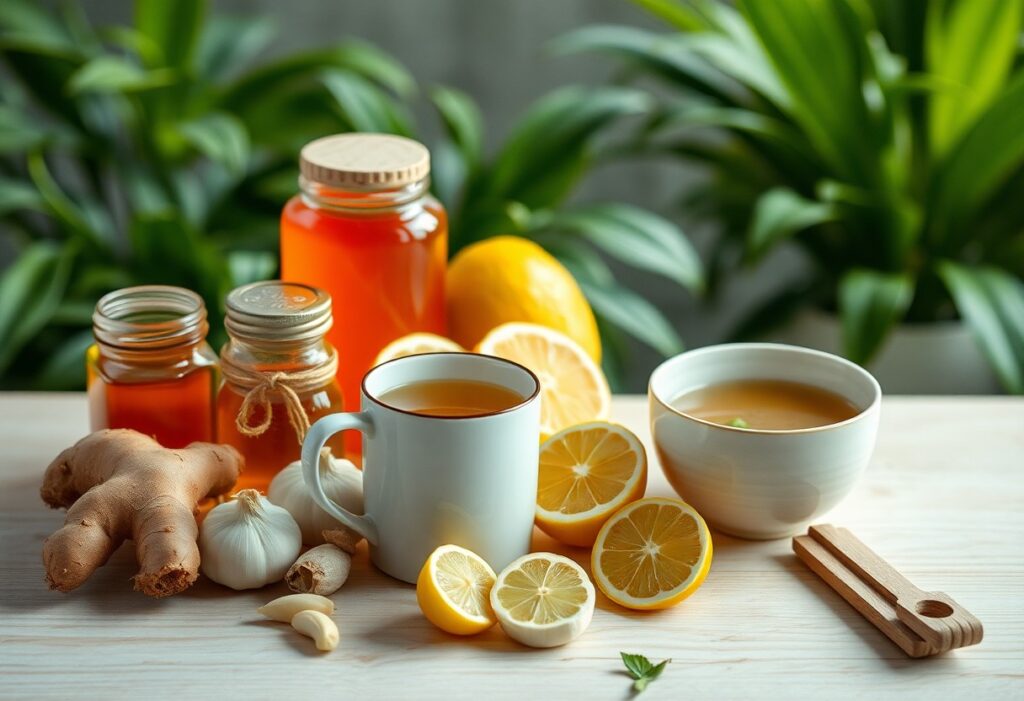
There’s nothing quite like the discomfort of a cold to slow you down, but you can take charge of your recovery! Understanding the symptoms and taking natural remedies can significantly shorten your downtime and get you back on your feet. From hydration to incorporating specific herbs, you’ll find effective strategies to alleviate your symptoms. By following these tips, you’ll not only feel better faster but also support your immune system, making you more resilient in the long run.
Understanding Colds
Colds are commonplace viral infections primarily caused by rhinoviruses. They usually present mild symptoms that may disrupt your daily routine but typically resolve within a week or two. Understanding how colds work can help you take preventative measures and manage symptoms more effectively. By recognizing the nuances of this illness, you can better navigate through your cold with natural remedies that boost your recovery.
Common Symptoms
You might experience a range of symptoms when you have a cold, including a runny or stuffy nose, sore throat, cough, sneezing, and fatigue. Mild headaches and muscle aches can accompany these, but generally, they are not severe. While inconvenient, these symptoms signal your body’s immune response to the viral infection.
Causes of Colds
Colds are primarily caused by viral infections, with over 200 different viruses contributing to them. These viruses often spread through respiratory droplets when an infected person coughs or sneezes, or through touching surfaces contaminated with the virus. Lack of sleep, stress, and exposure to cold weather can also weaken your immune system, making you more susceptible to infections.
The majority of colds stem from rhinovirus infections, accounting for about 30-50% of cases. While you might catch a cold at any age, children are particularly vulnerable due to their developing immune systems and closer communal interactions. Factors like poor hygiene, particularly in colder months when people are indoors, increase your risk of exposure. Engaging in preventive practices, such as frequent handwashing and avoiding close contact with sick individuals, can significantly reduce your likelihood of catching a cold.
Natural Remedies for Relief
Incorporating natural remedies can significantly ease your cold symptoms and help you feel more comfortable. You can take various approaches to bolster your immune system and relieve discomfort, such as including herbal teas in your daily routine, utilizing the soothing combination of honey and lemon, and ensuring proper hydration. These methods not only offer relief but also support your overall well-being during recovery.
Herbal Teas
Herbal teas such as ginger, chamomile, and peppermint can provide calming effects while alleviating cold symptoms. Ginger tea can help reduce inflammation and boost your circulation, while chamomile is known for its ability to promote relaxation and improve sleep quality. Peppermint tea acts as a natural decongestant, making it easier to breathe. Drinking these herbal teas increases your fluid intake, which is necessary for recovery.
Honey and Lemon
The blend of honey and lemon is a classic remedy for soothing sore throats and reducing cough. Honey has natural antibacterial properties and can coat your throat, providing immediate relief, while lemon adds vitamin C and helps cut through congestion. This powerful duo not only alleviates discomfort but also supplies necessary nutrients to support your immune response.
Mix a tablespoon of honey with the juice of half a lemon in warm water for a simple yet effective remedy. The antioxidants in honey can help fight inflammation, while the acidic properties of lemon promote mucus drainage, aiding in clearer airways. Consuming this remedy several times a day can help you feel better faster, providing both comfort and nourishment during your cold.
Nutrition Tips to Boost Immunity
Optimizing your nutrition is important for bolstering your immune system and speeding up recovery. Focus on consuming a balanced diet rich in vitamins, minerals, and antioxidants. These nutrients help fend off infections and maintain overall health. Incorporate foods such as leafy greens, citrus fruits, and nuts into your daily meals. Additionally, staying properly hydrated is vital. Assume that these dietary changes can significantly reduce the duration and severity of your cold symptoms.
Foods to Eat
To strengthen your immune system, prioritize foods high in vitamin C, such as oranges, kiwis, and bell peppers. Incorporate garlic, known for its antiviral properties, and consider adding probiotics from yogurt or fermented foods to support gut health. Including broth-based soups can also provide hydration and nutrients while easing congestion, making you feel better faster.
Foods to Avoid
Avoid processed foods that can increase inflammation, like refined sugars and trans fats. Smoking and excessive alcohol intake can compromise your immune response, making it harder for your body to combat infections. High-sodium foods can exacerbate dehydration and hinder recovery, so steer clear of fast food and packaged snacks during your cold.
Particularly, refined sugars found in desserts, sodas, and candy can significantly weaken your immune system. Studies show that high sugar intake can impair white blood cell function for hours, increasing your risk of prolonged illness. Additionally, foods high in unhealthy fats may contribute to inflammation, further complicating your recovery. Prioritizing whole, unprocessed foods is important for maintaining optimal health during a cold.
Rest and Recovery
Ensuring proper rest is crucial for your body to fend off a cold effectively. Prioritize sleep and allow your immune system to strengthen. For practical steps and guidelines, check out The Do’s and Don’ts of Easing Cold Symptoms. Aim for at least 7-8 hours of quality sleep each night and listen to your body’s signals, giving yourself permission to take breaks and relax.
Importance of Sleep
Adequate sleep is vital during a cold, as it allows your body to repair and regenerate. While you rest, your body produces cytokines, proteins that aid in fighting off infections. Studies show that lack of sleep can impair your immune response, making it harder for you to recover. Prioritizing sleep strengthens your defenses against the virus.
Relaxation Techniques
Incorporating relaxation techniques can significantly affect your recovery. Methods like deep breathing, meditation, or gentle yoga can reduce stress levels, promoting quicker healing. Lowering stress also aids in optimal immune function, allowing your body to focus on overcoming the cold.
Try practices such as mindfulness meditation, where you focus on your breath and let go of distractions. Engage in gentle stretching or light yoga routines to relieve tension. Additionally, consider deep breathing exercises, which can alleviate pressure in your chest and enhance overall relaxation. These methods not only relieve discomfort but can also improve your mood and support your recovery process.
Staying Hydrated
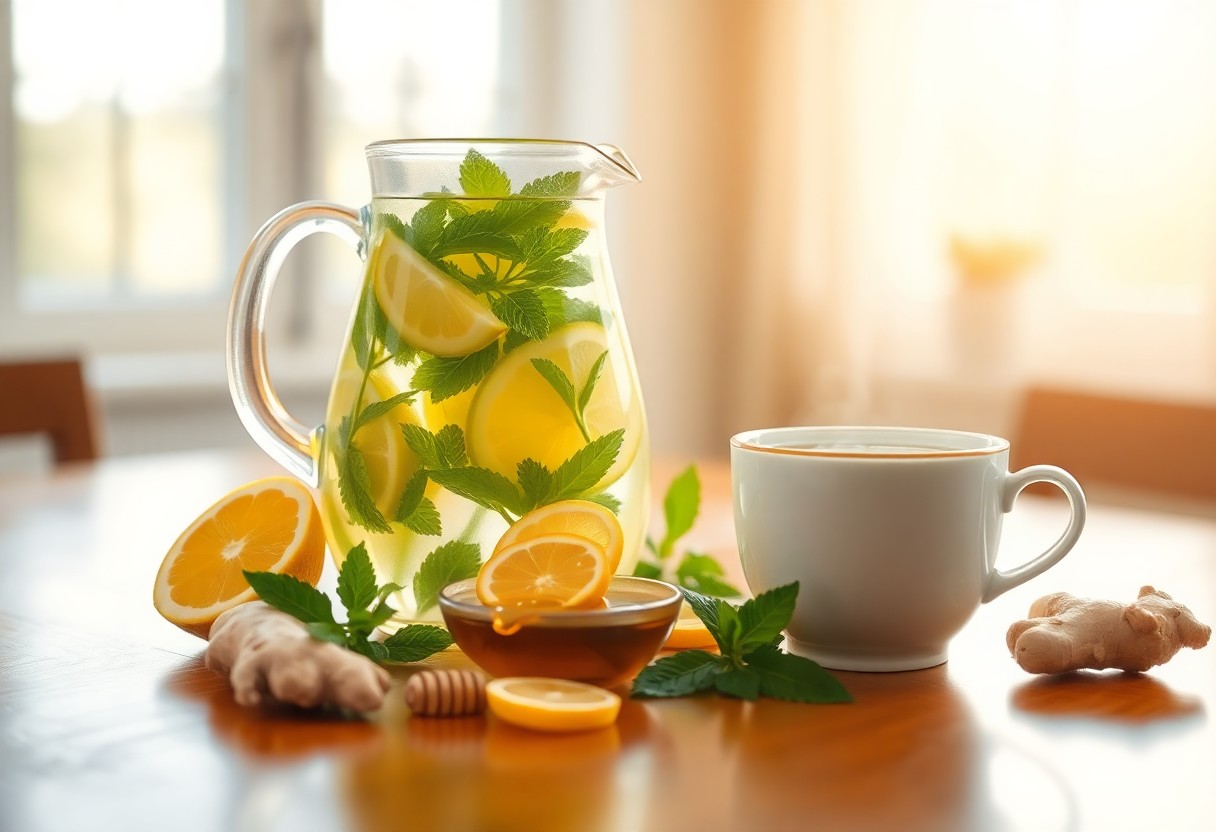
Maintaining hydration plays a vital role in your recovery from a cold. Water helps thin mucus, easing congestion and making it easier for your body to expel germs. Aim to sip on fluids consistently, as staying hydrated supports every system in your body, enhancing overall health and immunity.
Water and Electrolytes
Your hydration plan should include not just water but also electrolytes. Drinks like coconut water or sports drinks can help replenish lost minerals, especially if you have been sweating or have a fever. This balance of fluids and electrolytes keeps your body functioning optimally during illness.
Hydrating Foods
Incorporating hydrating foods into your diet boosts your fluid intake while providing necessary nutrients. Fruits and vegetables with high water content, such as cucumbers, oranges, and berries, can be incredibly beneficial. They not only nourish your body but also support your immune system.
Foods rich in water can be refreshing and beneficial. For instance, cucumbers are about 95% water, while watermelon contains roughly 92%. Incorporating soups, broths, and smoothies made from hydrating fruits and veggies offers not only hydration but also a delicious way to get necessary vitamins and minerals. Plus, these options can be easier to consume if you’re struggling with a sore throat. Aim to make these foods a regular part of your meals while you recover to help speed up your healing process.

Preventing Future Colds
To reduce your chances of catching a cold again, you must adopt effective prevention strategies. This involves practicing proper hygiene, maintaining a healthy lifestyle, and staying informed about seasonal illnesses. By incorporating these habits, you not only strengthen your immune system but also create an environment that minimizes the risk of viral infections.
Hygiene Practices
Good hygiene is your frontline defense against colds. Regularly washing your hands with soap and water for at least 20 seconds can eliminate viruses. When soap isn’t available, a hand sanitizer with at least 60% alcohol is effective. Avoid touching your face, especially your mouth, nose, and eyes, as this can transfer germs and contribute to infection.
Lifestyle Changes
Making specific lifestyle changes can significantly bolster your immune system. Prioritize getting 7-9 hours of quality sleep each night to enhance overall health. Eating a well-balanced diet rich in fruits and vegetables, particularly those high in vitamins C and D, supports your immune response. Regular physical activity, even if it’s just a brisk 30-minute walk most days, can improve circulation and immune function.
Moreover, managing stress through techniques such as meditation or yoga is beneficial for immunity. Chronic stress elevates cortisol levels, which can weaken your body’s defenses. Incorporating a variety of nutrient-dense foods, like nuts and seeds rich in zinc and omega-3 fatty acids, will provide necessary nutrients that further support your immune system. Staying hydrated is also important; aim for at least 8 glasses of water a day. These habits contribute significantly to a robust defense against future colds.
Final Words
Upon reflecting on these natural remedies, you can find effective ways to alleviate your cold symptoms and support your immune system. By incorporating hydration, nutritious foods, and herbal teas into your routine, you can boost your recovery without relying on medications. Focus on rest and listen to your body’s needs, which are necessary in helping you bounce back quicker. With these strategies, you’ll likely feel better and get back to your usual activities sooner.
FAQ
Q: What natural remedies can help shorten the duration of a cold?
A: Natural remedies such as echinacea, elderberry, and zinc supplementation can potentially shorten the duration of a cold. Drinking plenty of fluids, consuming chicken soup, and using herbal teas with ingredients like ginger and honey also provide relief and hydration, which support the body’s healing process.
Q: How does hydration impact recovery from a cold?
A: Staying hydrated is crucial when recovering from a cold. Fluids help thin mucus, relieve congestion, and prevent dehydration. Warm liquids, such as herbal teas and broth, can soothe the throat and provide comfort while supporting overall immune function.
Q: Are there specific foods that can boost my immune system during a cold?
A: Yes, foods rich in vitamin C, such as citrus fruits, bell peppers, and broccoli, can enhance immune response. Additionally, garlic, ginger, and turmeric have anti-inflammatory properties that may help combat cold symptoms. Probiotic-rich foods like yogurt can also support gut health and overall immunity.

Medical Disclaimer
This article is for informational purposes only and is not a substitute for professional medical advice, diagnosis, or treatment. Always consult a qualified healthcare provider before starting, stopping, or changing any treatment, especially if you are pregnant, nursing, have a medical condition, or are taking medications. Never disregard professional medical advice or delay seeking it because of something you have read here. If you experience severe symptoms, allergic reactions, or think you may have a medical emergency, seek immediate care.
