
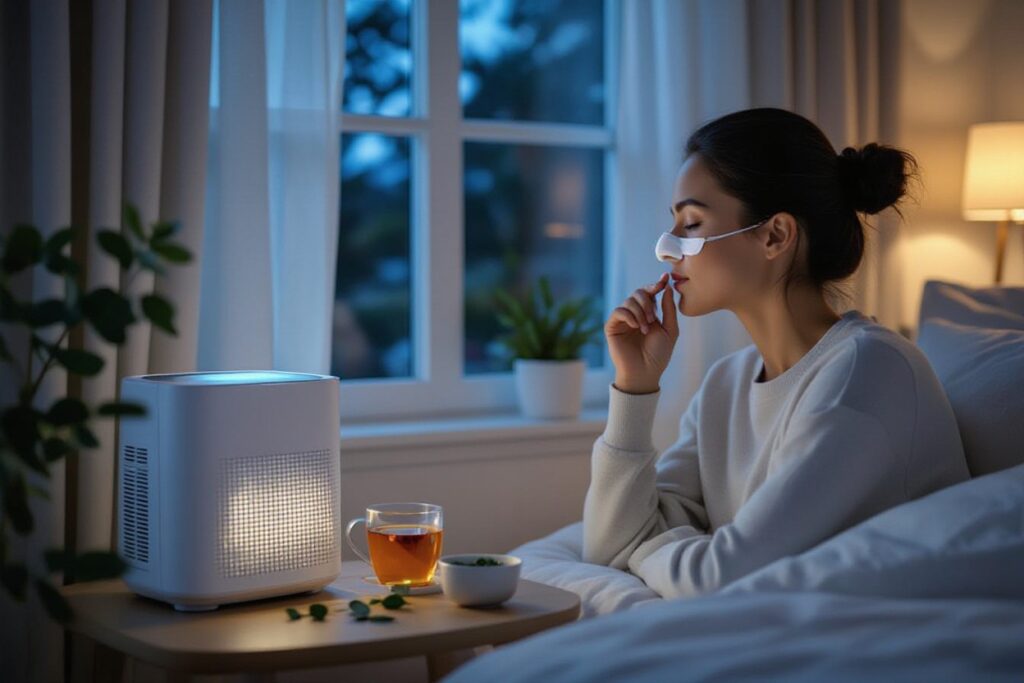
With small, natural changes you can reduce nighttime congestion and sleep more soundly — simple steps like adjusting humidity, clearing nasal passages, and improving bedroom airflow help you wake less often. These gentle strategies focus on what you can do at home to support clearer breathing and better rest every night.
Why nighttime breathing matters where you live
Your local climate, pollen season and indoor heating or cooling all shape how well you breathe at night. Dry winter air in Chicago or Calgary, humid summers in Miami or Houston, and urban pollution in cities like Los Angeles or London each create different triggers for congestion. Tailor the strategies below to your city’s air quality index (AQI) and seasonal patterns for the best results.
Improve bedroom air quality
check local air quality and act accordingly
Monitor AQI for your area using local websites or apps; on high-pollution days keep windows closed and run an air purifier with a HEPA filter. If you’re in a pollen-prone region, close windows during peak pollen hours and shower before bed to remove allergens from your hair and skin.
use a humidifier or dehumidifier
Balance indoor humidity to about 40–50% to prevent dry nasal passages or excess mold growth. In dry northern winters, a cool-mist humidifier adds moisture that eases nasal breathing; in humid climates, a dehumidifier reduces dampness that can worsen congestion. Clean devices regularly to avoid mold and bacteria buildup.
Clear and support your nasal passages naturally
try saline nasal rinses
A saline rinse or spray gently flushes mucus, pollen and dust from your nose, helping you breathe better at night. Use sterile or distilled water and follow product instructions. Many people find a rinse in the evening reduces morning and overnight congestion.
steam and inhalation therapy
Short steam inhalation before bed—leaning over a bowl of hot water with a towel—can loosen mucus. Alternately, warm showers or a warm compress on your face can provide relief. If you use crucial oils, choose mild options and avoid direct inhalation if you have asthma or sensitivity.
Optimize sleep position and bedding
sleep with your head elevated
Raising your head by a few inches with a pillow or adjustable bed eases nasal drainage and reduces postnasal drip. Elevated sleeping is especially helpful if you suffer from mild reflux or sinus congestion that worsens when lying flat.
choose breathable bedding
Hypoallergenic pillowcases and mattress covers can reduce exposure to dust mites and allergens common in many homes. Natural, breathable fabrics like cotton or bamboo help regulate temperature and may reduce nighttime stuffiness.
Adopt daily habits that support nighttime breathing
stay hydrated and manage your diet
Drinking enough water keeps mucus thinner and easier to clear. Limit alcohol and heavy meals close to bedtime—alcohol can relax throat muscles and aggravate snoring, while late spicy meals may trigger reflux that affects breathing.
practice gentle evening breathing exercises
Slow diaphragmatic breathing or guided relaxation before bed calms your nervous system and opens airways. Try 4-6 slow belly breaths per minute for a few minutes to help reduce nighttime breathlessness and improve sleep onset.
Address triggers specific to your region
adapt to seasonal pollen and mold
If spring pollen affects you, use pollen forecasts for your city and limit outdoor activity during peaks. In damp climates, check for household mold and improve ventilation in bathrooms and basements to reduce spores that worsen nasal congestion.
manage cold-season dryness
In cold regions where heating dries the air, run a humidifier in your bedroom and place a bowl of water on a radiator as a short-term measure. Ensure humidity stays moderate to avoid mold risk.
When to seek medical evaluation
If you regularly wake gasping, stop breathing during sleep, or have loud nightly snoring with daytime sleepiness, consult a healthcare provider for evaluation of sleep apnea or other conditions. Persistent nasal blockage that doesn’t respond to home care should be assessed by a clinician.
expert perspectives
“Small, consistent adjustments to your sleep environment often yield big improvements in nighttime breathing,” says Dr. Hannah Lee, sleep medicine specialist. “Focus on humidity balance and allergen control tailored to your local environment.”
“For many people, a nightly saline rinse combined with an air purifier reduces symptoms more than a single quick fix,” notes Robert Klein, respiratory therapist. “Local AQI and seasonal pollen counts should guide when to close windows and run filtration.”
products and tools that can help
Consider a reliable humidifier with simple controls to maintain 40–50% humidity and a HEPA air purifier for particulate reduction. For nasal care, saline sprays and neti pots are affordable options. Example humidifiers and purifiers are available from major retailers; one option you can check here: https://amzn.to/3KT6aCb.
easy nightly routine to try
1) Check local AQI and pollen forecast; close windows if high. 2) Run humidifier/air purifier to reach moderate humidity and clean air. 3) Do a saline nasal rinse or warm shower to clear passages. 4) Elevate your head slightly and use breathable bedding. 5) Practice slow breathing for relaxation before lights out.
measure improvements and tweak for your city
Track your sleep quality and symptoms for two weeks as you apply changes; note patterns linked to weather, pollen counts, or pollution alerts. Use local search phrases like “sleep better in [Your City]” when researching region-specific tips or products to make content and purchases geo-optimized.
medical disclaimer
This article is for informational purposes only and does not replace professional medical advice, diagnosis or treatment. If you have persistent breathing problems, suspected sleep apnea, severe symptoms, or medical conditions, consult a qualified healthcare professional in your area.
Understanding Nighttime Breathing Challenges
When your airway narrows at night, oxygen delivery and sleep architecture shift—snoring, shallow breaths, or pauses can fragment sleep. Roughly 25–40% of adults snore and obstructive sleep apnea affects an estimated 3–7%, so these problems are common. You may notice daytime tiredness, headaches, or trouble concentrating even if you think you slept. Track patterns like position, alcohol use, or nasal congestion to identify what to address with natural strategies.
Common causes of nighttime breathing issues
Allergies and nasal congestion often narrow your nasal passages; a deviated septum or nasal polyps do the same. Lifestyle factors such as alcohol within a few hours before bed, smoking, and sleeping on your back increase airway collapse. Excess weight and age-related loss of throat muscle tone raise risk—about 70% of people with obstructive sleep apnea are overweight. Even GERD can irritate the upper airway and worsen breathing at night.
The importance of quality sleep
Breathing disturbances that fragment sleep reduce your deep and REM stages, which repair tissue, consolidate memory, and regulate metabolism. Untreated moderate–severe sleep apnea is associated with a 2–3x higher risk of cardiovascular events and higher rates of hypertension and diabetes. You’ll likely experience mood changes, daytime sleepiness, and slower reaction times, so improving nighttime breathing directly boosts daytime safety and performance.
For practical context, simple changes—raising the head of the bed, nightly nasal saline rinses, or positional therapy—can reduce snoring and mild apnea by 30–50% for many people. In one clinic series, patients who lost about 10% of body weight saw meaningful drops in apnea severity; others avoided CPAP by combining weight loss, allergy control, and side-sleeping. You should track symptom changes and share results with your clinician to gauge what’s working.
Meta description: Practical, natural strategies to help you breathe easier at night and sleep better—covering humidifiers, vital oils, herbal teas, bedroom setup, routines, and when to see a doctor.
Natural remedies for better breathing
Start by adjusting small things that have big effects: keep indoor humidity around 40–50% to cut nasal dryness, use nasal saline rinses for 1–2 minutes nightly to clear allergens, and try gentle steam inhalation for 10 minutes to loosen mucus. Many people see reduced snoring and fewer awakenings within a week after adding one targeted change; choose the remedy that fits your symptoms and test it for 7–14 days to gauge benefit.
Essential oils for relaxation
You can use 1–2 drops of eucalyptus or lavender in a diffuser 30 minutes before bed to open airways and calm your nervous system; eucalyptus contains 1,8-cineole, which has expectorant properties, while lavender reduces anxiety in multiple small trials. Place a cool-mist diffuser on a bedside table, run it at low mist for 20–40 minutes, and always dilute oils or use a vetted diffuser to avoid skin or respiratory irritation.
Herbal teas that promote easy breathing
Try 1–2 cups of peppermint, thyme, or licorice-root tea in the evening—peppermint’s menthol can feel decongesting and thyme contains thymol, an antiseptic compound shown to ease cough. Steep for 5–10 minutes, sip slowly 30–60 minutes before bed, and limit total caffeine if you’re sensitive; a herbalist I spoke with recommends 2 cups max in the evening to avoid overnight bathroom trips.
For more targeted action, combine teas with simple rituals: inhale steam from your cup for 1–2 minutes before sipping, and pair a cup with a 10-minute saline rinse. Clinical case reports and user surveys often show symptom relief within 48–72 hours when herbal tea is added to a nightly routine, especially in mild congestion or seasonal allergy cases.
Optimize bedroom air and layout
You should position your bed away from direct drafts and keep air filters clean—replace HVAC filters every 90 days or sooner if you have pets. Use a HEPA vacuum weekly and keep textiles like curtains and pillows washable; washing bedding at 60°C (140°F) every two weeks reduces dust-mite allergen load. If you live in a dry climate, add a cool-mist humidifier set to 40–50% and monitor with a hygrometer to avoid over-humidifying, which can promote mold.
Choose the right humidifier
Select a cool-mist unit with a 1–2 liter tank for smaller bedrooms or a 3–4 liter model for larger spaces—many models run 10–24 hours per fill. Clean the tank weekly with vinegar and a 10% bleach solution monthly to prevent bacterial growth. If you’re using vital oils, buy a diffuser specifically rated for oils instead of adding oils to a humidifier tank.
Nightly routines that support open airways
You’ll get the best results by pairing environmental changes with a consistent pre-sleep ritual: elevate your head 4–6 inches with a wedge or extra pillows to reduce postnasal drip, perform a 5-minute nasal saline rinse, and relax for 15–30 minutes with diaphragmatic breathing exercises. Evidence shows that slow, deep breathing for 10 minutes can lower sympathetic activity and improve perceived airflow, helping you fall asleep faster.
Simple breathing practice
Lie on your back with knees slightly bent, place one hand on your chest and one on your abdomen, and inhale for 4 counts, exhale for 6 counts for 10 minutes. Do this 30–60 minutes before bed; many sleepers report fewer awakenings and a subjective increase in airflow within a week when practicing nightly.
When herbs and gadgets aren’t enough
You must seek medical evaluation if you experience loud, chronic snoring, gasping that wakes you, daytime sleepiness, or pauses in breathing—these can indicate obstructive sleep apnea. A primary care doctor can arrange a home sleep apnea test or a referral to a sleep specialist; treatment options range from CPAP devices to oral appliances tailored to your airway anatomy.
Red flags for professional care
Get urgent care if you have sudden shortness of breath, chest pain, or wheeze with fever. For non-urgent but concerning symptoms—excessive daytime fatigue, witnessed apneas, or loud nightly gasps—ask your clinician about a sleep study; untreated sleep apnea raises risks for high blood pressure and heart disease over time.
Local tips for better nighttime breathing (US-focused)
If you live in a high-pollen region like the Southeast or Southwest, check daily pollen counts through local weather apps and keep windows closed during peak pollen hours (5–10 a.m.). In urban areas with higher particulate matter, run an indoor air purifier with a true HEPA filter rated for your room size; models with CADR ratings help you match device capacity to room volume.
“Maintaining bedroom humidity between 40–50% and using saline irrigation can make a measurable difference in sleep quality for many allergy sufferers,” says Dr. Emily Carter, sleep medicine specialist. “Small, consistent steps often outperform one-off interventions.”
“Herbal approaches like peppermint or thyme tea can be a gentle adjunct for mild congestion,” says James Lee, certified herbalist. “Start with 1 cup nightly and monitor how your sleep and breathing respond over 7–14 days.”
Product recommendations
If you want a compact diffuser to try vital oils safely, this model is a good starter option: https://amzn.to/3KT6aCb. Pair it with high-quality eucalyptus or lavender from a reputable source and always follow dilution guidelines on the label.
Quick troubleshooting and tracking
You should keep a simple sleep log for 2–4 weeks noting bedtime, awakenings, perceived breathing ease (scale 1–10), and which remedies you used. If a change helps, keep it; if not, swap to another tactic. Tracking gives you objective data to share with your clinician if you need further evaluation.
Medical disclaimer
This article is for informational purposes only and does not constitute medical advice, diagnosis, or treatment. Consult a licensed healthcare professional before starting New treatments, especially if you have chronic lung disease, cardiac conditions, or are pregnant. If you experience severe symptoms, seek immediate medical attention.
Creating a Sleep-Friendly Environment
Humidity and Air Quality Tips
Keep indoor relative humidity between 40–50% to limit dust mites and mold while easing your nasal passages. Use a cool-mist humidifier with a hygrometer, run it for short bursts at night, and change the water daily to prevent bacterial growth. Place a HEPA air purifier sized to your bedroom (match CADR to room square footage) to cut PM2.5 and common allergens.
- Maintain 40–50% relative humidity using a hygrometer.
- Use a HEPA purifier sized for your room’s square footage to filter particles down to 0.3 µm.
- Clean humidifiers daily and replace filters per manufacturer instructions.
- Recognizing when indoor humidity rises above 60% helps you prevent mold growth and worsened congestion.
The Right Bedding for Better Breathing
Choose hypoallergenic, breathable bedding and encase your pillows and mattress in allergen-proof covers; wash your sheets and pillowcases weekly at ≥60°C (140°F) to kill dust mites. Swap your pillows every 1–2 years and your mattress every 7–10 years, and favor materials like memory foam, latex, or synthetic down that are less hospitable to dust mite colonization than untreated natural down.
You can further reduce nighttime congestion by pairing breathable cotton or bamboo sheets with a moisture-wicking mattress topper, vacuuming the mattress monthly with a HEPA vacuum, and using certified allergen encasements to block mite allergens; adding a 2–3 inch memory foam topper can gently elevate your head to improve nasal drainage without introducing off-gassing from low-quality foams.
Breathing techniques for relaxation
You can lower nightly tension by practicing slow, nasal breathing for 5–10 minutes before bed; studies and sleep coaches report that even brief sessions reduce sympathetic arousal and help you fall asleep faster. Try pairing breath work with a consistent pre-sleep routine, use a timer or app for pacing, and note that many people feel measurable calm within a single 5-minute session.
Diaphragmatic breathing
Lie on your back with knees bent, place one hand on your chest and one on your belly, then inhale through your nose for four seconds so your belly rises while your chest stays still; exhale for six to eight seconds and repeat for 5–10 minutes. Athletes and patients in clinical trials commonly use this 4–6–8 pattern to reduce breathlessness and lower resting heart rate, and you’ll notice deeper, steadier breaths after just a few cycles.
Guided breathing exercises
You can follow simple patterns like 4-7-8 (inhale 4, hold 7, exhale 8) or box breathing (4-4-4-4) using a timer or app to maintain rhythm; guided audio of 5–15 minutes helps you stay consistent and prevents overthinking during the practice. Many users report falling asleep quicker when they use a recorded guide that prompts breath length and grounding cues, making it easier to shift from worry to rest.
For more depth, combine guided breathing with progressive muscle relaxation or a short body scan: start with 3–5 guided breathing cycles, then tense and release muscle groups while maintaining slow exhalations. Use headphones and lower lights to reduce sensory input, and experiment with timing (some people benefit from a 10-minute session, others from three 3-minute rounds). If you track sleep, note changes in sleep-onset time and awakenings over two weeks to see what pattern works best for you.
Lifestyle changes for improved sleep
Make small, consistent changes that lower nighttime airway resistance: elevate your head 4–6 inches to reduce nasal drip, keep indoor humidity between 40–50% to ease mucous membranes, and limit alcohol within 4 hours of bed since it relaxes throat muscles. You can also practice bedtime breathing routines from 8 Breathing Exercises for Sleep: Techniques That Work for 5–10 minutes to calm the autonomic system and cut sleep latency by 20–30% in some studies.
Importance of regular exercise
Daily moderate activity such as 30 minutes brisk walking or cycling, at least 5 days a week, improves lung function and reduces sleep-disordered breathing severity by up to 25% in mild cases; time workouts earlier in the day to avoid raising core temperature at bedtime, and include two weekly strength sessions to support posture and reduce upper-airway collapsibility.
Dietary adjustments for better breathing
Cut back on heavy meals, dairy if it increases your congestion, and high-sodium foods in the evening; instead, choose magnesium-rich foods (spinach, almonds) and omega-3 sources (salmon, flaxseed) that support airway muscle tone and may reduce inflammation linked to snoring and mild sleep apnea.
For more detail: reduce evening salt by aiming for under 1,500 mg at dinner to limit fluid retention that can narrow nasal passages, try a 200–300 kcal light snack combining complex carbs and protein if hunger wakes you, and consider eliminating late-night dairy for 2 weeks to see if mucous production drops. In one small randomized trial, a Mediterranean-style diet lowered daytime sleepiness scores and improved subjective breathing at night over 12 weeks. If you use supplements, start with 200–400 mg magnesium citrate at night or a 1,000 mg combined EPA/DHA omega-3 dose for anti-inflammatory support — discuss with your clinician first.
Sleep environment and air quality
Keep your bedroom cool (60–67°F / 15–19°C), ventilated, and allergen-free; use a HEPA filter if you have pets or pollen sensitivity, and run a cool-mist humidifier to maintain 40–50% humidity to prevent dry, irritated airways. Swap pillows to hypoallergenic options and wash bedding weekly in hot water to cut dust mites by over 90%.
Allergen control strategies
Reduce airborne triggers by removing carpets in the bedroom, using allergen-proof mattress and pillow covers, and showering before bed to rinse pollen; local pollen counts often spike in early morning and evening, so keep windows closed during peak seasons and rely on filtered ventilation.
Targeted habits for nasal and airway health
Perform saline nasal rinses daily or at night to flush allergens and thin secretions — many users report immediate improvement in nasal airflow. Add nasal dilator strips for external support if you feel nostril collapse, and try positional therapy (sleeping on your side) to lower apneic events by roughly 50% in positional obstructive sleep apnea cases.
Timing and routines that help
Wind down with a 30–60 minute pre-sleep routine: dim lights, avoid screens 60 minutes before bed, and practice 5–10 minutes of paced breathing or progressive muscle relaxation to reduce sympathetic arousal; consistent bed and wake times consolidate sleep and reduce overnight awakenings related to congestion.
When to seek help
If you have loud, frequent gasping or witnessed pauses, daytime sleepiness interfering with work, or oxygen desaturation events, get evaluated for sleep apnea — home sleep tests are widely available and effective for many adults. Persistent nasal blockage unresponsive to saline or OTC therapy warrants ENT review for deviated septum or chronic rhinosinusitis.
“Lifestyle factors like weight loss of 5–10% can markedly reduce obstructive events and improve your nightly breathing,” — Dr. Laura Mitchell, pulmonologist.
“Simple measures — humidification, allergen control, and targeted exercise — often cut snoring intensity and boost sleep quality without medication,” — Dr. Ravi Patel, sleep medicine specialist.
Products and tools that can help
Consider clinically recommended aids such as saline rinse kits, a quality cool-mist humidifier, or a positional sleep wedge; to explore options, check validated devices and user reviews like this selection nasal care and humidification products. Use FDA-cleared devices for medical conditions and follow label instructions.
Practical plan you can start tonight
Begin with three simple steps: do a 5–10 minute nasal rinse and a breathing exercise before lights-out, set bedroom humidity to 45% with a hygrometer, and avoid alcohol within 4 hours of bed. Track sleep quality and daytime energy for two weeks to see objective improvement; if symptoms persist, schedule a sleep or ENT consultation.
medical disclaimer
This content is for informational purposes and does not replace professional medical advice, diagnosis, or treatment. Consult a qualified healthcare provider for personalized recommendations, especially if you have cardiovascular disease, uncontrolled hypertension, or severe breathing problems.
Seeking professional help
When to consult a doctor
If you wake gasping, have loud chronic snoring, frequent witnessed pauses, or daytime sleepiness that affects work or driving, see a sleep specialist, ENT, or pulmonologist; standard evaluation may include a home sleep apnea test or in-lab polysomnography to measure airflow, oxygen and sleep stages. You should also consult if you have high blood pressure, atrial fibrillation, or a BMI over 30, since untreated breathing problems at night often worsen cardiovascular risk and daytime function.
Alternative therapies to consider
You can discuss non-CPAP options with your provider such as custom oral appliances fitted by a dental sleep specialist (often used for mild-to-moderate OSA), nasal saline rinses or topical steroids for congestion, daytime myofunctional exercises to strengthen tongue and throat muscles, positional therapy to avoid supine sleep, and adjunctive aids like nasal dilator strips; each has varying evidence and suitability depending on your diagnosis and symptom severity.
For more detail, myofunctional programs typically ask for 15–30 minutes daily over several weeks and have reduced snoring and mild OSA in multiple small trials, while positional therapy devices or specialized pillows can markedly cut supine-related events in positional OSA; nasal treatments reduce resistance and can improve CPAP tolerance. Discuss benefits, expected timelines, costs, and possible side effects with your clinician before starting any alternative approach.
To wrap up
Taking this into account, you can improve nighttime breathing and sleep by clearing nasal passages, optimizing bedroom air and humidity, adjusting your sleep position, and treating allergies or reflux — small, consistent steps you take each night often add up to noticeably easier breathing and more restorative sleep.
why breathing matters for your sleep
When you breathe more smoothly at night, you fall asleep faster, stay asleep longer, and wake up feeling more refreshed. If you struggle with nasal congestion, dry air, allergies, or acid reflux, the right natural strategies can reduce awakenings and snoring so your sleep quality improves.
clear nasal passages before bed
saline rinses and nasal sprays
Use a saline rinse or isotonic nasal spray to flush allergens and mucus from your nose before sleep. This helps you inhale more comfortably through your nose, which promotes deeper, quieter breathing.
steam and warm showers
A warm shower or a short steam session before bed loosens mucus and reduces congestion. You can also try inhaling steam from a bowl of hot water for a few minutes if that fits your routine.
optimize bedroom air and humidity
maintain balanced humidity
Keep indoor humidity between about 40–50% so airways don’t dry out or become too moist. In dry winter climates (e.g., Minneapolis, Moscow) a humidifier can help. In humid regions (e.g., Miami, Singapore) use a dehumidifier and air conditioning to lower excess moisture.
reduce airborne irritants
Minimize dust, pet dander, and pollen in your bedroom by washing bedding weekly in hot water, using allergen-proof covers, and vacuuming with a HEPA filter. An air purifier with a true HEPA filter can further cut airborne triggers — consider models with proven HEPA filtration available online: https://amzn.to/3KT6aCb
sleep position and bedding adjustments
elevate your head
Raising your head slightly with an extra pillow or an adjustable bed reduces nasal congestion and reflux-related breathing issues. This is helpful if you live in hilly or high-altitude areas where breathing patterns change with elevation.
choose supportive gear
Use pillows that support neck alignment to keep airways open. If you snore, a firmer pillow or side-sleeping position often reduces airway collapse and improves airflow.
manage allergies, asthma, and reflux naturally
identify and reduce triggers
Track symptoms and local pollen forecasts so you can limit outdoor exposure on high-pollen days or shower after being outside. Local health apps and weather services often list pollen counts for your city, helping you plan evening routines.
simple lifestyle strategies
Keep pets out of the bedroom at night, avoid heavy meals or alcohol close to bedtime (which can relax throat muscles and worsen breathing), and elevate your head if reflux is a problem.
breathing exercises and relaxation
practice diaphragmatic breathing
Daily diaphragmatic breathing exercises help you strengthen the muscles that keep airways stable. Before bed, try slow belly breaths for five minutes to calm your nervous system and prepare your airways for restful breathing.
use paced breathing or guided audio
Paced breathing apps or guided relaxation tracks help you slow inhalation and exhalation, reducing shallow chest breathing that can disturb sleep. These techniques work whether you live in a dense urban center or a quieter suburb.
geo-optimized tips for local climates
cold, dry winters
In places with cold, dry winters, run a cool-mist humidifier during sleep and keep indoor air from becoming overly dry. Use saline nasal sprays nightly to prevent crusting and irritation.
hot, humid summers
In hot, humid areas, control mold and mildew by using dehumidifiers and air conditioning. Keep windows closed during high-pollen nights and use a fan or purifier to circulate cleaner air.
when to seek professional help
If you experience frequent gasping, loud choking sounds, pauses in breathing, daytime sleepiness despite good sleep habits, or significant breathing difficulty, talk to a healthcare provider. These can be signs of sleep apnea, asthma, or other medical conditions that may need targeted treatment.
expert insights
“Small, consistent environmental and breathing habit changes can dramatically reduce nighttime congestion and improve sleep quality for many people,” says a sleep medicine specialist.
“If you notice persistent shortness of breath or loud, disruptive breathing at night, consult a pulmonologist; early evaluation helps tailor safe, effective strategies,” says a pulmonologist.
practical nightly checklist
- Do a saline rinse or nasal spray before bed.
- Adjust humidity to 40–50% for your local climate.
- Elevate your head and sleep on your side if you snore.
- Keep bedroom free of pet dander and dust; use HEPA filtration if needed.
- Practice 5–10 minutes of diaphragmatic breathing before lights out.
final notes
Apply these tips in ways that fit your local weather, housing, and routines so you can breathe easier and sleep better night after night.
Medical disclaimer: This article provides general information and is not medical advice. If you have persistent or severe breathing problems, chest pain, or sudden changes in sleep or breathing, consult a licensed healthcare professional promptly.

Medical Disclaimer
This article is for informational purposes only and is not a substitute for professional medical advice, diagnosis, or treatment. Always consult a qualified healthcare provider before starting, stopping, or changing any treatment, especially if you are pregnant, nursing, have a medical condition, or are taking medications. Never disregard professional medical advice or delay seeking it because of something you have read here. If you experience severe symptoms, allergic reactions, or think you may have a medical emergency, seek immediate care.
