
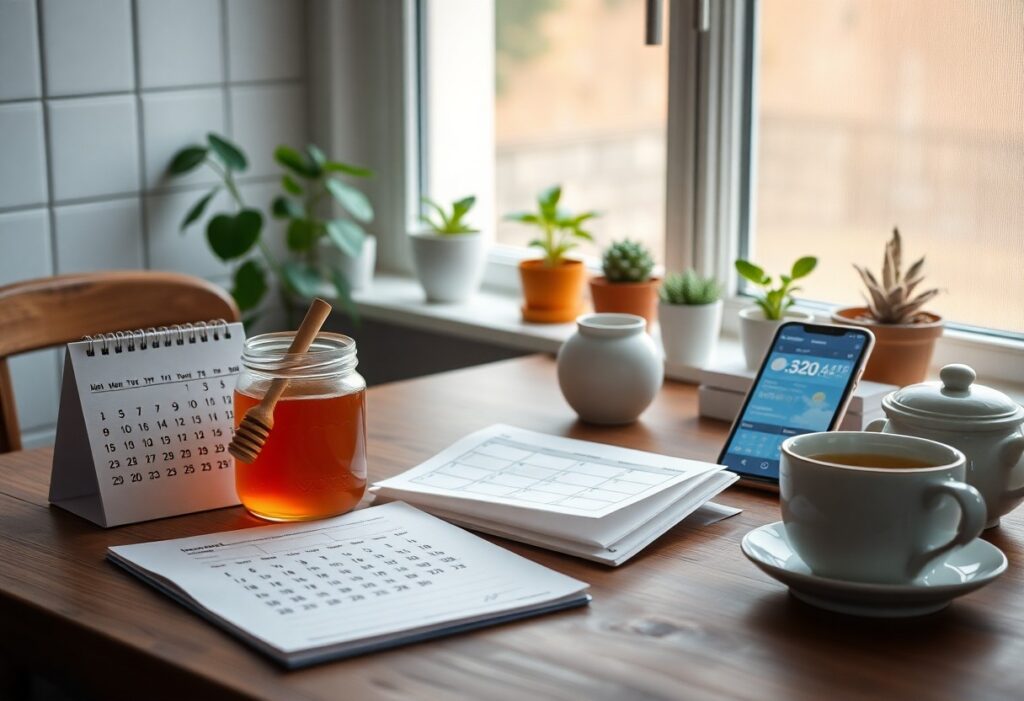
There’s a simple plan you can follow to ease spring misery: track high pollen days, begin gentle saline nasal irrigation and an anti-inflammatory diet weeks ahead, and use local honey or quercetin to build tolerance; these natural steps help you lower exposure and reduce symptoms, and they can also help prevent severe reactions so your spring feels manageable rather than overwhelming.
Understanding Allergies
What Triggers Allergies?
You’re likely reacting to outdoor pollen – trees peak March-May, grasses May-July and ragweed August-October – or indoor allergens like dust mites, Pet dander, mold and cockroach droppings. Weather swings, high humidity and pollution often boost pollen and spore counts, making symptoms worse. If you live with pets, cat and dog dander can cause year‑round issues. Mold and cockroach allergens can drive persistent indoor exposure, so controlling indoor humidity and cleanliness matters.
Common Symptoms to Watch For
You’ll commonly experience sneezing, itchy or watery eyes, clear runny nose, nasal congestion and post‑nasal drip, plus coughing and fatigue; loss of smell can also occur. Watch closely for shortness of breath, chest tightness or swelling of the face, lips or tongue – those indicate a severe reaction needing immediate care. Symptoms often flare after outdoor activity or at dawn.
To distinguish allergies from a cold, note timing and signs: allergies cause persistent itching and watery eyes without fever and can last weeks to months, whereas colds usually resolve in 7-10 days and may include fever and body aches. Track local pollen counts and your symptom patterns – when counts spike you’ll often see flare‑ups – and seek care if symptoms disturb your sleep or trigger wheeze.
Timing is Everything
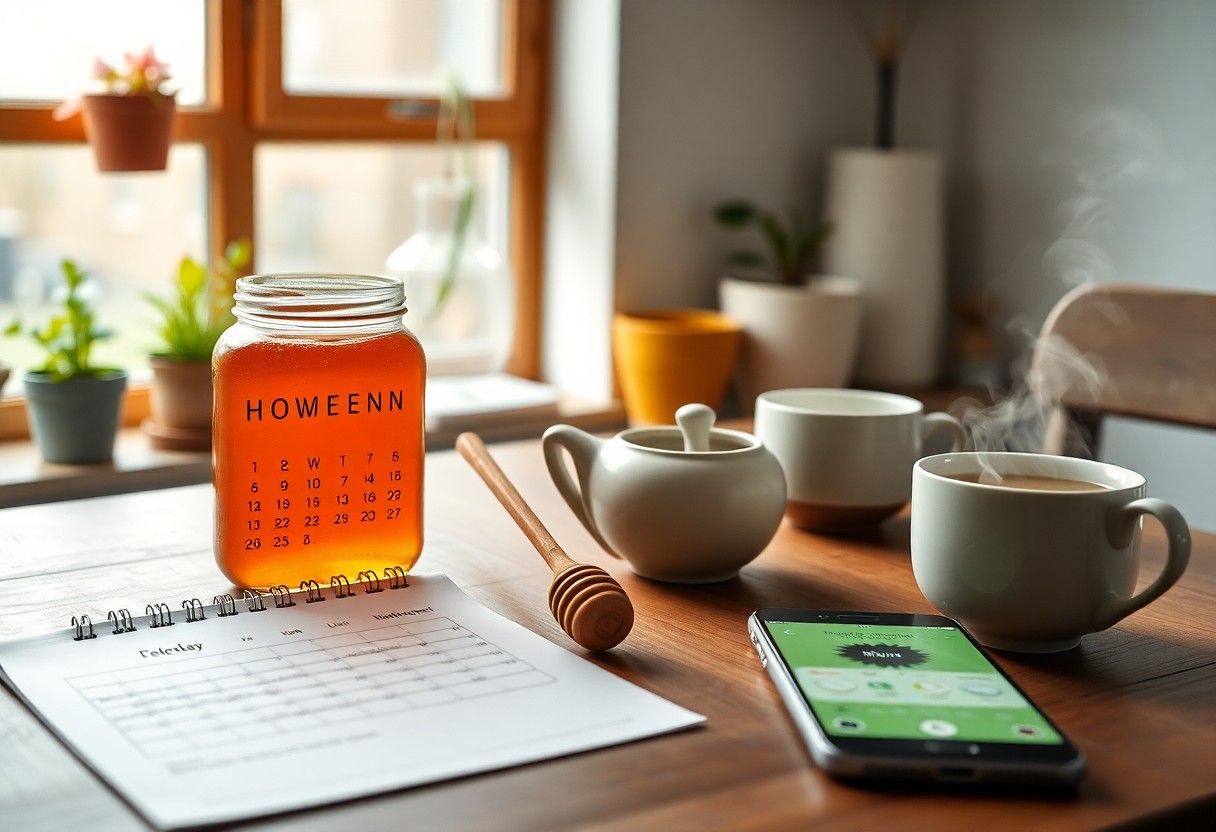
Plan your defenses to match local pollen cycles: trees tend to peak March-May, grasses May-July and ragweed Aug-Oct, so you should begin mitigation measures about 2-4 weeks before expected peaks. Check daily pollen forecasts and set reminders to run HEPA filters, start saline rinses and adjust outdoor activity when counts spike. In many cities, peak days can exceed several hundred grains per cubic meter, which means proactive steps pay off more than reactive ones.
When to Prepare for Allergy Season
If tree pollen in your area typically peaks in March, start prepping in February; for grass season, prep in April. Begin daily saline rinses and consider starting OTC antihistamines 1-2 weeks before peak to reduce inflammation. You should also book allergy clinic visits and refill prescriptions at least a month early, since surge demand often causes delays and limits access to treatments when counts climb.
Seasonal Patterns of Pollen
Regional climate shapes timing: southern areas often see tree pollen a month earlier than northern zones, while coastal breezes can prolong grass season. When warm spells arrive, pollen release can accelerate, shifting peaks by 1-2 weeks. Use local pollen calendars and apps to track trends specific to your city so you can time precautions to actual exposure risk rather than calendar dates.
Weather events change daily exposure: a heavy rain usually reduces airborne pollen for 24-48 hours, while dry windy days drive counts skyward. Urban heat islands can extend seasons, and late frosts may delay peaks by days to weeks. You should monitor patterns for your neighborhood-microclimates matter-and adjust outdoor plans and medication timing based on short-term forecasts and recent trends.
Natural Relief Methods
You can combine environmental steps with targeted natural options to reduce symptoms before season peaks. Several trials show herbs and dietary shifts help; for a thorough review see Natural Allergy Remedies: What Actually Works-And …. Use PA-free butterbur if choosing butterbur, and be aware some supplements interact with medications or cause liver issues-consult your prescriber if you’re on blood thinners or pregnant.
Herbal Remedies
You might try stinging nettle, quercetin-rich foods, or PA-free butterbur for symptom relief; small randomized trials found nettle and butterbur reduced sneezing and nasal congestion versus placebo. Typical study doses include 300-600 mg nettle extract daily or standardized butterbur extracts. Check product standardization and dosing: avoid unstandardized products and stop if you get GI upset or suspect interactions with your medications.
Dietary Adjustments
Cut processed sugar and add anti-inflammatory choices-omega-3s, leafy greens, and fermented foods-to lower baseline inflammation. Aim for two servings of oily fish weekly or consider 500-1,000 mg combined EPA+DHA daily. If you have histamine sensitivity, avoid aged cheeses, cured meats, and other high-histamine foods. Track symptoms for 2-4 weeks to evaluate changes.
Begin with a 2-4 week elimination trial: remove dairy and high-sugar items while increasing berries, walnuts, leafy greens, and two servings of salmon or mackerel weekly. Consider a probiotic and check vitamin D-studies link low vitamin D to worse allergy outcomes, so aim for sufficient 25(OH)D via sun, diet, or 1,000-2,000 IU supplements if advised by your clinician. Keep a symptom diary to pinpoint what truly helps.
Creating an Allergy-Free Environment
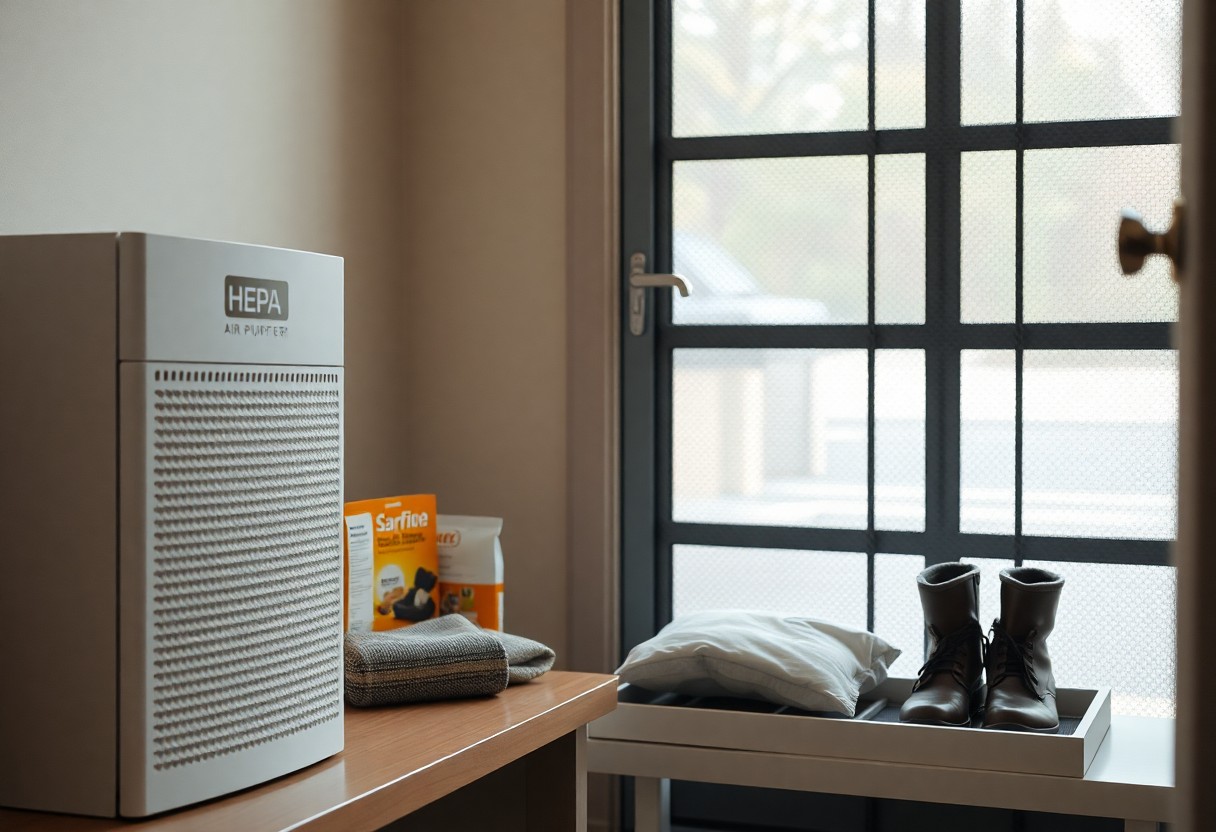
Seal gaps around doors and windows, run a HEPA air purifier in bedrooms, and keep humidity between 30-50% to limit dust mites and mold growth; studies show maintaining that range cuts mite populations dramatically. You should launder bedding weekly and change HVAC filters every 1-3 months depending on use. Rotate strategies as pollen peaks shift so your home stays a low-exposure refuge.
Home Cleaning Tips
Focus on high-touch and fabric surfaces: vacuum rugs and upholstery with a HEPA vacuum twice weekly, dust with damp microfiber cloths, and wash bedding at 130°F (54°C) weekly to target dust mites. Use a hygrometer to monitor moisture and limit indoor plants in damp rooms to prevent mold. The checklist below helps you act fast.
- HEPA vacuum – vacuum twice weekly and use attachments on mattresses and curtains.
- Microfiber cloths – trap dust without dispersing particles; damp-wipe surfaces weekly.
- Wash bedding – launder sheets, pillowcases, and duvet covers weekly at 130°F (54°C).
- Air purifiers – choose HEPA units for bedrooms; look for CADR appropriate to room size.
- Humidity control – keep 30-50% with a dehumidifier or humidifier and monitor with a hygrometer.
Indoor Plants That Help
Several houseplants-like spider plant, areca palm, Boston fern, and snake plant-were identified in the 1989 NASA study as reducing VOCs in sealed chambers; you can add 1-2 per small room to improve air quality modestly. Place them where you can avoid overwatering, since excess moisture raises mold risk.
For real-world impact, pair plants with filtration: plants help reduce formaldehyde and benzene but rarely replace a HEPA purifier. Rotate and prune every 2-4 weeks, use well-draining soil, and avoid carpeting beneath pots to limit hidden dampness that can foster allergens.
Strengthening Your Immune System
To lower seasonal reactions, prioritize sleep, diet and stress control: aim for 7-9 hours nightly, eat at least five servings of fruits and vegetables daily, and practice 10-20 minutes of daily breathing or meditation. Add zinc-rich foods and omega-3s (salmon, walnuts) and have your vitamin D checked, since low levels are linked to greater allergic inflammation. These targeted habits reduce systemic inflammation and make your immune responses less likely to overreact.
The Role of Probiotics
Target your gut by choosing probiotics with Lactobacillus and Bifidobacterium strains; many studies use doses of 1-10 billion CFU daily. Trials report reduced nasal symptoms and lower antihistamine use versus placebo, and several small randomized studies giving blends 4-8 weeks before pollen peak showed meaningful score drops. Check labels for specific strains and start at least four weeks before high pollen to maximize potential benefit.
Exercise and Allergies
Regular moderate exercise lowers systemic inflammation and helps your immune balance; aim for 150 minutes weekly (for example, 30 minutes on 5 days). Exercising outdoors during peak pollen can worsen symptoms, so check local counts and avoid high-exposure windows. If you get wheezy, reduce intensity, move indoors, and follow your asthma action plan to prevent severe bronchospasm.
Choose early-morning low-pollen windows or indoor workouts when local counts are high; wear wraparound sunglasses and a tight-fitting N95/KN95 mask if you must exercise outside. Warm up 10-15 minutes to reduce exercise-induced bronchoconstriction, rinse your nose after workouts to clear pollen, and run a HEPA filter at home when you return. If allergy-related asthma is an issue, carry your rescue inhaler and seek urgent care for persistent wheeze or tightness not relieved by medication.
Additional Lifestyle Tips
Small daily habits reduce symptom intensity during high pollen periods: run a HEPA filter in your bedroom, switch to a shower before bed to wash off pollen, and vacuum with a HEPA-equipped machine twice weekly; try a saline nasal rinse 1-2 times a day to clear allergens and cut medication need for some people. Recognizing which small tweaks cut your peak symptoms helps you prioritize what to keep doing.
- HEPA filters
- Nasal irrigation
- Bedding hygiene
- Shower-before-bed
- Vacuuming
Hydration and Allergies
Keep well-hydrated; it thins mucus and supports your nasal and bronchial linings, so you should aim for about 2-2.5 liters (8-10 cups) daily, more if you exercise or are in heat. Sip throughout the day rather than gulping large amounts, choose warm herbal teas or broths to soothe irritated airways, and avoid excess caffeine that can mildly dehydrate you during high-pollen days.
Stress Management Techniques
Practice 10-20 minutes of mindfulness, diaphragmatic breathing, or progressive muscle relaxation daily; simple techniques like box breathing (4-4-4-4) or 5 minutes of slow diaphragmatic breaths can lower your stress hormones and improve sleep. Use guided apps for structure and aim for consistency-three brief sessions a day often outperforms one sporadic session.
For deeper impact, combine methods: try a morning 10-minute mindful breathing session, a midday 5-minute sensory walk, and an evening 10-minute progressive muscle relaxation; an 8-week routine commonly yields noticeable reductions in flare-ups and better sleep. Track sessions in a simple log so you can identify which techniques most consistently reduce your daytime congestion and reliance on antihistamines.
Final Words
Following this guidance, you can prepare for allergy season with simple natural steps that ease symptoms and boost comfort before pollen blooms; use saline rinses, filter your indoor air, plan outdoor activities around forecasts, and support your routines so you feel more in control when allergies arrive.
FAQ
Q: When should I start using natural prevention methods for allergy season?
A: Start preventive measures 2-4 weeks before local pollen counts rise. Monitor pollen forecasts for your area and begin daily practices such as saline nasal rinses, gentle nasal sprays, and starting supplements or herbs you plan to use (after checking safety with your healthcare provider). Establish environmental controls early: install or service HEPA/quality filters, wash or replace bedding, and plan to keep windows closed during high pollen periods.
Q: Which natural remedies have the best evidence for reducing symptoms before exposure?
A: Saline nasal irrigation is one of the most consistently effective methods for clearing pollen and lowering nasal inflammation. Supplements with anti-inflammatory or mast-cell stabilizing properties-such as quercetin, stinging nettle, and PA-free butterbur extracts-have supportive studies but vary by product quality; consult a clinician before starting them. Air filtration (HEPA) and regular vacuuming with a HEPA-capable vacuum reduce indoor pollen load. Local honey and probiotics show mixed results and are more adjunctive than primary strategies. Always check interactions and contraindications with medications or medical conditions.
Q: What home and routine changes should I implement before season to minimize exposure?
A: Deep-clean and reduce indoor pollen and mold sources: launder bedding weekly in hot water, vacuum and mop floors with a damp cloth, clean or replace HVAC and portable air purifier filters, and use a dehumidifier if humidity promotes mold. Limit outdoor pollen tracking onto fabrics and pets by changing clothes and showering after being outside, keeping windows and doors closed on high-pollen days, avoiding line-drying laundry outdoors, and using a pollen-rated mask (e.g., N95) during yardwork. Time outdoor activities for low-pollen periods (often after rain or in the evening) and trim or avoid high-pollen plants near living areas.

Medical Disclaimer
This article is for informational purposes only and is not a substitute for professional medical advice, diagnosis, or treatment. Always consult a qualified healthcare provider before starting, stopping, or changing any treatment, especially if you are pregnant, nursing, have a medical condition, or are taking medications. Never disregard professional medical advice or delay seeking it because of something you have read here. If you experience severe symptoms, allergic reactions, or think you may have a medical emergency, seek immediate care.
