
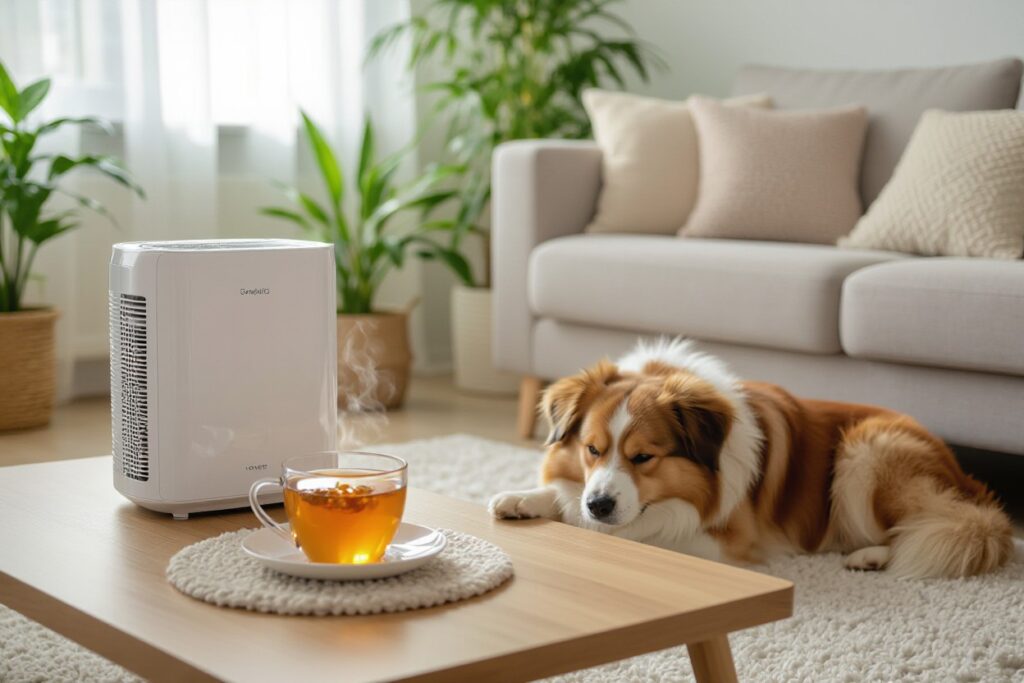
Allergies to pets can make you feel torn between your love for animals and the need to breathe easier, and you can take gentle, practical steps at home to reduce congestion while keeping your companion close. You’ll learn natural strategies—from cleaning routines and air care to targeted remedies—that fit your lifestyle and local environment so you can enjoy cuddles with less sniffles.
How pet allergies lead to congestion
You react to pet dander, saliva, or urine proteins that become airborne and trigger nasal inflammation, which leads to congestion, sneezing, and sinus pressure. Your immune system releases histamine and other mediators that swell nasal tissues and increase mucus. Seasonal pollen and indoor molds can add to the burden, so your symptoms may worsen depending on where you live and the time of year.
Quick natural strategies you can try today
You can start with simple, low-cost changes that often reduce exposure and ease congestion within days. Focus on air quality, cleaning frequency, and your personal care routine to lower the amount of allergen that reaches your nose and lungs.
Improve air flow and filtration
You should run a HEPA air purifier in rooms where you spend the most time to capture dander and small particles. In humid climates, a dehumidifier at 40–50% RH limits mold growth; in dry climates, a humidifier can soothe irritated nasal passages—but keep filters and tanks clean to avoid new allergens. Open windows on low-pollen days and use exhaust fans in bathrooms and kitchens to reduce airborne irritants.
Adopt pet-friendly home zones
You can create pet-free zones—especially the bedroom—to give your nasal tissue time to recover overnight. Use washable bedding, change sheets weekly, and choose mattress and pillow encasements that block allergens. If your pet sleeps with you, occasional breaks can reduce chronic inflammation.
Cleaning routines that reduce dander
You should vacuum with a HEPA-filtered vacuum at least twice weekly, wash pet bedding and toys in hot water, and groom your pet outdoors when possible. Microfiber cloths trap dust and dander more effectively than dry dusting; wet-mop hard floors weekly to remove settled allergens. In apartments or urban areas, increasing cleaning frequency can offset higher outdoor pollution and pollen infiltration.
Natural remedies to relieve nasal congestion
You can pair environmental controls with gentle remedies to ease symptoms without heavy medications. Try saline rinses, steam inhalation, and targeted botanicals while watching for sensitivities.
Saline irrigations and nasal sprays
You can use isotonic saline sprays several times daily to flush allergens and thin mucus. Nasal irrigation with a neti pot or squeeze bottle can provide deeper relief—use sterile or boiled, cooled water and follow instructions to avoid contamination.
Steam, hydration, and warm compresses
You should inhale steam from a bowl of hot water or take hot showers to loosen mucus, and drink plenty of fluids to maintain thin secretions. Applying a warm compress over your sinuses can reduce pressure and discomfort.
Herbal supports and topical options
You can try local honey in small amounts if you wish to experiment with oral exposure to local pollens, and eucalyptus or peppermint steam for short-term relief—avoid concentrated necessary oils around pets and children. Nasal moisturizing gels can soothe irritated tissue without systemic effects. If you consider supplements like quercetin or bromelain, consult a healthcare professional for dosing and interactions.
Region-specific tips to optimize relief
Where you live affects the kinds and timing of allergens you face, so tailor your approach to local conditions.
High-pollen regions
If you live in an area with heavy tree or grass pollen seasons, plan outdoor pet grooming and walks for late afternoon or after rain, when pollen counts often fall. Monitor local pollen forecasts and keep windows closed during peak pollen times.
Humid or coastal regions
In humid climates, control indoor moisture and use dehumidifiers to limit mold. Wash pet bedding more often to prevent mildew. Coastal areas may have mold and salt particles that change airway sensitivity, so frequent cleaning and air filtration help.
Urban and high-traffic areas
In cities, traffic pollution can worsen allergic inflammation. You can mitigate this by using indoor air purifiers, choosing walking routes away from busy roads, and rinsing your pet’s fur more often after outdoor walks to remove pollutants and dander.
“hQuote 1: “You don’t have to give up your pet to breathe easier.””
When to seek medical care
You should consult an allergist if your congestion is persistent, affects sleep, or if over-the-counter and natural measures don’t help. Allergy testing can identify specific triggers and open up targeted options like immunotherapy. If you experience severe symptoms—wheezing, difficulty breathing, facial swelling, or high fever—seek urgent care.
“hQuote 2: “Small changes at home can make a big difference for your nose.””
Products and tools that often help
You may find benefit from items such as HEPA air purifiers, hypoallergenic pet bedding, washable covers, and saline irrigation kits. Consider checking trusted retailers for validated products; an example purifier and filtration options are available here: https://amzn.to/3KT6aCb
Long-term strategies for living with pets
You can combine consistent cleaning, targeted air quality improvements, and gentle personal remedies to manage congestion while keeping your pet. Track your symptoms against weather, location, and activities to spot patterns and fine-tune your plan. Over time, small, steady changes usually offer the Best balance between pet care and nasal comfort.
Medical disclaimer
This article provides general information and is not medical advice. Consult a qualified healthcare professional for diagnosis and treatment tailored to your health. If you have severe symptoms or an emergency, seek immediate medical care.
Understanding Pet Allergies
You experience pet allergies when your immune system overreacts to tiny proteins found in an animal’s dander, saliva, or urine; about 10–20% of people report pet-related allergic symptoms. Cats and dogs are most common, but rodents, birds, and horses also produce allergens. These proteins can linger on furniture and clothing for weeks, so symptoms may persist even after the pet leaves the room. Knowing the specific trigger helps you target relief and mitigation strategies effectively.
What causes pet allergies?
Allergic reactions are typically directed at specific proteins such as Fel d 1 from cats and Can f 1 from dogs, which bind to skin flakes and hair. Tiny particles under 5 micrometers stay airborne longer and can reach your lower airways. Saliva and urine contain distinct allergenic proteins, so grooming or litter box cleaning often provokes flares. Genetic predisposition and early-life exposure patterns also influence whether you develop sensitivity.
Common symptoms to look for
You’ll most often notice sneezing, nasal congestion, itchy or watery eyes, and throat irritation within minutes to hours of exposure. Coughing, wheezing, skin hives, or eczema flares are common, and people with asthma can experience more frequent attacks. Symptoms may be perennial with indoor pets, rather than seasonal, producing chronic sleep disturbance or reduced quality of life.
Timing and pattern give extra clues: immediate symptoms (within 5–30 minutes) suggest IgE‑mediated reactions, while delayed congestion or eczema can emerge over hours. Clinical testing—skin prick or specific IgE blood tests—confirms sensitivity and helps you decide between avoidance, medication (antihistamines, intranasal steroids), or allergen immunotherapy. Practical examples include nightly nasal blockage that improves in pet-free hotel stays and eye itching triggered specifically after petting a cat, both pointing to a pet-related source.
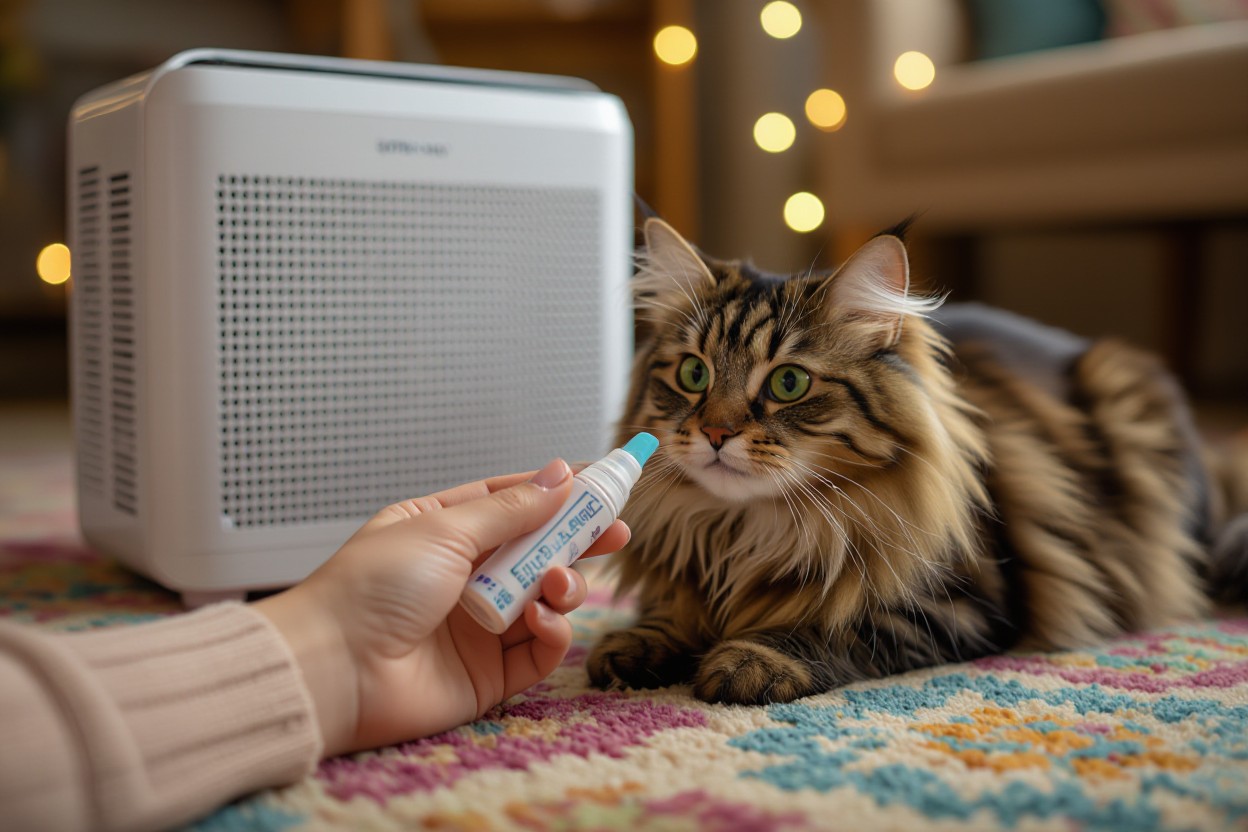
The Connection Between Congestion and Allergies
Your immune system reacts to pet dander, urine or saliva by releasing histamine and inflammatory chemicals that swell nasal tissues and boost mucus production. Studies show allergic rhinitis affects about 10–30% of adults and up to 40% of children, so your congestion may be part of a broader allergic response rather than just a cold. For example, many cat owners report nightly nasal blockage and postnasal drip that ease when the cat is kept out of the bedroom for a week.
How allergies affect breathing
When allergens contact your nasal lining, blood vessels dilate and mucus glands overproduce, narrowing airflow and reducing oxygen comfort; you may notice mouth breathing, snoring or impaired smell. Allergic inflammation also raises the risk of lower airway symptoms—around 20–30% of people with allergic rhinitis have coexisting asthma—so your wheeze or chest tightness can be linked to the same trigger that causes your congestion.
Managing nasal congestion
Start with saline nasal irrigation twice daily to mechanically clear mucus and allergens, and pair that with a daily intranasal corticosteroid spray for inflammation control—many trials rank steroids as the most effective option for nasal blockage. Add a second-generation oral antihistamine for sneezing and itching, and avoid topical decongestant sprays beyond 3 days to prevent rebound congestion. Air filtration, pet grooming and creating a pet-free bedroom reduce your ongoing exposure.
Practical steps you can use include running a HEPA air purifier (HEPA filters remove >99% of particles ≥0.3 µm), washing bedding weekly in hot water (≥54°C/130°F) to reduce allergens, bathing or grooming pets outdoors weekly if they tolerate it, and maintaining indoor humidity around 30–50% to limit mold growth. Follow product instructions for nasal irrigations and sprays, and track symptom changes over 1–2 weeks to evaluate what helps your congestion most.
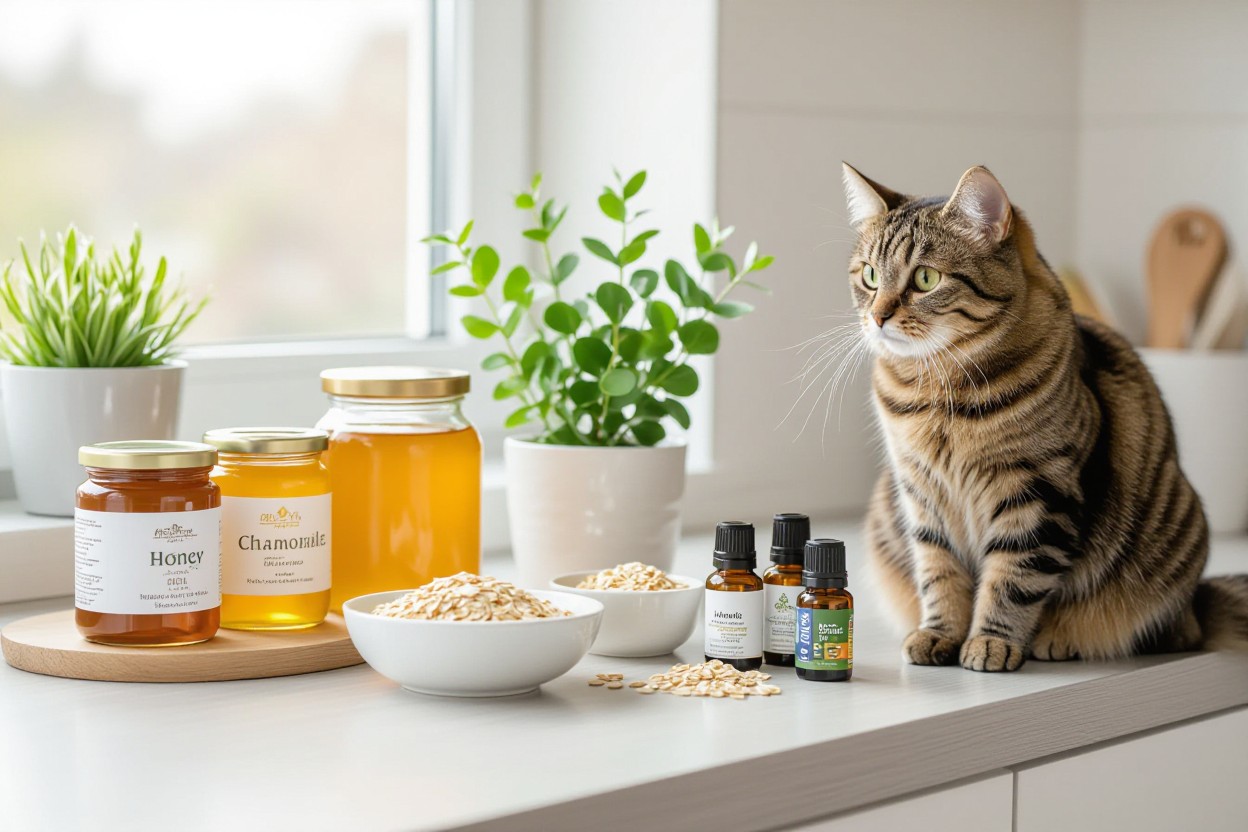
Natural Remedies for Pet Allergies
Use a layered approach: air purifiers with true HEPA filters (they trap 99.97% of particles ≥0.3 µm), saline nasal rinses, and targeted supplements can lower symptoms without removing your pet. Try allergen-reducing routines—vacuum with a HEPA unit twice weekly and wash pet bedding at 60°C weekly—to cut surface allergen loads. Studies and household reports show combining filtration, cleaning, and topical or oral herbal aids often reduces sneezing and congestion within 2–4 weeks.
Herbal solutions
Try quercetin, stinging nettle, or butterbur as natural antihistamine options; several trials show measurable symptom relief without sedating effects. Use chamomile or green tea inhalations for short-term nasal comfort and bromelain to reduce mucous thickness after exposure. Check interactions with any medications you take and discuss herbs with your physician; quality varies, so choose standardized extracts and reputable brands when you buy supplements.
Lifestyle changes
Start by creating pet-free zones—your bedroom is ideal—then bathe or wipe your pet weekly to lower dander; brushing outdoors prevents loose fur from settling indoors. Vacuum with a HEPA-equipped cleaner twice weekly, launder throws and bedding at 60°C, and replace HVAC filters every 30–90 days to keep airborne allergen levels down. Small, consistent habits often produce measurable relief within weeks.
Establish a simple routine: schedule vacuuming for two set days each week, use a microfiber mop after vacuuming to catch remaining dust, and store pet toys in washable bins you clean monthly. When you groom your animal, do it outside or in a garage and wear a mask if you’re highly sensitive. For air treatment, pick a purifier sized to your room’s square footage and check its CADR rating; pairing that with humidity control (40–50%) reduces allergen persistence and helps your congestion settle faster.
Home Environment Tips
Keep allergen control practical and targeted so you can enjoy time with your pet without constant congestion. Swap heavy drapes for washable curtains, prefer hardwood or tile over wall-to-wall carpet, and isolate pet activity to one or two rooms to limit spread. Use a HEPA air purifier (removes 99.97% of particles ≥0.3 microns) and vacuum with a HEPA-equipped cleaner at least twice weekly.
- Wash pet bedding at 60°C weekly
- Run a HEPA purifier in sleeping areas 12+ hours daily
- Restrict pets from your bedroom
Knowing these small changes can cut home allergen loads dramatically and make breathing easier.
Reducing Allergen Exposure
You can reduce dander and saliva exposure by bathing or grooming your pet weekly—studies show regular washing significantly lowers surface allergen levels—and by brushing outside to keep loose fur from settling indoors. Swap plush toys for washable ones and launder them at 60°C every week; wash your own bedding weekly too. Replace HVAC filters monthly or use MERV 8–13 filters if compatible with your system, and vacuum floors and upholstery at least twice a week with a HEPA vacuum to capture more airborne particles.
Creating a Pet-friendly Space
Designate a tidy, low-texture zone for your pet by choosing leather or tightly woven upholstery, a washable pet bed, and a mat near the door to catch outdoor pollen; keep that area centralized so you can clean it daily. Limit soft surfaces—like area rugs—to washable types and use allergen-proof encasements on mattresses and pillows in rooms you want pet-free. Select short-haired or hypoallergenic breeds if allergies are significant, and rotate toys through the wash every 7–10 days.
For more setup details, place the pet bed on hard flooring or a washable mat within a single room and use zippered, allergen-barrier covers on furniture you allow pets on; these covers are easy to remove and launder at 60°C to kill dust mites and remove dander. Consider a small crate or gated area for grooming sessions so fur and saliva stay contained, and run a portable HEPA purifier (CADR matching room size) near the pet zone during shedding season to cut airborne allergens by a large percentage.
Diet and supplements for relief
You can ease nasal inflammation by pairing anti-inflammatory meals with targeted supplements; aim for two servings of oily fish per week and plenty of fruits, vegetables and fermented foods. For a compact list of evidence-backed options, see 12 natural remedies for pet allergies to explore herbs and practical tips that many pet lovers find helpful.
Foods that help combat allergies
Start with specific foods: oily fish like salmon or mackerel twice weekly for omega‑3s, apples and onions for quercetin, and bell peppers or citrus for vitamin C. Add probiotic-rich yogurt (look for at least 1 billion CFU) and fermented veggies to support your mucosal immunity. Small studies link antioxidant-rich diets to reduced allergy symptoms, so you may notice measurable improvements within a few weeks of consistent change.
Beneficial supplements
Consider quercetin (500 mg twice daily), omega‑3 fish oil (1–2 g EPA+DHA per day), vitamin C (500–1,000 mg), probiotics (1–10 billion CFU/day) and stinging nettle (300–600 mg). Use standardized extracts, check potency on labels, and allow 2–4 weeks for effects; many people report less sneezing and reduced nasal congestion after regular use.
When choosing supplements, you should favor third‑party testing seals (USP, NSF) and take fat‑soluble products with meals for better absorption. Be aware of interactions—fish oil can affect clotting and quercetin may alter drug metabolism—so consult your clinician if you’re on anticoagulants or other prescriptions; if you’re allergic to fish, opt for algae‑based omega‑3 instead.
When to seek professional help
If your congestion or allergy symptoms last more than two weeks despite home measures, or if you develop wheezing, shortness of breath, facial swelling, high fever, severe sinus pain, or recurrent ear infections, see a clinician promptly; urgent care is warranted for breathing trouble or anaphylaxis, while routine evaluation is appropriate when daily life, sleep, or work are impaired by sneezing, persistent nasal drip, or sinus pressure.
Knowing when it’s time to consult a doctor
If over-the-counter antihistamines and nasal sprays for 7–10 days don’t control your symptoms, make an appointment; you should also consult a clinician if you have asthma and notice increased inhaler use or nighttime coughing, if symptoms spike after brief pet contact, or if you experience hives, facial swelling, or repeated sinus infections despite treatment.
Allergy testing options
You can choose between skin prick testing, which yields results in 15–20 minutes and commonly tests for cat (Fel d 1) and dog (Can f 1) dander, and blood tests that measure specific IgE (useful if you’re on antihistamines or have severe eczema); other approaches include intradermal tests, component-resolved diagnostics, and selective nasal provocation when results are unclear.
More details: skin prick tests have about 70–90% sensitivity for inhalant allergens and are low-cost with same-day answers, while blood tests (specific IgE) are unaffected by medications and may be preferred if skin testing risks false negatives; testing commonly costs between $50–$300 depending on panel size and location, and positive tests plus ongoing exposure to pet allergens often lead clinicians to discuss immunotherapy or tailored avoidance strategies with you.
Final Words
Conclusively, you can enjoy pets while managing allergies with simple natural steps: keep your home ventilated, run HEPA filtration, groom pets regularly, wash your hands after contact, and use saline rinses or steam for congestion; with consistent habits your symptoms will ease and your bond with your pet can thrive.
pet allergies and congestion: natural relief for animal lovers
If you love animals but battle congestion and itchy eyes, you can take practical, natural steps to reduce symptoms while keeping your pet close. This guide shows how pet dander triggers nasal inflammation, how to lower allergen levels at home, and which daily habits help you breathe easier whether you live in New York, Los Angeles, London, Toronto, Sydney, or a smaller town near you.
how pet allergies cause congestion
Your immune system reacts to proteins in pet dander, saliva, and urine. When you inhale those tiny particles, your nasal passages produce mucus and swell, leading to congestion, post-nasal drip, and sinus pressure. Pollen and indoor dust can amplify reactions, so allergy symptoms often spike seasonally or in poorly ventilated rooms.
recognize common triggers
You’ll want to watch for these triggers in your home: shedding during seasonal changes, pets sleeping on beds and sofas, carpeting that traps dander, and humid rooms that encourage dust mites and mold. Knowing your triggers helps you target the right natural solutions.
“Small daily habits—like swapping couch cuddles for floor play and a quick pet brush—can cut your symptoms significantly.”
reduce allergens in your home
Start with ventilation and filtration. Open windows when outdoor pollen is low, use exhaust fans, and run a HEPA air purifier in bedrooms and living areas. Consider an air purifier rated for your room size and place it where you spend most time. You can find compact, effective options here: recommended air purifier.
clean smartly
Vacuum weekly with a HEPA-filter vacuum, mop hard floors to pick up settled dander, and wash bedding and pet bedding in hot water weekly. Use washable covers for upholstery and invest in allergen-proof pillow and mattress covers to cut nighttime congestion.
manage pet grooming
Bathe and brush your pet regularly—ideally outdoors or in a tiled area—to remove loose dander. If you can, ask a family member or groomer to handle baths. Wiping paws and fur after outdoor walks reduces pollen transfer into your home.
“You don’t have to choose between your health and your pet; targeted changes let you enjoy both.”
daily habits that ease congestion
Build gentle routines you can maintain. Use saline nasal rinses or sprays to flush allergens from your nose, try warm steam inhalation to loosen mucus, and keep hydrated to thin secretions. Over-the-counter antihistamines or nonprescription nasal sprays can help; follow product directions and consult a local healthcare provider if symptoms persist.
sleep and bedding tips
Keep pets out of your bedroom to reduce overnight exposure. If that’s not possible, place a pet bed near a window or on a washable cover and run your air purifier overnight. You’ll notice congestion often improves when your sleeping air is cleaner.
geo-optimized local tips
Allergy patterns vary by region. In urban centers like New York and London, indoor pollutants and pet dander combine with city pollen; in places like Toronto and Sydney, seasonal pollen and humidity change your strategy. Check daily pollen counts and air quality indexes for your city, and adjust outdoor walks and grooming routines on high-pollen days. Search for “allergy-friendly pet groomer near you” or “allergist near me” to find local support.
work with local professionals
A local veterinarian can suggest grooming frequency for your breed; an allergist or ENT specialist in your area can test for specific sensitivities and discuss immunotherapy if appropriate. Local support groups and pet-owner forums in your city can offer practical, tested tips you can apply right away.
products and tools that help
Choose proven tools: HEPA air purifiers, high-efficiency vacuum cleaners, allergen-proof bedding, and washable pet beds. You can also try microfiber cloths for dusting and a dehumidifier if your home is humid, since lower humidity discourages dust mites and mold.
what to buy and where
Look for products sized for your room, with true HEPA filters and clear CADR ratings. If you want a compact option to start, check the linked purifier above for features that help in apartments or small homes. Support local retailers when possible so you can test return policies and get hands-on advice.
when to seek professional care
If your congestion is severe, persistent, or accompanied by breathing difficulty, sinus infections, or reduced sense of smell, consult a healthcare provider. Local allergists can perform skin or blood tests and discuss allergy shots (immunotherapy) that reduce sensitivity over time. If over-the-counter measures aren’t enough, professional evaluation helps tailor a safe plan for you and your pet.
making a local care plan
Find an allergist, ENT, or primary care provider near you and ask about testing and treatment options. If you’re in a high-pollen region or a humid climate, a targeted plan will reflect those local challenges and help you enjoy pets with fewer flare-ups.
final practical checklist
Keep this short checklist handy: run a HEPA purifier, groom pets weekly, wash bedding regularly, vacuum with HEPA, use saline rinses, limit pet access to your bedroom, and check local pollen and air quality daily. Small, consistent steps often produce the biggest relief.
medical disclaimer
This article provides general information and is not medical advice. For diagnosis or treatment, consult a licensed healthcare professional or local allergist. If you experience severe symptoms, such as difficulty breathing or swelling, seek emergency medical care immediately.

Medical Disclaimer
This article is for informational purposes only and is not a substitute for professional medical advice, diagnosis, or treatment. Always consult a qualified healthcare provider before starting, stopping, or changing any treatment, especially if you are pregnant, nursing, have a medical condition, or are taking medications. Never disregard professional medical advice or delay seeking it because of something you have read here. If you experience severe symptoms, allergic reactions, or think you may have a medical emergency, seek immediate care.
