

Just waking up stuffed can be draining, but you can ease Morning congestion with simple, natural steps that fit into your routine; gentle steam inhalation, saline rinses, elevation of your head, and soothing herbal teas often help. A quick quote: “Start with warmth and slow breaths.” This post guides you through easy practices to clear your nose, refresh your sinuses, and make your mornings more comfortable.
Understanding Congestion
Overnight your nasal tissues swell and mucus thickens as humidity drops and lying flat increases blood flow to nasal membranes, so you often wake stuffy even after a good night’s sleep. Allergic inflammation, non-allergic rhinitis, silent reflux and structural issues like a deviated septum each alter airflow and drainage. Studies estimate allergic rhinitis affects about 10–30% of adults, making allergies a frequent contributor to morning blockage.
What Causes Morning Congestion?
Allergens trapped in bedding (dust mites, pet dander), low bedroom humidity, overnight mouth breathing and post-nasal drip commonly produce morning stuffiness. Medication side effects, sinus infections, hormonal changes in pregnancy and a deviated septum can also increase mucosal swelling. Positional pooling when you lie flat and the normal nasal cycle often amplify symptoms on waking, so causes are frequently multifactorial.
Identifying Symptoms
Typical signs include nasal blockage on waking, clear or thick post-nasal drip, reduced sense of smell, throat clearing and morning cough; you may snore more or breathe through your mouth for the first 30–60 minutes. Observe discharge color and facial pain—yellow-green mucus and localized pressure suggest sinus infection rather than simple rhinitis.
Different symptom patterns help you narrow causes: itchy, watery eyes and repeated sneezing point to allergies, while triggers like cold air, perfumes or spicy food suggest non-allergic rhinitis; sinusitis brings localized facial pain and discolored discharge. Many patients say, “I wake up with a blocked nose every morning,” which often indicates an environmental or positional issue—if symptoms persist over 10 days or worsen, seek evaluation for targeted treatment.
Gentle Wake-Up Techniques
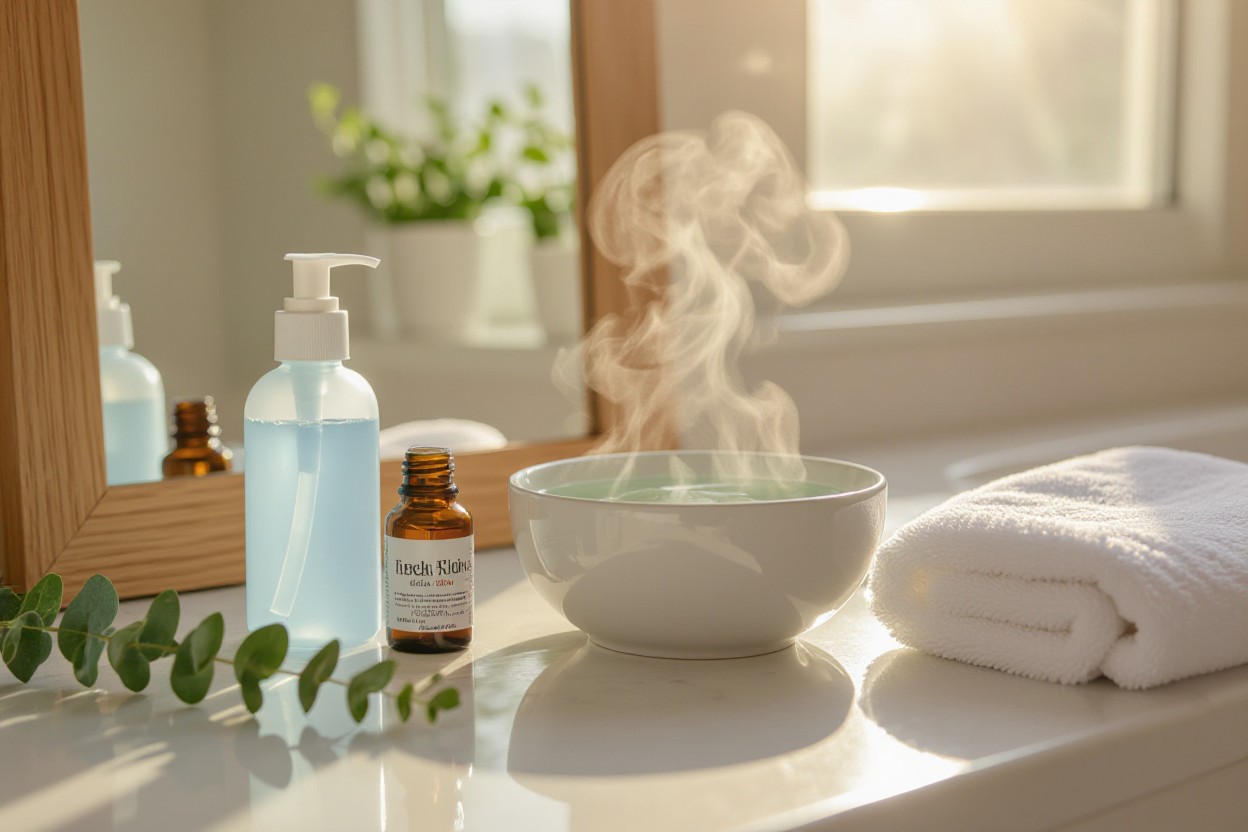
Wake up with a calm routine: sit up slowly, sip a warm glass of water, and wash your face to stimulate circulation; combine this with a quick steam shower or 1–2 minutes of sinus massage. Use proven home strategies—see 5 Natural Remedies for Congestion—and note that small, consistent steps can lower your morning congestion over weeks. “A gentle start sets the tone for clearer breathing.”
Breathing Exercises
Start with diaphragmatic breathing: place one hand on your belly, inhale for 4 seconds, hold 2 seconds, exhale for 6 seconds; repeat 8–10 cycles to engage your parasympathetic system and reduce nasal swelling. Try alternate nostril breathing for 3 minutes if you have sinus pressure—many people report noticeable relief within 10 minutes.
Stretching for Relief
Gentle neck and upper-back stretches release tension that worsens congestion: do chin tucks, lateral neck bends, and thoracic extensions for 20–30 seconds each, 2–3 rounds; pairing stretches with slow inhales helps nasal drainage and improves your posture and airway alignment.
Focus on moves you can repeat: seated cat-cow for 8–10 breaths, shoulder rolls 10 times each way, and a scalene stretch held 20–30 seconds per side; perform 2–3 rounds and add a 1–2 minute foam-roll thoracic mobilization twice daily to reinforce mobility and ease your morning tightness.
Natural Remedies to Try
Start with targeted, low-effort tactics you can test over a week: steam inhalation for 5–10 minutes, saline nasal rinse once or twice daily, and morning hydration of 300–500 mL to thin mucus. Track which combo lowers your congestion on a 1–10 scale; many people report noticeable improvement within 3–7 days.
Herbal Teas and Infusions
Chamomile, ginger, and peppermint each help in different ways: chamomile soothes inflamed mucosa, ginger delivers anti-inflammatory gingerols, and peppermint’s menthol eases perceived airflow. Brew 5–10 minutes and drink 1–3 cups in the morning to midday; adding lemon or honey can enhance mucus-thinning and soothe a sore throat.
Essential Oils and Aromatherapy
Inhale eucalyptus, peppermint, or rosemary to open nasal passages quickly; eucalyptus contains 1,8‑cineole which supports airway comfort. Diffuse 1–3 drops, or add 1–2 drops to a bowl of hot water for steam inhalation. Use caution if you have asthma or around children under two.
For deeper use you can combine steam with topical dilution: mix vital oils to 1–2% (about 6–12 drops per 30 mL carrier) and apply to your chest or temples—never use neat on skin. Some trials suggest 1,8‑cineole shortens symptom duration in acute rhinosinusitis, and you may feel relief within 5–20 minutes of inhalation. “A few drops of eucalyptus and I breathe easier,” many report. Avoid use near infants and patch-test if you have sensitive skin.

Hydration and Nutrition
Importance of Water Intake
Sip 250–500 ml (8–16 oz) of warm water when you wake to loosen mucus and stimulate circulation; aim for 1.5–2 L (6–8 cups) across the day, including herbal teas and broths. Clinical observations show better hydration lowers mucus viscosity, so pace your intake with small sips during your morning routine rather than gulping large amounts.
Breakfast Choices for Relief
Choose warm, hydrating breakfasts that combine protein and anti-inflammatory ingredients: Greek yogurt with ½ cup berries, oatmeal with 1 tbsp flaxseed, or scrambled eggs with spinach and a slice of whole-grain toast. Spicy accents like a pinch of cayenne or black pepper can temporarily open nasal passages; keep the meal around 300–400 kcal to prevent reflux that can worsen congestion.
Try simple recipes: ginger tea — 250 ml hot water, 1 tsp grated ginger, 1 tbsp lemon, 1 tsp honey; oatmeal — ½ cup rolled oats cooked in 1 cup water topped with ½ cup berries and 1 tbsp ground flaxseed; Greek yogurt — 150 g with banana (look for ≥10^9 CFU probiotics). “A warm ginger-lemon drink can thin mucus within minutes.”
Creating a Relaxing Morning Routine
Set aside 15–20 minutes each morning to move through low-stimulation steps that prevent rush and nasal flare-ups: dim soft light, a 5–10 minute breathing or gentle stretch, and 10–20 minutes of natural light when possible to cue your circadian rhythm. Aim for indoor humidity around 40–60% and wash bedding weekly to reduce dust; “Small changes yield steady relief.”
Setting the Right Atmosphere
Start by swapping harsh overhead bulbs for warm 2700K lighting and keep the room ventilated for 5–10 minutes to refresh air; you can run a humidifier to maintain 40–60% relative humidity and set a comfortable temperature a few degrees warmer than overnight. Limit morning allergens by storing pet bedding elsewhere and wiping surfaces weekly, and consider a 2–3 drop eucalyptus or lemon diffuser if you tolerate scents.
Incorporating Calm Activities
You can begin with 3–5 minutes of paced diaphragmatic breathing (slow inhales, longer exhales), follow with 5–10 minutes of gentle neck and chest-opening stretches, then try a 2–3 minute steam inhalation or a saline nasal rinse once daily to ease mucus. Guided apps like Headspace or Calm offer 5–10 minute sessions that help you stay consistent, and keeping practice short increases adherence.
You can focus on breathing at roughly six breaths per minute—about a 4–6 second inhale and a 6–10 second exhale—for 5–10 minutes to boost heart-rate variability and vagal tone; pair that with progressive muscle relaxation (tensing then releasing each group for 10–15 seconds) or two modified sun-salutations to mobilize sinus drainage. Track symptoms over two weeks to identify which specific combo—breathwork, steam, stretch, or rinse—gives you the best morning relief.
When to Seek Professional Help
Signs to see a doctor
When your congestion lasts more than 2 weeks despite saline and a steroid spray, or you have fever >101.3°F (38.5°C), severe facial pain, blood in mucus, or visual changes, seek care; about 1 in 8 adults have chronic rhinosinusitis and may need CT imaging or ENT referral. If you experience shortness of breath or wheeze with night-time congestion, urgent care is appropriate. “Persistent blockage interfering with sleep for months warrants specialist evaluation,” for endoscopy and targeted treatment.
Final Words
Presently you can make mornings easier by using a gentle natural routine—saline rinse, warm steam, humidifier, head elevation, hydration, and light stretches—to ease nasal congestion and improve breathing; stick with small, consistent steps and notice how your mornings change. “You deserve clear, calm mornings.”

Medical Disclaimer
This article is for informational purposes only and is not a substitute for professional medical advice, diagnosis, or treatment. Always consult a qualified healthcare provider before starting, stopping, or changing any treatment, especially if you are pregnant, nursing, have a medical condition, or are taking medications. Never disregard professional medical advice or delay seeking it because of something you have read here. If you experience severe symptoms, allergic reactions, or think you may have a medical emergency, seek immediate care.
