
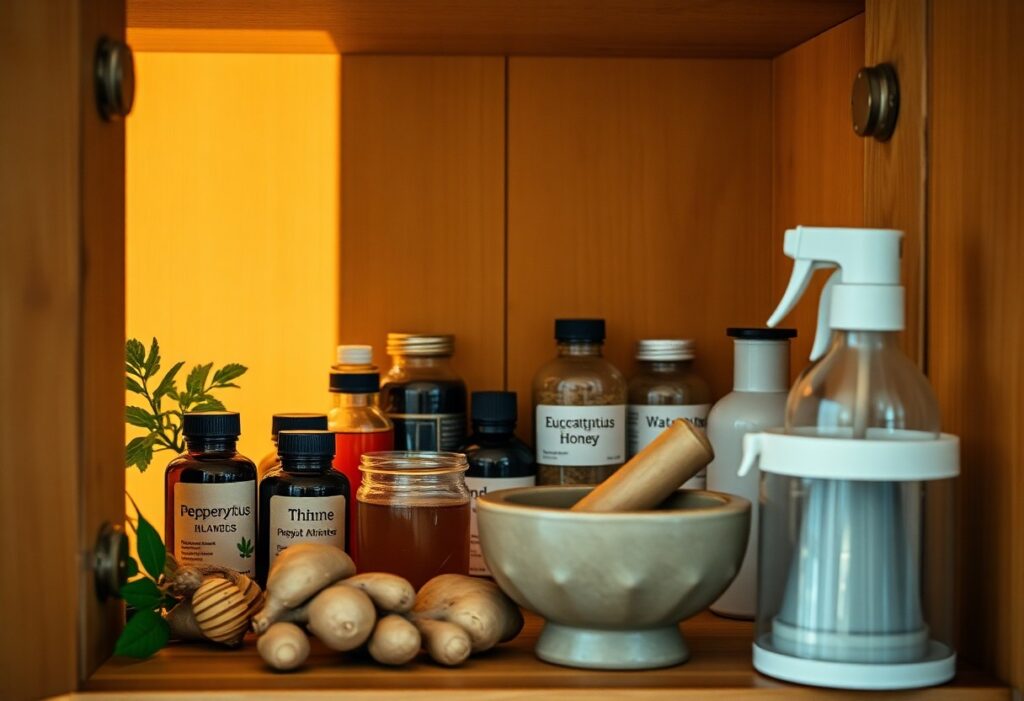
Most people find relief using simple, Natural remedies you can keep at home; build your cabinet with items like honey, steam inhalants, eucalyptus oil, and saline for regular care, and include immune-supporting herbs and vitamins. Make a list, label dosages, and note allergies. Consult a healthcare provider if breathing worsens and never mix herbs with prescription medicines without advice. With care, your cabinet can comfort and reduce symptoms.
Understanding Respiratory Health
Your lungs and airways filter, humidify and move air while immune cells patrol for infection; airflow depends on airway diameter, mucus production and cilia function. Inflammation narrows airways and increases mucus; when persistent it leads to chronic conditions. For example, allergens trigger bronchoconstriction in asthma, and long-term irritants like smoking or air pollution cause structural damage you can’t fully reverse. Monitoring peak flow, oxygenation and symptom patterns helps you gauge when natural measures suffice and when to seek care.
Common Respiratory Issues
Asthma, affecting about 339 million people worldwide, produces wheeze, chest tightness and variable airflow; allergies often precipitate attacks. COPD causes roughly 3.23 million deaths annually and includes chronic bronchitis and emphysema from long-term exposure to irritants. Acute bronchitis, viral colds and pneumonia vary by pathogen-bacterial pneumonias often need antibiotics. You should track symptom duration: persistent fever, bloody sputum or worsening breathlessness indicate escalation beyond home care.
Importance of Natural Remedies
Natural remedies can reduce symptoms, support mucous clearance and modulate inflammation; for instance honey soothes cough while steam inhalation and saline irrigation thin mucus. Herbal agents like eucalyptus (rich in 1,8-cineole) and ginger have anti-inflammatory or expectorant effects in some studies, and aromatics may ease breathing. Use them to complement, not replace, prescribed inhalers or antibiotics when indicated.
Clinical trials show small-to-moderate benefits: honey often outperforms placebo for nocturnal cough in children over 1 year, and 1,8-cineole trials report improved COPD symptoms. However, do not give honey to infants under 1 year, and vital oils can trigger asthma or skin irritation if used undiluted. Start with low doses, patch-test topicals, and combine remedies-humidified air, saline sprays and hydration-while monitoring oxygen and fever; seek immediate care for sudden severe breathlessness.
Essential Herbs for Lung Support
Many household herbs deliver targeted benefits: peppermint and eucalyptus ease airflow and mucus through menthol and 1,8‑cineole (eucalyptus often contains 60-90% 1,8‑cineole), while thyme and marshmallow root soothe inflamed mucosa with thymol, carvacrol and mucilage. You can use inhalation, steam or syrups; clinical studies often use measured doses (for example, 1,8‑cineole at therapeutic doses) to reduce cough and improve expectoration. Keep strong extracts diluted and clearly labeled for safety.
Peppermint and Eucalyptus
Peppermint oil, rich in menthol (about 30-55%), relaxes bronchial smooth muscle and numbs cough receptors; eucalyptus oil’s 1,8‑cineole (dominant in many species) thins mucus and has been used in inhalation studies to improve breathing. You can inhale 1-2 drops in hot water or steam for adults; do not give concentrated oils to children under 2 or ingest undiluted-they can trigger severe respiratory reactions.
Thyme and Marshmallow Root
Thyme oil, containing thymol and carvacrol (chemotypes vary, often 20-60% active phenols), offers antiseptic and antitussive effects; marshmallow root provides mucilage (up to ~35%) that coats irritated airways and eases coughing. You can steep thyme for inhalation or make marshmallow syrups and lozenges; combine gently for both antimicrobial action and soothing protection, adjusting doses for your age and sensitivity.
In practice, you might use 0.5-1 g thyme herb in a steam inhalation or 2-4 mL of standardized thyme syrup for adults; marshmallow infusion (1-2 teaspoons root per cup) makes a mild demulcent tea. Be aware thyme vital oil is potent-avoid internal use without guidance and watch for interactions with anticoagulants; marshmallow’s mucilage can reduce oral drug absorption, so space your medication and demulcent doses by 1-2 hours.
Essential Oils for Breathing Ease
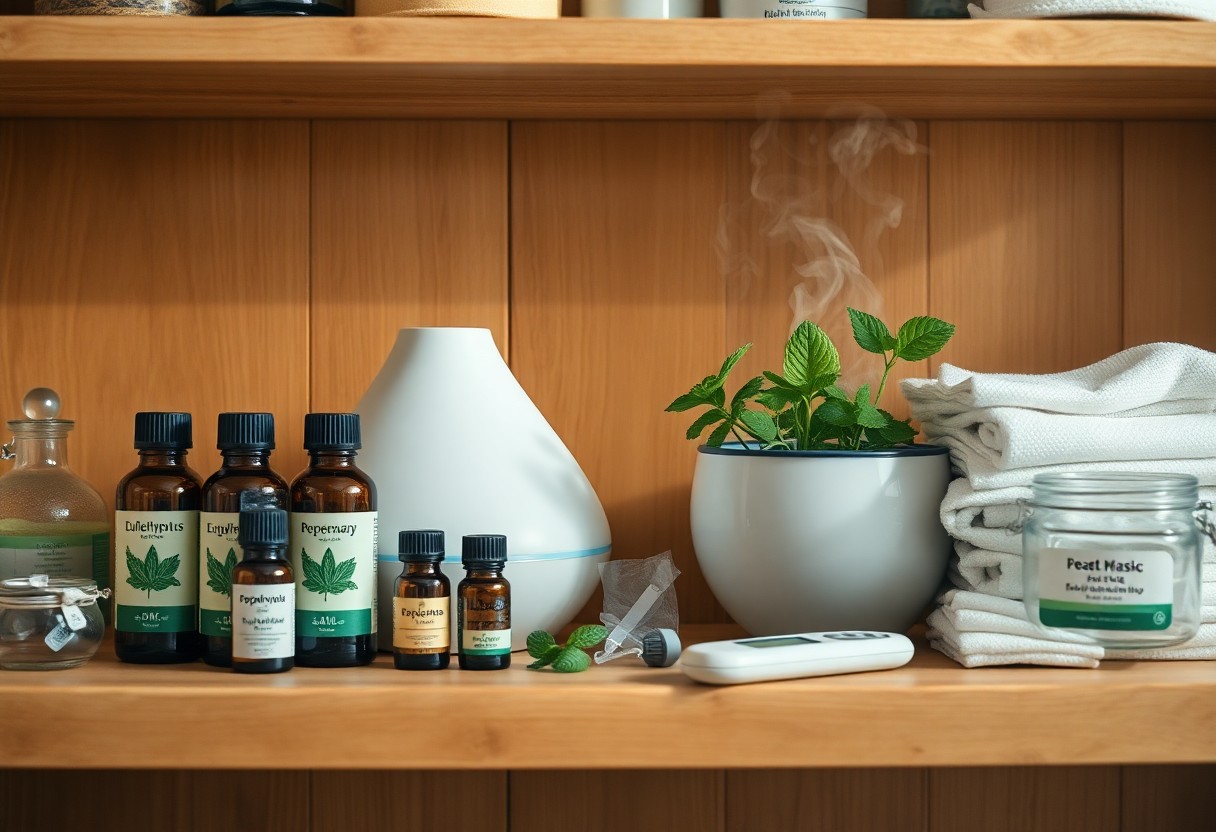
When you choose oils for respiratory support, prioritize evidence-backed options like eucalyptus, peppermint, and lavender for expectorant, cooling, and calming effects; tea tree adds mild antimicrobial action. Consult trusted guides such as How to Build an All-Natural Medicine Cabinet for sourcing and storage. Use controlled inhalation methods only, and never inhale undiluted crucial oils or apply them neat to skin.
Utilizing Diffusers
Use an ultrasonic diffuser with 3-5 drops per 100 ml water for small rooms and run it in 15-30 minute cycles to avoid sensory overload; continuous diffusion can irritate sensitive airways. Rotate oils-eucalyptus for congestion, lavender for sleep-and keep sessions under 30 minutes. Avoid diffusing around infants and pets, and ventilate the space between uses.
Safe Application Methods
Topical use requires dilution: aim for 1-2% for adults (≈6-12 drops per 30 ml carrier oil), lower concentrations for children (0.25-1%). Perform a patch test on the inner forearm for 24 hours, avoid mucous membranes, and do not ingest oils. If you are pregnant or have chronic conditions, seek professional advice before use.
For practical dilution: 1% equals about 6 drops in 30 ml carrier oil, 2% about 12 drops; for a 10 ml roller bottle that’s roughly 2 drops for 1% or 4 drops for 2%. Choose neutral carriers like jojoba, fractionated coconut, or sweet almond. Apply diluted blends to the chest or upper back, not the throat or inside nostrils. If any burning, rash, dizziness, or breathing difficulty occurs, wash the area, stop use, and consult a clinician immediately; do not continue use if adverse reactions appear.
Creating Your Natural Medicine Cabinet
Start by selecting a cool, dark spot with stable temperatures (about 50-70°F / 10-21°C) and low humidity to slow degradation. You’ll want shelf spacing for jars and bottles-6-10 inches works for most dropper bottles and salve tins. Place heavier items low and keep a lockable box or high shelf if children are in the home; sunlight and heat will rapidly reduce potency, so avoid windows and heaters.
Choosing the Right Containers
Use amber glass dropper bottles (1-2 oz) for tinctures and 4-8 oz wide-mouth jars for salves to limit light exposure and oxidation. Pick child-resistant caps for crucial oils because many are toxic if swallowed, and opt for PET or food-grade HDPE for syrups only when glass isn’t practical. Label every container with contents, concentration, and date.
Organizing Your Remedies
Group items by function-first aid, respiratory supports, immune boosters, and topicals-so you can grab what you need quickly during a flare. Label shelves and containers with dates and a brief use note; tinctures typically keep 2-5 years while glycerites and syrups often last 1-14 days refrigerated depending on preparation. Keep high-risk items locked or out of reach and rotate older stock forward.
Adopt a simple system: use 3-5 color-coded bins (e.g., red for emergency kits: saline spray, thermometer, steam inhaler), clear containers for visibility, and a monthly checklist on your phone or a printed inventory. Rotate stock every 6-12 months, discard anything cloudy or off-smelling, and keep dosing and contraindication notes with each group so you and anyone caring for you can act quickly and safely.
Everyday Tips for Respiratory Wellness
Keep indoor humidity at 40-50% to limit mold and dust mites, use a hygrometer ($10-20) and ventilate 10-15 minutes daily; a HEPA air purifier can cut particulate count by up to 99% in small rooms. Wash bedding weekly at 60°C and avoid indoor tobacco smoke, which increases airway irritation and infection risk. Any changes you make should be gradual and tracked for symptom improvement.
- Run your HEPA filter 1-2 hours after cooking or guests
- Maintain humidity 40-50% with a hygrometer and humidifier/dehumidifier
- Ventilate: open windows 10-15 minutes twice daily
- Avoid smoke: no indoor smoking, reduce scented candles
- Practice hand hygiene: wash 20 seconds to cut respiratory infections
Lifestyle Changes for Better Breathing
You can reduce triggers by vacuuming with a HEPA cleaner twice weekly and swapping HVAC filters every 3 months; practice diaphragmatic breathing 10 minutes daily and aim for 20-30 minutes of moderate exercise 3-5 times per week to boost airway clearance and stamina. If you have allergies, keep pets out of bedrooms and wash curtains monthly to cut allergen load.
Incorporating Herbs into Your Diet
You can use culinary herbs with evidence for respiratory support-try ginger (1-2 g fresh in tea), 1 tsp turmeric with a pinch of black pepper daily, and 1 tsp dried thyme in broth to ease cough and mucus. Choose food-based doses for daily use and avoid high-dose supplements if you take blood thinners or are pregnant.
Prepare herbs to maximize benefit: steep fresh ginger 10 minutes, infuse thyme 5-7 minutes for expectorant steam, and take turmeric with a fat source plus black pepper because piperine can increase curcumin absorption up to 2000%. Clinical studies often use 500-2,000 mg standardized curcumin daily, so use culinary amounts for routine support and reserve concentrated extracts for short-term, monitored use if you take blood thinners.
Safety Considerations and Storage
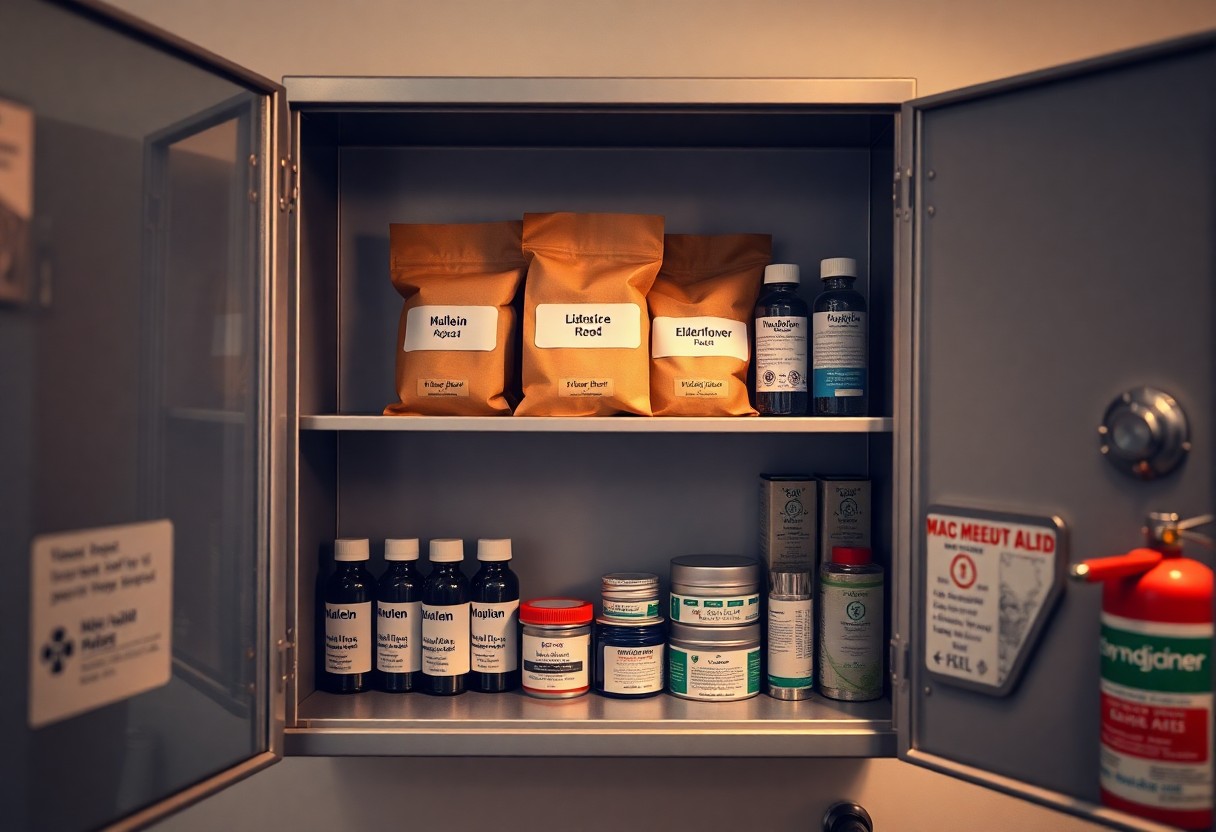
When assembling your cabinet, prioritize clear labeling, separation from prescription drugs, and easy access to safety data: note expiration dates, contraindications such as pregnancy or anticoagulant use, and who in your household should avoid each item. Store items where you can see them to rotate stock; for example, check everything monthly and discard dried herbs older than 24 months or tinctures showing cloudiness. If you take prescription meds, compare ingredient lists to avoid interactions before using a new remedy.
Proper Usage of Herbal Remedies
Use measured preparations: for teas, steep 1-2 teaspoons of dried herb per 8 oz water for 5-10 minutes; tinctures are commonly taken as 20-40 drops (1-2 mL) two to three times daily unless labeled otherwise. Confirm herb-drug interactions-St. John’s wort affects CYP enzymes and can lower birth control or antidepressant levels, while garlic and ginkgo can increase bleeding risk with warfarin. If pregnant, nursing, under 12, or on medications, consult your clinician first.
Storing Your Medicine Cabinet
Keep the cabinet cool and dry-aim for 50-70°F (10-21°C) and humidity under 50%, use airtight amber glass jars for dried herbs and oils to block light, and label every container with batch and opened dates. Store imperative oils and concentrated tinctures out of reach of children and pets and separate from food; place a lock or childproof latch on the cabinet if young children are in the home.
More storage details: refrigerate perishable items-homemade elderberry syrup typically lasts 2-3 weeks refrigerated, while commercial syrups often list longer refrigerated shelf lives. Use desiccant packs for bulk herbs, rotate stock using a first-in, first-out system, and keep an inventory sheet with purchase and expiry dates. For high-value items like probiotics or certain enzymes, follow manufacturer temperature ranges and keep receipts/warranties in the cabinet for reference.
Summing up
So by selecting high-quality herbs, salts, important oils, supportive devices, and clear usage notes, you can create a compact, well-organized natural medicine cabinet for respiratory health; label items, store them safely, keep a simple log of what works for your symptoms, and consult a healthcare provider if issues persist.
FAQ
Q: What should I include in a natural medicine cabinet for respiratory health?
A: Include saline nasal spray or a neti pot, a clean humidifier or vaporizer, distilled water, steam-inhalation supplies (heatproof bowl and towel), quality raw honey (for ages >1 year), herbal teas (ginger, licorice, peppermint, thyme), elderberry syrup, zinc lozenges, vitamin C, a basic chest rub made with a carrier oil plus 1-2 appropriate important oils (eucalyptus or rosemary for adults), garlic or oregano oil supplements, throat lozenges, a digital thermometer, pulse oximeter (if you have risk factors), and a record of allergies and current medications.
Q: How do I use these remedies safely and what are common doses/recipes?
A: Saline nasal rinse: mix 1 cup (240 mL) sterile/distilled warm water, 1/4 tsp non-iodized salt, and a pinch of baking soda; discard unused solution after 24 hours. Steam inhalation: pour hot water into a bowl, add 1-3 drops of important oil (adults only), inhale under a towel for 5-10 minutes; avoid steam for young children. Humidifier target 40-60% relative humidity and clean daily. Essential oil topical dilution: 1% (about 6 drops per 30 mL carrier oil) for daily adult use, 2% only for short-term adult use; do not apply undiluted oils and avoid certain oils in pregnancy and young children. Honey for cough: 1 teaspoon for toddlers (age >1) and 1-2 teaspoons for older children/adults at bedtime. Zinc lozenges: commonly 15-30 mg elemental zinc every 2-4 hours while symptomatic, short-term only; follow product guidance. Vitamin C: 500-1,000 mg daily as tolerated. Elderberry syrup: follow label dosing (often 1 tbsp for adults, 1 tsp for children) for short courses. If pregnant, nursing, on blood thinners, immunocompromised, or using prescription drugs, consult a clinician before starting supplements or strong herbal preparations.
Q: How should I store and maintain items, and when should I seek medical care?
A: Store herbs, supplements, and oils in a cool, dark place away from direct sunlight; keep important oils sealed and out of reach of children. Label homemade mixtures with date and discard per guidance (homemade saline after 24 hours, syrups per recipe). Clean humidifiers and vaporizers daily and follow manufacturer filter schedules; wash neti pots and inhalation bowls after each use. Seek prompt medical care if you experience severe or worsening shortness of breath, difficulty speaking or swallowing, blue or gray lips/fingertips, persistent high fever (>39°C/102°F) or fever that returns after improvement, chest pain, blood when coughing, signs of dehydration or confusion, or symptoms that significantly worsen or persist beyond 7-14 days; seek urgent care for infants, elderly, or immunocompromised individuals with respiratory symptoms.

Medical Disclaimer
This article is for informational purposes only and is not a substitute for professional medical advice, diagnosis, or treatment. Always consult a qualified healthcare provider before starting, stopping, or changing any treatment, especially if you are pregnant, nursing, have a medical condition, or are taking medications. Never disregard professional medical advice or delay seeking it because of something you have read here. If you experience severe symptoms, allergic reactions, or think you may have a medical emergency, seek immediate care.
