
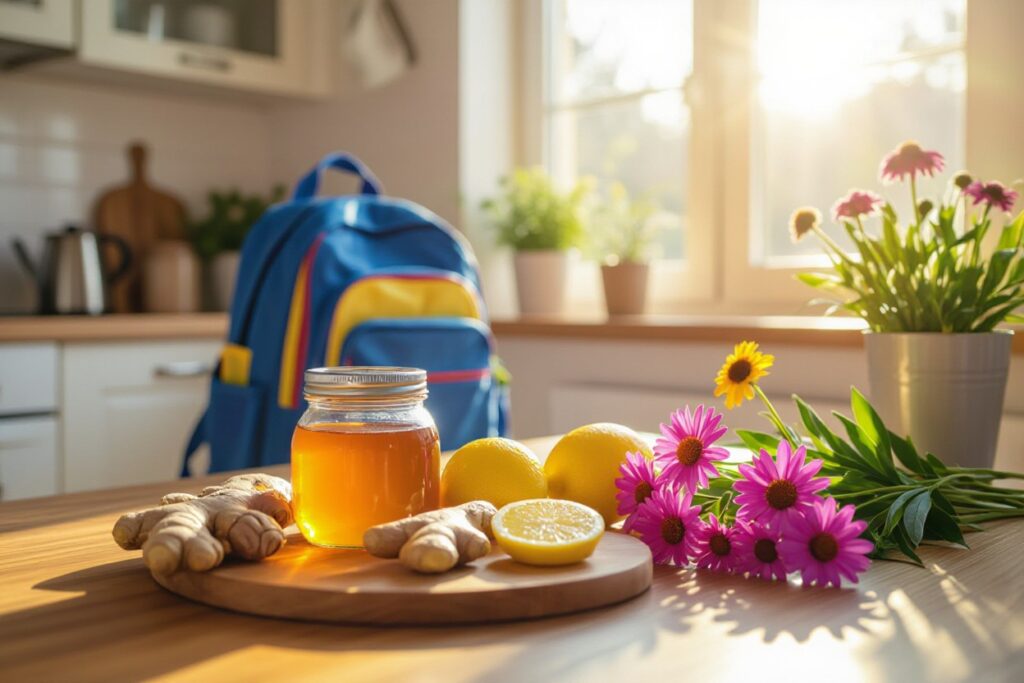
Most families find simple natural habits help keep kids healthier when school starts: you can boost your child’s defenses with plenty of sleep, frequent handwashing, vitamin-rich meals, hydration, and humidified air; offer warm soups, elderberry or vitamin C-rich fruits, and honey for children over one. “A little prevention goes a long way.” Encourage gentle exercise and teach cough etiquette to protect your family during the season.
Understanding Common Colds in Kids
Young children average 6–8 colds per year, and your household often sees spikes when school or daycare resumes. Rhinoviruses cause about 30–50% of cases, with 1–3 day incubation and contagiousness starting before symptoms. Outbreaks spread quickly via shared toys and close contact, so planning extra handwashing and backup care helps you manage predictable waves.
What Causes Colds?
More than 200 different viruses can cause colds, with rhinoviruses, coronaviruses, RSV and adenoviruses most common. They travel in droplets and on surfaces, so if your child touches a contaminated toy then their face, infection risk rises. Immature immunity and frequent group exposure at preschool explain why younger kids get infections far more often than adults.
Symptoms to Watch For
Typical signs include runny nose, nasal congestion, sneezing, sore throat, mild cough and low-grade fever; your child may eat less and nap more. Symptoms usually peak in 2–3 days and start improving within a week, though coughs can linger. Watch how your child breathes and drinks to gauge severity.
Pay attention to warning signs such as high fever (over 39°C/102.2°F), difficulty breathing, persistent vomiting, or inability to stay hydrated. If symptoms worsen after initial improvement or persist beyond 10 days, complications like ear infection or sinusitis are more likely. “If your child has rapid breathing, blue lips, or can’t keep fluids down, seek medical care immediately,” pediatric guidance often advises.
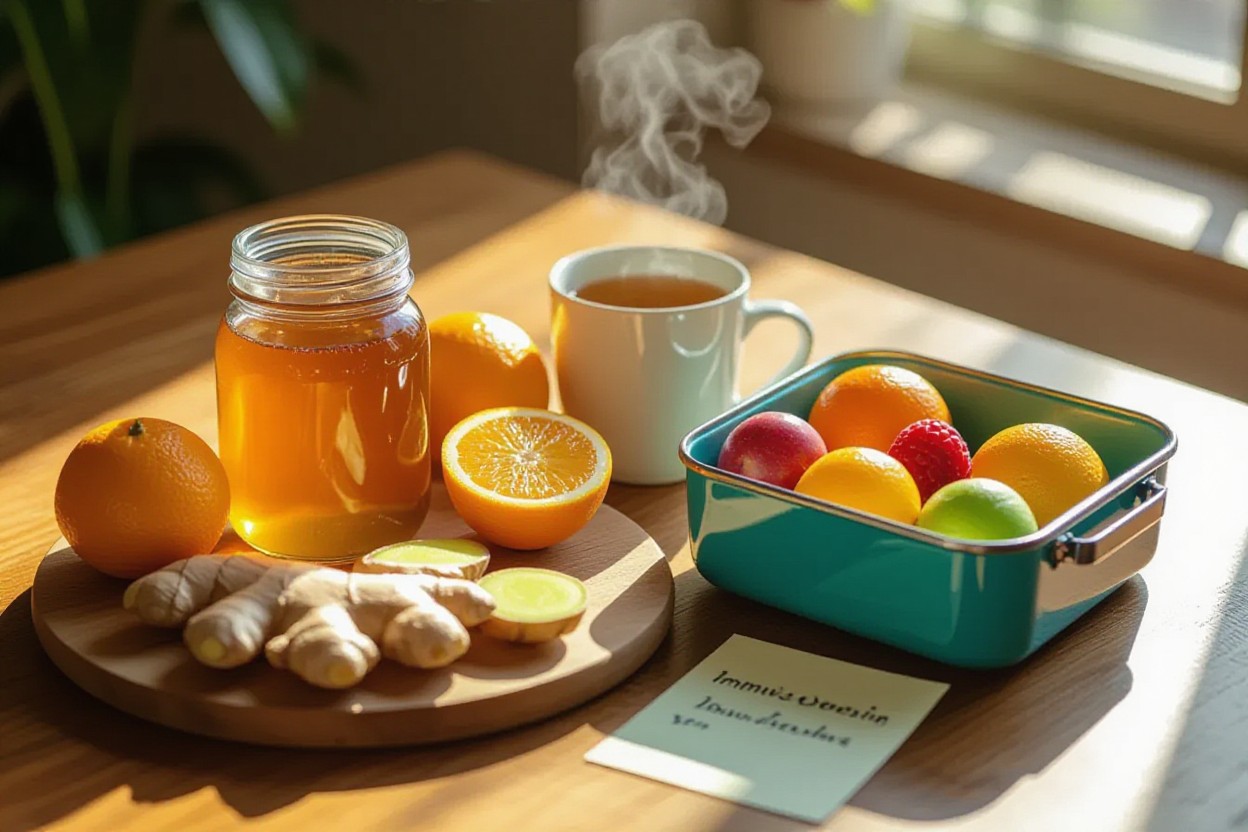
Importance of Prevention
With classrooms of 20–30 kids, infections spread fast, so you want practical steps that reduce risk: handwashing can cut respiratory illness by about 20%, and daily habits like sleep, hydration, and vitamin-rich meals lower susceptibility. Targeted prevention also means fewer missed school days—school-Age children average 6–8 colds per year—so small actions at home and school add up to big benefits for your child’s attendance and learning.
Why Natural Remedies?
Because you can often use low-risk, evidence-backed options first: honey (for children over 1 year) reduces cough frequency with a single 1/2–1 teaspoon dose at night, and probiotics like Lactobacillus rhamnosus GG (1–10 billion CFU daily) have been linked to fewer respiratory issues. As one pediatrician puts it, “small habits add up,” so combining diet, sleep, and gentle remedies supports recovery without automatic antibiotics.
Benefits of a Healthy Immune System
When your child’s immune system is well-supported, they get sick less often and recover faster—school-age kids who eat balanced diets and sleep 9–11 hours miss fewer days and need fewer doctor visits; studies link adequate vitamin D and regular physical activity to lower rates of acute respiratory infections. This means steadier learning, less parental stress, and reduced antibiotic prescriptions.
Digging deeper, you’ll find specific gains: consistent sleep (9–11 hours), a diet with 1–2 servings of fatty fish per week for omega-3s, and 400–1,000 IU vitamin D for many children can each reduce infection risk. For example, daycare studies show hand hygiene plus probiotic use cut respiratory episodes by 30% in some cohorts, so combining measures gives measurable protection and fewer sick days for your family.
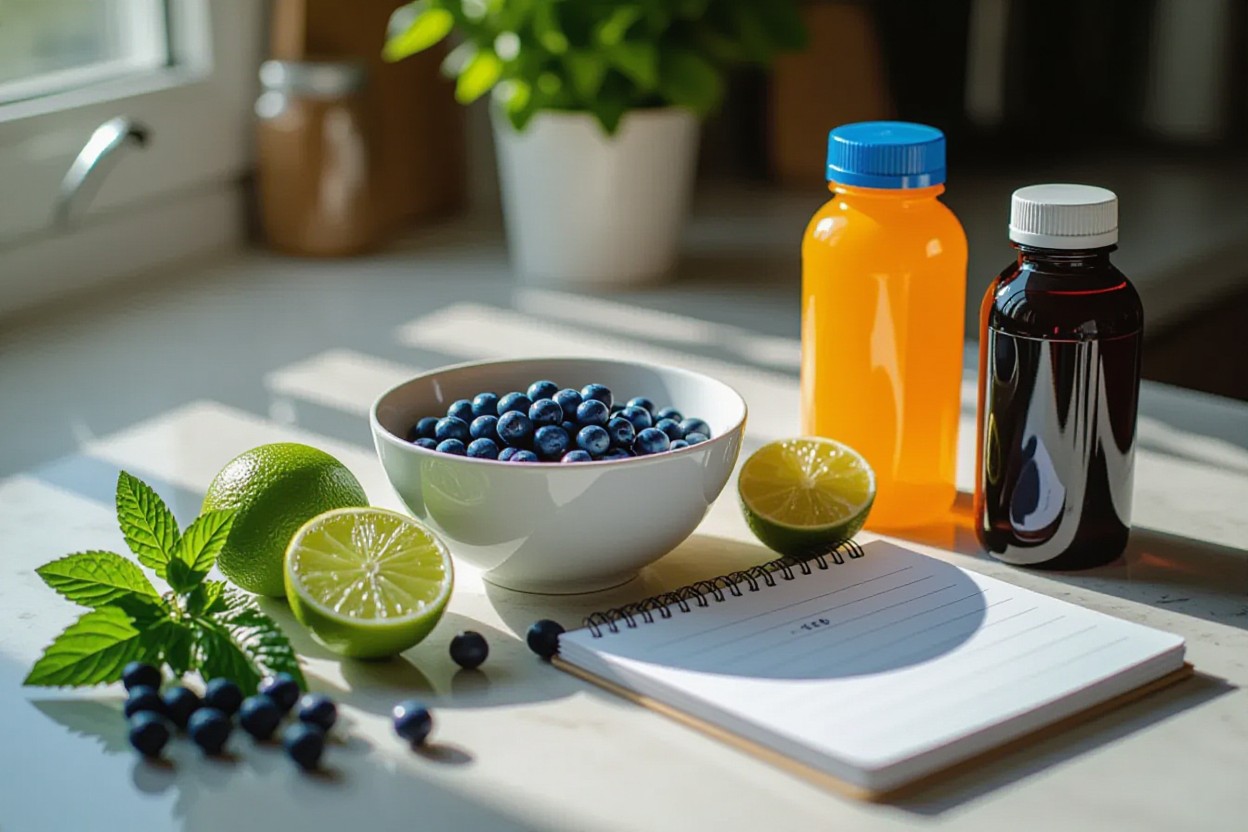
Natural Remedies for Cold Prevention
Combine targeted nutrients, sleep, hydration and hygiene to lower your child’s risk: wash hands for at least 20 seconds, aim for 9–12 hours of sleep for school-age kids, keep bedroom humidity at 40–60%, and offer fluids like water or diluted fruit juice. Focus on consistent habits—studies link better sleep and hand hygiene with fewer colds—and rotate seasonal produce to boost variety in the diet.
Essential Nutrients
Prioritize vitamin C, vitamin D and zinc through foods and, when needed, supplements: citrus, bell peppers and berries supply vitamin C (age-based needs vary from ~15 mg for toddlers to 65–90 mg for teens); vitamin D is commonly recommended around 600 IU/day for children 1–18; zinc appears in meat, beans and pumpkin seeds. Add probiotic yogurt (live cultures) to support gut immunity, and consult your pediatrician before starting supplements for dosing by age.
Herbal Teas and Infusions
Ginger, chamomile and peppermint teas soothe airways and can reduce inflammation; steep 1-inch fresh ginger or 1 tsp dried root per 8 oz water for 5–10 minutes, serve lukewarm and sweeten with honey only if your child is over 1 year. “A warm cup can calm more than the throat,” and peppermint’s menthol eases congestion while chamomile promotes sleep—use small servings (2–4 oz) for preschoolers and 4–8 oz for older kids.
When offering infusions, limit servings to 1–2 times daily for toddlers and up to 3 times for school-age kids, and watch your child for allergic reactions over 24–48 hours. Avoid licorice if your child has high blood pressure, and use echinacea only short-term (≤2 weeks) as some studies suggest benefit for early symptoms. Use 1 tsp dried or 1 tbsp fresh herb per 8 oz water, steep 5–10 minutes, and cool to a safe temperature before you serve it.
Boosting Immunity Through Diet
You can support your child’s defenses by focusing on variety: aim for at least five servings of colorful fruits and vegetables daily, 1–2 servings of oily fish per week for omega‑3s, and a daily portion of probiotic yogurt. Include zinc sources like pumpkin seeds or lean meat and vitamin A from sweet potatoes and carrots. Small, consistent choices—like swapping a sugary drink for water and a piece of fruit—lower illness days over the school year. “Food is powerful medicine.”
Superfoods for Kids
Load lunches with kid-friendly superfoods: ½ cup berries for vitamin C and flavonoids, a small handful of spinach for iron and folate, 1 egg for choline, and beans for fiber and protein. You can add 1–2 tablespoons of pumpkin seeds or a smear of nut butter for zinc and healthy fats. These items boost nutrient density without extra sugar, making each meal more protective during peak cold season.
Fun and Healthy Snack Ideas
Try yogurt parfaits (½ cup Greek yogurt + ¼ cup berries + 1 tbsp seeds), apple slices with 1 tbsp almond butter, carrot sticks with 2 tbsp hummus, whole‑grain crackers with cheese, or frozen banana‑yogurt bites. Pack snacks in portioned containers of about 100–200 calories so you control portions and keep energy steady between meals.
Prep snacks the night before: assemble 4–5 grab‑and‑go packs (veggie sticks, dip, fruit, protein) and store at kid eye level so they choose healthy options. Involve your child in picking flavors and portions—when they help, intake of fruits and vegetables often rises. Pairing carbs with protein (fruit + nut butter, crackers + cheese) slows sugar spikes and helps sustain attention during class.
Creating a Healthy Routine
Set consistent wake, meal, and hand-washing times so your child knows the daily rhythm; aim for 9–12 hours of sleep for ages 5–12 and include one fruit or vegetable in lunches. Pack a small sanitizer and tissues, and consult At-home Cold Remedies for Kids for quick at-home steps to shorten symptoms. “Consistency beats chaos” — small, repeated habits cut illness spread and make prevention manageable.
Good Hygiene Practices
Teach your child to wash hands for at least 20 seconds with soap, which can lower respiratory infection risk by roughly 20%. Encourage coughing into the elbow, using disposable tissues, and avoiding face-touching at school. Keep a 60%+ alcohol hand sanitizer in backpacks and replace it after 6–8 weeks of daily use; role-modeling these behaviors twice a day helps them become automatic.
Importance of Sleep
Your child’s immune response depends on regular sleep: ages 5–12 need 9–12 hours and teens 8–10, and short sleep is linked to higher infection rates. Create a wind-down routine—screens off 60 minutes before bed, dim lighting, and a calming activity like reading. Aim to keep weekday–weekend sleep variance under 2 hours to maintain strong resistance to colds.
For added benefit, optimize sleep quality as well as duration: keep the bedroom at 65–70°F (18–21°C), reduce light and noise to boost slow-wave sleep when the body releases immune-supporting cytokines and growth hormone, and avoid high-sugar snacks within 2 hours of bedtime. If naps help, limit them to 20–30 minutes after school to prevent delayed bedtimes, and aim for consistent bedtimes within a 30-minute window each night to improve sleep efficiency.
Fun Activities to Keep Kids Healthy
Active Play Ideas
Mix short burst games and longer play: aim for 60 minutes of active time daily as recommended for 5–17-year-olds. You can set a 20-minute backyard obstacle course, a 15-minute living-room dance party, or family bike rides three times a week. Let your child lead tag, hopscotch, or scooter challenges to build stamina and improve sleep, and use a timer plus simple rewards so you track progress without pressure.
Learning about Health
Teach simple habits through games: make a 20-second handwash sing-along, quiz your child on five colors of fruits to hit five daily servings, and chart sleep with a 9–11 hour goal for ages 6–12. You can role-play cough etiquette, pack a labeled tissue kit, and practice packing balanced lunches so healthy choices become routine at school.
Studies show good hygiene cuts respiratory and stomach bugs by about 20–30%, so you can use hands-on demos like glitter to show germ spread, set a sticker reward for five days of proper handwashing, and review lunchbox portions with a half-fruits/veggies rule. “Washing hands for 20 seconds keeps germs at bay,” you can sing this as a cue before meals and after play to help habits stick.
Conclusion
From above, you can use simple natural remedies to help keep your kids healthy as they return to school; boosting sleep, hydration, handwashing, vitamin-rich foods, and gentle herbal support gives you practical tools to reduce sniffles. “Small habits add up,” and with consistent care your family can enjoy a smoother season.
FAQ
“An ounce of prevention is worth a pound of cure.”
Q: How can I reduce my child’s risk of catching colds when school starts?
A: Focus on daily habits that lower exposure and boost defenses: teach proper handwashing with soap and water for 20 seconds (before eating, after restroom use, after play), cover coughs and sneezes with a tissue or elbow, discourage face touching, wash or wipe down backpacks, water bottles and high-touch items weekly, keep a spare set of clothes at school, encourage kids to stay home when they’re clearly ill, and ensure adequate sleep and balanced meals to support immunity.
Q: What safe, natural remedies help relieve cold symptoms in children?
A: For symptom relief use age-appropriate, nonpharmacologic measures: saline nasal sprays or drops and gentle suction for young infants to clear congestion; warm fluids (broth, caffeine-free tea, water) and steam from a humidifier to ease cough and nasal dryness; honey (only for children over 12 months) 1/2–1 teaspoon for nighttime cough; warm compresses for sinus comfort; and extra rest. Avoid crucial oils around infants and small children. Consult your pediatrician before trying herbal syrups, elderberry, zinc, or other supplements, and stop any treatment that causes irritation or worsening symptoms.
Q: Which foods, supplements and routines safely support kids’ immune systems during the school year?
A: Prioritize a varied diet rich in fruits, vegetables, whole grains and protein to supply vitamin C, fiber and other nutrients; regular outdoor time for sunlight exposure to support vitamin D; consistent sleep schedules and daily physical activity; and good hydration. Supplements like vitamin D or probiotics can be helpful for some children but should be used only at pediatrician-recommended doses. Zinc may reduce cold duration if started early but should be dosed carefully and not given as intranasal products. Always check with your child’s clinician before starting supplements and follow age-appropriate guidelines.

Medical Disclaimer
This article is for informational purposes only and is not a substitute for professional medical advice, diagnosis, or treatment. Always consult a qualified healthcare provider before starting, stopping, or changing any treatment, especially if you are pregnant, nursing, have a medical condition, or are taking medications. Never disregard professional medical advice or delay seeking it because of something you have read here. If you experience severe symptoms, allergic reactions, or think you may have a medical emergency, seek immediate care.
