
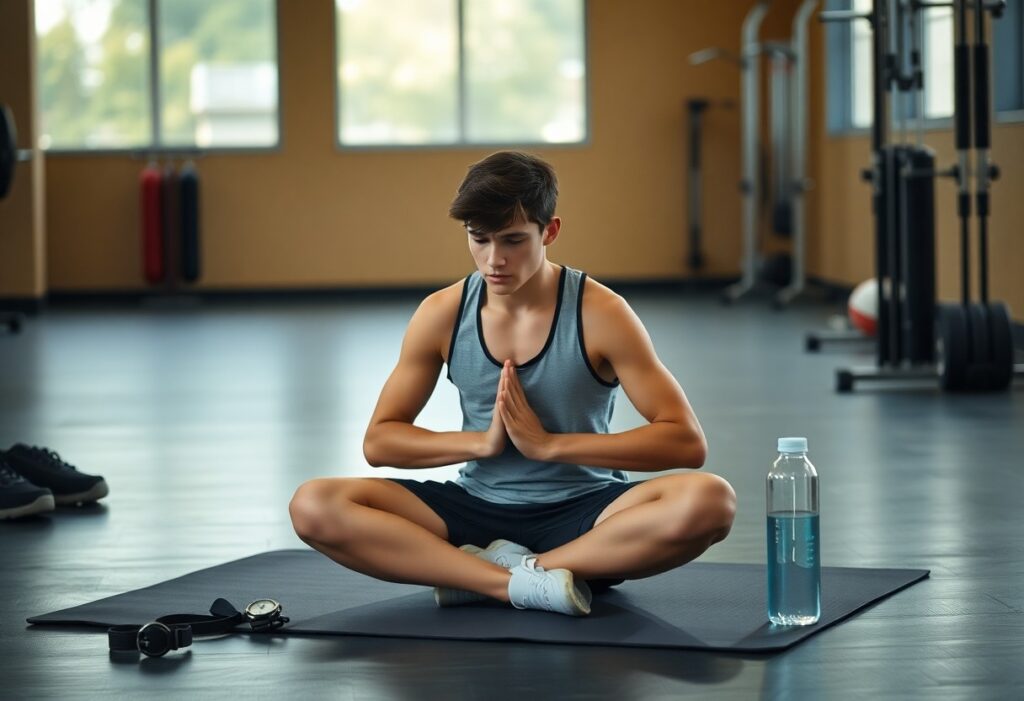
You can significantly boost your athletic performance by exploring breathing techniques. These natural methods not only enhance your endurance but also improve focus and reduce stress. By practicing techniques like diaphragmatic breathing and box breathing, you’ll find that your body can recover faster and perform better during intense training and competitions. Embrace these strategies to unlock your full potential, ensuring you’re always at the top of your game.
The Importance of Breathing for Athletes
Your breathing plays a vital role in athletic performance, influencing everything from stamina to recovery. Optimal oxygen intake helps fuel your muscles during intense activity, allowing you to push your limits. Additionally, efficient breathing techniques can help stabilize your heart rate and reduce anxiety, enabling you to focus on your performance without being easily fatigued.
How Breathing Affects Performance
Breathing directly impacts your body’s oxygen supply, which is important for energy production. With each breath, oxygen goes to your muscles, enhancing endurance and power output. Inadequate breathing can lead to early fatigue, decreased performance, and even impact your ability to concentrate during your game.
Common Breathing Techniques for Teens
Several effective breathing techniques can enhance your athletic performance. Diaphragmatic breathing allows for deeper breaths, utilizing the full capacity of your lungs. Box breathing helps maintain calmness and focus, particularly during high-pressure situations. Lastly, rhythmic breathing, or coordinating your breath with your movements, can improve your stamina and overall efficiency.
Diaphragmatic breathing involves inhaling through your nose, allowing your diaphragm to expand your abdomen rather than using just your chest. This technique increases lung capacity and promotes relaxation. Box breathing consists of inhaling for four counts, holding for four counts, exhaling for four counts, and pausing for four counts before repeating; it’s particularly beneficial during stressful competition moments. Rhythmic breathing synchronizes your breath with your strides or strokes, providing a steady flow of oxygen and enhancing endurance. Practicing these methods regularly can lead to significant improvements in both your physical and mental performance in sports.
Natural Methods to Enhance Breathing
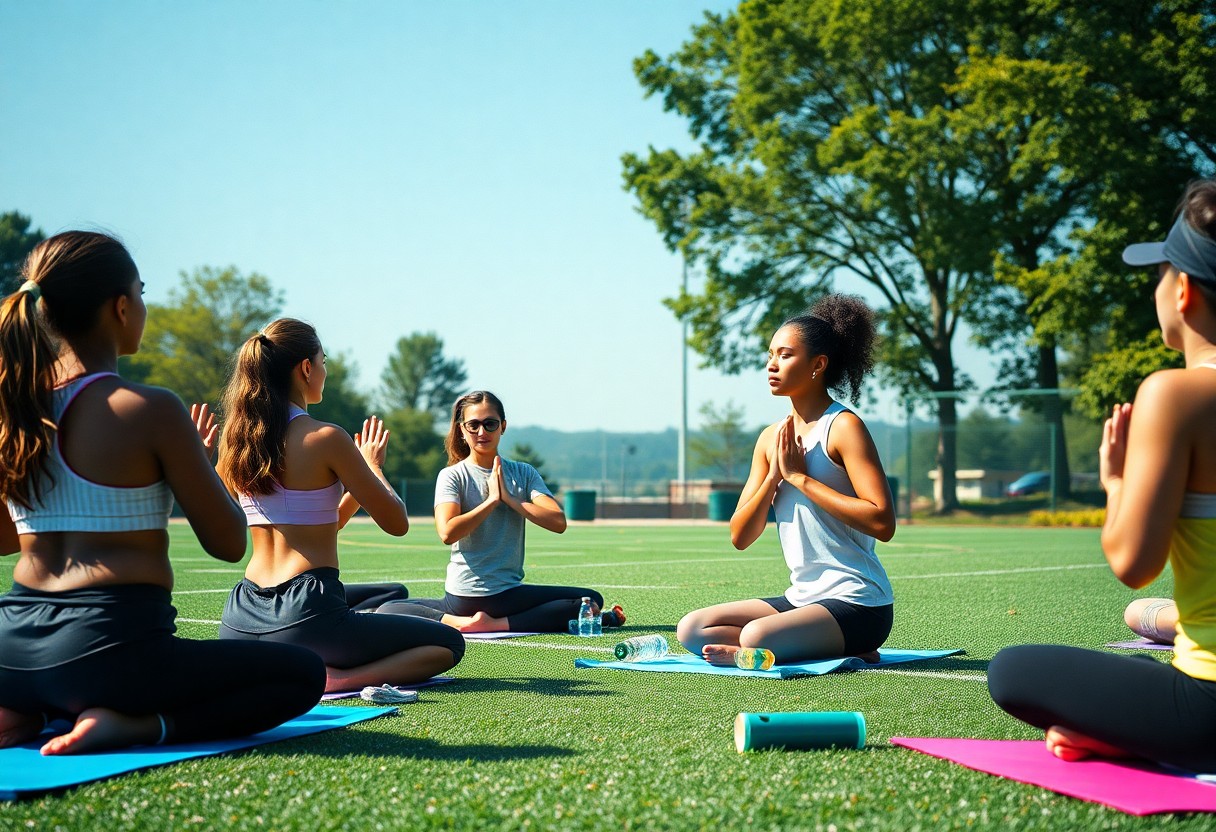
Optimizing your breathing technique can lead to improved athletic performance. Incorporating natural methods not only enhances oxygen delivery but also helps in stress reduction, resulting in better focus during your sports activities. Explore techniques such as diaphragmatic breathing and mindfulness practices through yoga and meditation to unlock your full potential.
Diaphragmatic Breathing
Diaphragmatic breathing, or belly breathing, involves engaging your diaphragm to enhance lung capacity. By inhaling deeply and allowing your abdomen to expand, you improve oxygen intake and promote relaxation. This technique helps you maintain stamina in high-intensity sports and can even reduce anxiety levels, keeping you calm under pressure.
The Role of Yoga and Meditation
Integrating yoga and meditation into your routine can significantly enhance your breathing efficiency. These practices train you to cultivate awareness of your breath, which can help in managing your energy levels during athletic performance. Engaging in regular sessions improves lung function and promotes a sense of calm, ultimately benefiting your focus and endurance.
For instance, studies have shown that athletes who practice yoga regularly experience not only enhanced respiratory function but also improved mental clarity. A consistent yoga routine can include poses like the “Lion Breath,” which helps to clear the mind, and “Bridge Pose,” resulting in better lung expansion. Incorporating meditation exercises that focus on breath awareness further allows you to develop a deeper connection to your breath, fostering resilience and concentration during competition.

Breathing Exercises for Teen Athletes
Incorporating breathing exercises into your training routine can significantly enhance your performance. These techniques promote relaxation, improve oxygen uptake, and help you maintain focus during high-pressure situations. Practicing controlled breathing not only aids physical endurance but also fosters a mental state conducive to peak performance.
Simple Techniques for Daily Practice
Start your day with simple breathing techniques like the diaphragmatic breath or the 4-7-8 method. Inhale deeply through your nose for four counts, hold for seven, and exhale through your mouth for eight counts. Just five minutes of this daily can heighten your awareness of breath control, reduce stress, and prepare your body for optimal performance.
How to Use Breathing in Competition
In competitive settings, effective breathing can help you stay calm and focused. Picture yourself taking deliberate, deep breaths before the start of an event to center your thoughts and steady your heart rate. Utilize techniques such as rhythmic breathing to align your breaths with your movements, enhancing both your physical and mental coordination.
During competition, using rhythmic breathing can be particularly beneficial. For example, if you’re a runner, synchronizing your breath with your strides can help maintain a steady pace and reduce fatigue. Focus on inhaling during your stronger strides and exhaling during recovery strides, creating a natural rhythm that can enhance endurance and keep anxiety at bay. This practice not only improves oxygen flow to your muscles but also creates a calming effect, allowing you to remain centered amid the chaos of competition.
Nutrition and Hydration for Optimal Breathing
Your nutrition directly affects your ability to breathe efficiently while performing. A diet rich in antioxidants, vitamins, and minerals can enhance lung function, support immune health, and improve endurance. Foods like berries, leafy greens, and nuts are packed with vital nutrients that help maintain optimal respiratory health. Additionally, healthy fats from sources like fish and avocados can reduce inflammation in your airways, allowing for smoother airflow during intense workouts.
Foods that Support Respiratory Health
lung function and reduce inflammation. Foods high in vitamin C, such as oranges and bell peppers, also help support your immune system and lung health. Dark leafy greens, like kale and spinach, contain nitrates that may improve blood flow, ultimately enhancing your exercise performance.
Importance of Staying Hydrated
Staying hydrated is vital for maintaining optimal lung function and overall athletic performance. Proper hydration keeps your mucous membranes moist, which helps you maintain clear airways and facilitates better oxygen exchange. Moreover, dehydration can lead to fatigue, reduced endurance, and even cramping, hindering your performance on the field or court.
When playing sports, your body loses water through sweat, which can adversely affect your respiratory system. Studies show that even a 2% loss in body weight due to dehydration can significantly impact your performance. Aim to drink water before, during, and after exercise, adjusting your intake based on the intensity and duration of your activity. Consider adding electrolyte-rich drinks for extended sessions to replenish vital minerals and maintain optimal hydration levels.
Real-Life Success Stories
Teen Athletes Who Benefited from Breathing Techniques
Many teen athletes have experienced remarkable improvements in performance through effective breathing techniques. For instance, a high school cross-country runner increased their 5K time by over two minutes after incorporating specific breathing drills, showcasing the impact of Breathing Drills for Athletes. Additionally, a soccer player noted enhanced stamina, allowing them to maintain peak performance throughout matches by mastering breath control.
Coaches’ Perspectives
Coaches have observed significant benefits of teaching breathing techniques in their training programs. They report that athletes demonstrate improved concentration and reduced anxiety, leading to better overall performance. For example, a basketball coach found that players who practiced mindful breathing before games made fewer mistakes and played with greater confidence, suggesting that breathing techniques can foster not just physical prowess but mental resilience as well.
Insights from various coaches indicate that integrating breathing exercises into practice routines can transform How athletes handle pressure. They have recorded instances where enhanced focus, achieved through structured breathing methods, has consistently led to stronger game performances. As a result, many are now prioritizing this aspect in their training regimens to maximize athlete potential.
Tips for Parents and Coaches
Supporting your teen athlete’s performance can be greatly enhanced through focused breathing techniques. Consider these strategies:
- Integrate breathing exercises into practice sessions.
- Promote mindfulness and relaxation before competitions.
- Encourage consistent practice outside of athletic environments.
- Lead by example and adopt healthy habits yourself.
Recognizing the significance of these methods can empower adolescents to optimize their performance effectively.
Encouraging Breathing Practices
Incorporating simple breathing techniques into your athlete’s routine can significantly improve focus and reduce anxiety. Teach them methods such as diaphragmatic breathing or box breathing before practices and games. Consistent practice fosters better stress management, allowing them to remain calm and centered during competition.
Creating a Supportive Environment
A supportive environment is vital for a teen athlete’s growth. Ensure that communication is open, fostering a space where they feel comfortable expressing challenges. Create a culture that values effort and improvement over mere outcomes, celebrating progress and resilience. Provide opportunities for athletes to share experiences, which can build camaraderie and mutual encouragement, making the journey enjoyable.
In this setup, you also instill a sense of belonging, allowing your teen to thrive. Highlight their achievements, no matter how small, to boost their confidence. Engaging in team-building activities can strengthen relationships, further enhancing overall morale and cohesion. When they feel supported, teens are more likely to explore and adopt breathing techniques effectively, translating to better performance and well-being in sports.
To wrap up
Now that you’ve explored various natural performance enhancement methods for breathing, you can apply these techniques to improve your athletic abilities. Focusing on your breath not only boosts your physical stamina but also sharpens your mental clarity. Incorporating practices like diaphragmatic breathing and mindfulness into your routine can help you enhance your overall performance while keeping you grounded during competition. Embrace these methods to unlock your full potential and enjoy the journey of becoming a better athlete.
FAQ
Q: How does breathing technique affect athletic performance in teen athletes?
A: Proper breathing techniques enhance oxygen delivery to muscles, improve endurance, and reduce fatigue. Techniques such as diaphragmatic breathing help maintain energy levels during physical exertion and aid in faster recovery post-exercise.
Q: What are some natural breathing methods that can benefit teen athletes?
A: Natural methods include diaphragmatic breathing, box breathing, and pursed lip breathing. These techniques promote relaxation, increase lung capacity, and optimize oxygen intake, all of which can enhance overall performance in sports.
Q: How can teen athletes integrate breathing exercises into their training regimen?
A: Athletes can incorporate breathing exercises during warm-ups, cooldowns, or even breaks in training sessions. Setting aside 5-10 minutes for focused breathing can improve mental clarity and physical readiness for subsequent workouts.

Medical Disclaimer
This article is for informational purposes only and is not a substitute for professional medical advice, diagnosis, or treatment. Always consult a qualified healthcare provider before starting, stopping, or changing any treatment, especially if you are pregnant, nursing, have a medical condition, or are taking medications. Never disregard professional medical advice or delay seeking it because of something you have read here. If you experience severe symptoms, allergic reactions, or think you may have a medical emergency, seek immediate care.
