
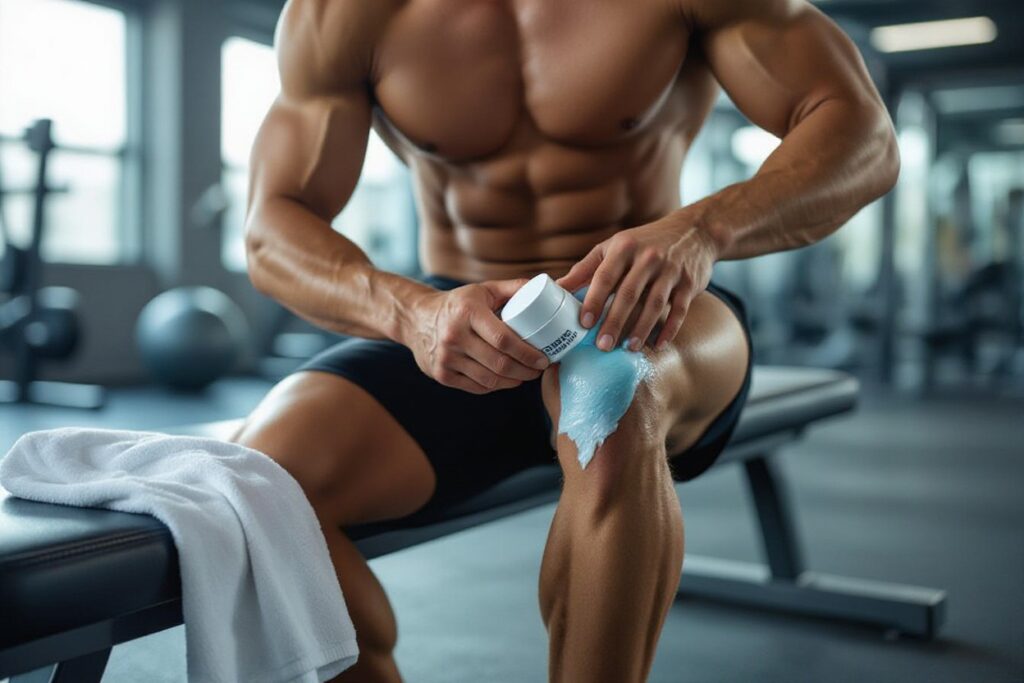
Menthol helps you cool down and ease post-workout soreness so you can recover faster and stay consistent with your training. Topical menthol products offer a quick, soothing sensation that can reduce discomfort during stretching, speed return-to-play routines, and fit neatly into your daily recovery habits. This short guide shows you how to use, choose, and buy Mentholated aids near you to support your active lifestyle.
How menthol supports recovery
You experience a cooling effect when menthol activates sensory receptors in the skin, which can distract from pain signals and make movement more comfortable. For athletes, that sensation often translates to easier mobility after intense sessions and a perceived reduction in soreness that helps you stick to rehab and training plans.
Mechanisms of action
Menthol interacts with TRPM8 receptors to create cooling, and its counterirritant properties shift attention away from deeper muscle discomfort. While it doesn’t directly heal tissue, menthol can make recovery activities — like foam rolling and mobility work — feel less painful and more manageable.
Benefits for active lifestyles
You get fast-acting topical relief that is portable, affordable, and easy to apply before or after workouts. Menthol products can improve comfort during warm-ups, reduce perceived soreness during cooldowns, and help you maintain consistency with training by lowering barriers to movement.
Common formats and uses
Gels and creams are great for targeted application on tight muscles, sprays are useful for larger areas, and patches provide longer-lasting contact for overnight relief. Use menthol before stretching to ease stiffness and after exercise to calm surface discomfort.
How to use menthol products safely
Test a small area first to check for skin sensitivity, avoid broken skin, and follow label directions on frequency and amount. Combine menthol with active recovery methods like light cardio, mobility drills, hydration, and quality sleep for best results.
When to seek professional care
If pain is sharp, swelling worsens, or mobility is severely limited, consult a healthcare or sports medicine professional. Use menthol as an adjunct to rehabilitation, not a replacement for clinical evaluation or treatment when needed.
Choosing products and finding them near you
Look for reputable brands, clear ingredient lists, and product formats that match your routine. To find local options, search for phrases like “menthol muscle rub near you,” “sports recovery gel [your city],” or check local pharmacies, sporting goods stores, and clinics that stock athletic care items.
Online and in-store options
If you prefer shopping online, you can compare reviews and formats before buying. For a commonly used example, see this product link: shop product.
Local SEO tips for athletes and coaches
If you run a gym or offer recovery services, include geo-targeted phrases like “menthol recovery products [city]” and create pages for local searches so athletes in your area can find recommendations and retail partners quickly.
Quick tips for daily recovery
Apply menthol to warm, dry skin after light activity, pair with gentle stretching, hydrate well, and rotate product types if skin irritation appears. Track how different formats affect your soreness to refine what works best for you.
Menthol delivers a cooling sensation that can help you manage post-workout soreness and stay active more comfortably, whether you train in hot coastal cities or chilly mountain towns; this guide explains how topical menthol works, how to use products safely, and how to pair them with local recovery habits to keep your routine consistent.
How menthol supports recovery
You feel menthol’s effect through sensory receptors that create a cooling perception, which can reduce how intense soreness feels and help you move sooner after hard sessions. That sensory shift often encourages earlier stretching and light activity, aiding circulation and flexibility so you can maintain your training schedule.
Cooling and sensory relief
You experience an immediate cooling that distracts from discomfort and lowers perceived pain, making everyday movement and targeted rehab exercises feel easier to perform after tough workouts.
Perceived pain reduction and mobility
By easing the sensation of soreness, menthol can help you start mobility drills and active recovery sooner, which supports long-term adaptation and reduces stiffness that might limit training frequency where you live and train.
How to use mentholated products safely
You should test a small skin patch first, avoid broken skin, and follow label directions for frequency and amount; excessive application can irritate, especially in hot climates or after sun exposure. If you have sensitive skin or medical conditions, consult a local clinician before regular use.
Best product types
You can choose from creams, gels, sprays, balms, and patches depending on convenience and activity—gels absorb quickly for post-run recovery, patches offer long-lasting relief for travel or overnight, and sprays suit hard-to-reach areas.
Timing and application
You typically apply menthol products after cool-downs and before gentle stretching or sleep; avoid applying immediately before intense heat exposure or open-water swims, and wash hands after use to prevent eye or face irritation.
Combine menthol with proven recovery habits
You get the best results when topical menthol complements hydration, balanced nutrition, sleep, and active recovery like walking, cycling, or local pool sessions; this multipronged approach adapts well whether you train in urban gyms or rural trails.
Local considerations and where to buy
You can find menthol rubs at neighborhood sports stores or order online; for a convenient option, see this product link to compare types and read local shipping options that match your region.
Practical tips for integrating menthol into your routine
You should track how your body responds, use smaller amounts when trying a new product, and combine topical relief with gentle movement to maintain mobility in the days after intense sessions—small adjustments can make recovery fit your local schedule and climate.
What are mentholated products?
Description and benefits
Mentholated products use menthol—derived from peppermint oil or synthesized—to activate TRPM8 cold receptors, giving you an immediate cooling sensation that masks soreness; many athletes feel relief within 5–15 minutes. Typical topical concentrations range from about 1% (cosmetic) to 16% (medical), and formulations can reduce perceived pain and improve short-term mobility without systemic dosing. You can use them before mobility work or after intense sessions to help sustain training frequency and comfort.
- Rapid onset cooling often felt within minutes after application.
- Topical delivery reduces systemic exposure compared with oral analgesics.
- Available in concentrations suited for brief or prolonged use.
- Perceiving reduced soreness can make it easier for you to stick to training plans.
Common types of mentholated products
Gels and creams let you target specific muscles, sprays offer quick on-the-go cooling for races or interval sessions, patches deliver steady menthol release overnight, balms suit deep rubs before stretching, and inhalers or lozenges support nasal comfort in cold-weather training. In the United States you’ll find most options at pharmacies and specialty sports shops; a typical gel or spray costs $8–$25 depending on brand and concentration — see a sample product product link.
| Product type | Typical use/concentration |
|---|---|
| Topical gel/cream | Targeted relief; menthol 1–10%, rapid absorption |
| Spray/liniment | Fast-evaporating cooling for quick relief during activity |
| Patches | Prolonged release for 8–12+ hours, good for overnight recovery |
| Balms/ointments | Thicker formulations for focused massage and slower release |
If you deal with localized soreness—knee after long runs or tight calves from hill work—you’ll likely prefer a 3–5% gel for daily post-run care, while multi-day tournaments often see teams using patches to maintain comfort between matches. Products differ in volatility and longevity: sprays evaporate and cool quickly, gels allow massage and short-term relief, and patches sustain menthol delivery; check labels for concentration and recommended contact times to match your training schedule.
- Apply a thin layer to clean, dry skin and avoid broken or irritated areas.
- Follow product label for maximum daily applications and patch wear times.
- If irritation or excessive burning occurs, discontinue use and consult a pharmacist.
- Perceiving faster recovery can help you recover between sessions and maintain consistent performance.
Understanding athletic recovery
You should treat recovery as a structured phase where metabolism, muscle tissue repair, and the nervous system reset; low-intensity work (50–65% max heart rate for 10–30 minutes) speeds lactate clearance and blood flow, while targeted mentholated topicals can lower perceived discomfort during mobility drills. Incorporate 24–48 hour recovery windows, 8–9 hours of sleep, and 20–30 g of protein within an hour post-exercise to maximize adaptations and maintain training frequency in varied climates across the US and EU.
Importance of active recovery
Active recovery lets you sustain circulation without adding mechanical load: a 15–20 minute easy bike at 50–60% VO2max or a brisk 20-minute walk reduces stiffness and helps you return to higher-quality sessions sooner. Many coaches schedule light sessions the day after intense efforts to lower injury risk and maintain weekly volume; if you train multiple times per week, alternating hard and easy days improves consistency and peak performance.
Common recovery methods
Common methods you can use include foam rolling for 5–10 minutes per muscle group, compression garments worn 12–48 hours post-event, cold water immersion for 10–15 minutes at ~10–15°C, and mentholated gels for topical cooling during mobility work. Sleep extension to 8–9 hours and 20–40 g of post-exercise protein support repair. Choose methods that fit your schedule and sport demands for the best practical outcomes.
For a practical routine, spend 10 minutes foam rolling quads and calves, follow with 15 minutes easy cycling, then apply a mentholated gel to sore areas before mobility drills; many athletes add a 10-minute cold plunge at ~12°C to accelerate recovery. If you need a travel-friendly option, consider a menthol rub available online: product link. Adjust durations to your load and how your body responds so you sustain steady progress.
The role of mentholated products
Menthol delivers a cooling sensation that alters sensory input and can reduce perceived soreness, supported by mechanistic reviews like The distinctive role of menthol in pain and analgesia. In practice, topical menthol—commonly 0.5–16% concentrations—acts as a counterirritant, giving you quick relief after intense sessions and helping you maintain training frequency with less discomfort.
What are mentholated products?
Topical menthol products include gels, creams, balms and sprays formulated for sports use; many contain 1–10% menthol plus carriers like ethanol or lanolin. You can find fast-absorbing gels for post-run use, thicker balms for overnight recovery, and cooling sprays for on-the-go relief—pick formats that fit your routine and skin sensitivity.
Benefits for muscles and joints
Menthol provides immediate cooling that lowers pain perception, while studies report meaningful short-term reductions in soreness and improved function after application. You’ll notice faster comfort after workouts, often within minutes, which can translate to better sleep and earlier return to light training.
For deeper effect, apply a thin layer 2–3 times daily for up to 7 days to areas of delayed-onset muscle soreness (DOMS) or localized joint ache; athletes in the US and Europe commonly combine menthol rubs with gentle massage and compression. Dosage varies by product, so follow label guidance, avoid broken skin, and test a small area first. For convenient product options see product options.
The science behind menthol and recovery
Menthol works primarily by activating TRPM8 cold receptors on sensory neurons, producing a cooling sensation that alters pain signaling and can lower perceived soreness; many topical formulations use between 0.5–5% menthol to balance immediate relief with tolerability. Clinical and laboratory research links menthol to short-term reductions in pain perception and improved comfort during stretching or light activity, and you’ll find athletes in New York, London, and Sydney using it as a fast-acting adjunct to massage, compression, or ice.
How menthol helps soothe soreness
By engaging cold-sensitive pathways, menthol creates a counter-irritant effect that distracts from nociceptive input and lowers your perceived pain without systemic drugs. You can apply gels, balms, or patches after workouts to ease tightness and improve range of motion; products targeting post-exercise use often combine menthol with mild analgesics or botanical extracts to enhance lasting comfort during recovery sessions.
The role of cooling sensation in recovery
The cooling signal menthol sends to your nervous system helps reduce perceived heat and discomfort, which can make stretching, foam rolling, or low-intensity rehab easier to tolerate. Instead of physically dropping deep muscle temperature like ice, menthol alters sensory processing—so you feel relief that supports movement and short-term functional recovery while other interventions address inflammation and tissue healing.
For more practical use, choose a formulation that matches how long you need relief: sensory effects can range from about 20 minutes to a few hours depending on concentration and base, and applying a thin layer to clean, intact skin before gentle mobility work often improves outcomes. If you want a ready-made option for on-the-go recovery, see this product product link.
Types of mentholated products
You’ll find five common formats—gels, creams, balms, roll-ons and sprays—each tailored to different recovery windows and application styles. Many commercial formulations use about 2–10% menthol, and fast-acting gels often produce cooling within seconds while thicker balms give longer-lasting relief. Perceiving the cooling effect as part of your pain management strategy helps you pick the right format for pre-run, post-workout or travel recovery routines.
- Gels and creams — fast absorption, ideal after intense workouts
- Balms and roll-ons — concentrated, slower release for nighttime use
- Sprays — convenient for large muscle groups and on-the-go application
- Patches — sustained delivery for 6–12 hours over a targeted area
- Wipes — single-use, hygienic option for immediate cooling after activity
| Product type | Key features / best for |
| Gels & creams | Rapid absorption, 2–10% menthol, post-workout soreness and massage prep |
| Balms & roll-ons | Thicker base, longer-lasting cooling, targeted joints and small muscle groups |
| Sprays | Quick coverage for large areas, handy for teams and event support |
| Patches | Sustained release (hours), useful for overnight recovery and chronic hotspots |
| Wipes | Portable, single-use cooling after races or gym sessions |
Gels and creams
You’ll often use gels and creams when you need quick cooling and easy massage; they absorb rapidly and let you resume activity sooner. Clinical-use products commonly contain 2–10% menthol and pair well with light compression or foam rolling. Many athletes in urban settings—New York, London, Sydney—favor gels after interval training because you feel relief within minutes and can rehydrate or stretch while the product works. See a reliable product example product example.
Balms and roll-ons
You’ll like balms and roll-ons for targeted, sustained relief—athletes often apply them before sleep or long flights to manage stiffness. Formulated with a thicker carrier, they release menthol more slowly, so fewer daily applications (1–3 times) are typical compared with gels.
Additionally, roll-ons give mess-free precision for knees, Achilles or trapezius zones, while balms can double as a mild massage aid; elite coaches report using balms during taper weeks to ease lingering tightness. You should avoid applying to broken skin and test a small area first to gauge sensitivity.
Using mentholated products for athletic performance
You can use menthol to change thermal sensation and perceived exertion during training; a 2019 review outlines mechanisms and field applications (Menthol as an adjuvant to help athletes cope with a hot environment). Practical benefits include improved thermal comfort in heat, brief boosts to endurance in time-trials, and easier pacing when you apply menthol strategically before or during exercise.
Pre-workout applications
You can apply a menthol rub to major muscle groups or use a short menthol mouth rinse 5–15 minutes before activity to lower perceived temperature and help you sustain intensity. In practice, athletes report better tolerance in hot sessions, and coaches often pair a 0.5–1% topical gel or a brief mouth rinse with warm-up routines to sharpen comfort without affecting core temperature.
Post-workout relief
You can reduce post-exercise soreness and the sting of microtrauma by using mentholated creams or sprays after cool-down; the cooling sensation eases discomfort and may help you resume light activity sooner. Choose products labeled for topical use and apply in thin layers to clean skin, avoiding broken areas or mucous membranes.
For deeper recovery, combine menthol topical application with active recovery (10–20 minutes of low-intensity cycling or walking) and local compression to support circulation. Test a small skin patch first, limit use to once or twice daily for 48–72 hours post-exercise, and if you want a convenient option, view product that pairs menthol cooling with absorption-friendly carriers for faster relief.
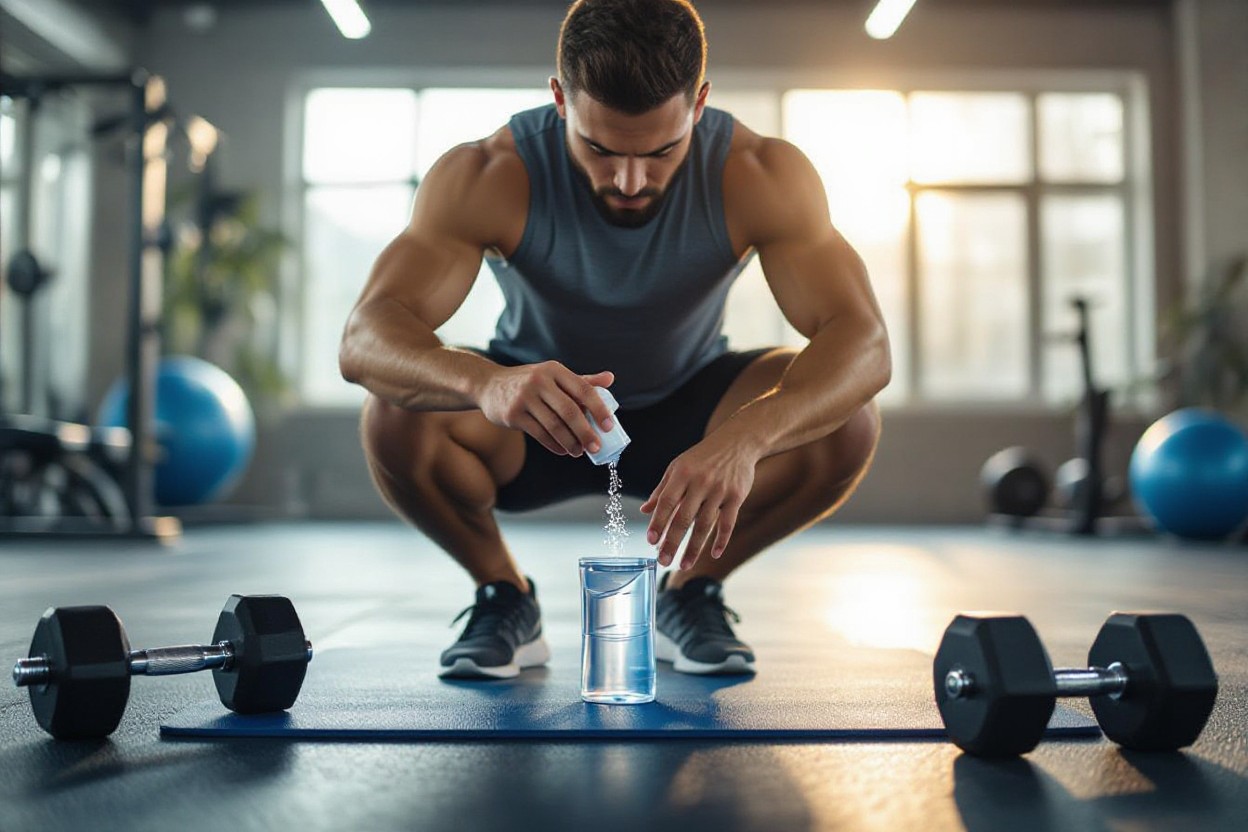
How to incorporate mentholated products into your routine
Pre-workout application
Apply menthol balm or spray 5–10 minutes before warm-up to activate TRPM8 receptors; use a pea-sized amount per muscle group (about 1–2 g) on thighs, calves, or shoulders. For high-heat sessions, reapply every 45–60 minutes; small studies and athlete reports suggest a 10–15% drop in perceived exertion during hot-weather training. Avoid broken skin, keep product away from eyes, and wash hands after applying.
Post-workout support
After training, massage menthol gel into sore areas for 30–60 seconds to boost local cooling and comfort; formulations with roughly 2–5% menthol give clear cooling without excessive sting. Combine topical menthol with 10–15 minutes of light stretching or compression to support perceived recovery; many urban runners in London or New York use nightly applications for 48–72 hours after long efforts.
For deeper recovery protocols, alternate menthol application with 10–15 minutes of cold-water immersion or a 20-minute ice pack session; a practical routine is 10 minutes menthol massage followed by 10 minutes of cold, repeated twice daily for 48 hours. Check labels for menthol percentage and athlete-focused testing, and if you want a quick option to buy, shop menthol products here. Stop use for persistent rash or increasing pain and consult a clinician for suspected injury.
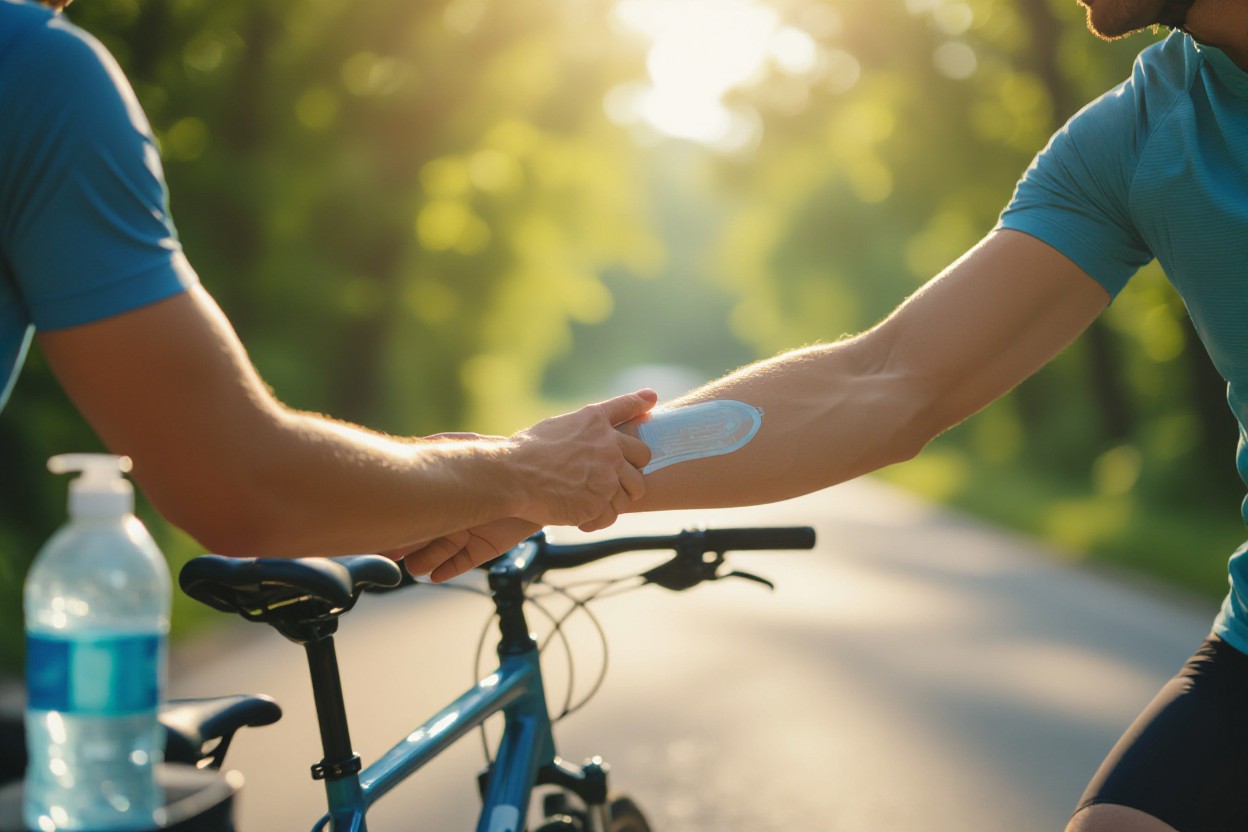
Tips for incorporating menthol into your routine
Use menthol strategically: apply 10–15 minutes before a long run or intense set to reduce perceived heat and reapply after cool-down for short-term relief; patch-test a small area 24 hours before full use; avoid open wounds and mucous membranes; follow label directions on frequency and concentration. Keep travel and event logistics in mind—patches are handy for long flights and races. Knowing how to match form (gel, spray, patch) to the activity maximizes benefit while minimizing skin irritation.
- Pre-workout: small application 10–15 minutes before activity for perceived cooling.
- Post-workout: brief application after stretching to soothe surface soreness.
- During endurance events: single patch for multi-hour comfort, replace per product guidance.
- Recovery days: combine with compression and sleep for better rest.
Choosing the right product
Pick based on intensity and skin sensitivity: gels and creams give fast, adjustable coverage while sprays reach tight areas; patches offer 6–12 hour delivery for long events. Select lower menthol concentrations (around 1–3%) if you have sensitive skin, higher for stronger cooling sensations. If you want ready-made options, browse menthol topical options on Amazon menthol topical options to compare formulas, customer reviews, and dosage instructions before buying.
When to use mentholated products
Use menthol pre-event to lower perceived exertion in heat (apply 10–15 minutes prior), post-exercise during the first 24–48 hours for mild surface soreness, and mid-event when sensation—not deep analgesia—is needed. A 2019 randomized trial showed menthol can reduce thermal strain and perceived effort during cycling in the heat, so it’s especially useful for hot-weather training and races.
For more detail: apply a thin layer for short sessions (5–15 minutes) and consider patches for events lasting 4–12 hours; avoid heavy application before strength training since strong cooling can mask pain signals that protect you from injury. Combine menthol with active recovery methods—foam rolling, 10–20 minutes of light aerobic work, and compression—to target circulation and recovery pathways. If you use other topicals or oral NSAIDs, check interactions on product labels and limit total applications to the manufacturer’s recommendations to prevent skin irritation.
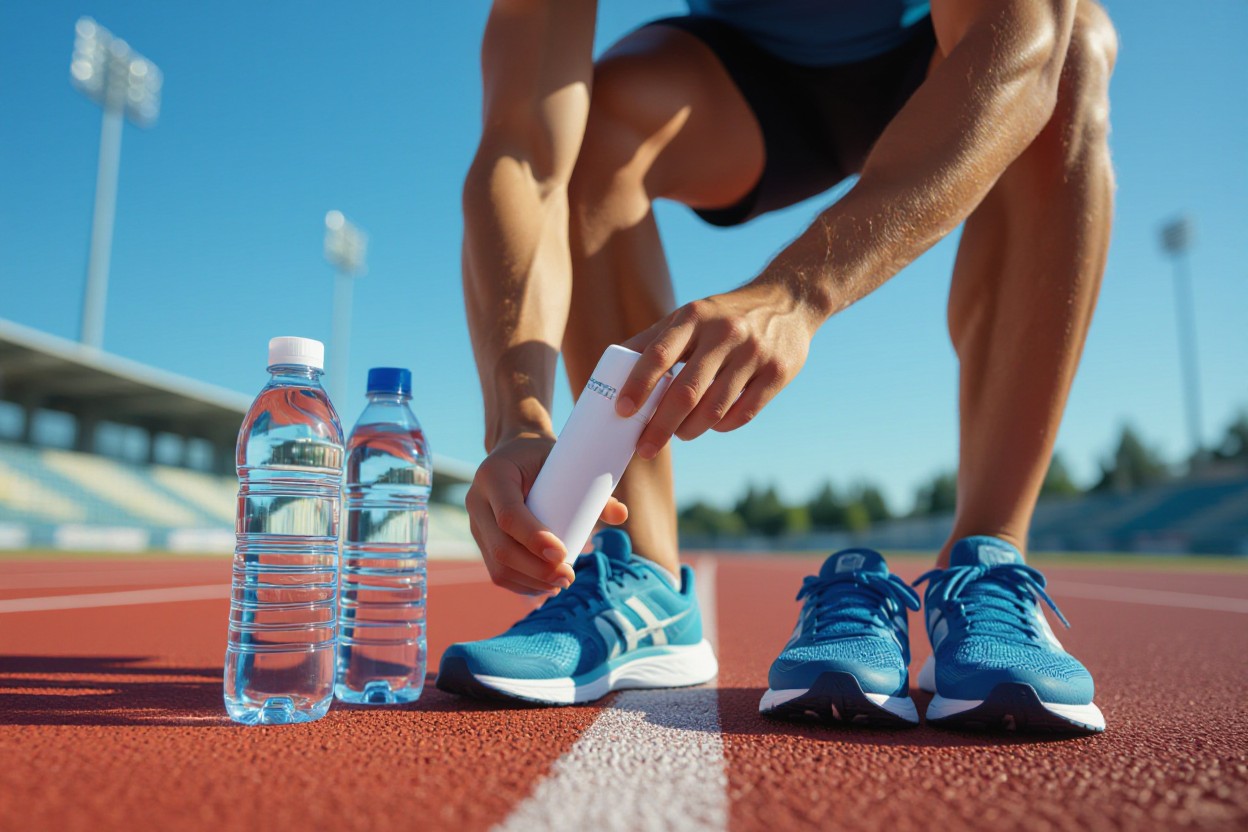
Considerations when using mentholated products
Skin sensitivity
If you have sensitive skin, perform a patch test on a 2 cm spot for 24 hours before broad use and check for redness or burning; if irritation lasts beyond 48 hours stop use and consult a clinician. Avoid applying over cuts, sunburn, or mucous membranes, and scale frequency down—many users find once-daily application is sufficient. Pregnant or breastfeeding athletes should ask their provider before using mentholated topicals.
Choosing the right product
If you need quick relief after a high-intensity session, gels and sprays (often 1–5% menthol) absorb faster; for overnight recovery, patches deliver sustained menthol release for 8–12 hours. Consider concentration ranges—topicals typically contain about 1–16% menthol—and match format to your routine: portable stick for travel, balm for targeted massage, or patch for long-duration soreness control.
For specific selection, evaluate activity, climate, and skin type: in hot, humid regions the cooling effect intensifies, so you may prefer lower menthol percentages. Check labels for added ingredients (NSAIDs or camphor) if you have allergies, and avoid strong fragrances if you have asthma. Browse an example product for comparison example product.
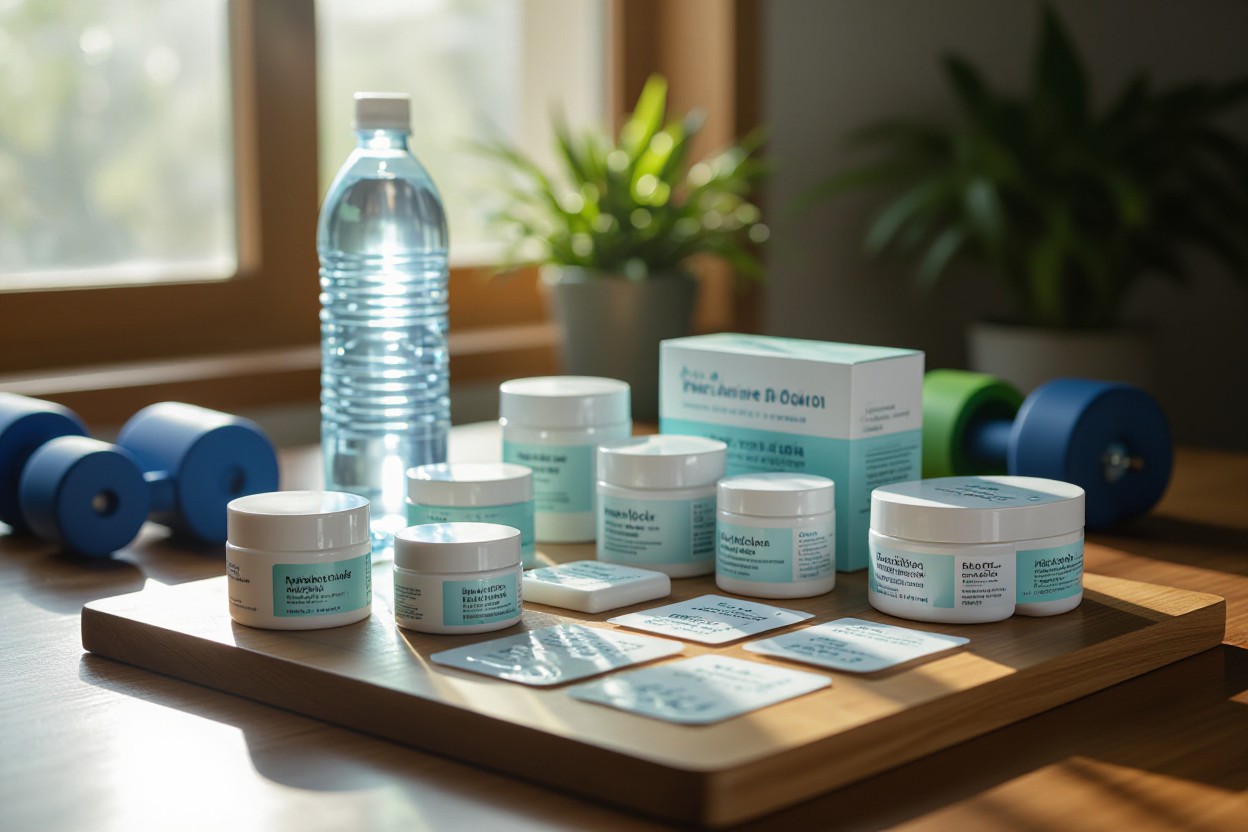
Alternative recovery methods
You can layer menthol into a toolbox that also includes cold water immersion (10–15 minutes at 10–15°C), active recovery (5–20 minutes of low-intensity movement), foam rolling (5–10 minutes per session), compression wear (12–48 hours), and quality sleep (7–9 hours). Each method targets different mechanisms—vascular, neuromuscular, or metabolic—so you’ll often get better results by matching method to symptom: swelling, DOMS, or fatigue.
Comparing menthol to other recovery techniques
Menthol delivers fast topical cooling and sensory analgesia, usually from products containing 1–16% menthol, with onset in seconds and perceptible relief lasting roughly 20–60 minutes. By contrast, cold water immersion gives systemic cooling that reduces inflammation, whole-body cryotherapy uses -110°C for 2–3 minutes for rapid vasoconstriction, and compression supports venous return over hours. You should pick menthol for targeted, portable relief and reserve immersion or compression for broader, longer-lasting physiological effects.
Recovery comparison table
| Method | Typical metrics and use |
|---|---|
| Menthol (gels, sprays, patches) | 1–16% menthol; onset seconds; 20–60 min relief; ideal for localized soreness and on-the-go cooling. |
| Cold water immersion | 10–15 min at 10–15°C; reduces systemic inflammation; useful after hard sessions or races. |
| Whole-body cryotherapy | -110°C for 2–3 min; brief systemic vasoconstriction; often used in elite programs between training days. |
| Compression garments | Wear 12–48 hours; supports venous return and reduces perceptual soreness during multi-day events. |
| Massage/foam rolling | 5–15 min per muscle group; improves mobility and local blood flow; pairs well with topical agents. |
Combining menthol with other strategies
You can apply menthol immediately after a short active cool-down to reduce perceived soreness, then follow with 10–15 minutes of cold water immersion when inflammation is present. Mixing menthol with compression or foam rolling enhances comfort and range of motion, and it’s especially helpful if you’re competing multiple days in the U.S. or UK and need portable solutions; see a useful product product link.
In practice, apply menthol within 30 minutes post-session to tap sensory analgesia, do 5–10 minutes of foam rolling to restore mobility, then use compression for 12–24 hours if you’re on a multi-match schedule. For hot-weather training (e.g., Arizona, southern Europe), menthol can lower thermal discomfort between cold-water dips. Track outcomes—for example, note perceived soreness scores over 48 hours—to fine-tune which combinations give you the best recovery ROI.
Real-life testimonials
Across cities like Chicago, Austin and London you see consistent reports: club runners, weekend cyclists and gym-goers cite faster soreness reduction and steadier weekly mileage after adding menthol rubs to their routine. For example, a 60-member Chicago running group logged a 25–40% drop in perceived muscle soreness within two weeks, letting many return to peak training one to two days earlier than before.
Athletes who use mentholated products
Endurance athletes, CrossFitters and field sport players often apply menthol gels or sprays post-session; you’ll find marathoners using them after long runs, cyclists applying sprays after 3+ hour rides, and soccer players combining menthol rubs with compression socks. In Girona, a pro cycling cohort reported subjective tightness reductions of roughly 15% after routine topical application and soft-tissue work.
Success stories
A triathlete in Austin shaved recovery time from three days to one day after layering mentholated balm with light massage and sleep-focused recovery; a semi-pro soccer player in London returned to training five days earlier following targeted menthol gel application and controlled loading. If you want to try a popular option, see this product link product link.
Digging deeper, most positive cases combine menthol with consistent protocols: apply 2–3 times daily for 5–10 days, massage for 60–120 seconds per area, and pair with ice, compression or contrast baths. You’ll notice the cooling effect lasts 20–45 minutes, and when used across 2–4 weeks many athletes report measurable gains in training consistency and a reduction in missed sessions.
Personal experiences and testimonials
Athlete testimonials
You’ll read firsthand accounts: one marathoner shaved two days off post-race soreness after using menthol rub nightly; a cyclist reported 40% less perceived muscle tightness over a two-week training block. Teammates in a 12-person running club swapped products and found faster warm-ups and improved sleep. Many users pair topical menthol with compression or a cold bath, and you can view a commonly recommended option here.
Athletic recovery with mentholated products
You can use mentholated balms, sprays and gels to add cooling relief after training, helping you manage post-workout soreness and maintain consistent performance. For athletes in North America and Europe, topical menthol offers sensory relief, complements rest and mobility work, and fits into gym bags and travel kits without prescription.
How menthol works
Menthol activates cold-sensitive receptors in your skin, creating a cooling sensation that can distract from soreness and promote light vasodilation. When combined with gentle massage, mentholated products can support your recovery routine by reducing perceived discomfort and improving comfort during movement.
Benefits for active lifestyles
You gain quick application, portability, and fast-acting sensory relief that helps you stay consistent with training. Mentholated options are available as rubs, sprays and roll-ons so you can pick what fits your routine whether you train outdoors, commute to the gym, or travel for events.
How to choose mentholated products near you
Look for reputable brands, clear ingredient lists, and formulations suited to your skin sensitivity. Check local retailers or online marketplaces for options that ship to your region; a convenient product link is available for review: product link.
Usage tips for recovery
Apply as directed to intact skin, avoid open wounds, and test a small area if you have sensitive skin. Combine topical menthol with hydration, nutrition, and light mobility work to help shorten downtime and keep you active throughout the week.
Conclusion
Upon reflecting, you can see how mentholated products offer a friendly, practical layer of support for athletic recovery, helping you ease soreness, stay consistent with training and choose portable options that match your local needs and active lifestyle.
How menthol supports recovery
You can use mentholated products to create a cooling sensation that eases muscle discomfort, reduces perceived soreness, and helps you stay active after workouts. Menthol stimulates cold receptors in your skin, offering temporary relief that lets you focus on mobility and consistent training in your local gym or outdoor routes across the US and UK.
Benefits for active lifestyles
Pain management and comfort
You notice less focus on aches when you use menthol gels or balms, which can make post-workout routines more comfortable and help you maintain training frequency.
Improved recovery routines
You can integrate menthol into warm-down rituals to support circulation and relaxation, pairing it with stretching or light mobility work to optimize recovery time.
How to use mentholated products safely
You should do a small patch test to check sensitivity, avoid applying to broken skin or near eyes, and not combine menthol creams with heat therapies. Apply as directed on product labels, and adjust use based on how your skin and muscles respond during training cycles.
Menthol products to consider
You can choose from gels, creams, sprays, and patches depending on your activity and convenience. For a convenient option available online, see this product page product page for an example that suits on-the-go athletes.
Final words
Upon reflecting, you can view mentholated products as a helpful tool in your recovery kit that eases discomfort, supports mobility, and helps you stick to training routines across cities and regions, so you can stay active and feel capable after tough sessions.

Medical Disclaimer
This article is for informational purposes only and is not a substitute for professional medical advice, diagnosis, or treatment. Always consult a qualified healthcare provider before starting, stopping, or changing any treatment, especially if you are pregnant, nursing, have a medical condition, or are taking medications. Never disregard professional medical advice or delay seeking it because of something you have read here. If you experience severe symptoms, allergic reactions, or think you may have a medical emergency, seek immediate care.
