

With a stuffy nose or tight chest, you want fast relief and clear guidance on whether menthol or eucalyptus fits your needs, and this friendly guide helps you decide using simple science, safety tips, and local availability so you can pick the best option for your symptoms and where you live.
How menthol and eucalyptus work
You’ll find both ingredients create a cooling sensation that feels like easier breathing — menthol activates cold receptors in your nose and throat, while eucalyptus contains eucalyptol, which can reduce inflammation and loosen mucus when inhaled or applied topically.
Mechanisms of menthol
Menthol tricks your cold receptors into signaling a sensation of airflow, which often makes you feel less congested, but it doesn’t physically remove mucus; its benefit is mostly sensory and symptomatic.
Mechanisms of eucalyptus
Eucalyptus oil offers a blend of aromatic compounds, especially eucalyptol, with mild anti-inflammatory and expectorant effects that can help loosen mucus and reduce sinus pressure when used in steam inhalation or medicated rubs.
Effectiveness for different types of congestion
Depending on whether your problem is nasal, chest, or sinus-related, one ingredient may suit you better.
Nasal congestion
Menthol often gives quicker perceived relief for nasal stuffiness, so if your main complaint is a blocked nose, menthol lozenges, inhalers, or topical gels may feel most helpful.
Chest congestion
For chesty coughs and thick mucus, eucalyptus-based steam inhalation or products with eucalyptol tend to be more directly helpful at loosening mucus in the lower airways.
Sinus pressure
Eucalyptus may better ease sinus inflammation, while menthol can reduce the discomfort by improving sensation of airflow; Combining methods (steam plus a menthol rub) can be effective.
Safety and side effects
You should avoid applying strong crucial oils directly to skin without dilution, and keep menthol or eucalyptus away from infants and small children; both can irritate sensitive skin or trigger asthma in some people.
When to avoid these ingredients
If you have severe asthma, allergy to either ingredient, or you’re treating young children, consult a healthcare professional in your area before use and follow local product guidance available in the US, UK, or Canada.
Interactions and precautions
Topical products can interact with broken skin or certain medications; if you’re pregnant, nursing, or on prescription inhalers, check with your provider or a local pharmacist.
How to use them effectively
Use steam inhalation, medicated rubs, inhalers, or lozenges as directed on labels. For a safe steam method, add a few drops of diluted eucalyptus oil to hot water, inhale briefly, and stop if irritation occurs. For bottled products and starter kits available in stores, see this recommended item breath relief product.
Which ingredient may work better for you
If you want immediate relief of nasal blockage you’ll likely prefer menthol; if you’re targeting mucus loosened from the chest or sinus inflammation, eucalyptus may be more effective. Where you live can affect availability and formulation—check local pharmacies in the US, UK, or Canada for labeled products and concentration options.
Takeaway
You can use menthol for fast sensory relief and eucalyptus for mild expectorant and anti-inflammatory effects; sometimes combining approaches (steam with eucalyptus plus a menthol rub) provides the best comfort, but choose products suited to your age, health status, and local guidelines. If symptoms persist or worsen, seek local medical advice.

Understanding congestion
Congestion happens when nasal tissues swell and mucus builds up, narrowing your airways and impairing mucociliary clearance. Viral colds (you typically get 2–4 per year), allergic rhinitis (affecting about 10–30% of adults), pollution and structural issues like a deviated septum all play a role. Inflammation increases blood flow and secretions, so your sense of smell drops and breathing becomes noisy; severity and duration—acute (<4 weeks), subacute (4–12 weeks), chronic (>12 weeks)—guide treatment choices.
What causes congestion?
Viral infections are the most common cause of acute congestion, while seasonal pollen and indoor allergens drive allergic congestion. Airborne irritants such as PM2.5 and cigarette smoke worsen symptoms within hours. Anatomical factors—septal deviation, nasal polyps—or chronic sinusitis sustain blockage. You’ll often see mixed causes: for example, a cold can trigger inflammation that exposes underlying allergic sensitivity, prolonging symptoms beyond the usual 7–10 days.
Symptoms of congestion
Typical signs you’ll notice include nasal stuffiness, thick or watery discharge, postnasal drip, facial pressure, reduced smell or taste, and daytime fatigue from poor sleep. Cough and ear fullness are common, especially at night. Acute viral congestion usually improves within 7–10 days; persistence beyond 10 days or worsening after initial improvement suggests secondary bacterial infection and may need medical evaluation.
Digging deeper, postnasal drip often causes throat clearing and nocturnal coughing that disrupts sleep, while significant anosmia (loss of smell) can last weeks after a viral infection. Severe facial pain, high fever or purulent nasal discharge for 3–4 days should raise concern for bacterial sinusitis. For symptomatic relief you might try topical options or vapor rubs—see vapor rub options for examples.
The power of menthol
You get rapid cooling and perceived nasal clearance from menthol, a mint-derived compound that activates TRPM8 receptors in the nose. Clinically, many people report faster relief of nasal stuffiness and better sleep after a single application or inhalation, and you’ll find menthol in lozenges, chest rubs and inhalers across the US and Europe for short-term symptom control.
How menthol works
Menthol binds TRPM8 cold receptors on sensory neurons, creating a cooling sensation that tricks your brain into feeling easier airflow; studies using rhinomanometry often show little change in actual nasal resistance even when you report relief. By desensitizing transient nociceptors and altering airflow perception within minutes, menthol helps you feel less congested without immediately clearing mucus.
Benefits of using menthol
You’ll notice quick, non-invasive symptom relief—helpful for falling asleep or easing travel discomfort—and low cost makes menthol accessible in vapors, sprays and lozenges. It also soothes sore throats and can reduce cough reflex sensitivity, so using a menthol product before bed often improves perceived breathing and rest during acute colds.
For practical use, apply rubs to your chest or inhale vapors for short bursts; avoid direct eye contact and do not use strong concentrations near infants (many manufacturers advise against use in children under 2). If you want a readily available option to try, consider this menthol product as an example of an over-the-counter option commonly used in the US and UK.
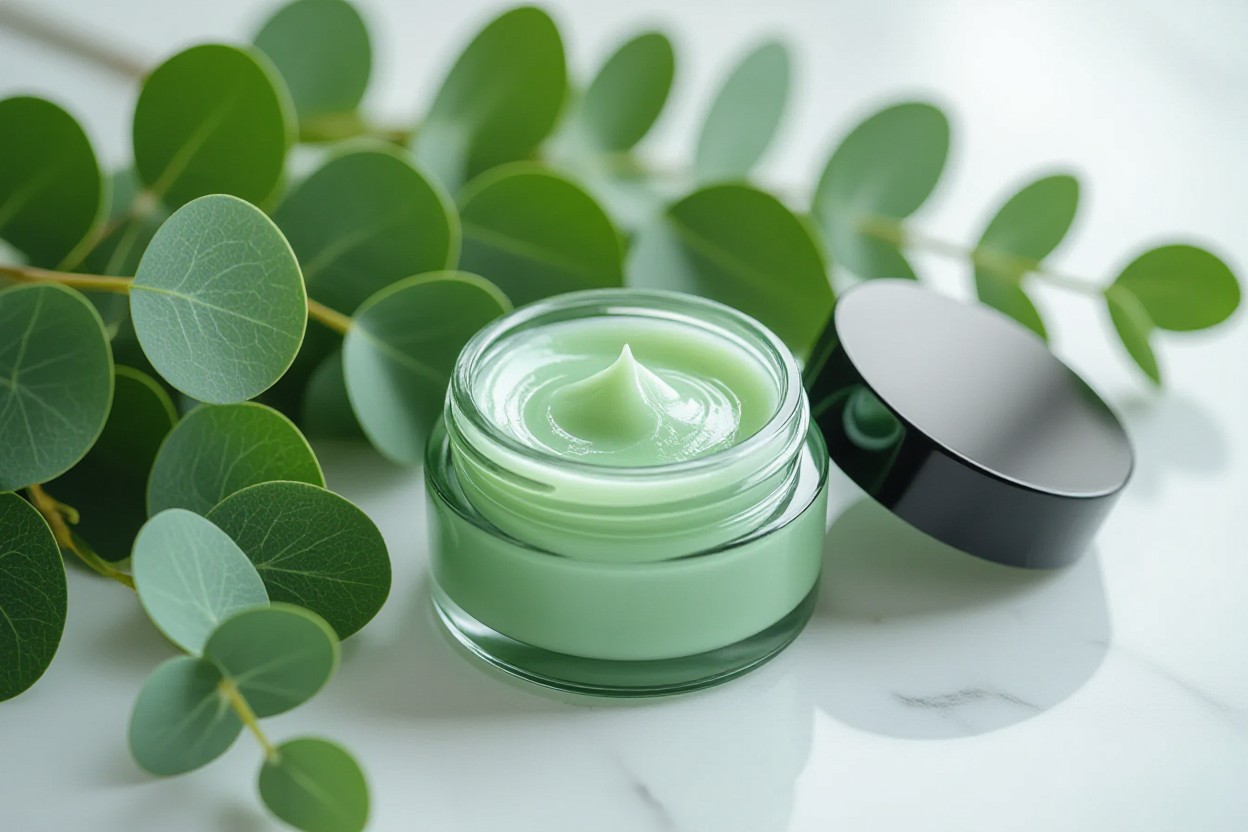
The Magic of Eucalyptus
You’ll notice eucalyptus stands out because its oil is rich in 1,8‑cineole (eucalyptol), which helps thin mucus and opens airways. You can also shop a trusted eucalyptus inhaler to trial steam or inhaler methods quickly.
Eucalyptus: Nature’s remedy
When you inhale eucalyptus, the 1,8‑cineole fraction—often 60–90% in E. globulus and E. radiata—acts as a bronchodilator and mucolytic; clinical trials have reported symptom relief in acute bronchitis and sinusitis, and you’ll often see it used in 0.5–2% inhalation blends for adults to reduce nasal resistance and ease breathing.
Benefits of using eucalyptus
You get fast-acting relief: studies link eucalyptus oil to reduced cough frequency, clearer nasal passages, and easier expectoration within days of use; plus it has mild antimicrobial and anti-inflammatory actions, making it a versatile option for chest and sinus congestion whether you diffuse, steam, or apply diluted rubs.
More details: for practical use you can add 2–3 drops to hot water for steam inhalation, use 0.5–2% blends in diffusers, or apply a 1–3% topical dilution in a carrier for chest rubs; avoid applying undiluted oil, keep it out of reach of children under two, and consult local healthcare guidance if you have asthma, are pregnant, or have chronic respiratory conditions.
Comparing menthol and eucalyptus
Quick comparison
| Menthol | Eucalyptus |
|---|---|
| Primary compound: synthetic or natural menthol (mint-derived) | Primary compound: eucalyptus oil high in 1,8‑cineole (about 60–85%) |
| How it works: activates TRPM8 receptors to create cooling and perceived airflow within minutes | How it works: 1,8‑cineole may thin mucus and has mild anti-inflammatory effects |
| Onset/duration: sensation within minutes; relief often lasts 1–3 hours | Onset/duration: inhalation effects within minutes; therapeutic dosing in trials often ~200 mg/day |
| Best forms: lozenges, topical rubs, inhalers | Best forms: steam inhalation, topical blends, oral formulations (standardized 1,8‑cineole) |
| Side effects: skin irritation, not for infants near face | Side effects: skin irritation, possible toxicity in large doses; avoid near infants and pets |
| Typical uses: perceived nasal openness, cough lozenges, chest rubs | Typical uses: sinus relief, bronchial support, combined with steam for congestion |
| Example products: recommended products | |
Effectiveness for congestion
You’ll notice menthol gives rapid perceived relief by stimulating cold receptors, which creates the feeling of easier breathing though it doesn’t reduce nasal swelling; eucalyptus, rich in 1,8‑cineole (60–85%), can help loosen mucus and reduce inflammation in some studies, with many clinical trials using about 200 mg/day of cineole for respiratory benefit—so menthol is fast for symptom perception, while eucalyptus may offer more physiological mucus support.
Personal preferences: which one works for you?
You should weigh scent tolerance, age, and setting: if you want immediate, short‑term nasal relief go with menthol (lozenges or rubs), whereas if you prefer a potential mucus‑loosening effect try eucalyptus steam or standardized cineole products; avoid applying either near an infant’s face and test skin sensitivity before using topically.
In practice, many people combine both—menthol for quick nighttime comfort and eucalyptus for daytime steam inhalation or oral cineole formulations. You’ll want to check labels for concentrations (topical rubs often list menthol percentage; eucalyptus products may list 1,8‑cineole content), consider allergies, and consult local guidelines if you’re pregnant or treating children. If you live in the US, over‑the‑counter options are widely available, but for persistent or severe congestion you should seek medical advice.
How to use menthol and eucalyptus
You can combine methods: apply a pea-sized amount of menthol rub to your chest or back every 4–6 hours, diffuse 2–3 drops of eucalyptus oil for 15–30 minutes, or add 1–2 drops to a bowl of hot water for 5–10 minutes of steam inhalation; dilute eucalyptus to 1–2% for topical use (6–12 drops per 30 mL carrier), and if you want a readily available option check a common product product.
Application methods
Topical use works well: rub a pea-sized amount of mentholated ointment on your chest, throat or upper back and reapply every 4–8 hours as needed. For imperative oils, mix 6–12 drops per 30 mL carrier oil for adults or put 2–3 drops in a diffuser for 15–30 minutes; steam inhalation with 1–2 drops in hot water for 5–10 minutes gives direct vapor exposure, while nasal inhalers let you take 1–2 quick sniffs when you need short relief.
Safety tips
You should avoid menthol and eucalyptus in children under 2; for ages 2–6 use only diluted oils and avoid applying near the face. Patch-test new products on a small skin area for 24 hours, keep oils away from eyes and mucous membranes, and stop use if you get rash, severe irritation, or worsening breathing—people with asthma can have bronchospasm. Consult your clinician before using these if you’re pregnant or have chronic respiratory disease.
- Avoid ingesting imperative oils; they are for inhalation or properly diluted topical use only.
- Do not apply undiluted eucalyptus oil to skin; use 1–2% dilution (6–12 drops/30 mL carrier) for adults.
- Assume that if you have a history of seizures or severe asthma you should seek medical advice before using these products.
If you have allergies or chronic conditions, take extra precautions: perform a 24-hour patch test on your forearm (cover a 2 cm area) and watch for redness, swelling, or itching; in children over 2 use lower dilutions (0.25–0.5%) or manufacturer-recommended pediatric products, and limit diffuser sessions to 10–15 minutes in a ventilated room to reduce irritation and exposure.
- Keep all mentholated ointments and imperative oils locked away from children and pets and store them below 25°C out of sunlight.
- Stop use and seek urgent care for difficulty breathing, facial swelling, or worsening cough within 24 hours of exposure.
- Assume that sustained symptoms beyond 7 days warrant evaluation by a healthcare professional.
Expert opinions
Clinicians differentiate sensory relief from physiological decongestion: menthol activates TRPM8 receptors to create a cooling sensation that many patients report as instant relief, while eucalyptus’s main component, 1,8‑cineole, has documented mucolytic and anti‑inflammatory actions in clinical studies and is commonly used in Europe and North America; you should weigh rapid symptom masking against longer‑term mucus thinning and safety notes like age limits and ingestion risks when choosing between them.
What do the experts say?
ENT specialists often state menthol gives fast subjective ease but rarely changes objective nasal airway measures in studies of 20–100 participants, whereas pulmonologists cite randomized trials using about 200 mg/day of 1,8‑cineole that showed faster cough and sputum improvement in acute bronchitis; you can therefore expect menthol for immediate comfort and eucalyptus for measurable reductions in mucus-related symptoms over days.
Personal experiences from users
You’ll see clear patterns in user reports: inhaling menthol or applying menthol rubs frequently yields near‑instant perceived breathing ease within minutes, and many people say eucalyptus chest rubs or oral cineole supplements produce noticeable mucus loosening and fewer coughs after 48–72 hours; your choice often depends on whether you need quick sensory relief or sustained mucolytic action.
Digging deeper into user accounts, people in colder urban areas often prefer menthol for quick relief before commuting, while those with productive coughs—including several anecdotal reports from clinics in the UK and US—opt for eucalyptus products or 1,8‑cineole supplements at roughly 200 mg/day; if you want to try a commonly purchased option, see this product link product link for example formulations and user ratings.
Menthol vs eucalyptus: which ingredient works better for congestion
You often pick a menthol or eucalyptus remedy when your nose is blocked; both can ease symptoms but work differently, so your choice depends on what helps you most and where you live. Menthol creates a cooling sensation that tricks your nerves into feeling clearer and can soothe your throat, while eucalyptus offers mild anti-inflammatory and decongestant effects thanks to cineole, which may be more helpful if you have chest congestion. If you want quick, perceived relief, menthol is a good start; if you seek respiratory support for mucus, eucalyptus may suit your needs better. Always follow label directions, test a small skin patch to avoid irritation, and avoid strong topical products on young children. In the US and UK you’ll find both in balms, inhalers, and vapors; check product labels for concentration and choose formulations that match your symptoms and any sensitivities.
How menthol works
You experience menthol as cooling because it activates TRPM8 receptors, which signal cold to your brain and can make nasal airflow feel improved even if actual congestion remains. Menthol is widely available in lozenges, ointments, and inhalers and often gives fast subjective relief.
When you should choose menthol
You should use menthol if your main need is immediate breathing comfort or throat soothing. It’s often preferred for mild nasal blockage and nighttime comfort.
How eucalyptus works
You get eucalyptus benefits mainly from cineole, which can reduce airway inflammation and help loosen mucus, offering more direct respiratory support compared with menthol’s sensory effects.
When you should choose eucalyptus
You should pick eucalyptus if your congestion includes chest tightness or thick mucus, and you want a botanical option that may help clear airways. Avoid strong oils near infants and follow dilution guidance.
Safety and use tips
You should always follow product instructions, avoid applying strong oils near infants or on damaged skin, and consult a provider if you have asthma or severe symptoms. Use a patch test for topical products and choose child-safe formulations for kids.
Where to buy
You can find balms, steam inhalers, and vital oil blends online and in pharmacies across the US and UK; compare concentrations and reviews before you buy. Product link
To wrap up
As a reminder, you’ll find menthol offers fast, cooling relief of nasal stuffiness while eucalyptus can help thin mucus and ease chest congestion, so choose based on your symptoms, test products for sensitivity, and follow directions to use them safely for the best breathing comfort.

Medical Disclaimer
This article is for informational purposes only and is not a substitute for professional medical advice, diagnosis, or treatment. Always consult a qualified healthcare provider before starting, stopping, or changing any treatment, especially if you are pregnant, nursing, have a medical condition, or are taking medications. Never disregard professional medical advice or delay seeking it because of something you have read here. If you experience severe symptoms, allergic reactions, or think you may have a medical emergency, seek immediate care.
