
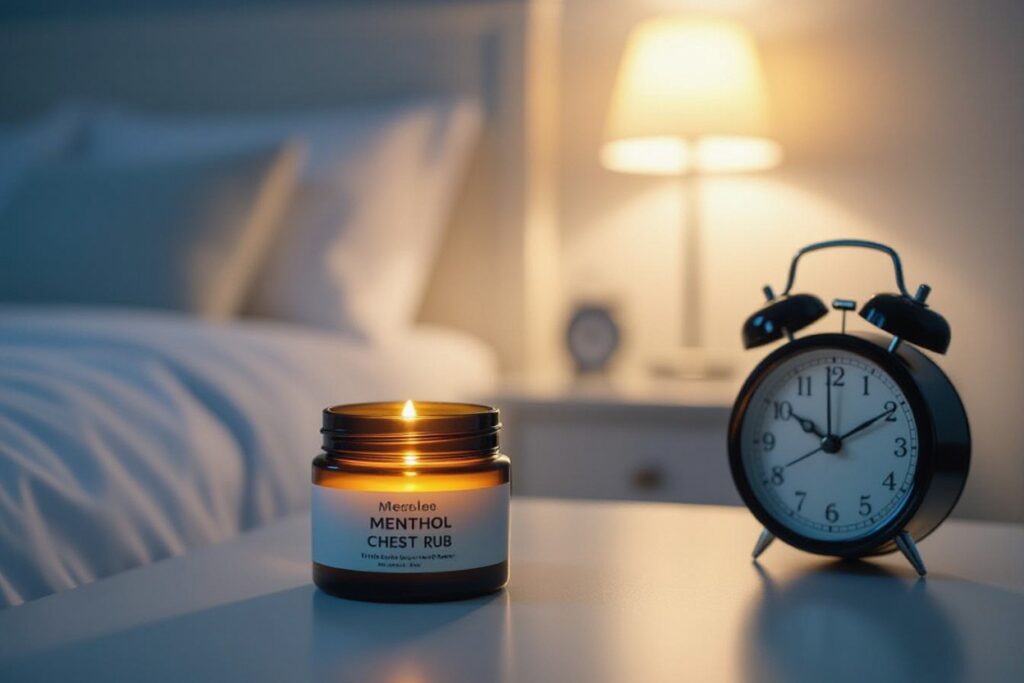
There’s a comforting ritual when you apply menthol chest rub before bed that helps you sleep through the night; its cooling vapors can open your airways, ease coughs and soothe irritated sinuses so you fall into deeper rest, letting you “breathe easier” while gentle scent cues your body to relax and stay asleep.

What is Menthol Chest Rub?
Menthol chest rub is a topical ointment you smear on your chest or throat to ease nighttime breathing and promote sleep by producing a cooling, aromatic sensation that eases the perception of congestion. “The cooling scent activates cold receptors and helps you feel clearer,” and many formulations pair menthol with camphor and eucalyptus so the vapors reach nasal passages while you rest, helping you stay asleep longer when congestion would otherwise wake you.
Ingredients and How They Work
Typical formulations contain menthol (~2.6%), camphor (~4.8%) and eucalyptus oil (~1.2%); menthol stimulates TRPM8 cold receptors to create a cooling illusion, camphor provides mild topical analgesia and counterirritant effects, and eucalyptus’s 1,8‑cineole adds aromatic decongestant properties. You get mostly sensory relief rather than deep pharmacologic decongestion, because percutaneous absorption is limited; always follow label directions and avoid use on children under two years.
Common Uses Beyond Sleep
People use chest rubs not only for sleep but also for daytime nasal relief, soothing mild muscle aches, and easing cough-related chest discomfort; athletes sometimes apply it for temporary relief of stiffness before activity, and caregivers use the vapors during colds to calm fussy children (for ages above the recommended limit). You should avoid open wounds and sensitive areas, and test a small skin patch if you’re prone to irritation.
For practical use, apply a thin layer to your chest or neck and inhale vapors for 10–30 minutes to relieve nasal stuffiness, or gently rub into sore muscles for 30–60 seconds to increase circulation and decrease perceived pain; combining with steam inhalation or a warm compress can amplify the aromatic effect. If you have eczema, asthma, or are pregnant, consult a clinician before regular use.
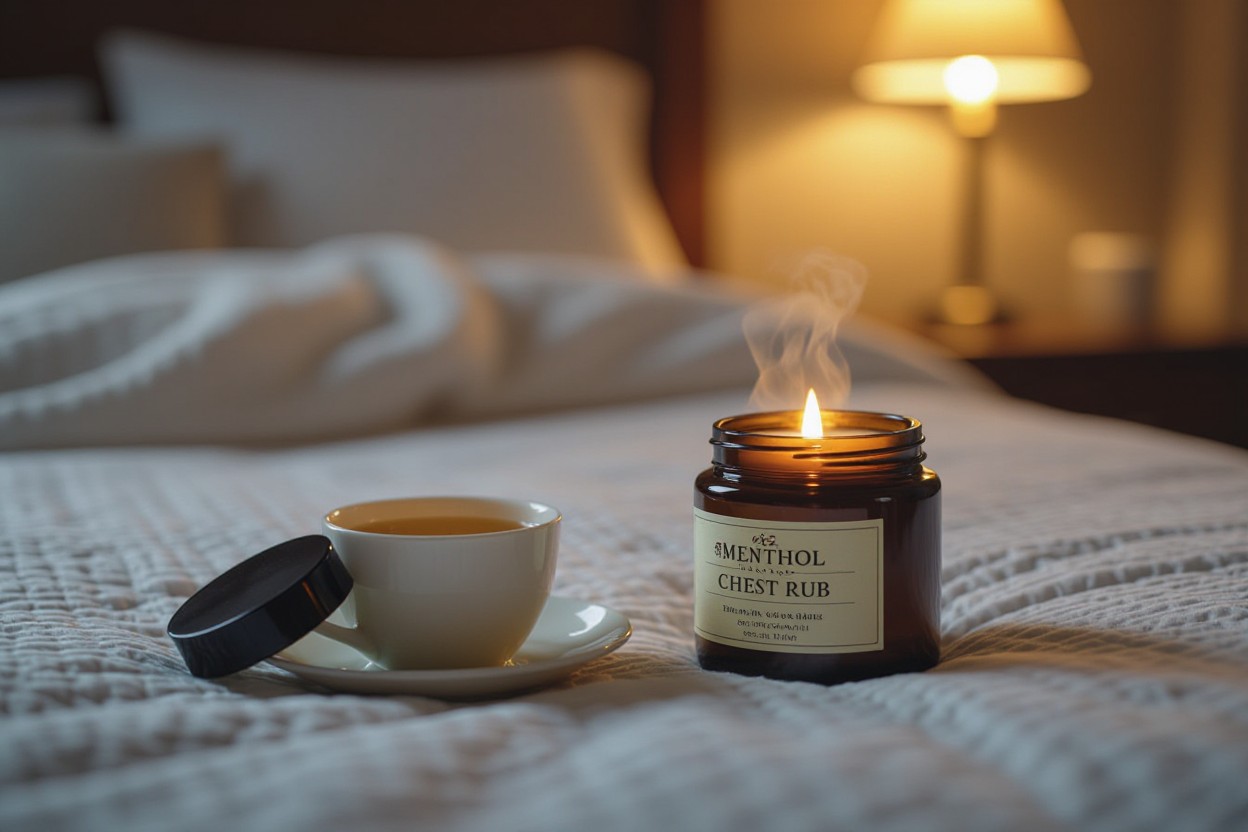
The Science Behind Better Sleep
You benefit from menthol’s action on cold-sensitive TRPM8 receptors in the nasal and airway mucosa, which creates a cooling sensation that often speeds sleep onset and reduces nighttime wakings. Clinical work (e.g., Eccles 1994) shows people report improved nasal patency and less cough after menthol inhalation, even when objective airflow measures don’t change, so your perceived ease of breathing — not just measured airflow — matters for uninterrupted sleep.
The Role of Aromatherapy
Olfactory stimulation from menthol, eucalyptus and camphor reaches your limbic system quickly, lowering sympathetic arousal and helping you relax; several trials link calming scents to reduced heart rate and subjective stress. Use modest concentrations and brief inhalation—”a small sniff can shift your breathing”—and you’ll get noticeable relaxation without overwhelming your senses, which helps you fall back asleep faster after middle-of-the-night coughs.
How Menthol Affects Breathing
Menthol activates TRPM8 in nasal sensory neurons, producing a perceived increase in airflow and a drop in irritation that can suppress cough reflexes; this modulation of airway sensory nerves often translates to fewer awakenings. While rhinomanometry may show little change in resistance, your sensation of clearer breathing can lower arousals and improve sleep continuity.
On a mechanistic level, menthol’s vapors stimulate trigeminal and olfactory pathways, sending cooling signals that gate nociceptive input and reduce cough hypersensitivity in studies of upper airway irritation. In practice, topical menthol releases volatiles that reach the nasopharynx within minutes, so when you apply a chest rub before bed the combination of vapor exposure and sensory modulation helps maintain deeper, longer sleep periods.
Applying Menthol Chest Rub for Sleep
Apply a pea-sized amount to your chest and upper throat—avoid the nostrils—and gently rub for 20–30 seconds to warm the balm and release vapors. Do this 10–15 minutes before bed so the cooling menthol aroma settles as you lie down. Use clean, dry hands and never apply to broken or inflamed skin. “Less is more when you want relief,” is a useful mantra when dosing menthol rub for nighttime use.
Tips for Effective Use
Test a small patch if you have sensitive skin and dilute with a drop of unscented oil only if irritation appears. For kids aged 2 and up apply a thin layer and keep the jar out of reach; adults can use a slightly larger area but limit to one application per night. Pairing the rub with a cool-mist humidifier boosts vapor inhalation and comfort. Knowing small adjustments like timing and placement can make the difference in How well you sleep.
- Apply a pea-sized amount for toddlers, slightly more for adults.
- Warm the balm between palms before rubbing to increase vapor release.
- Keep product away from eyes and do not apply inside the nostrils.
- Use with a humidifier or 10 minutes of steam for better inhalation.
Safety Precautions
Avoid menthol rub on children under 2 years and never use on broken, irritated, or sunburned skin. If you have asthma, COPD, are pregnant or breastfeeding, consult your clinician before use. Stop use immediately and wash the area if you experience persistent redness, severe burning, or eye exposure. Keep containers sealed and out of reach, and never ingest the balm.
For infants and very young children, saline nasal drops, suctioning, and a cool-mist humidifier are safer first-line options while you check with a pediatrician. Note that menthol mainly alters perception of congestion rather than improving objective airflow; if fever, worsening cough, or breathing difficulty appears within 48 hours, seek medical care. Also avoid occlusive dressings or heating pads over the applied area, and always wash your hands after application to prevent accidental eye contact.
Other Benefits of Menthol Chest Rub
Relief from Cold Symptoms
When you inhale menthol vapors, they stimulate TRPM8 cold receptors, creating a cooling sensation that makes breathing feel easier and reduces the perception of nasal congestion within minutes. Many rubs combine menthol (Vicks VapoRub contains about 2.6% menthol), camphor (4.8%) and eucalyptus (1.2%) to boost vapor effects. Users commonly report less coughing at night and improved subjective sleep quality while sick.
Soothing Muscle Tension
Topical menthol acts as a counterirritant, producing cooling that distracts from soreness and eases muscle tightness for short-term relief; athletes often use 1–3% menthol gels after workouts. Apply to your neck, chest, or shoulders and you may notice decreased stiffness within 10–20 minutes, helping you relax into sleep.
For deeper relief, combine gentle massage with a 2.6% menthol rub to boost local circulation and loosen tight fibers; “you often feel the difference within minutes,” which can break the tension cycle that keeps you awake. Test a small area first, avoid broken skin, and stick to labeled amounts to prevent irritation while you rest.
Alternative Sleep Aids
You can supplement menthol with melatonin (typical doses 0.5–5 mg) or try topical options; OTC antihistamines often leave you groggy the next day. If you’re curious about traditional uses, watch Everyone Knows Vick’s VapoRub for Colds, But Almost … for context on menthol products. Also consider white noise, weighted blankets (≈10% of body weight), or a humidifier to ease breathing and prolong uninterrupted sleep.
Natural Remedies
Lavender oil (2–3 drops on a diffuser or pillow) and chamomile tea (one cup 30–60 minutes before bed) are easy to test, while valerian supplements commonly use 300–600 mg nightly in studies. You should try one change at a time and track effects for at least two weeks. “A few deep breaths can switch your nervous system toward rest,” which makes these low-risk options worth trying before stronger interventions.
Lifestyle Changes for Better Sleep
Set a consistent sleep window—most adults need 7–9 hours—and keep wake and bedtimes within 30 minutes daily. Avoid caffeine within six hours of bedtime and limit naps to 20 minutes. You should also aim for 150 minutes of moderate exercise weekly, but finish vigorous workouts at least 3 hours before sleep to prevent stimulation.
Try a 30–60 minute screen-free wind-down, dim lights, and set bedroom temperature to 60–67°F (15–19°C) for sleep onset; invest in a supportive mattress and pillows tailored to your sleep position. If behavioral changes aren’t enough, cognitive behavioral therapy for insomnia (CBT-I) yields improvements for roughly half to two-thirds of people and is a well-studied next step you can pursue with a clinician.
Frequently Asked Questions
Quick Answers
If you wonder whether menthol rubs actually clear your nose, know that common OTC formulations (e.g., Vicks VapoRub: menthol ~2.6%, camphor ~4.8%, eucalyptus ~1.2%) mainly change perception—clinical tests show improved subjective breathing though nasal airflow often stays the same. You should apply a thin layer to your chest or throat, avoid direct nostril use, and never use on children under 2 years. In practice, one randomized trial found reduced cough frequency overnight. “You feel freer to breathe,” many users report, helping sleep.
Summing up
Considering all points, menthol chest rub can soothe your airways, reduce coughing, and create a calming scent that helps you breathe easier so you stay asleep longer. Applied before bed, it often eases congestion, so you wake less and rest more. “A gentle menthol scent can guide you into deeper sleep,” and small, safe uses can improve your nighttime comfort and recovery.

Medical Disclaimer
This article is for informational purposes only and is not a substitute for professional medical advice, diagnosis, or treatment. Always consult a qualified healthcare provider before starting, stopping, or changing any treatment, especially if you are pregnant, nursing, have a medical condition, or are taking medications. Never disregard professional medical advice or delay seeking it because of something you have read here. If you experience severe symptoms, allergic reactions, or think you may have a medical emergency, seek immediate care.
