
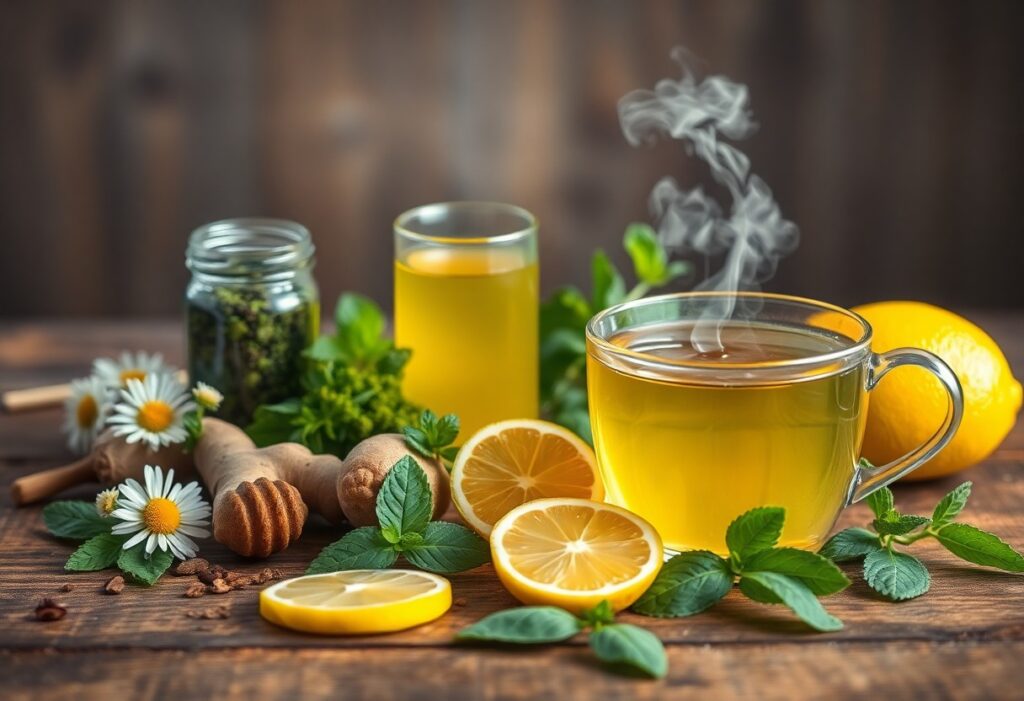
Over time, you may find yourself reaching for comforting herbal teas and natural ingredients that can provide effective cold relief. In this post, you’ll discover the Best options that not only soothe your symptoms but also support your immune system. Explore delicious blends featuring ingredients like ginger, honey, and chamomile, all known for their healing properties. With these natural remedies at your fingertips, you can take charge of your well-being and find gentle comfort during cold season.
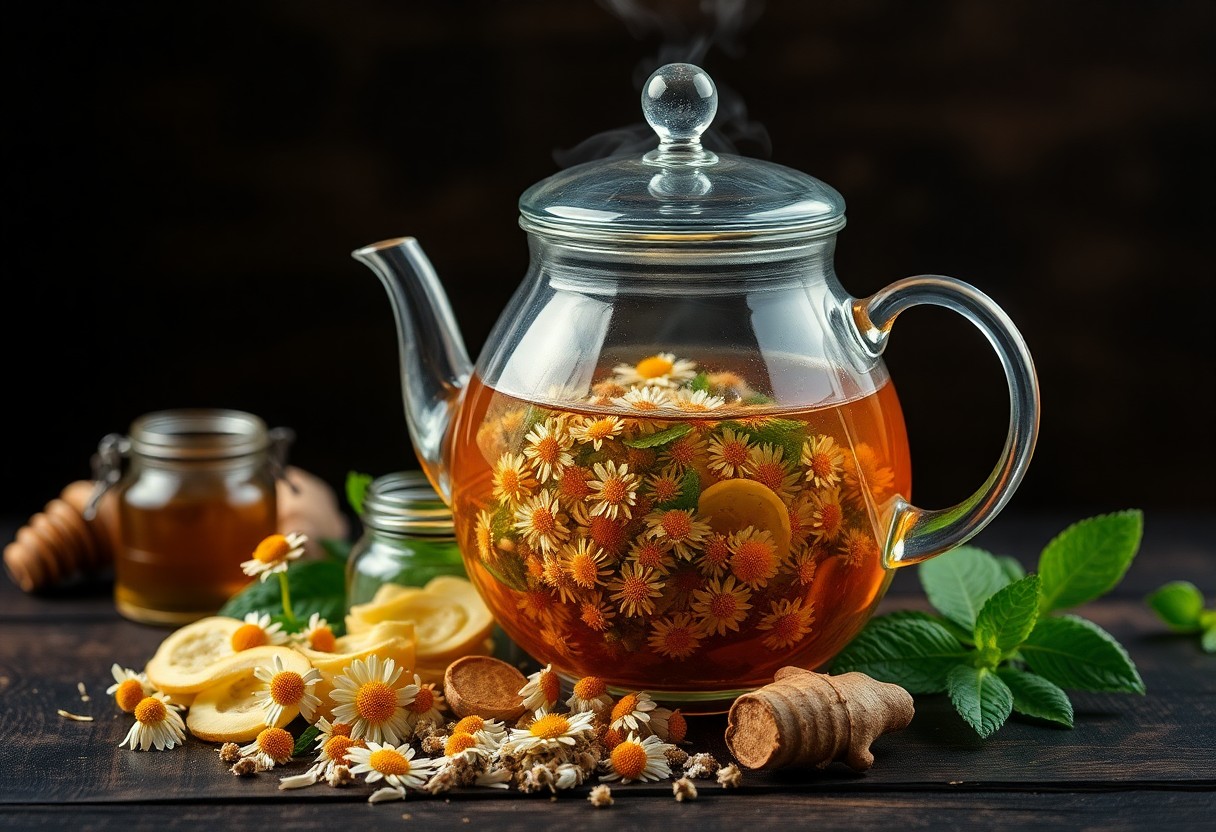
Understanding Colds
Colds are commonly caused by viruses, with the rhinovirus being the most prevalent culprit. You may encounter these viruses through inhaling droplets from an infected person’s sneeze or cough, or by touching surfaces where the virus resides. Colds typically last about 7 to 10 days, though individual experiences may vary significantly based on overall health, age, and environment. It’s necessary to recognize that colds, while uncomfortable, usually resolve on their own without serious complications.
What Causes a Cold?
Colds are triggered by viral infections, primarily the rhinovirus, which accounts for approximately 30-50% of cases. You catch a cold when the virus enters your body through your respiratory system, multiplying and causing inflammation. Other viruses, like the coronavirus and adenovirus, can also cause colds, but their effects are often milder compared to the flu.
Symptoms to Watch For
As your body fights off a cold, you might experience symptoms such as a runny or stuffy nose, sore throat, cough, and fatigue. You could also notice sneezing, headaches, and mild body aches. Depending on how your body reacts, the intensity and duration of these symptoms can vary, but they generally peak within the first few days and begin to improve after that.
When experiencing symptoms, you may find that the initial phase includes a sore throat and runny nose, which can quickly escalate to a stuffy nose accompanied by coughing. In adults, you might feel particularly fatigued or experience headaches as your immune system rallies. If symptoms last beyond ten days or you develop a high fever, it may indicate a more serious issue, and seeking medical advice would be wise. Proper hydration and rest can significantly ease symptoms and support recovery.

Benefits of Herbal Teas
Herbal teas offer a range of health benefits, particularly during cold season. They can provide relief from symptoms by harnessing the power of natural ingredients to alleviate discomfort. Ingredients like ginger and chamomile possess anti-inflammatory properties, while others help boost your immune system, making herbal teas an effective ally in your fight against colds.
Soothing Properties
The soothing properties of herbal teas can calm your throat and ease coughing. Ingredients such as honey, often added to these brews, act as a natural cough suppressant while also enhancing flavor. Warm herbal infusions create a comforting experience that can help you relax, promoting better rest during cold recovery.
Hydration and Comfort
Staying hydrated is imperative when you’re battling a cold, and herbal teas are an enjoyable way to achieve this. Sipping on warm, flavorful brews not only replenishes lost fluids but also provides a sense of comfort that can lift your spirits. Herbal teas like peppermint or lemon balm are particularly refreshing, offering hydration with a delicious twist.
Incorporating herbal teas into your daily routine while sick can significantly enhance your hydration levels. They are typically caffeine-free, allowing for uninterrupted sleep that is vital during recovery. Many herbal infusions carry additional benefits, such as promoting digestion and reducing stress, making them a perfect choice for both hydration and overall comfort during a cold. By combining hydration with the warmth of herbal teas, you can create a soothing ritual that will help you feel better more quickly.
Top Herbal Teas for Cold Relief
When colds strike, certain herbal teas can offer soothing relief and boost your recovery. These natural brews harness the power of ingredients known for their medicinal properties, helping alleviate symptoms like congestion, sore throat, and fatigue. Incorporating these herbal teas into your daily routine can enhance your comfort during a cold and support your immune system.
Chamomile Tea
Chamomile tea is renowned for its calming effects and can help ease irritation in your throat. Its anti-inflammatory properties assist in reducing swelling, while the soothing aroma promotes relaxation, making it an ideal choice before bedtime when you’re feeling under the weather.
Ginger Tea
Fresh ginger tea is a warming remedy known for its ability to combat cold symptoms effectively. The active compound, gingerol, possesses anti-inflammatory and antiviral properties, which can help relieve sore throat and nasal congestion.
To prepare ginger tea, simply steep fresh ginger slices in boiling water for about 10 minutes. You can enhance the flavor and benefits by adding honey or lemon, both of which provide additional soothing effects. Drinking ginger tea can also increase your blood circulation, support your immune function, and help you feel more energized during your recovery.
Peppermint Tea
Peppermint tea is beneficial for its menthol content, which helps clear nasal passages. The refreshing aroma can provide a sense of relief from headaches that often accompany colds. Furthermore, the antispasmodic properties of peppermint can ease coughs and soothe sore throats.
Brewing peppermint tea involves steeping fresh leaves or using tea bags in hot water. This invigorating tea can also aid digestion and provide a cooling sensation that helps you feel more comfortable when you’re fighting off a cold. Sipping peppermint tea throughout the day can keep you hydrated while promoting a faster recovery.
Natural Ingredients to Add
Incorporating natural ingredients can significantly enhance your herbal teas for cold relief. Options such as honey, lemon, and echinacea not only boost flavor but also provide additional health benefits. For more on the types of tea beneficial for colds, explore Tea for Colds: Types of Tea, Benefits, and Efficacy.
Honey
Honey is a natural sweetener that offers soothing properties. Its viscous texture can coat your throat, reducing irritation and cough. Additionally, honey possesses antimicrobial properties, making it an effective natural remedy.
Lemon
Lemon adds a refreshing zest to your tea while packing a punch of vitamin C. This vitamin supports your immune system, helping your body fight off infections more effectively.
Adding lemon juice to your tea not only enhances its flavor but also significantly boosts its nutritional profile. Your body needs vitamin C for various functions, including the production of collagen and the efficient functioning of immune cells, which are important during a cold. The acid in lemon can also aid digestion, making your tea experience more enjoyable and beneficial.
Echinacea
Echinacea is renowned for its immune-boosting capabilities. This herb can help decrease the duration and severity of colds. It works by stimulating the production of white blood cells, which are vital in fighting off infections.
Research indicates that echinacea can reduce the likelihood of catching a cold by around 58% if taken at the onset of symptoms. It’s often available in tea, capsules, or tinctures, offering flexible options for enhanced cold relief. This herb’s potential benefits make it a worthy addition to your herbal remedies during cold season.
Preparing the Perfect Cold Relief Tea
For optimal cold relief, preparing your herbal tea with care makes all the difference. Begin by selecting a quality blend, such as chamomile or peppermint, as your base. Boil fresh, filtered water and let it cool slightly before pouring over the herbs to avoid bitterness. Steep for the recommended time and add your favorite natural ingredients like honey or lemon to enhance flavor and health benefits. This combination can provide soothing relief for your symptoms and support your recovery.
Brewing Tips
To maximize the effectiveness of your cold relief tea, utilize these brewing tips:
- Use fresh herbs or high-quality tea bags for potency.
- Control water temperature; boiling water can destroy delicate compounds.
- Steep for the recommended duration to extract maximum flavor and benefits.
- Add honey or lemon after steeping for sweetness and vitamin C.
Any adjustments to these steps can affect the tea’s soothing properties significantly.
Flavor Combinations
Experimenting with flavor combinations can elevate your cold relief tea experience. Various herbal ingredients work harmoniously together, enhancing both flavor and health benefits. Consider blending ginger with lemon for a spicy, invigorating brew or mixing peppermint with chamomile for a comforting, calming experience. You can also combine turmeric with honey, benefiting from the anti-inflammatory properties while enjoying a warm, soothing drink. These combinations not only please your palate but also target symptoms effectively, supporting overall recovery.
When to Seek Medical Attention
Signs That Indicate a Doctor’s Visit
If your cold symptoms persist beyond a week or worsen significantly, it’s time to consult a healthcare professional. High fever above 101°F (38.3°C), severe headache, shortness of breath, or chest pain can indicate a more serious condition, such as pneumonia or bronchitis. Additionally, if you experience symptoms like persistent vomiting, confusion, or a rash, seek medical attention immediately. These signs may suggest complications that require prompt treatment. Prioritizing your health ensures you avoid any long-term issues and recover swiftly.
Conclusion
Taking this into account, you can easily incorporate the best herbal teas and natural ingredients into your routine for effective cold relief. Whether it’s sipping on ginger tea for its warming properties or enjoying chamomile for its soothing effects, these remedies can enhance your comfort. With options like honey and lemon to boost your immune system, you have the tools to support your recovery naturally. Embrace the power of nature to help you feel better and breathe easier during cold season.
FAQ
Q: What are the best herbal teas for relieving cold symptoms?
A: Herbal teas known for cold relief include ginger tea, which helps soothe sore throats and reduce inflammation; peppermint tea, which can open up nasal passages and alleviate congestion; and chamomile tea, renowned for its calming effects and ability to support the immune system.
Q: How do natural ingredients like honey and lemon benefit cold relief?
A: Honey is a natural cough suppressant and has antibacterial properties that help soothe irritated throats. Lemon is high in vitamin C and antioxidants, boosting the immune system while also providing hydration. Together, they create a soothing drink that helps alleviate cold symptoms.
Q: Are there any specific herbal blends effective against colds?
A: Yes, blends like echinacea and elderberry are popular for their immune-boosting properties. Additionally, a combination of thyme and marshmallow root can help relieve coughing and throat irritation. These herbal blends work synergistically to support recovery from colds.

Medical Disclaimer
This article is for informational purposes only and is not a substitute for professional medical advice, diagnosis, or treatment. Always consult a qualified healthcare provider before starting, stopping, or changing any treatment, especially if you are pregnant, nursing, have a medical condition, or are taking medications. Never disregard professional medical advice or delay seeking it because of something you have read here. If you experience severe symptoms, allergic reactions, or think you may have a medical emergency, seek immediate care.
