
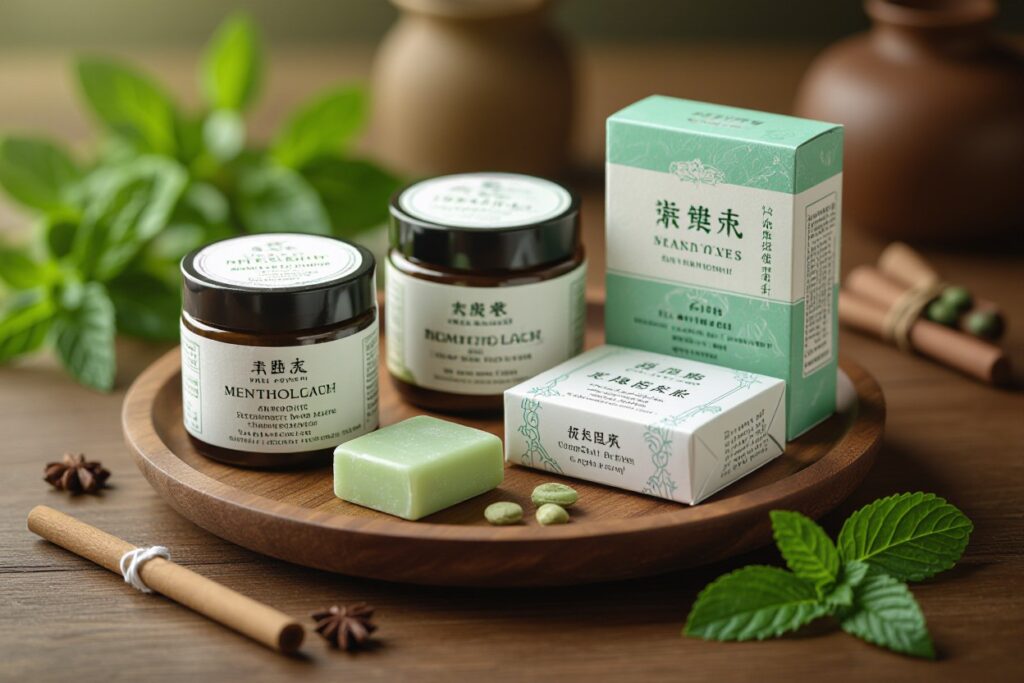
There’s a soothing habit across cultures where you turn to mentholated balms, rubs, and inhalers to ease congestion, calm muscle aches, or brighten a stuffy room; this friendly guide shows how your practices vary from Southeast Asia to Latin America, highlights local names and uses, and points you to safe, locally relevant choices for travel or home care.
How menthol is used across regions
You’ll find menthol applied in many ways depending on culture and climate: as a chest rub in colder cities, a headache balm in tropical markets, or a cooling gel after outdoor work. In each region, traditions shape when and how you use these products.
Southeast Asia
In Bangkok and Ho Chi Minh City, you’ll see small jars of balm used for nasal relief, insect bite soothing, and gentle massage; brands like Tiger Balm are part of daily first-aid kits and street pharmacies.
Latin America
In Mexico City and Lima, mentholated ointments appear in multi-purpose tubes for cough relief, chest rubs, and to alleviate sinus pressure; you’ll often find them combined with herbal extracts familiar to local remedies.
Middle East
In Cairo and Dubai, menthol is used in inhalants and topical rubs to ease cold symptoms and nasal congestion, often alongside aromatic oils in home remedies.
Europe and North America
In London and New York, you’ll encounter menthol in lozenges, vapor rubs, and modern gels; pharmacies stock a range that reflects both clinical and folk uses you might recognize from travel.
Africa
Across Nairobi and Lagos, menthol blends are used for respiratory relief and as warming rubs after outdoor labor; local markets mix menthol with other botanicals to fit community preferences.
Common mentholated products and how to use them
You’ll come across balms, creams, inhalers, lozenges, and sprays; apply topicals to the chest or muscles, use inhalers briefly for nasal relief, and follow label directions for lozenges. If you want a sample option, shop here.
Cultural etiquette and safety tips
You should test a small skin patch to check for sensitivity, avoid applying near eyes or broken skin, and be cautious using strong formulations on children or the elderly. When traveling, respect local customs about scent and topical application in public spaces.
Local search tips for finding menthol remedies
When you’re looking locally, search terms like “menthol balm,” “vapor rub,” or the local product name plus your city (for example “balm Bangkok” or “ungüento México City”) will help. Check neighborhood pharmacies and markets, and read local reviews to find trusted sellers.
Conclusion
You’ll notice Mentholated remedies connect practical relief and cultural habit—from market stalls to modern pharmacies—so use this guide to explore options safely and find products that fit your travel route or hometown needs.
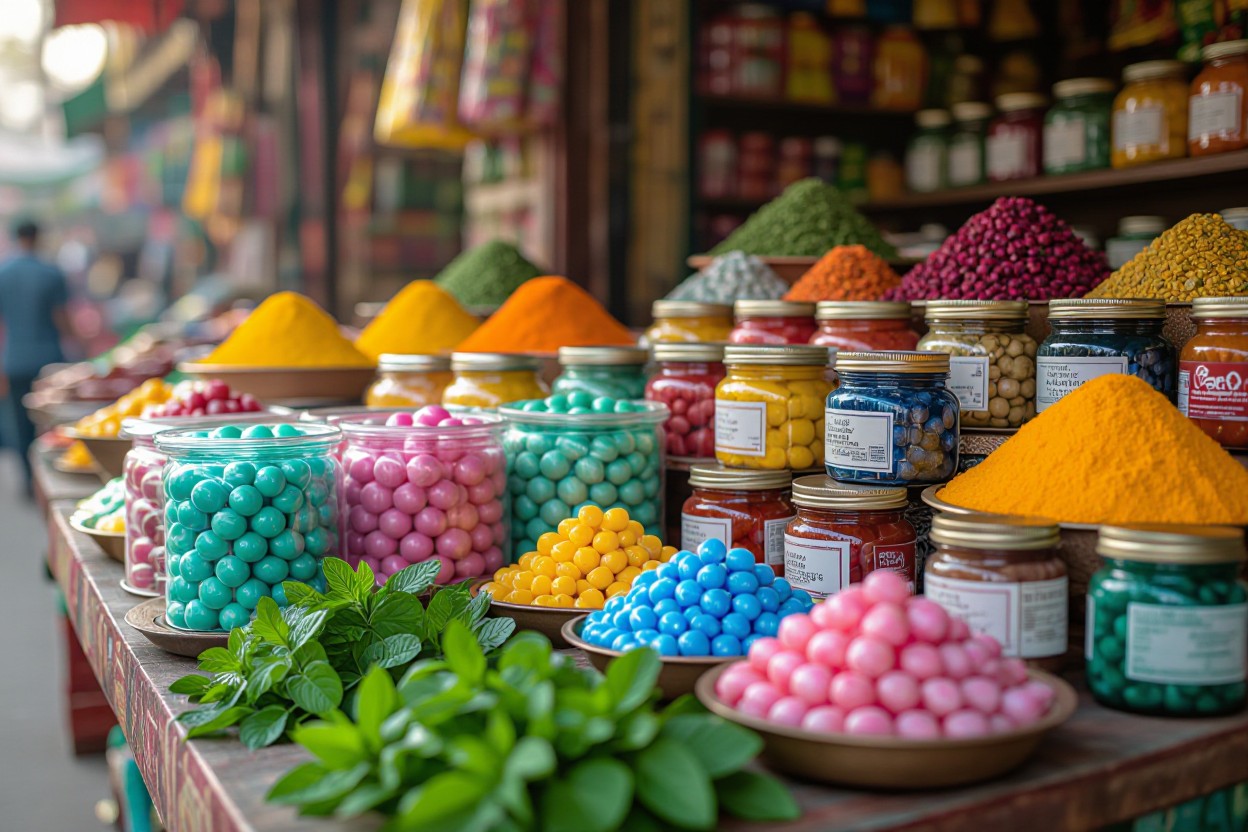
A breath of fresh air: the history of menthol
You trace menthol’s arc from early botanical remedies to a modern ingredient: first isolated from peppermint in 1771 by Hieronymus David Gaubius, it entered European apothecaries in the 18th–19th centuries and became industrially produced in the early 20th century. Manufacturers used it to boost cough drops, rubs and lozenges, while scientific studies in the mid-1900s quantified its cooling and mild analgesic effects, cementing menthol as a go-to for respiratory and topical preparations across Europe, North America and Asia.
Ancient uses in traditional medicine
You can see menthol’s roots in age-old systems: Traditional Chinese Medicine lists “bo he” (mint) in Han dynasty pharmacopeias for wind-heat colds, and Ayurvedic texts have used mint-based oils for digestive and topical applications for centuries. Healers in the Middle East and Mexico employed mentholated steam and poultices to ease congestion and muscle pain, while Japan incorporated mint into Kampo formulas — practical, plant-based treatments long before isolated menthol entered labs.
Global integration of menthol
You notice rapid globalization during the 20th century as menthol moved into consumer products: VapoRub-style blends, throat lozenges, toothpastes and even confectionery adopted menthol for scent and cooling. Tobacco and gum manufacturers added menthol flavoring from the 1920s onward, and by the late 20th century multinational pharmaceutical firms standardized menthol concentrations (often 0.5–5% in topical rubs) to deliver consistent effects across markets in Europe, the United States, Southeast Asia and Latin America.
You should also consider economic and regulatory shifts that reshaped distribution: Japan once dominated menthol production mid-century, but by recent decades China and India emerged as major suppliers of menthol derived largely from Mentha arvensis grown in Uttar Pradesh and Madhya Pradesh. Public policy responded too — for example, the EU implemented a ban on menthol cigarettes in 2020, affecting demand patterns in Europe and prompting manufacturers to reformulate. Practical consumer choices echo these changes; if you shop for balms or inhalers, compare concentrations and provenance, or check this product link for a widely available menthol option.
Mentholated remedies in different cultures
Asia: Traditional practices and modern adaptations
Across East and Southeast Asia you’ll find menthol blended with herbs in products like Tiger Balm and White Flower Oil; pharmacies sell menthol ointments for colds, muscle aches, and insect bites. In India, camphor‑menthol rubs are commonly used in postpartum care and street remedies, while in Japan mentholated patches for sinus relief are a staple; many packages run 10–50 g, making them easy to tuck into your travel kit.
Western approaches: From Vicks to ice cream
In Western markets menthol appears in Vicks VapoRub, Icy Hot, cough drops and chewing gum, and as peppermint oil in desserts; you’ll use topical menthol for cooling muscle relief and inhale vapors for nasal congestion. Sports brands sell 2–10% menthol formulations to produce a perceived cooling effect, and mint chocolate chip ice cream showcases culinary menthol via peppermint-derived oils.
You’ll see marketing that emphasizes fast sensory relief: OTC balms like Vicks and Icy Hot typically contain 1–10% menthol for topical analgesia, while sports therapists use menthol gels to lower perceived discomfort during recovery. Small amounts of peppermint oil (trace to low concentration) provide menthol flavoring in confections and ice cream. If you want a compact balm to carry, consider this product link.
The science behind menthol: cooling effects explained
You feel menthol as cool because it activates TRPM8 cold receptors in sensory neurons, lowering the temperature threshold for cold perception to around 25–28°C; this creates a cooling illusion without changing tissue temperature. For a concise historical-to-modern overview and detailed poster summary, see Menthol: An exploration from antiquity to modernity – IASP, which traces cultural and clinical uses across Europe, Asia and the Americas.
How menthol works on the body
When you apply menthol topically or inhale it, the molecule binds TRPM8 channels on Aδ and C fibers, producing a cool sensation within seconds; studies show perceived nasal patency can improve even when objective airflow is unchanged, and low concentrations (often 0.05–0.5% in inhalants) trigger sensation while higher topical doses (about 0.5–5%) give stronger analgesic counterirritation effects.
Benefits and risks of mentholated products
You get short-term relief from minor aches, sore throat discomfort and blocked nose thanks to menthol’s counterirritant and perceptual effects, and many cultures use 1–5% menthol rubs regionally; however, skin irritation, contact dermatitis and mucous membrane burning occur in a small percentage, and infants under two should avoid strong menthol rubs—see a local pediatric guideline or purchase option for mainstream formulations.
If you use menthol regularly, test a small skin area first and avoid applying to broken skin or near eyes; professional reviews report low adverse-event rates when concentrations follow regulatory guidance, but concentrated important oils can cause nausea or dizziness if ingested and have led to cautions in pediatric care—check national product labels and consult a clinician if you have asthma or sensitive skin.
Menthol in herbal remedies and natural treatments
You encounter menthol blended into balms, inhalants and teas across many traditions: in South Asia it’s mixed with camphor and sesame oil for topical rubs; in South America menthol-rich peppermint is steeped for digestion; and in East Asia mentholatum-style ointments are a staple for congestion. Formulations typically use 1–10% menthol or peppermint oil, and manufacturers tune combinations for scent, cooling intensity and absorption to match regional preferences and climate.
Popular herbal combinations worldwide
You see recurring pairings: menthol with eucalyptus and camphor in chest rubs for decongestion, menthol with lavender or arnica for topical muscle relief, and peppermint (the main natural source of menthol) blended with chamomile or ginger for digestive teas. Clinical studies support peppermint oil for irritable bowel syndrome, and aromatherapists in Europe often pair menthol with rosemary or pine for sinus relief, reflecting both evidence and long-standing folk practice.
The growing trend of DIY menthol remedies
You increasingly find home crafters making menthol salves using beeswax, coconut oil and menthol crystals; common recipes aim for 1–5% menthol by weight, which mirrors many OTC products. Tutorials show simple heat-and-mix steps, and community forums from the UK to India share proportions, sourcing tips and patch-test advice. If you want supplies, you can buy menthol products online to match your chosen concentration.
You should note practical details when DIYing: measure menthol to avoid irritation, cool mixtures slowly to preserve texture, and label jars with concentration and date—3% menthol in a 100 g balm equals 3 g crystals. Small-batch makers in urban markets report higher demand in winter months, and local regulations may affect how you market homemade salves, so check regional labeling rules before selling.
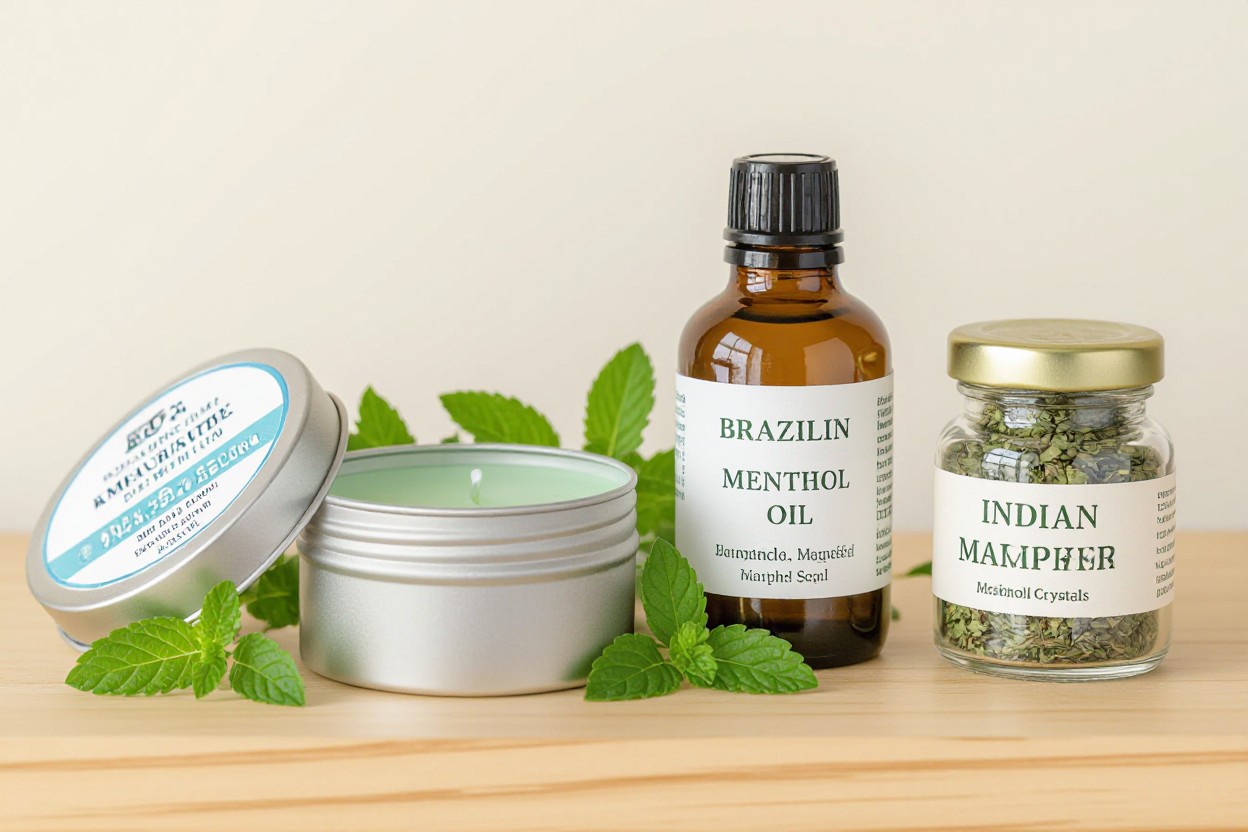
Menthol and cultural significance
You encounter menthol not just as a cooling compound but as a cultural signifier: menthol (from Mentha × piperita and Mentha arvensis) often makes up 30–55% of peppermint oil and is the active sensation in balms sold worldwide since brands like Mentholatum (est. 1889). In markets from Delhi to Tokyo, mentholated products signal home care, health literacy and commercial modernity, shaping how your family treats colds, muscle pain and seasonal ailments across Asia, Latin America and North Africa.
Symbolism in various traditions
You’ll see menthol linked with clarity and purification: in Traditional Chinese Medicine, mint (bo he) is associated with clearing “wind-heat” and relieving headaches; in Ayurveda, pudina is connected to digestive balance and cooling. In many Latin American and Filipino households, mentholated rubs symbolize maternal care during childhood illness, while European spa traditions use mint to denote refreshment—concrete cultural cues that shape how you perceive and use these products.
Celebrations and rituals featuring menthol
You find menthol in rituals that mark transitions and communal cleansing: steam rooms and hammams across Morocco and Turkey regularly incorporate menthol or eucalyptus-infused steam; South Asian postpartum and spring-cleaning practices often include mint oils for perceived purification. During summer festivals in Southeast Asia, cooling balms and inhalants are distributed to relieve heat stress, turning menthol into both a functional aid and a shared cultural token.
You can trace specific case studies: Filipino postpartum massages (hilot) still use mentholated balms for maternal recovery, while in parts of Mexico and Central America families bring menthol rubs to communal events to treat insect bites and colds. If you’re looking to explore traditional balms used in these contexts, consider checking a commonly stocked option via this product link product link.
Cross-cultural uses of mentholated remedies
You encounter mentholated remedies in markets, pharmacies and family cabinets worldwide, where you use balms, rubs and inhalants for congestion, muscle relief and calming rituals. In many cultures you apply a small amount to the chest or temples, inhale vapors during steamy baths, or blend oils into massage to soothe discomfort and lift your spirits. You’ll notice local recipes and applications vary, but menthol’s cooling sensation often guides how you use it in daily care and folk healing.
Asia and the Pacific
You find strong traditions in India, China, Japan and Southeast Asia where mentholated balms are household staples. You use them for colds, headaches and to ease travel nausea; in tropical climates you also use them to relieve insect bites and skin irritation. Local brands and homemade formulas shape how you apply them, from chest rubs to forehead dots.
Africa and the Middle East
In North Africa and parts of the Middle East you use mentholated oils alongside aromatic herbs in steam treatments and topical applications. Sub-Saharan communities often combine menthol with eucalyptus or local plant extracts for respiratory comfort, and you’ll encounter these blends in both urban pharmacies and rural markets.
Latin America and the Caribbean
In Latin America and the Caribbean you use mentholated ointments and liquids for muscle aches, colds and ritual self-care. You might apply them before bedtime or after physical work, and you’ll see both commercial and artisanal products that reflect regional scents and ingredients.
Europe and North America
In Europe and North America you use menthol in modern over-the-counter products—vapor rubs, lozenges and topical gels—often guided by clinical labels. You also adopt traditional uses brought by immigrant communities, blending scientific and cultural practices in your home remedies.
How to choose and use mentholated remedies
When you choose a product, check concentration, ingredients and local guidance. Use small amounts, avoid broken skin and keep products away from children’s faces. If you travel, you can pick up regional variants to experience different scents and strengths; a popular option you might try is available here: product link.
Summing up
The global use of mentholated remedies shows you how a simple cooling compound adapts to local needs and rituals, helping you manage congestion, aches and comfort with region-specific blends and techniques that fit your lifestyle and climate.

Medical Disclaimer
This article is for informational purposes only and is not a substitute for professional medical advice, diagnosis, or treatment. Always consult a qualified healthcare provider before starting, stopping, or changing any treatment, especially if you are pregnant, nursing, have a medical condition, or are taking medications. Never disregard professional medical advice or delay seeking it because of something you have read here. If you experience severe symptoms, allergic reactions, or think you may have a medical emergency, seek immediate care.
