

Many simple, evidence-based daily habits can help you strengthen your lungs, reduce symptoms, and adapt to local air and climate conditions so you feel better year-round. You’ll learn practical breathing techniques, movement, nutrition, and indoor air strategies that fit urban, suburban, or rural settings and can be adjusted to your local needs.
Why respiratory resilience matters in your area
Your risk and needs shift with local air quality, pollen seasons, and temperature. In urban areas you may face traffic pollution; in rural zones you might encounter seasonal smoke or agricultural dust. Knowing local patterns helps you prioritize measures that keep your airways strong and reduce flare-ups.
Air quality and climate
Check local air quality indices and forecast maps daily; on high-pollution days limit outdoor exertion and use masks if needed. Humidity and cold also affect airway reactivity, so tailor humidification or clothing choices to your locale.
Local infection patterns
Track community infection trends and vaccination recommendations; during peaks you can boost preventive habits like hand hygiene, ventilation, and avoiding crowded indoor settings to protect your breathing health.
Evidence-based daily habits
Breathing practices
Practice slow diaphragmatic breathing, pursed-lip breathing, and short daily sessions of breathwork (5–10 minutes) to improve ventilation and lower breathlessness. For device-guided training, consider a simple breathing aid breathing device to support incentive inspiration or expiratory techniques when advised by a clinician.
Physical activity
Aim for regular moderate aerobic exercise (20–30 minutes most days) to increase lung capacity and circulation. Include gentle strength and flexibility work to support posture and chest mobility; if pollution is high, move workouts indoors or adjust timing.
Nutrition and hydration
Eat a balanced diet rich in antioxidants (fruits, vegetables, nuts) and omega-3s to modulate inflammation. Stay well hydrated to keep mucus less viscous and clearable. Tailor foods to local availability and seasonal produce for best results.
Sleep and stress management
Prioritize 7–9 hours of quality sleep to support immune function and tissue repair. Use relaxation techniques like progressive muscle relaxation or guided breathing to reduce stress-related breathing symptoms and support recovery.
Indoor air quality
Ventilate living spaces when outdoor air is good; use HEPA filtration or portable purifiers in areas with smoke or high pollution. Control humidity (ideal 40–50%) to limit allergens and mold. Regularly clean HVAC filters and vacuum to reduce particles indoors.
When to seek medical advice
If you notice persistent breathlessness, wheeze, coughing that limits daily life, or sudden changes in symptoms, consult a healthcare provider. Keep an action plan for chronic conditions and discuss personalized breathing retraining or pulmonary rehabilitation if needed.
SEO and GEO tips for local search
For local visibility, include your city or neighborhood in searches and pages (e.g., “respiratory health tips in [your city]”) and add terms like “air quality,” “pollen,” and seasonal keywords. Link to local public health and air monitoring sites to boost relevance and trust.
Practical starter plan for your week
Day 1: Start 5 minutes diaphragmatic breathing; Day 2: 20-minute brisk walk; Day 3: Add antioxidant-rich meal; Day 4: Check local AQI and adjust outdoor time; Day 5: 10 minutes sleep hygiene routine; repeat and adapt to your climate and schedule.
Summary
By combining daily breathing exercises, consistent movement, balanced nutrition, good sleep, and improved indoor air, you can build natural respiratory resilience tailored to your local environment and lifestyle. Small, steady changes yield measurable benefits for your lungs and daily well-being.
Why respiratory resilience matters
Understanding respiratory health
Your lungs rely on layered defenses — mucociliary clearance, local immune cells and intact airway lining — to keep infections and pollutants at bay. In the U.S. roughly 25 million people have asthma and about 16 million have diagnosed COPD, so maintaining airway function matters for everyday energy and long-term outcomes. Pay attention to indoor PM2.5 (EPA annual target 12 µg/m³) and keep humidity between 40–60% to support mucosal barrier integrity and reduce viral survival.
The role of daily habits
Small, consistent actions shift risk: practice diaphragmatic breathing 10 minutes twice daily to improve ventilation, aim for 150 minutes of moderate exercise per week per CDC guidelines, and sleep 6–8 hours to support immune repair. When AQI exceeds 100 limit outdoor exertion and use an N95 for wildfire or pollution events. Add a HEPA filter in your bedroom — an air purifier with true HEPA can cut indoor particle load by up to 50–80% depending on room size and placement.
More detail on daily habits: start mornings with 5–10 slow, deep diaphragmatic breaths to lower breathlessness and practice pursed-lip breathing during exertion; schedule brisk walks totaling 30 minutes five days weekly to boost lung capacity; hydrate (about 2–3 L/day) and aim for 7–9 hours sleep to optimize mucosal immunity. Pulmonary rehab programs often yield measurable gains — many trials report improvements in 6-minute walk distance (~30–60 m) and fewer exacerbations — so combine home routines with professional guidance when you have chronic disease.

Breathing techniques for better health
Deep breathing practices
You can use diaphragmatic breathing, box breathing, or paced breathing to increase tidal volume and improve oxygen exchange; aim for 5–20 minutes once or twice daily, or 6 breaths per minute (inhale 4s, exhale 6s) to boost vagal tone and lower heart rate. For example, try 5 minutes on waking and 5 minutes before bed—clinical protocols often use this dose to reduce stress markers and improve lung efficiency over weeks of consistent practice.
The benefits of mindful breathing
Mindful breathing reduces reactivity and enhances attention by shifting your focus to the breath, with many 6–8 week programs showing measurable drops in perceived stress and anxiety. Short daily sessions of 5–15 minutes improve sleep quality, working memory, and emotion regulation; in clinical and workplace studies, regular practice correlates with better heart rate variability and sustained cognitive performance across the day.
For practical application, you can schedule micro-sessions—2 minutes after meetings or 10 minutes before exercise—to reset breathing patterns and lower cortisol-related responses. Athletes also integrate breath pacing into interval training to support recovery and endurance. If you prefer guided aids, consider using simple breathing tools or devices to track patterns and stay consistent: breathing tools.
Nutrition for lung support
You should prioritize anti-inflammatory, antioxidant-rich foods that supply vitamins A, C, D, and omega-3s; for example, eating two servings of fatty fish weekly and 1–2 cups of berries daily helps reduce airway inflammation and oxidative stress. Studies show vitamin C intake of 75–90 mg/day supports immune response, while 600–800 IU/day of vitamin D can lower respiratory infection risk in deficient adults. In polluted urban areas, increase antioxidant variety—leafy greens, nuts, and colorful vegetables—to counteract particulate exposure.
Foods that boost respiratory health
You’ll benefit from fatty fish (salmon, mackerel) for EPA/DHA, citrus and bell peppers for vitamin C, and dark leafy greens for carotenoids and magnesium. Include garlic and onions for mild antimicrobial effects, and turmeric or ginger for anti-inflammatory polyphenols. Aim for whole-food portions: two fish servings/week, three cups of vegetables/day, and a daily serving of fruit; clinical trials link these patterns to fewer asthma exacerbations and improved lung function over months.
Hydration and its importance
You need consistent hydration because airway surface liquid keeps mucus thin and cilia moving; target about 2–3 liters (8–12 cups) daily for most adults, adjusting for activity and climate. Even mild dehydration thickens secretions, impairs mucociliary clearance, and can increase cough frequency; athletes and those in dry, heated indoor environments should drink more and consider humidification.
For deeper guidance, monitor urine color (pale straw ideal) and sip water steadily rather than chasing fluids after becoming thirsty; adding electrolyte-containing beverages during long exercise or illness maintains airway hydration and systemic balance. Using a humidifier in winter or dry climates at 30–50% relative humidity preserves mucosal integrity, and warm saline nasal irrigation can flush particulates and loosen mucus—studies report reduced symptoms and fewer doctor visits when combined with adequate oral fluids. For convenient supplements or equipment options, see this product link shop here.
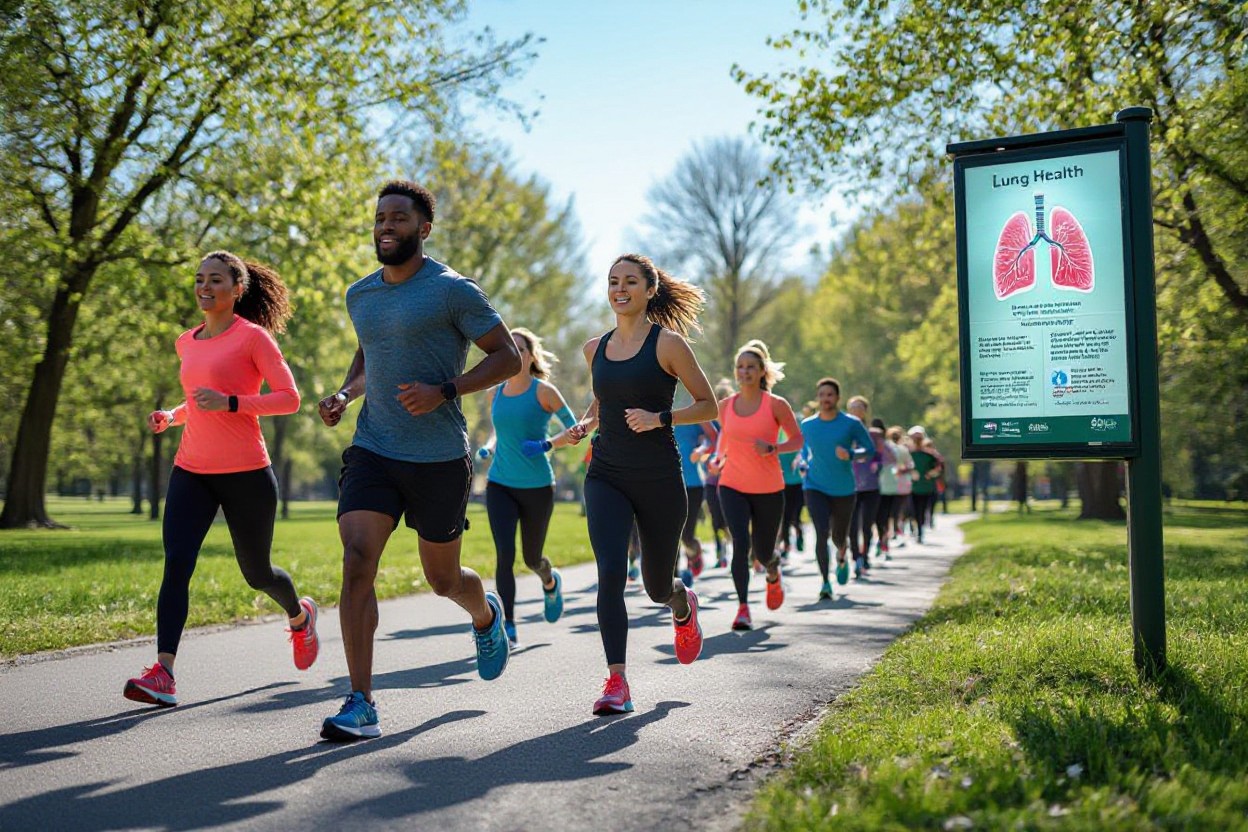
Physical activity and lung function
Exercises to strengthen your lungs
Include a mix of aerobic work, strength training, and targeted inspiratory muscle training: aim for 150 minutes of moderate aerobic activity weekly (brisk walking, cycling) or 75 minutes vigorous; add two strength sessions for posture and rib-cage mobility. High-intensity interval training (HIIT) can raise VO2 max by roughly 5–15% over several weeks, while pulmonary rehab studies show 6-minute walk distance gains of about 30–80 meters in people with chronic respiratory conditions. Try 3×30-minute aerobic sessions plus 10–15 minutes of IMT twice weekly.
Incorporating movement into your day
Break sitting into short, frequent bouts: stand or walk 2–5 minutes every hour, swap elevator rides for 5–10 minute stair climbs, and split exercise into 10–15 minute micro-sessions if your schedule is tight. Evidence shows accumulating activity in short bursts still improves cardiopulmonary fitness; for example, doing 3×10-minute brisk walks equals one 30-minute session. Use a step goal (6,000–10,000 steps) suited to your level and local conditions.
If you live in high-pollution cities such as Los Angeles or Beijing, check the local Air Quality Index and prefer early-morning or park routes with lower NO2 and PM2.5 levels; on poor-air days choose indoor low-impact cardio or a stationary bike. Practical weekly plan: 3 aerobic sessions (30 min moderate), 2 strength sessions (20–30 min), daily mobility and breathing drills, and 2 short IMT sets—devices like a recommended device can give measurable inspiratory pressure training. Adjust intensity by perceived breathlessness (Borg scale 3–4 moderate) and consult local pulmonary rehab resources if you have chronic lung disease.
Sleep and respiratory resilience
Your nightly sleep shapes airway tone, mucociliary clearance, and immune memory; aiming for 7–9 hours lowers inflammation markers like IL-6 and supports lung repair. Short sleep (under 6 hours) raises your risk for upper airway dysfunction and infections, while regular schedules improve daytime breathing efficiency. The role of consistent, restorative sleep becomes more important in polluted or high-allergy regions where baseline respiratory stress is higher.
The connection between sleep and breathing
During REM sleep you lose some upper-airway muscle tone, increasing collapse risk if you have narrow airways or excess weight; obstructive sleep apnea affects roughly 1 in 5 adults to some degree. Poor sleep also impairs antiviral responses and slows mucus clearance, so you may notice more coughing or congestion after several nights of fragmented rest. The interaction between sleep stages, airway mechanics, and immunity directly affects How resilient your lungs are to daily exposures.
Tips for improving sleep quality
Set a fixed wake time and bedtime to anchor your circadian rhythm, target 7–9 hours, and keep bedroom temperature between 60–67°F (16–19°C) for better airflow and reduced nasal congestion. Limit caffeine after mid-afternoon, avoid heavy meals within 2–3 hours of bed, and reduce screen exposure at least 60 minutes before sleep to preserve melatonin. The small habit tweaks you apply nightly compound into measurable respiratory benefit over weeks.
- Keep a sleep schedule: consistent bed and wake times improve lung function and daytime alertness.
- Optimize the environment: blackout curtains, a cool room, and HEPA filtration can reduce allergens and particulate exposure.
- Practice nasal breathing and gentle airway exercises; nasal breathing improves filtration and nitric oxide delivery.
- Consider supportive tools: a chin strap, positional pillow, or a recommended device can aid airflow and comfort.
- The progressive adoption of these habits often produces measurable drops in nocturnal awakenings and daytime symptoms within 2–4 weeks.
For more depth, focus on measurable tweaks: track sleep with a wrist device for two weeks to spot patterns, trial a 60-minute digital curfew to see if sleep latency shortens, and log nasal congestion scores each morning to link behaviors to breathing. In allergy seasons or smog episodes in cities like Los Angeles or London, add a nightly saline rinse and run an air purifier on medium for 8+ hours; studies show these steps reduce inflammatory markers and symptom scores. The cumulative effect of small, repeated adjustments is what builds durable respiratory resilience.
- Track metrics: sleep duration, awakenings, and subjective congestion for targeted changes.
- Use positional strategies: elevating the head 6–8 inches can lower reflux-related cough and improve airway patency.
- Limit alcohol within 4–6 hours of bed; it fragments sleep and worsens airway collapse risk.
- The consistent application of these targeted practices delivers the best long-term gains for your breathing and overall sleep health.
Stress management and breathing
Chronic stress shifts your autonomic balance toward sympathetic dominance, increasing airway reactivity and lowering immune resilience; try short, daily breathing practices—4–6 breaths per minute for 5–10 minutes—to raise vagal tone and heart rate variability. For neuroscientific context and brain-based habits that support durable mental strength, see The Science of Mental Strength: 5 Brain-Based Habits That ….
How stress affects lung health
When you’re stressed, sympathetic activation releases adrenaline and cortisol, which can constrict airways, increase mucus production, and heighten inflammation via pro-inflammatory cytokines; clinically, stress is a common trigger for asthma flares and raises susceptibility to respiratory infections, so reducing physiologic arousal lowers both symptom frequency and recovery time.
Techniques for reducing stress
Use diaphragmatic breathing, paced resonance breathing at ~6 breaths per minute, box breathing (4-4-4-4), and brief guided mindfulness sessions; aim for two 10-minute sessions daily and one on-demand 3–5 minute practice during spikes of breathlessness—you can pair paced breathing with a simple device or timer (purchase a simple breathing trainer here).
More detail: practice abdominal breathing by placing one hand on your chest and one on your belly, inhaling slowly for 4–5 seconds so the belly rises while the chest stays still, then exhale for 6–8 seconds; repeat for 6 minutes to hit the resonance window that amplifies HRV. Combine with progressive muscle relaxation (contract 5 seconds, release 10 seconds per group) for a 12-minute routine that clinical studies associate with lower perceived stress and fewer respiratory symptom days, especially in polluted urban environments where stress and air quality interact to worsen outcomes.
Building natural respiratory resilience
You can strengthen your respiratory health by combining simple, evidence-based daily habits that improve lung function, reduce exposure to pollutants and support immune response. Focus on consistent breathing exercises, indoor air quality, hydration, balanced nutrition and regular movement to keep your airways clear and resilient.
Daily habits backed by evidence
You should practice slow diaphragmatic breathing for 5–10 minutes daily, which studies link to better lung efficiency and reduced breathlessness. Keep active with moderate aerobic exercise like brisk walking or cycling for at least 150 minutes weekly to maintain airway strength and circulation.
Breathing exercises
You can use pursed-lip breathing and belly breathing during stress or mild exertion to control breath and lower airway strain. Try guided sessions or apps for structured routines, and increase duration gradually as your comfort improves.
Indoor air and ventilation
You should reduce indoor pollutants by ventilating rooms, using exhaust fans when cooking, and adding houseplants that can help air quality. In high-pollution or pollen seasons, run a HEPA air purifier and limit outdoor exposure during peak hours.
Nutrition, hydration and supplements
You can support lung tissue and immune function with a balanced diet rich in antioxidants, omega-3s and vitamin D. Stay well hydrated to thin mucus and assist clearing. For practical tools and supportive products, learn more.
Local considerations
If you live in urban areas across the US, UK or Canada, tailor habits to seasonal air quality—check local AQI alerts, use masks during wildfire smoke or high pollution days, and choose low-allergen routes for outdoor activity. Rural residents can focus on reducing indoor smoke from wood stoves and monitoring farm-related exposures.
Summing up
Summing up, by making modest daily choices—breathing exercises, clean indoor air, regular activity, good nutrition and local awareness—you give your lungs practical, evidence-based support so your respiratory resilience grows over time and adapts to seasonal or regional challenges.

Medical Disclaimer
This article is for informational purposes only and is not a substitute for professional medical advice, diagnosis, or treatment. Always consult a qualified healthcare provider before starting, stopping, or changing any treatment, especially if you are pregnant, nursing, have a medical condition, or are taking medications. Never disregard professional medical advice or delay seeking it because of something you have read here. If you experience severe symptoms, allergic reactions, or think you may have a medical emergency, seek immediate care.
