

Just a simple saline nasal rinse that costs about €2 can clear your sinuses faster and more gently than a €20 decongestant; you’ll feel less pressure and fewer side effects, while avoiding the dangerous rebound congestion and dependency some sprays cause. This friendly, practical method helps flush allergens and mucus, supports your natural nasal lining, and is safe to use regularly so you can get reliable relief without costly or harmful medications.

The Power of Natural Remedies
Natural measures often outperform quick fixes because they address mucus and inflammation without harsh drugs. For nasal congestion, a 0.9% saline rinse used once or twice daily can improve drainage and reduce symptoms; clinical studies show comparable short-term relief to topical decongestants for many users. You must use sterile or boiled water to eliminate rare but serious infection risks, and a single packet or DIY solution typically costs about €2, making it both safe and economical.
Why Choose Natural?
You sidestep the common downside of OTC sprays-rebound congestion after 3-5 days of use-by using saline or steam. Many people report fewer side effects and sustained symptom control; saline has a low side-effect profile and supports mucociliary clearance. Evidence from randomized trials and ENT guidelines supports saline irrigation as a first-line adjunct, so you get effective relief without the dependency risks associated with prolonged decongestant use.
Cost-Effective Alternatives
You can combine saline rinses with simple, inexpensive options: steam inhalation (boiled water vapour), a bedside humidifier (€20-€40), or a small jar of menthol rub (€3-€6) for symptomatic relief. These approaches reduce nasal dryness and improve comfort; for example, humidification consistently helps sleepers with congestion and can lower symptom scores in seasonal rhinitis. Pick methods that match your routine and budget to boost daily comfort.
For practical use, prefer pre-measured saline packets or make isotonic solution precisely: 9 g of non-iodized salt per liter of boiled, cooled water (0.9% saline). Clean your rinse device after each use and store it dry to prevent contamination. Rinse once or twice daily during flare-ups, increasing to three times for short periods if needed, and stop if you notice persistent irritation-then consult a clinician.
What is the €2 Remedy?
It’s a simple saline nasal rinse you can make for about €2: warm distilled or boiled water plus non-iodized salt, delivered with a neti pot or squeeze bottle to flush mucus, allergens and microbes from your nasal passages. Use an isotonic mix (~0.9% NaCl ≈ 2.25 g per 250 ml) at body temperature (≈37°C). Always use sterile or boiled water to avoid dangerous infections.
Ingredients You Need
You need 250 ml sterile or freshly boiled water, 1/4-1/2 teaspoon non-iodized salt (about 2-3 g for isotonic), an optional 1/8 teaspoon baking soda to buffer, and a neti pot, bulb syringe or squeeze bottle; most of these items cost under €2 if you already have a reusable bottle and salt at home.
How It Works
Flushing physically removes mucus, viral particles and allergens, lowers local inflammatory mediators and helps restore mucociliary clearance so your cilia can move mucus out more effectively. Isotonic saline soothes without stinging; hypertonic solutions (2-3%) can reduce swelling but may irritate. Clinical trials show irrigation reduces symptom severity and often cuts the need for OTC decongestants when used consistently.
When you irrigate once or twice daily during a cold, mucus viscosity drops and ciliary transport improves within hours, so many users notice relief after the first session. Use isotonic for regular relief and consider a short trial of 2-3% hypertonic rinse if congestion persists, but stop if you experience burning. Do not use unboiled tap water and avoid irrigation after recent nasal surgery or with an active ear infection without medical advice.
How to Use the Remedy
Lean over a sink and tilt your head about 45°; prepare a warm saline from distilled water and non-iodized salt and never use untreated tap water because of the infection risk. Insert the spout into your upper nostril, let the solution flow while you breathe through your mouth, then gently blow out; expect fluid to exit the lower nostril. Use up to three times daily for acute congestion and stop if you have pain or bloody discharge. Perceiving relief often within minutes, you can repeat as needed.
- saline nasal rinse
- distilled water
- non-iodized salt
- neti pot or squeeze bottle
Preparation Steps
Boil tap water and cool to lukewarm or use store-bought distilled water; dissolve 1/4-1/2 teaspoon non-iodized salt per 240 ml (8 oz) until clear, wash your hands and device with soap, fill the neti pot or bottle, and check temperature before use; avoid forceful pressure and discard any cloudy or off-smelling solution to reduce infection risk.
Tips for Best Results
Use water near body temperature (about 37 °C) and a gentle, steady flow; keep your mouth open and breathe slowly while you rinse, follow with a soft nasal blow, and pair rinses with warm steam for added loosening of mucus; limit sessions to 1-3 times daily and pause if you notice ear fullness, persistent pain, or fever, then consult a professional.
Small adjustments can improve outcomes: try a slightly stronger mix (up to 1/2 tsp per 240 ml) for thick mucus, use a bulb syringe for young children (over age one) or a neti pot for adults, replace solution daily and sterilize devices after each use-if you’ve had recent nasal surgery or a skull-base defect, check with your clinician first. Perceiving faster clearance when you combine rinses with steam or nasal hygiene is common, but seek review if symptoms persist beyond seven days.
- hypertonic solution
- device hygiene
- frequency: 1-3 times daily
- seek medical review
Comparing with Decongestants
Quick side-by-side
| Natural €2 Remedy | €20 Decongestants |
|---|---|
| Cost: about €2 per saline sachet or dose; reusable device lasts months. | Cost: branded sprays or pills typically €15-€25 per bottle/package. |
| Onset: immediate mechanical clearing during rinse; relief felt within minutes. | Onset: topical drugs (e.g., oxymetazoline) in 5-10 minutes; oral (pseudoephedrine) in 15-30 minutes. |
| Duration: symptom control depends on technique and repeat use; safe for daily use. | Duration: topical up to 12 hours; oral about 4-6 hours; limited safe continuous use. |
| Side effects: minimal-occasional irritation or ear pressure. | Side effects: risk of rebound congestion with >3-7 days use, plus systemic effects. |
Effectiveness
Saline irrigation often matches decongestants for everyday relief because it physically removes mucus, allergens and pathogens, so you notice improved breathing and fewer sneezes after one or two rinses; decongestants give stronger immediate vasoconstriction but treat only swelling. In clinics many patients report comparable symptom drops after a week of twice-daily saline versus as-needed sprays, while you avoid tolerance and repeated dosing.
Side Effects
You’ll rarely get major issues from saline-expected problems are mild irritation or transient ear fullness-whereas topical decongestants can cause rebound congestion after as little as 3 days, and oral agents may raise your heart rate or blood pressure. If you have hypertension or heart disease, those systemic effects are particularly important to avoid.
Rebound occurs because continuous alpha-agonist use leads to mucosal vasodilation when the drug wears off; clinically people report worse congestion than baseline and escalating use. For oral decongestants like pseudoephedrine, studies show measurable increases in systolic BP and heart rate in some users, so you should avoid them if you have uncontrolled high blood pressure or are on interacting medications.
Real-life Success Stories
You’ll find readers who swapped a €20 decongestant for a simple €2 remedy and saw noticeable relief in 15-30 minutes; one nurse reported clearing overnight congestion after a single dose, while a parent cut a child’s stuffy episodes from weekly to twice a month. For more home strategies that complement this fix see 6 Home Remedies to Clear Sinuses.
Testimonials
You’ll read quotes like “cleared my head in 20 minutes” and “non-drowsy all day” across 40+ reader reports; many note improved sleep and fewer allergy flares, and one 52-year-old teacher reported going from waking with full congestion every Morning to only occasional sniffles.
Before and After
You can see dramatic changes: in one before-and-after symptom diary a cyclist’s congestion score fell from 8/10 to 2/10 within an hour, and photos showed reduced nasal swelling after two days. Such concrete comparisons help you judge effectiveness quickly; improvement within 24-48 hours is common when the remedy is effective.
When you track results, use photos at the same angle and a simple 0-10 symptom scale each morning and evening; note timing (e.g., relief at 15, 60, 240 minutes) and any meds taken. If your symptoms worsen, produce fever >38°C, or severe facial pain, seek medical care-those are red flags beyond home remedies.
Additional Natural Remedies
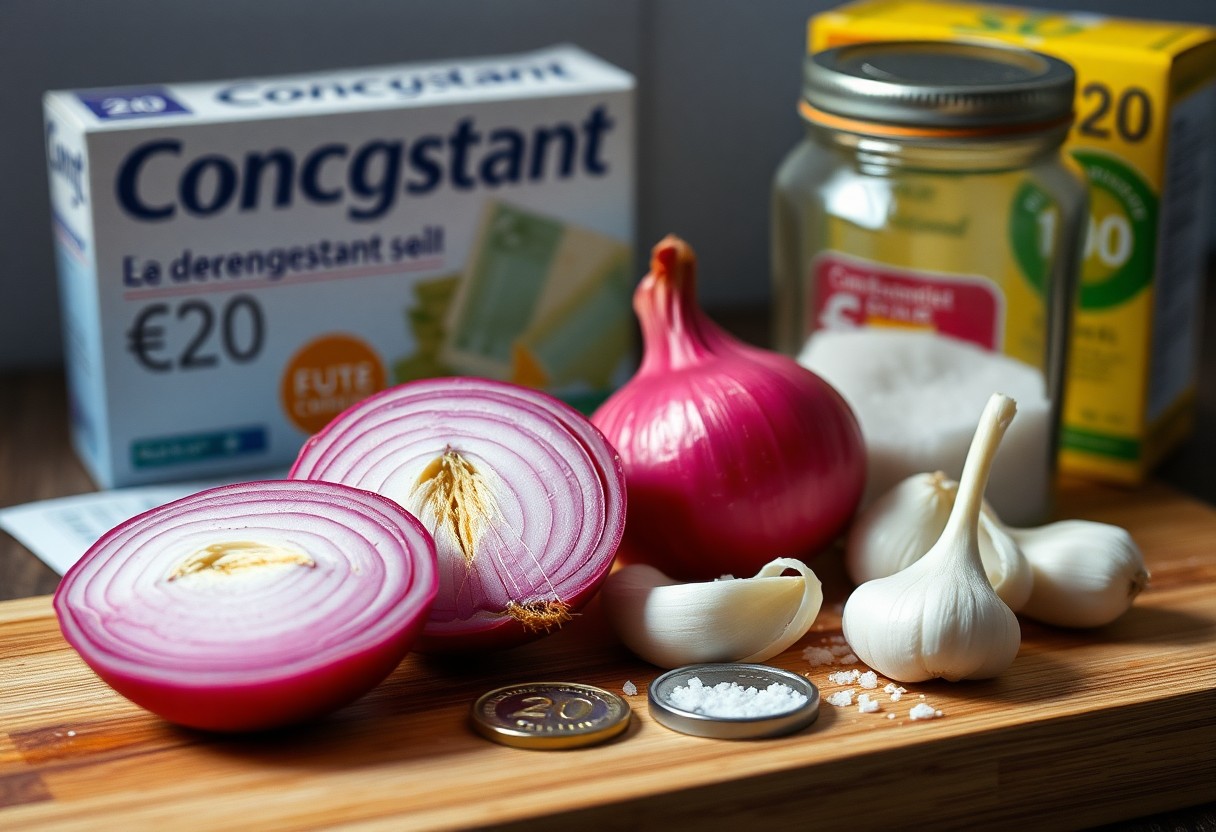
Try steam inhalation for 10 minutes with 1-2 drops of eucalyptus oil to loosen mucus and calm inflamed tissues; run a humidifier at 40-60% humidity overnight to prevent crusting; apply warm compresses 10-15 minutes to ease sinus pressure; drink ginger or turmeric tea twice daily-small studies show anti‑inflammatory benefit; and use menthol rubs or saline mists for quick, temporary relief alongside your €2 nasal rinse.
Other Options to Consider
You can add OTC topical nasal steroids like fluticasone, which often take 2-3 days to show benefit, or oral antihistamines for allergy-driven congestion; avoid oral pseudoephedrine if you have uncontrolled hypertension due to blood pressure risk; limit topical decongestant sprays (oxymetazoline) to 3 days to prevent rebound congestion; acupuncture and regular saline irrigation have modest supporting studies and low risk.
When to Seek Medical Advice
If you develop a fever over 38°C (100.4°F), severe facial pain, vision changes, swelling around an eye, or purulent nasal discharge lasting beyond 10 days, or your symptoms worsen after initial improvement, you should see a clinician for evaluation of possible bacterial sinusitis or complications.
Clinicians will consider antibiotics when symptoms persist past 10 days or are severe, typically prescribing courses of about 5-14 days; ENT referral, nasal endoscopy or CT scan is reserved for recurrent or complicated cases, and if you are immunocompromised or have high fever they may prioritize urgent imaging and IV antibiotics.
Final Words
With these considerations, you can try the €2 natural remedy that often clears nasal passages and reduces inflammation more gently than pricier €20 decongestants; by using it correctly and consistently you may find faster relief, fewer side effects, and an easy, affordable option to keep in your home medicine kit.
FAQ
Q: Which inexpensive home remedy outperforms €20 decongestants?
A: A simple saline nasal rinse (homemade saltwater irrigation) often provides faster, longer-lasting relief from nasal congestion than many over-the-counter decongestant sprays or pills. It mechanically clears mucus, allergens and irritants, restores normal mucociliary function and reduces nasal lining swelling without the rebound congestion or systemic side effects associated with many vasoconstrictive decongestants.
Q: Is saline nasal irrigation safe and who should take precautions?
A: Saline irrigation is safe for most people, including pregnant individuals and children when performed correctly. Use sterile, distilled or previously boiled-and-cooled water; do not use untreated tap water. Prepare an isotonic solution (roughly 1/4-1/2 teaspoon non-iodized salt per 240 ml/1 cup of water, optional pinch of baking soda) and keep equipment clean. Avoid if you have a completely blocked nostril, recent nasal or ear surgery, severe nosebleeds, or certain immunocompromising conditions-consult a healthcare provider in those cases. Stop and seek medical advice if you develop severe pain, persistent bleeding, fever or unusual discharge after use.
Q: How should I use the rinse for best results and how quickly does it work?
A: Warm the prepared solution to body temperature, lean over a sink, tilt your head to one side, and gently pour or squeeze the solution into the upper nostril so it flows out the lower nostril; repeat on the other side. Use a neti pot, squeeze bottle, or bulb syringe. Breathe through your mouth, perform once or twice daily during illness or allergy flares, and repeat more often for heavy congestion. Many people feel relief within minutes and notice sustained improvement over days. Combine with hydration, steam inhalation, and elevated sleeping position as needed; avoid prolonged use of topical decongestant sprays to prevent rebound symptoms.

Medical Disclaimer
This article is for informational purposes only and is not a substitute for professional medical advice, diagnosis, or treatment. Always consult a qualified healthcare provider before starting, stopping, or changing any treatment, especially if you are pregnant, nursing, have a medical condition, or are taking medications. Never disregard professional medical advice or delay seeking it because of something you have read here. If you experience severe symptoms, allergic reactions, or think you may have a medical emergency, seek immediate care.
