
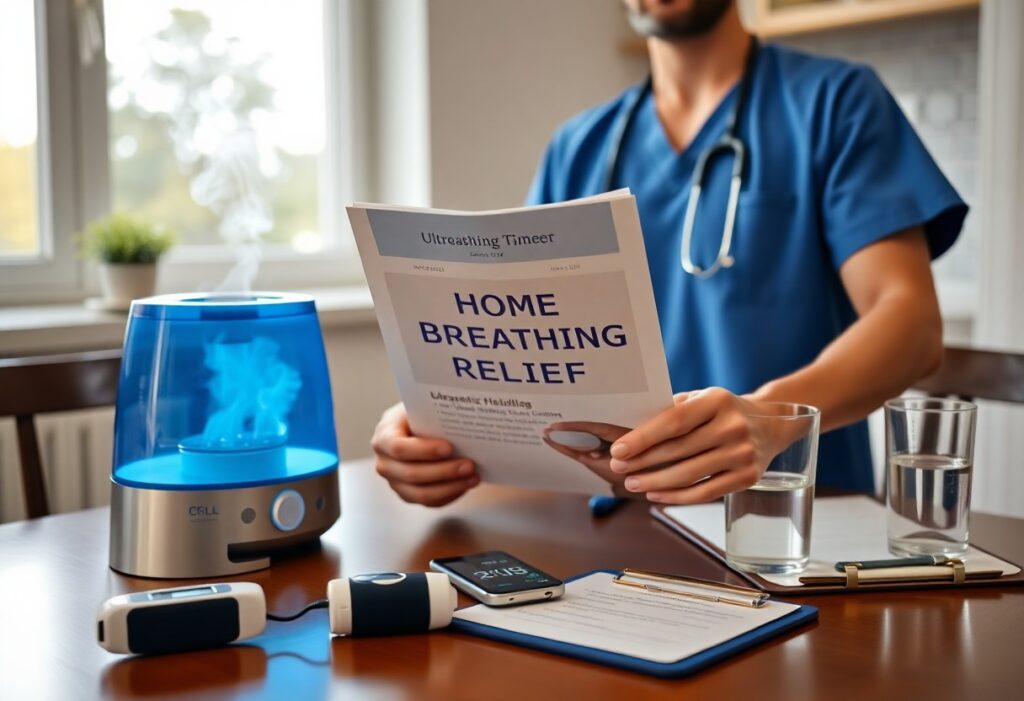
Over the counter options and simple home measures can ease your mild breathing discomfort, but you should know when to act: practice gentle pursed-lip breathing, steam or humidified air, and stay hydrated for relief; avoid smoke, strong fragrances, and allergens that worsen symptoms; and if you experience severe shortness of breath, blue lips, fainting, or worsening chest pain, seek emergency care immediately.
Understanding Natural Breathing Relief
When you apply targeted home measures, small changes produce measurable benefits: practicing paced breathing at about 6 breaths per minute improves heart-rate variability and calm within minutes, while using a humidifier set to 40-60% relative humidity reduces airway irritation. You should watch for warning signs – severe shortness of breath, chest pain, confusion, blue lips, or fainting – which require immediate medical attention. Practical tweaks plus recognition of danger signs give you safer, faster relief.
The Importance of Breathing
Your breathing pattern directly affects oxygen and carbon dioxide exchange: a typical tidal volume is ~500 mL at ~12 breaths/min, giving ~6 L/min minute ventilation at rest. Shallow, rapid breathing can lower oxygen saturation and raise CO2, worsening dyspnea. You can improve gas exchange by slowing your rate, using diaphragmatic breaths, and checking pulse oximetry – SpO2 under 92% is concerning and often warrants medical evaluation.
Common Breathing Issues
Asthma, COPD, panic attacks, upper-airway obstruction, and allergic reactions are frequent reasons you feel breathless; asthma causes episodic wheeze and chest tightness, COPD is common in smokers over 40, and panic can mimic life-threatening problems. Watch for wheezing, prolonged cough, sudden facial/throat swelling, or persistent low oxygen – these findings help you decide between self-care and urgent care.
In practical terms: for asthma flares, short-acting bronchodilators typically relieve bronchospasm within minutes; for COPD, pursed-lip breathing plus bronchodilators eases air trapping. During panic attacks, paced breathing and grounding reduce symptoms within 10-20 minutes. For allergic reactions, oral antihistamines help mild cases, but use intramuscular epinephrine and call emergency services for any airway swelling or rapid progression. If symptoms fail to improve after initial self-care or oxygen stays low, seek urgent evaluation.
Safe Home Practices
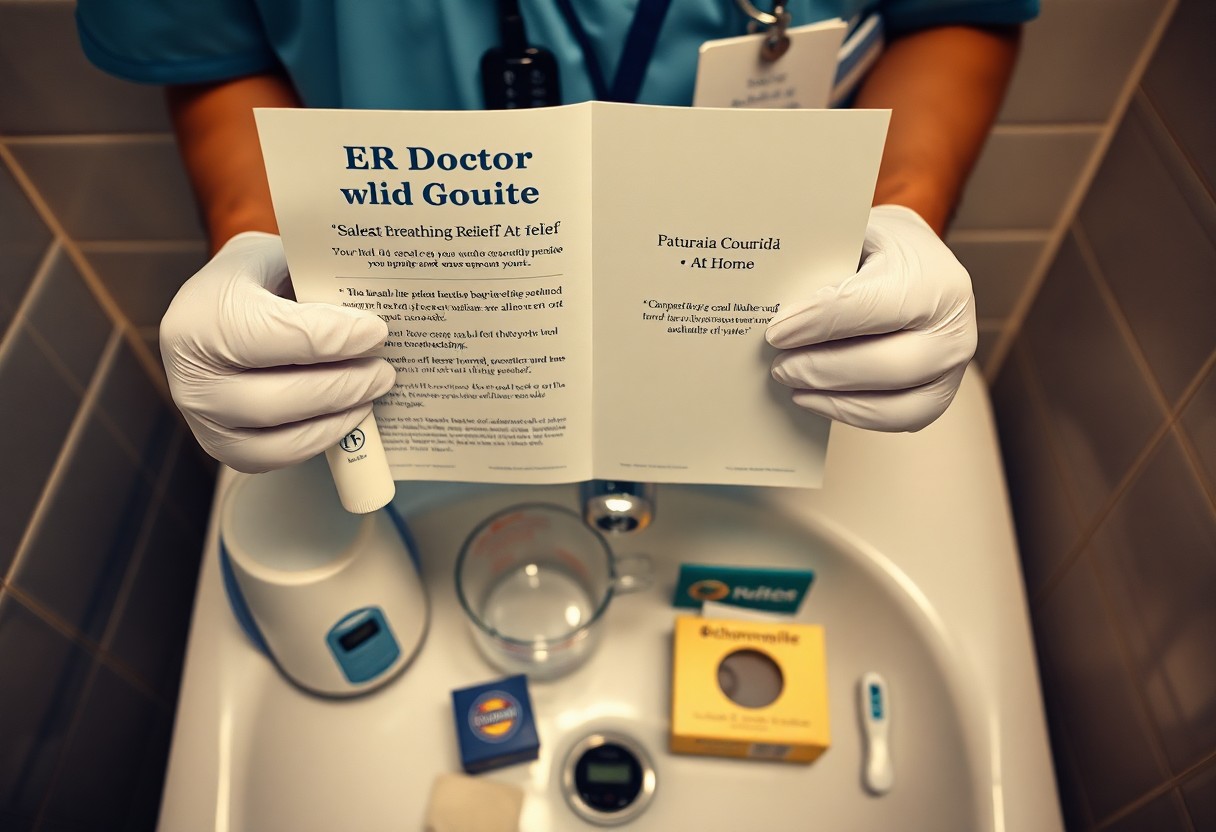
At home, focused changes in air quality and activity can measurably reduce symptoms: keep indoor humidity around 40-50%, maintain temperatures near 68-72°F (20-22°C), and use a HEPA filter to remove >99% of particles ≥0.3 µm. You should avoid smoke, strong perfumes, and aerosol sprays, pace exertion with short rest breaks, and have prescribed inhalers accessible. If you experience severe breathlessness, chest pain, or blue lips, call emergency services immediately.
Creating a Calm Environment
Dim lights, reduce noise, and position yourself upright with lumbar support to ease airflow; many people find a 45° reclined chair lowers work of breathing. Keep pet dander and dust off bedding, wash fabrics weekly, and run a HEPA air purifier for at least 1 hour during flare-prone activities like cooking. You should also avoid heavy exertion for 30-60 minutes after exposure to known triggers and use a cool-mist humidifier if air is dry.
Breathing Exercises to Try
Practice diaphragmatic (belly) breathing, pursed‑lip breathing, and box breathing for 5-10 minutes twice daily; these techniques lower respiratory rate and anxiety. For diaphragmatic breathing, place one hand on chest and one on belly, inhale through the nose so the belly rises, exhale slowly through pursed lips. Stop and rest if you feel dizzy, lightheaded, or your breath worsens.
For specifics: try diaphragmatic breathing with a 4‑6 second inhale and 6-8 second exhale for 5 minutes, pursed‑lip breathing using a 2‑4 count (inhale 2, exhale 4) during activity, and box breathing (4‑4‑4‑4) to calm panic episodes. Practice seated, supported, and gradually increase sessions to 10-15 minutes daily as tolerated; pulmonary rehab programs commonly use these protocols to improve dyspnea and functional capacity. If chest pain, fainting, or cyanosis occur, seek emergency care.
Herbal Remedies for Breathing Relief
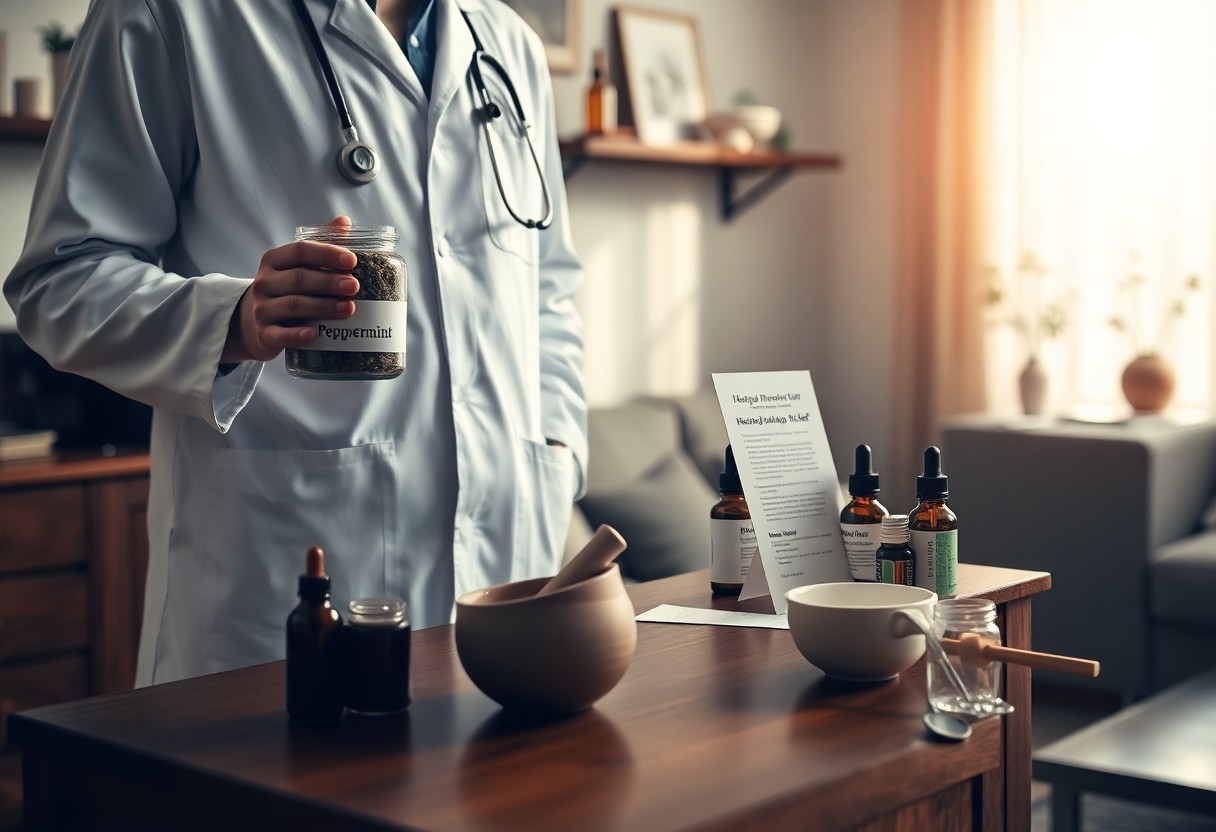
You can use targeted herbs like eucalyptus (rich in 1,8‑cineole), peppermint (menthol), thyme (thymol), ginger and mullein to ease mucus, cough and mild bronchospasm; clinical trials using about 200 mg/day cineole showed symptom reduction over weeks. Apply herbs with caution: licorice can raise blood pressure, imperative oils may trigger bronchospasm in asthma, and children or pregnant people need medical clearance before use.
Essential Oils and Their Benefits
Inhalation of eucalyptus or peppermint can provide fast symptomatic relief because 1,8‑cineole and menthol reduce cough reflex and loosen mucus; diffuse for 10-30 minutes or add 2-3 drops to a steam bowl. For topical use dilute to a 1-2% concentration in a carrier oil and patch‑test first. Do not use undiluted, avoid on infants and note that some asthmatics worsen with aromatic oils.
Herbal Teas for Respiratory Support
Steep 1-2 teaspoons of dried herb (thyme, peppermint, elderflower, mullein) or 1 inch fresh ginger per cup for 5-10 minutes and drink 1-3 cups daily to soothe airways and thin mucus. Licorice root tea is effective for cough but avoid if you have hypertension or take certain medications. Peppermint may relieve congestion but can worsen reflux for some people.
Practical combinations: ginger‑lemon‑honey (slice 1″ fresh ginger, steep 10 min), thyme‑honey for bronchitic cough (1 tsp dried thyme), or mullein infusion for mucolytic effect. Monitor effects closely-if your breathing worsens, you develop chest pain, fever above 38°C, or wheeze, stop herbs and seek urgent care. Also check drug interactions (e.g., ginger and anticoagulants; licorice and antihypertensives) before regular use.
The Role of Hydration
When your airways are irritated, fluid balance directly affects mucus viscosity and ciliary function; dehydration thickens mucus, makes coughing less effective, and can increase infection risk. You should aim for about 2-3 liters/day under normal conditions and more with fever or heavy sweating. Increasing intake often leads to measurable improvement in expectoration within 24-48 hours, so treat hydration as a simple, effective step in home breathing care.
Why Staying Hydrated Matters
You rely on thin mucus and active cilia to clear pathogens; without enough water, mucus becomes sticky and ciliary transport slows. In practical terms, increasing fluids can shorten symptom burden-patients with viral URIs who boost fluids report easier breathing and less chest congestion. If you have a fever or are on diuretics, increase intake to roughly 2.5-3 liters/day and monitor urine color for hydration status.
Best Fluids for Breathing Health
Choose plain water first, then warm broths and non‑caffeinated herbal teas (ginger, peppermint) to soothe airways and loosen secretions. Use isotonic saline (0.9%) for nasal irrigation and a humidifier or steam to add airway moisture. Avoid alcohol and limit caffeine because they can dehydrate you and worsen mucus thickness.
For added detail, try a simple oral rehydration mix: 1 liter of water with about 6 teaspoons of sugar and 1/2 teaspoon of salt when you’re losing fluids from fever or vomiting. Also be mindful of sodium in commercial broths if you have hypertension, and for children or anyone who can’t keep fluids down, seek medical care-inability to hydrate properly can rapidly worsen respiratory distress.
When to Seek Medical Attention
If your breathing worsens despite home care, get medical help promptly; persistent or progressive shortness of breath that limits activity or causes anxiety may indicate pneumonia, embolism, asthma/COPD flare, or heart problems. You can consult safe nonurgent tips like 7 home remedies for shortness of breath, but seek evaluation for rapid decline, severe chest pain, or oxygen saturation under 92%.
Recognizing Warning Signs
Pay attention to clear red flags: respiratory rate >30 breaths/min, SpO2 <92%, inability to speak full sentences, sudden confusion, fainting, or bluish lips/face. Also note high fever (>38°C/100.4°F) with productive cough or worsening wheeze despite inhaler use. If you see any of these, treat the situation as potentially serious and get immediate assessment.
Knowing When Home Remedies Aren’t Enough
If simple measures-hydration, humidified air, paced breathing, inhaler use-don’t improve symptoms within 24-48 hours or symptoms escalate over minutes to hours, you need medical care. Seek urgent evaluation when you require repeated rescue inhaler doses, need supplemental oxygen, or your work of breathing increases despite rest; these are signs that professional treatment is necessary.
Clinicians will assess vitals, use pulse oximetry, and often order a chest x‑ray, labs, or arterial blood gas to identify causes like pneumonia, pulmonary embolism, or severe asthma/COPD exacerbation. For example, an asthma attack requiring albuterol every 20 minutes or oxygen <90% typically prompts ED treatment; if you experience these, call emergency services.
Tips for Maintaining Long-Term Respiratory Health
Daily habits matter: control indoor air with HEPA filtration, avoid smoke and strong fumes, and keep humidity near 40-60% to help mucus clearance and ciliary function. Track symptoms or peak flow-a 20% drop often signals worsening-and aim for 30 minutes of moderate exercise most days to boost endurance. Small, consistent changes cut flare frequency and hospital visits. Knowing warning signs such as oxygen saturation <92%, rapidly increasing rescue inhaler use, or New resting breathlessness should prompt timely medical review.
- Air quality
- Smoking cessation
- Vaccination
- Regular exercise
- Routine monitoring
Lifestyle Changes for Better Breathing
Stopping tobacco yields quick wins: airway inflammation drops within weeks and the long‑term decline in FEV1 slows when you quit; combining counseling with medication doubles quit rates. Prioritize 150 minutes of moderate activity weekly, aim for BMI 18.5-25, and reduce indoor PM2.5 from cooking or candles; many patients report less cough and fewer rescue inhaler uses within 4-12 weeks of consistent change.
Importance of Regular Check-Ups
Keep routine appointments so you and your clinician can detect trends early: arrange spirometry every 6-12 months for COPD, yearly asthma reviews if stable, and sooner follow-up when rescue inhaler use exceeds twice weekly. Vaccines-annual influenza and pneumococcal when indicated-lower admission risk and complications, and timely adjustments often prevent ER visits.
Expect objective assessments like pulse oximetry, inhaler technique checks, and medication reconciliation; a pulse ox reading of <92% or new resting tachypnea (>20 breaths/min) usually triggers escalation. Ask for a written action plan, documented baselines, and referrals to pulmonary rehab or sleep evaluation when symptoms persist to improve outcomes and reduce exacerbations.
To wrap up
Hence you can use simple, doctor-recommended natural breathing techniques at home-slow diaphragmatic breaths, nasal breathing, steam, and posture-to ease mild shortness of breath while monitoring symptoms closely. Use inhalers or meds as advised, stop if symptoms worsen, and contact emergency services or your ER doctor if you have chest pain, severe breathlessness, fainting, or blue lips.
FAQ
Q: What immediate steps can I take at home for sudden shortness of breath?
A: Sit upright and lean slightly forward with hands supported on your knees or a table to open the chest and reduce work of breathing. Loosen tight clothing around the neck and chest. Use prescribed rescue inhaler or nebulizer exactly as directed; if you have a spacer, attach it and inhale slowly for each puff. Practice slow, controlled breathing (pursed‑lip or diaphragmatic-see next answer). Try a cool‑mist humidifier or inhale warm, moist air from a hot shower for short periods, avoiding direct steam from boiling water or very hot baths that can cause burns or worsen bronchospasm in some people. Monitor symptom progression and mental status; if breathing worsens rapidly, you cannot speak full sentences, your lips or fingernails turn pale or bluish, you become confused or faint, or chest pain develops, seek emergency care immediately.
Q: Which breathing techniques and home devices are safe and effective, and how do I use them?
A: Pursed‑lip breathing: inhale slowly through the nose for two counts, purse lips as if to whistle, and exhale slowly through pursed lips for four counts; this helps keep airways open and reduces air trapping. Diaphragmatic (belly) breathing: sit or lie comfortably, place one hand on chest and one on abdomen, inhale so the abdomen rises while the chest stays relatively still, then exhale slowly; practice for several minutes to improve ventilation efficiency. Forward‑leaning posture with hands supported helps accessory muscles work more effectively. For inhalers, shake a metered‑dose inhaler, attach a spacer if available, exhale, press the inhaler and inhale slowly, hold breath for 5-10 seconds, then exhale; follow your prescribed dose and wait recommended intervals between puffs. Use a cool‑mist humidifier to add moisture to dry air; clean it per manufacturer instructions to prevent mold. Avoid unregulated vital oil steam or pouring boiling water into a bowl for steam inhalation, especially for children and older adults, due to scald risk and possible airway irritation.
Q: Which warning signs mean I should call 911 or go to the emergency room instead of treating at home?
A: Seek immediate emergency care if you have severe or rapidly worsening shortness of breath, cannot speak in full sentences, are drowsy or confused, have lips or nailbeds that are pale or bluish, experience fainting or near‑fainting, develop new, severe chest pain or pressure, have a very fast or irregular heartbeat, or if a prescribed rescue inhaler or nebulizer does not relieve symptoms. Also go to the ER if you have known heart or lung disease (heart failure, COPD, asthma), recent blood clot or risk factors for pulmonary embolism, fever with breathing trouble, or if you are immunocompromised and breathing worsens. If in doubt, treat symptoms as potentially serious and get immediate medical evaluation.

Medical Disclaimer
This article is for informational purposes only and is not a substitute for professional medical advice, diagnosis, or treatment. Always consult a qualified healthcare provider before starting, stopping, or changing any treatment, especially if you are pregnant, nursing, have a medical condition, or are taking medications. Never disregard professional medical advice or delay seeking it because of something you have read here. If you experience severe symptoms, allergic reactions, or think you may have a medical emergency, seek immediate care.
