
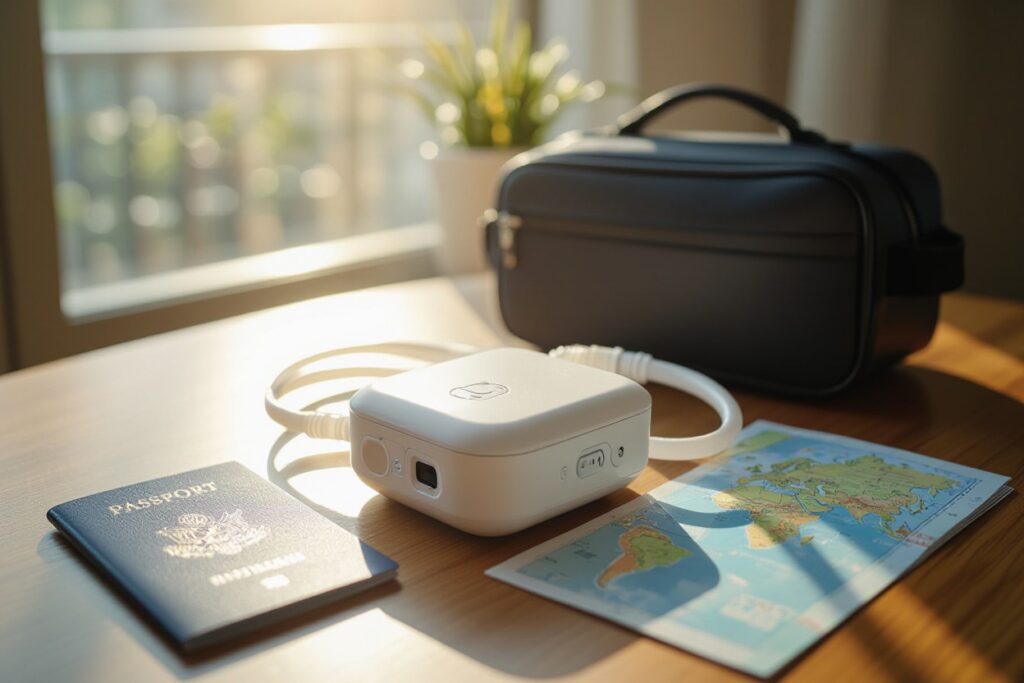
Solutions that fit your carry-on can make long trips far easier; you’ll find portable oxygen options, compact CPAP alternatives, seal-fit masks and simple packing tips so your breathing support travels with you and keeps you comfortable anywhere your journey goes.
Why travel-friendly breathing support helps you
You need reliable, compact options that meet airline and border rules while delivering consistent airflow and comfort. Choosing the right kit reduces anxiety, improves sleep on long flights and keeps activity levels steady when you explore cities or remote areas.
Key portable device types
Portable oxygen concentrators
These units give continuous or pulse oxygen and are FAA-approved for many flights. Look for models rated for international travel, low noise, and long battery life so you can move freely between terminals, hotels and attractions in the US, EU or elsewhere.
Travel CPAP alternatives
If you use CPAP, consider travel-sized machines or battery-powered CPAPs with compact masks. They deliver effective therapy with smaller form factors and swap batteries for extended trips when you won’t have reliable power.
Mask and interface options
Lightweight, low-profile masks reduce leaks and fit under headrests. Try nasal pillows or minimal full-face masks if you need secure seals while sleeping on planes, trains or in small hotel rooms.
Accessories and packing tips
Bring extra batteries, compact chargers, a hard-shell case and silicone tubing covers to prevent kinks. Pack spare filters and small repair kits, and keep devices in carry-on to avoid baggage delay risks.
Travel rules, documentation and airline procedures
Check airline and country-specific rules before booking; many carriers require advance notification for oxygen or medical devices. Carry a physician’s letter describing your device and needs, manufacturer paperwork showing FAA or CE approval, and your prescription to avoid delays at security in the US, UK or EU.
How to choose the right solution for your destination
Match device runtime to flight length and planned activities. For city breaks in London or Paris you might prioritize compact size; for remote hiking in the Canadian Rockies, prioritize battery capacity and ruggedness. Compare weight, noise, and international adapter needs when planning multi-country trips.
Where to buy and trial devices
Try local medical supply stores or look for reputable online retailers offering trial or return policies so you can test fit and comfort. For general product availability, see this product link.
Everyday tips for breathing well on the go
Stay hydrated, avoid heavy alcohol before sleep, and plan layovers to rest or swap batteries. Use airline preboarding when available to set up devices before the cabin fills and test masks in your seat to reduce disturbance.
Final checklist before you travel
Confirm device approvals with airlines, pack extra consumables, carry documentation and ensure batteries meet transport rules for the regions you visit. With the right kit and preparation, you can stay mobile and breathe easier while exploring the world.
Understanding breathing challenges
Common breathing issues while traveling
You often face low cabin humidity (typically 10–20%) and cabin pressure equivalent to 6,000–8,000 ft, which can drop oxygen saturation a few percentage points. Allergens in hotels and seasonal pollen spikes in cities like London or Miami trigger asthma in about 8% of U.S. adults, while high urban PM2.5 levels on Asian and European routes worsen shortness of breath. Long-haul immobility also leads to shallow breathing and increased discomfort.
Importance of managing breathing difficulties
Untreated breathing problems can turn a planned trip into an emergency: COPD flare-ups and severe asthma attacks increase the chance of unscheduled medical care and flight diversions. For example, commercial flight cabins pressurized to 6,000–8,000 ft may push borderline oxygen levels below safe thresholds for older adults or those with moderate-to-severe lung disease, so you need to plan interventions in advance.
Plan before you go: get a physician’s travel letter, check airline policies for portable oxygen concentrators (POCs) and prescription meds, and verify device approvals—many POCs meet FAA and EASA rules with battery runtimes of 4–10+ hours depending on model. Pack compact solutions like travel masks, saline nasal sprays, and a compact nebulizer (see a commonly recommended option portable nebulizer) for reactive airways. When you fly to high-altitude destinations such as Denver or Quito, consider pre-flight oxygen testing or a pulse oximeter to monitor saturation, and arrange oxygen or backup batteries for multi-leg journeys.
Essential breathing devices
You want compact, reliable gear that meets airline rules and handles local power differences in the US, EU, or UK. Look for devices under 1 kg, battery runtime of at least 4–8 hours for intermittent use, noise below 30 dB for better sleep, and clear TSA-friendly documentation; models with universal voltage (100–240V) save you adapter headaches. Choosing based on particle size, treatment time, and mask fit often beats brand hype.
Portable nebulizers
You’ll prefer mesh nebulizers for travel since they typically produce 1–5 μm particles and finish treatments in 5–10 minutes, versus 10–15 for jet units. Many pocket models weigh under 200 g, run on AA or USB power for 1–2 hours, and have medication cup capacities of 2–6 mL. Carry prescriptions and a sealed meds note for TSA in the US and EU to avoid delays.
Travel CPAP machines
You can pick travel CPAPs weighing 300–600 g that deliver fixed or auto-adjusting pressure and accept DC or USB power. Several lightweight models run quietly at ≤26 dB, support popular masks, and pair with 12V battery packs; expect typical night use to draw 40–90 Wh depending on pressure and humidification. Pack a physician’s letter for international flights to smooth security checks.
For deeper planning, check battery regulations: batteries up to 100 Wh are generally allowed in carry-on without airline approval, 100–160 Wh need airline OK, and over 160 Wh is usually prohibited. Also verify humidifier options—some travel units use heat-exchange or no humidification, which reduces power draw but may dry your airway; consider a compact external battery like a 150 Wh unit for two nights of use. See a recommended product for quick comparison product link.
Natural breathing aids
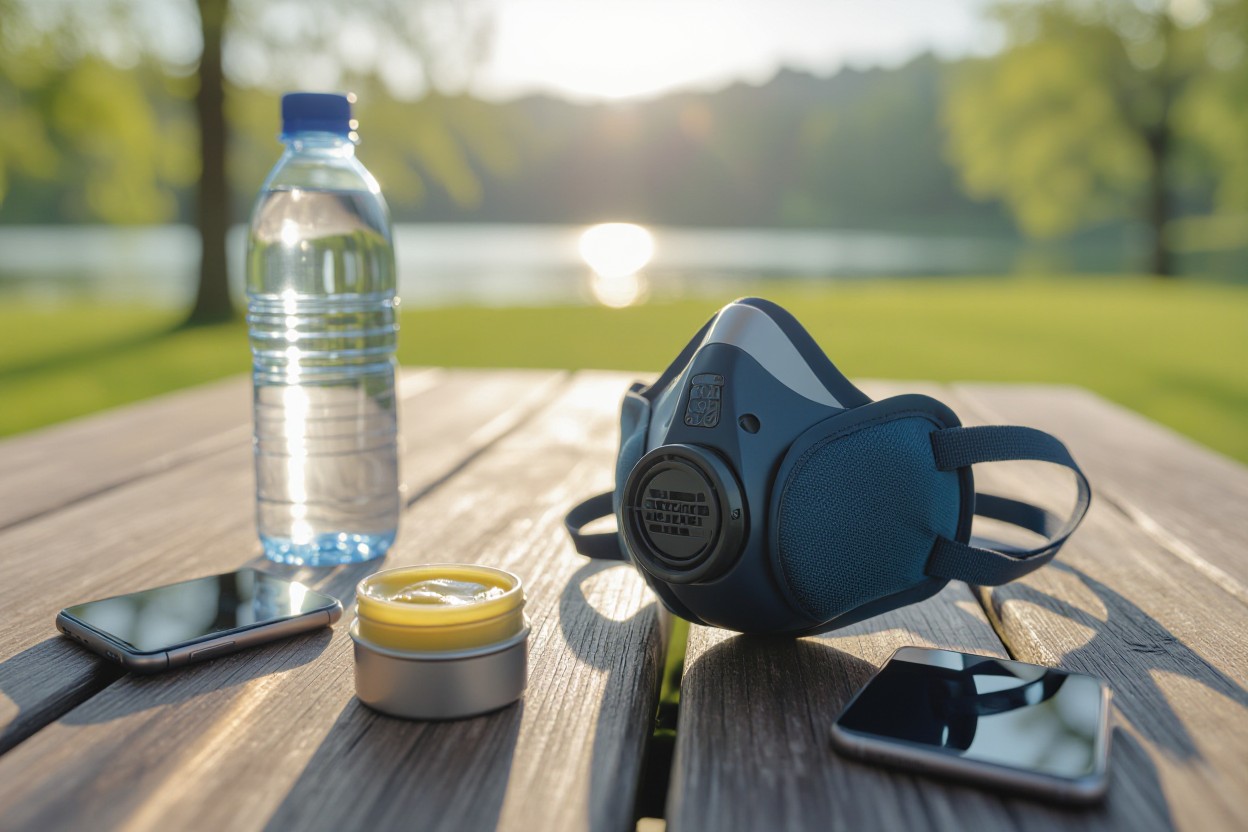
You can pull together small, effective tools that fit in a carry-on: travel-sized inhalers, 10 ml roll-ons, and lightweight reusable masks. Airlines and TSA allow liquids in containers up to 100 ml (3.4 oz), so you can bring concentrated imperative oils legally. Choose items that target congestion and anxiety—eucalyptus for clearing airways, lavender for calmer breathing, and masks with low resistance—you’ll notice the difference on long flights and urban walks in cities across the US, Europe, or Asia.
Essential oils and aromatherapy
You’ll get fast relief from eucalyptus (eucalyptol) and peppermint (menthol) for nasal openness, while lavender (linalool) helps lower travel-related breathlessness from nerves. Use inhaler sticks or 10 ml roll-ons for controlled dosing on planes; a small USB diffuser (under 200 ml) works in hotel rooms. Small studies suggest inhalation can ease subjective congestion for hours, and products with clear ingredient lists and 100% pure oil labeling are easiest to vet when you’re on the move.
Breathable masks and filters
You should prioritize certified filtration: N95 (95% of ≥0.3 µm particles), FFP2 (~94%), or KF94 are proven for aerosol protection. Look for adjustable nose clips, multiple sizes, and ratings on breathability (pressure drop). Fit tests show a snug seal reduces leakage by over 50% compared with loose masks, so try models before long trips and pack spares for longer itineraries.
For longer trips, consider washable mask shells with replaceable PM2.5 or N95-style filters; replace disposable inserts after about 40 hours of use or sooner if damp or soiled. Choose masks with exhalation valves only if you need comfort and aren’t in situations where source control is required. If you want a compact option to test quickly, check a recommended travel mask recommended travel mask that balances filtration and comfort.
Breathing techniques for travelers
On long flights, in busy airports, or while navigating crowded metros, you can drop anxiety and improve airflow with short, repeatable practices: aim for 3–6 minutes of paced breathing before takeoff, keep mouth closed on descent to reduce ear discomfort, and favor nasal breathing to humidify air in cabin conditions that often sit around 10–20% humidity. Try brief sessions in your seat or hotel room to lower heart rate and increase clarity during jet lag recovery between cities like New York and London or Tokyo.
Diaphragmatic breathing
Place one hand on your chest and one on your belly, then inhale slowly through the nose for 4–5 seconds so the belly rises, pause 1–2 seconds, and exhale for 6–8 seconds; that 4–6 breathing ratio moves you toward 5–6 breaths per minute, which studies link to improved heart-rate variability. Use this while seated on trains or during security lines—5 minutes can lower perceived breathlessness and calm the autonomic response before boarding.
Mindfulness and relaxation techniques
You can pair breathing with short mindfulness tools: a 10-minute guided body scan, progressive muscle relaxation (tense each muscle group for 5 seconds, release), or simple breath counting (inhale, count 1; exhale, count 2 up to 10). These techniques reduce travel-related anxiety in many clinical trials showing measurable drops in state anxiety after single sessions; apply them during layovers, hostel check-ins, or cramped taxi rides to stay steady.
For practical help, use offline guided-audio files or apps that provide 5–15 minute sessions and combine them with small aids like a compact travel humidifier or nasal saline spray to combat cabin dryness; lightweight nasal filters and portable nebulizers can also help if you have reactive airways. Pack items that fit a carry-on and test them in a short domestic trip first—many travelers report noticeable benefits on routes between major hubs. See a suggested device here: product link.
Choosing the right solution for you
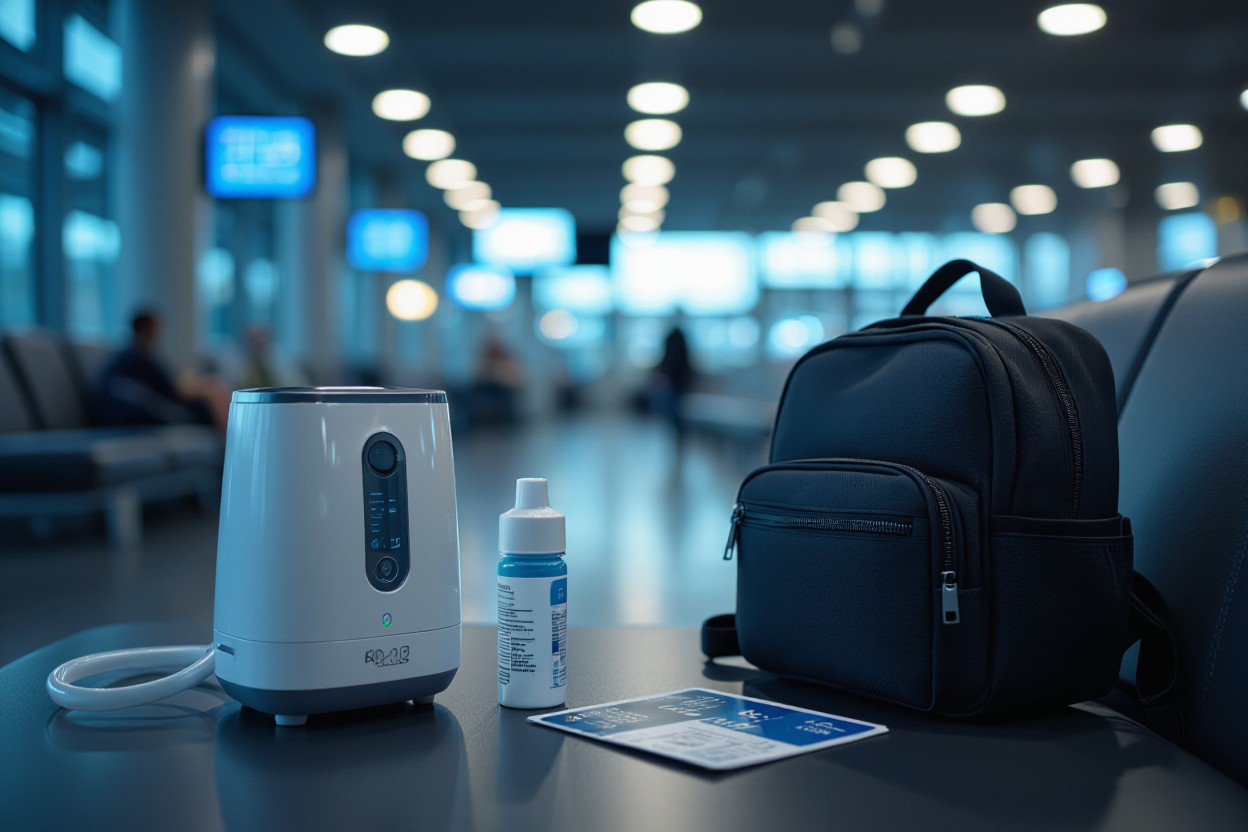
Match device specs to How you travel: mesh nebulizers typically weigh 100–300 g, run 30–60 minutes, and deliver 2–4 µm particles for lower‑airway deposition; portable oxygen concentrators are FAA‑friendly and often listed with flow rates like 1–5 L/min. If you want model recommendations, check Travel-Friendly Nebulizers for Effortless Breathing, and pick accessories such as a compact spare battery or charger available on Amazon.
Factors to consider
Focus on five practical factors that change real‑world performance:
- Portability — weight (g) and packed dimensions (cm).
- Power — battery life, USB vs dedicated packs, and FAA lithium rules (≤100 Wh without airline approval).
- Therapeutic delivery — MMAD (µm) and medication compatibility.
- Noise — under 50 dB is better for planes and hotels.
- Maintenance — daily cleaning time and parts availability.
- Confirm airline medical-device policy before booking
- Keep device and batteries in carry-on to avoid damage
- Label batteries with watt-hour (Wh) rating and serial numbers
- Have printed and digital copies of prescriptions and device settings
- Contact airline medical desk 48–72 hours ahead
- Carry clear labels and a device-use summary for staff
- Practice quick battery swaps in under three minutes
- Pack adapters for region-specific plugs (Type A/B, C, G as needed)
- Map charging stations and customer service desks at major hubs
- Bring an international adapter and a compact multiport charger
- Ask gate agents for preboarding or extra boarding time
- Keep device manuals and contact numbers in your carry-on
- Lightweight construction and travel cases
- Long battery life and replaceable batteries
- FAA or local aviation approval for international flights
- Quiet operation for hotel stays and shared rooms
- Check FAA and local aviation rules at least one week before departure
- Register devices with your airline and request preboarding if needed
- Keep spare parts and a small cleaning kit for multi-day stays
After you weigh these items against trip length and medical needs, prioritize runtime, ease of cleaning, and spare parts availability.
Personalizing your breathing support
Decide whether you use a mask, mouthpiece, or cannula based on comfort and condition—masks may suit children, mouthpieces can improve dose efficiency, and cannulas work with oxygen concentrators; if you travel >10 nights/month, opt for batteries ≥20,000 mAh or devices with swappable packs for uninterrupted use.
Go further by logging a travel trial: pack chosen gear for one short trip and note setup time, noise level in dB, treatment duration, and cleaning needs; measure delivered dose by timing sessions (many mesh units nebulize 2–4 mL in 5–10 minutes), and track how battery drains across sessions—this shows if a 30‑minute runtime truly covers your routines. Consult your clinician about dose adjustments and FAA paperwork for oxygen or larger batteries; swap to travel‑rated tubing or low‑profile masks if you find bulk or leakage during sleep.
Tips for traveling with breathing support
Plan for power, documentation, and airline rules to reduce surprises: pack labeled spare batteries (batteries under 100 Wh are generally allowed in carry-on; 100–160 Wh need airline approval), carry a physician letter and prescription, and choose FAA-approved portable concentrators when possible. Keep devices in carry-on and test alarms before departure. The checklist below highlights the most travel-ready items.
Packing checklist
Pack the device, at least two charged batteries, charger, AC adapter, and a power bank under 100 Wh; include spare tubing, filters, and a small toolkit. Carry printed prescription and a physician’s letter detailing device model and typical settings, plus a copy of your insurance card. Store everything in a padded carry-on organizer and get travel supplies travel supplies to keep cables tidy and accessible.
Essential travel tips
Call your airline 48–72 hours before departure to get written approval for batteries 100–160 Wh and confirm boarding procedures; at many US and EU airports TSA or equivalent staff will screen medical devices separately, so arrive early to allow inspection. Practice swapping batteries and note local voltages (US 110–120 V, most of Europe 220–240 V). Recognizing pre-approval and clear documentation prevents last-minute refusals.
On long flights or multi-leg itineraries, schedule battery swaps during layovers and locate airport charging stations at hubs like JFK, LAX, or Heathrow; bring a multiport USB charger and an international adapter, and check whether your concentrator can run on 110–240 V. For regional carriers, verify crew familiarity and request extra time for boarding and deplaning; keep an ergonomically organized carry-on for fast access. Recognizing local airport services and airline policies makes managing your device much smoother.
Travel friendly breathing support solutions that actually work
Planning trips in the USA, UK or Europe? This guide covers portable CPAPs, compact oxygen concentrators, nasal support accessories and airline documentation tips so you can travel comfortably and confidently without sacrificing your breathing care.
Why portability matters
When you travel from New York to London or across California, compact and lightweight devices reduce hassle at airports and during transfers. Look for FAA-approved portable oxygen concentrators, battery-efficient CPAPs and accessories that fit carry-on size limits.
Key device features to look for
How to prepare for flights and local travel
Contact your airline in advance to file medical requests and secure extra battery allowance. Carry a doctor’s letter and device manuals for customs agents in regions like the EU or Canada. Pack chargers, adapters and a compact mask or cannula for quick swaps during long trips.
Tips for staying compliant across regions
Affordable accessories and backup options
Use nasal strips, travel-sized humidifiers and lightweight filters to enhance comfort. For backup oxygen, consider refillable concentrators or portable cylinders approved in your destination country. Compare products and reviews before purchase.
Local support and service
Locate medical equipment suppliers in major cities you’ll visit—Los Angeles, London, Paris, Toronto—to arrange short-term rentals or emergency replacements. Many suppliers offer delivery to hotels or airports for added convenience.
Conclusion
Following this friendly guide, you can pick travel friendly breathing support that fits your itinerary and local rules, pack smart with backups and accessories, and enjoy trips across your city, state or country with greater confidence in your breathing care.

Medical Disclaimer
This article is for informational purposes only and is not a substitute for professional medical advice, diagnosis, or treatment. Always consult a qualified healthcare provider before starting, stopping, or changing any treatment, especially if you are pregnant, nursing, have a medical condition, or are taking medications. Never disregard professional medical advice or delay seeking it because of something you have read here. If you experience severe symptoms, allergic reactions, or think you may have a medical emergency, seek immediate care.
