
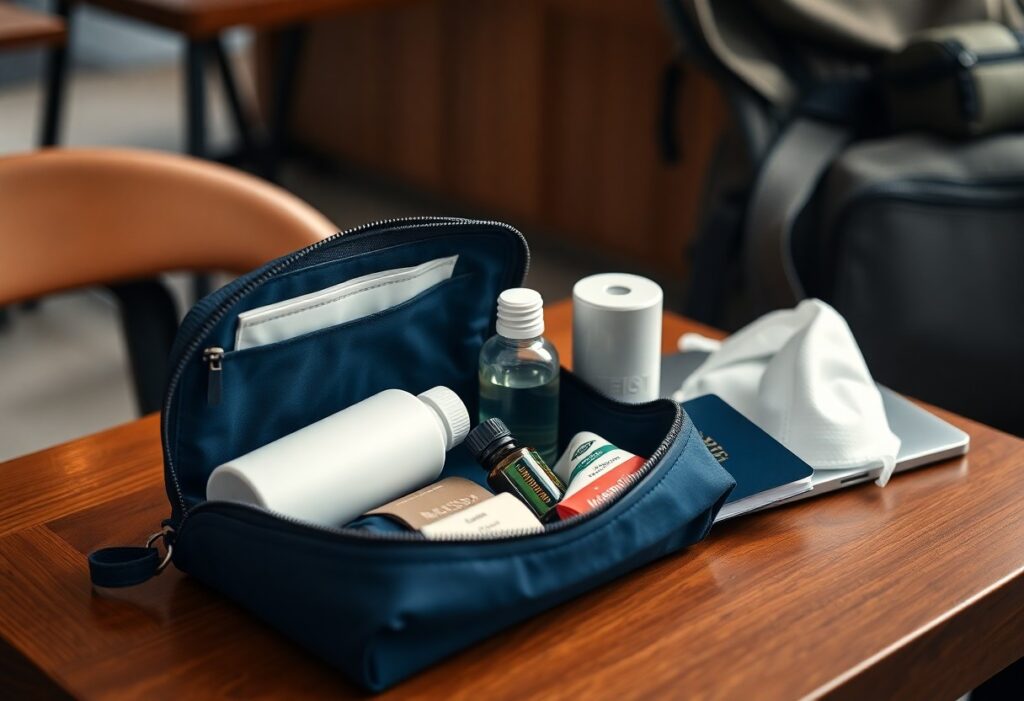
There’s a compact, Travel-ready kit that gives you natural breathing relief when you face airborne irritants and poor air quality on the road; it helps you stay productive and comfortable. Designed for digital nomads, it fits in your bag and includes portable inhalers, saline wipes, and a lightweight purifier so you can manage symptoms without bulky gear, avoid triggers, and breathe easier wherever you work.
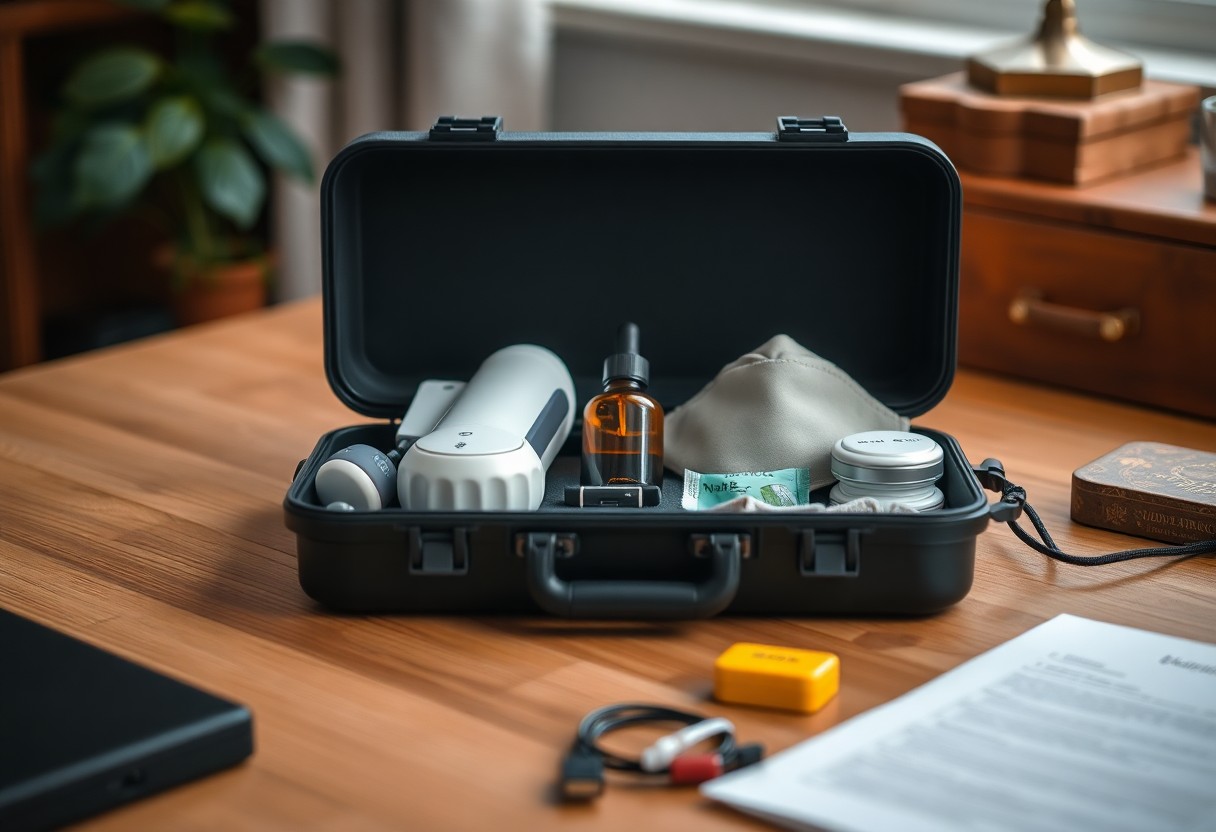
What is a Digital Nomad Health Kit?
A Digital Nomad Health Kit is a compact, travel-ready collection of breathing and basic medical tools you keep on hand to handle respiratory issues and minor illnesses while working remotely; typically 10-15 items packed into a 1‑liter cube that weighs under 1 kg. Include a portable nebulizer or inhaler, saline sprays, antihistamines, N95/FFP2 masks, a thermometer and spare prescriptions. Quick access prevents lost work time and avoids situations where untreated respiratory flares-like severe asthma-become dangerous.
Essentials for Traveling
Cull your kit to high-impact items: a rescue inhaler in your carry-on, pocket nebulizer or spacer, saline nasal spray, oral antihistamine, compact pulse oximeter, N95/FFP2 masks, electrolyte sachets, digital thermometer, throat lozenges, and photocopies of prescriptions. Pack meds in original packaging, keep duplicates split between carry-on and checked luggage, and aim for a kit weight under 1 kg so it fits in your daypack.
Benefits of Being Prepared
Being prepared reduces downtime and cost: you can treat congestion, allergic flares, or minor infections on the spot and avoid cancelling client calls or paying for emergency care. For example, saline rinses plus antihistamines often cut sinus symptoms within 24-48 hours, and having a rescue inhaler on hand can avert an ER visit that might cost hundreds to thousands in some systems. You also gain confidence managing travel hazards like pollution, pollen spikes, or airplane dry air.
You can further protect yourself by carrying photocopies of prescriptions and an extra 7‑day supply when regulations allow, storing temperature‑sensitive meds within their recommended range (often 15-25°C), and replacing single‑use items annually. When you arrive in remote areas, documented allergies and prescriptions speed up pharmacy service so you resolve issues in hours rather than days; expired or improperly stored meds become ineffective or dangerous, so routine checks matter.
Natural Breathing Relief Tools
Combine a few compact items that give immediate airway comfort on the road: a travel neti pot or saline sachets (30-60 mL rinses), a pocket steam inhaler, a small USB diffuser (100 mL), 1-2 menthol or eucalyptus balms, and a disposable FFP2 mask for dusty flights. You’ll be able to manage dryness, dust, and mild congestion with fast, low-tech options that fit in a carry-on and weigh under 500 g total.
Herbal Remedies
Carry dried thyme, peppermint, or licorice root tea bags-use 1 tsp per 250 mL hot water and steep 5-10 minutes for inhaled vapors and sips; thyme and ivy are often used in Europe for coughs and mild bronchial comfort. You can also make a 10-15 minute steam from 1-2 teabags to inhale. Watch for herb-drug interactions and consult your clinician if you take prescriptions, since some herbs can affect blood pressure or coagulation.
Essential Oils
Pack 3-5 mL roller bottles of eucalyptus (cineole), peppermint (menthol), and lavender for inhalation or diluted topical use; add 1-2 drops to a tissue or 3-5 drops to a 100 mL diffuser for quick relief. Use them for rapid symptomatic relief, but avoid ingestion and undiluted skin contact-necessary oils can be harmful to children, pregnant people, and pets.
When you use oils, follow simple dilution rules: 1% ≈ 6 drops per 10 mL carrier oil and 2% ≈ 12 drops per 10 mL, so a 10 mL roller for chest rub usually needs 6-12 drops total. For steam inhalation try 1-2 drops in a bowl of hot water and inhale for 5-10 minutes; for a diffuser use 3-5 drops in 100 mL of water. Avoid peppermint or eucalyptus on infants and anyone with reactive airways, and perform a patch test before topical use-undiluted oils can cause burns or severe allergic reactions.
Portable Devices for Better Breathing
You’ll find two compact device families that matter most on the road: travel nebulizers for targeted medication delivery and personal humidifiers to combat dry air. Mesh nebulizers often weigh 100-200 g, produce 1-5 µm aerosols ideal for lower-airway deposition, and run 2-4 hours on battery. Personal humidifiers can raise room humidity by 8-15% and run 4-12 hours from a 50-300 ml tank-both save you from scratchy throats and disrupted sleep.
Travel Nebulizers
Choose a battery-powered mesh nebulizer if you want fast, quiet treatments-typical delivery time is 5-10 minutes with ~60-80% drug output efficiency. You can nebulize saline, bronchodilators like albuterol, or inhaled steroids if prescribed, but never aerosolize non-prescribed substances. Many models accept USB-C charging and fit carry-on compartments; check airline and prescription rules for in-flight use and documentation.
Personal Humidifiers
Ultrasonic personal humidifiers are light, nearly silent, and USB-powered-ideal for hostels or hotel rooms. Small tanks (50-300 ml) deliver 4-12 hours runtime and noticeably reduce dryness that triggers congestion and sore throats. Look for units with adjustable output and an auto-shutoff; compact models often weigh under 300 g and fit into your daypack.
Maintenance is simple but important: use distilled water to avoid mineral dust, empty and dry the tank daily, and perform a weekly deep clean with white vinegar or a 3% hydrogen peroxide soak. Failure to clean can lead to bacterial or mold growth that causes respiratory irritation-contaminated humidifiers are a real infection risk. Swap filters per manufacturer intervals and pack a silicone travel funnel for easy refills from small bottles.
Staying Healthy While Traveling
While you’re on the move, prioritize sleep, hand hygiene, and short breathing breaks: aim for 7-9 hours nightly when possible, sanitize hands frequently, and use saline sprays to keep airways clear. Pack compact aids like a Travel Relaxation Inhaler – EZFly Natrual Essential Oils for calming scents during turbulence; small studies show aromatherapy can reduce anxiety by ~20% in short trials. Keep vaccinations and prescriptions accessible to avoid treatment gaps.
Hydration Tips
On flights and long drives you should sip regularly: target about 250-300 ml every 1-2 hours and a total of 2-3 liters daily; add oral electrolyte packets if you sweat or drink alcohol. Use a refillable bottle with a built-in filter and avoid excessive caffeine to maintain steady hydration. Thou, prioritize steady sipping over large gulps to prevent dehydration and reduce jet lag symptoms.
- Refillable water bottle
- Electrolyte packets
- Flight-friendly sipping schedule
- Saline nasal spray
Eating Right on the Go
You should prioritize protein-rich, fiber-forward snacks to stabilize energy: aim for 20-30 g protein per meal or snack, choose nuts, Greek yogurt, or canned tuna, and avoid heavy fried meals before long flights to reduce bloating. Carry compact seasonings like ginger or lemon to ease digestion and choose fresh local markets when possible.
Packable options that last 8-12 hours include vacuum-sealed tuna, nut-butter packets, and bars with 15-20 g protein; solid foods clear TSA screening while gels and liquids must follow the 3.4 oz (100 ml) rule. Combine a 30 g mixed-nut portion with dried fruit and a 200-300 kcal protein bar for sustained fuel, and avoid raw street food in high-risk areas to lower the chance of foodborne illness.
Creating Your Perfect Health Kit
Must-Have Items
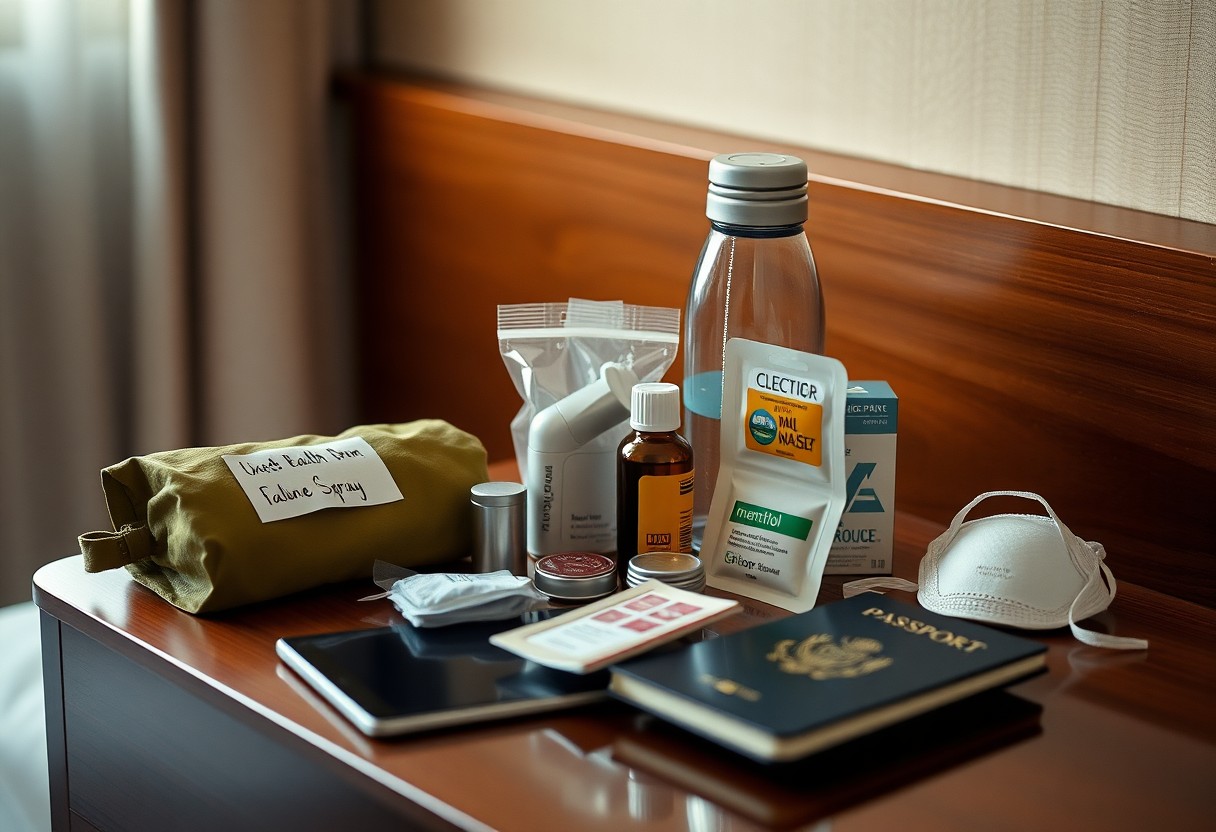
Assemble a compact set covering acute relief and daily maintenance: a travel mesh nebulizer (~200 g), your rescue inhaler in original packaging, single‑use 0.9% saline ampoules, a lightweight pulse oximeter (±2% accuracy), and hypoallergenic masks. Pack prescriptions with digital copies, a mini first‑aid, and note the 100 mL TSA liquids rule for carry‑ons. Any time you cross borders, verify local medication rules and keep prescriptions accessible.
- nebulizer
- inhaler
- saline ampoules
- pulse oximeter
- masks
- prescriptions
Personalization Tips
Match the kit to routes and conditions: add a pocket humidifier or travel saline spray for long flights, swap to a steroid nasal spray in high pollen months, and carry spare batteries if your nebulizer is battery‑powered; frequent flyers (>4 trips/month) should prioritize devices under 500 g. Log baseline peak flow (adults often 400-600 L/min) before travel to track changes. Any additions should be trialed at home to confirm fit and tolerability.
- saline spray
- nasal spray
- nebulizer
- batteries
- peak flow
For medical conditions, include an action plan with clear dosages and emergency contacts, pack an oral antihistamine like cetirizine 10 mg for allergic flares, and use silica gel packets to protect meds in humid climates; store temperature‑sensitive drugs according to guidance (insulin needs a cool pack). Carry duplicate prescriptions and a labeled photo of medication lists. Any time you change climate or itinerary, reassess storage, quantities, and local access to replacements.
- action plan
- cetirizine 10 mg
- silica gel
- duplicate prescriptions
- temperature-sensitive storage
Travel Safety and Health Precautions
While packing your nebulizer and meds, plan for the unpredictable: verify vaccinations, carry doctor notes for controlled inhalers, and map nearby hospitals and pharmacies. You should also store digital copies of prescriptions, keep a small emergency cash reserve, and register short stays with your country’s embassy to speed assistance for legal or medical evacuations.
Insurance and Medical Coverage
When you choose a policy, aim for at least $100,000 medical coverage and explicit emergency evacuation benefits-evacuations can cost tens of thousands; some plans cap at $50,000. Check if pre-existing conditions need a waiver and whether device replacement and prescription refills are covered, then save the insurer’s 24/7 assistance number in your phone. Perceiving policy exclusions before you travel can prevent denied claims and surprise bills.
- Policy limits: minimum $100,000
- Emergency evacuation: verify cap and provider
- Pre-existing conditions: check waivers
- 24/7 assistance: save contact number
Tips for Seeking Help Abroad
Prioritize quick triage: locate your nearest embassy, know the local emergency number (e.g., 112 in the EU, 911 in the US), and use trusted telemedicine apps to decide if you need an ER visit; this often reduces costs and wait times. Store encrypted medical files and share live location with a trusted contact. Perceiving local care pathways promptly lowers risk and out-of-pocket expenses.
- Embassy: register and note services
- Local emergency number: know both local and international numbers
- Telemedicine: install apps with English support
Leverage practical tools: save hospital coordinates to offline maps, upload your insurance PDF and prescriptions to a secure cloud, and join local expat or nomad groups that recommend vetted pharmacies and clinics-members often share real-time experiences. For example, a traveler in Bali used telemedicine to get a vetted prescription within two hours and avoided an ER visit. Perceiving these networks and tools before symptoms escalate prevents costly delays and anxiety.
- Offline maps: save hospital coordinates
- Insurance: upload policy and contact info
- Pharmacies: locate verified providers
To wrap up
On the whole, your Digital Nomad Health Kit – portable natural breathing relief for travel – helps you stay comfortable on the move; compact crucials like inhalers, saline sprays, and natural aromatics support clearer airways, quicker recovery, and calmer travel days, so you can focus on exploring without congestion slowing you down.
FAQ
Q: What exactly is the Digital Nomad Health Kit – Portable Natural Breathing Relief for Travel, and what should I expect inside?
A: The kit is a compact travel-ready set designed to ease nasal congestion, dryness, and airway irritation using mostly natural, non-prescription items sized for travel. Typical contents: travel‑size saline nasal spray or single‑use saline sachets; a small USB rechargeable ultrasonic humidifier or nebulizer for bedside use; a solid aromatherapy inhaler (no sprays) with eucalyptus/menthol blends; adhesive nasal strips for nighttime congestion; a lightweight, reusable PM2.5/HEPA mask with spare filters; a small mentholated balm or chest rub; alcohol wipes and a compact thermometer; a few doses of over‑the‑counter antihistamine tablets in original packaging; and a water‑resistant travel pouch to organize items. Packaging follows airline liquid limits (<=100 ml per container) and most kits prioritize TSA‑compatible sizing.
Q: How do I use the kit items safely and effectively while on the road?
A: Use saline spray to clear and humidify nasal passages several times daily, avoiding forceful sprays; apply nasal strips before sleep to reduce snoring and improve airflow; run the USB humidifier in hotel rooms to raise humidity for 1-3 hours near bedtime (use distilled water to avoid mineral mist); use the solid aromatherapy inhaler for short, controlled inhalations – avoid direct application of concentrated oils to skin and keep away from children and pets; wear the mask in crowded or polluted spaces and change filters per manufacturer guidance; follow labelled dosing for any OTC antihistamine or balm and consult a healthcare provider if symptoms persist, worsen, or you have chronic respiratory conditions; never use battery‑powered devices during flight and avoid operating humidifiers on trains/cars where contraindicated.
Q: What are the best practices for packing, cleaning, and complying with travel regulations for this kit?
A: Pack liquids and gels in 100 ml (3.4 oz) containers inside a clear resealable bag and place medications in carry‑on with prescriptions or a note from your provider when possible; carry spare filters and single‑use items to avoid relying on local availability. Clean reusable components after each trip: rinse humidifier tanks daily, use distilled water, and disinfect weekly with a 1:10 bleach solution or white vinegar soak per manufacturer instructions; replace inhaler pads and nasal strip supplies as recommended. For batteries and power banks follow airline rules (keep power banks in carry‑on, within Wh limits) and check customs regulations for herbs, important oils, and medications at your destination – when in doubt, carry documentation and declare items if required. Dispose of single‑use items hygienically and restock before long trips.

Medical Disclaimer
This article is for informational purposes only and is not a substitute for professional medical advice, diagnosis, or treatment. Always consult a qualified healthcare provider before starting, stopping, or changing any treatment, especially if you are pregnant, nursing, have a medical condition, or are taking medications. Never disregard professional medical advice or delay seeking it because of something you have read here. If you experience severe symptoms, allergic reactions, or think you may have a medical emergency, seek immediate care.
