
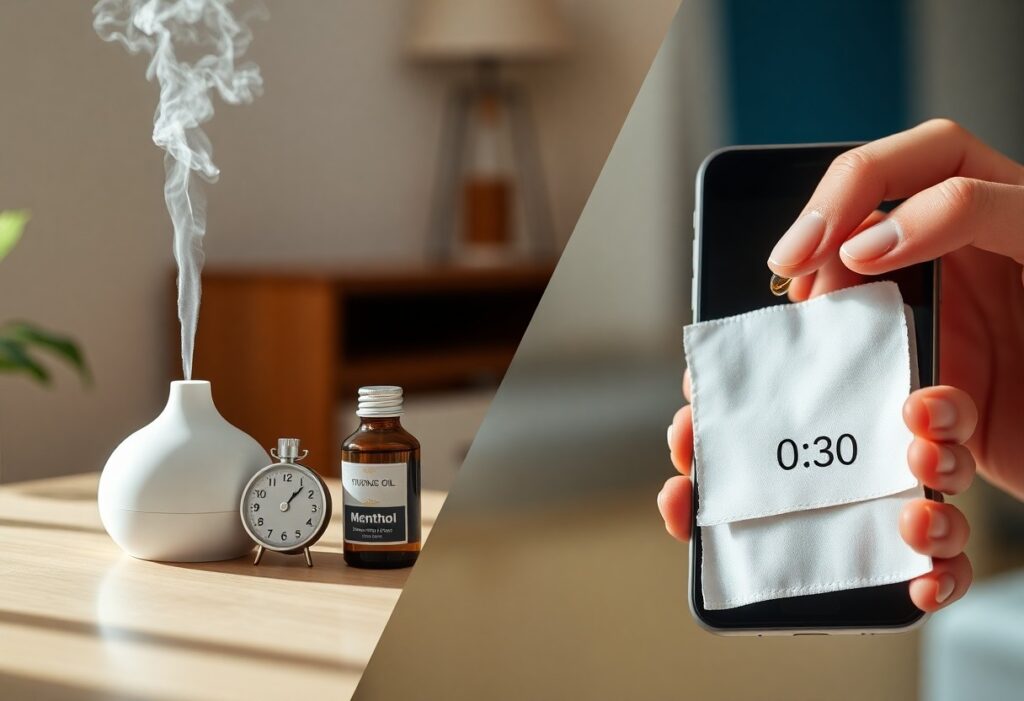
Over the first few minutes you may wonder whether a diffuser or direct application clears your congestion faster; direct application often delivers faster relief to nasal passages, while a diffuser spreads aroma more gently and is safer for shared spaces. You should weigh efficacy against risk, since direct application can cause skin irritation or be harmful to children and pets, and choose the method that fits your symptoms and safety needs.
Understanding Congestion
What Causes Congestion?
Viruses (common colds) trigger most acute congestion by causing mucosal inflammation and increased mucus; allergic rhinitis affects about 10-30% of adults and produces similar swelling through histamine-driven vasodilation. Environmental irritants like smoke and pollution worsen symptoms, while anatomical issues (deviated septum, nasal polyps) can cause persistent blockage. Also be aware that using topical decongestant sprays for more than 3 days can cause rebound congestion (rhinitis medicamentosa), prolonging your symptoms.
Symptoms and Effects
Nasal obstruction, facial pressure, and reduced smell are common, often accompanied by postnasal drip and cough; these symptoms can fragment sleep and cause daytime fatigue, lowering productivity. Sinusitis lasting >12 weeks is classified as chronic and may need specialist care. If you develop a fever >38°C, worsening vision, or severe facial pain, seek medical attention promptly, since those signs suggest complications.
More specifically, congestion can aggravate underlying asthma, increasing wheeze and rescue inhaler use, and in children it raises the risk of otitis media due to Eustachian tube dysfunction. You may notice decreased exercise tolerance and appetite when smell is reduced; addressing inflammation early-through targeted antihistamines, intranasal steroids, or addressing structural problems-often prevents these downstream effects.
The Diffuser Method
You rely on a diffuser to fill the room with a steady, low-dose vapor of decongestant oils, which is ideal when you want continuous relief while you sleep or work. Many household ultrasonic diffusers run between 0.5-2 mL of blend per hour and their 100-200 mL tanks typically last 4-12 hours, so you get sustained exposure without reapplication. Use blends like eucalyptus or peppermint at 1-3 drops per 100 mL of water for measurable, gentle effects.
How Diffusers Work
Ultrasonic diffusers break an oil‑water mix into a fine mist with droplets often <5 µm, letting the aroma suspend in air so you inhale diluted vapors; nebulizing units atomize pure oil into much stronger aerosols. You’ll notice effects faster with a high‑output nebulizer in a small room, while ultrasonic units give milder, longer relief across larger spaces. Typical outputs range from 0.5-2 mL/hr, so airflow and room volume determine how quickly the scent-and benefit-reaches you.
Benefits of Using a Diffuser
You get hands-free, continuous delivery that covers a whole room, making diffusers great for overnight congestion management or shared spaces; for example, a 150 mL ultrasonic unit can run ~8 hours, keeping your bedroom consistently diffused. Diffusers also let you dial in intensity by changing drops or run times, and they humidify slightly while dispersing oils, which can help loosen mucus without repeated topical applications.
Additionally, you can choose device types to match needs: nebulizers give a potent burst for quick relief in small rooms, while ultrasonic models provide gentle, sustained exposure-use nebulizers for short, targeted sessions and ultrasonics for prolonged support. Be mindful of safety: avoid continuous heavy diffusion around infants, pregnant people, those with asthma, or cats, and test a short session to check for irritation before extended use.
Direct Application Method
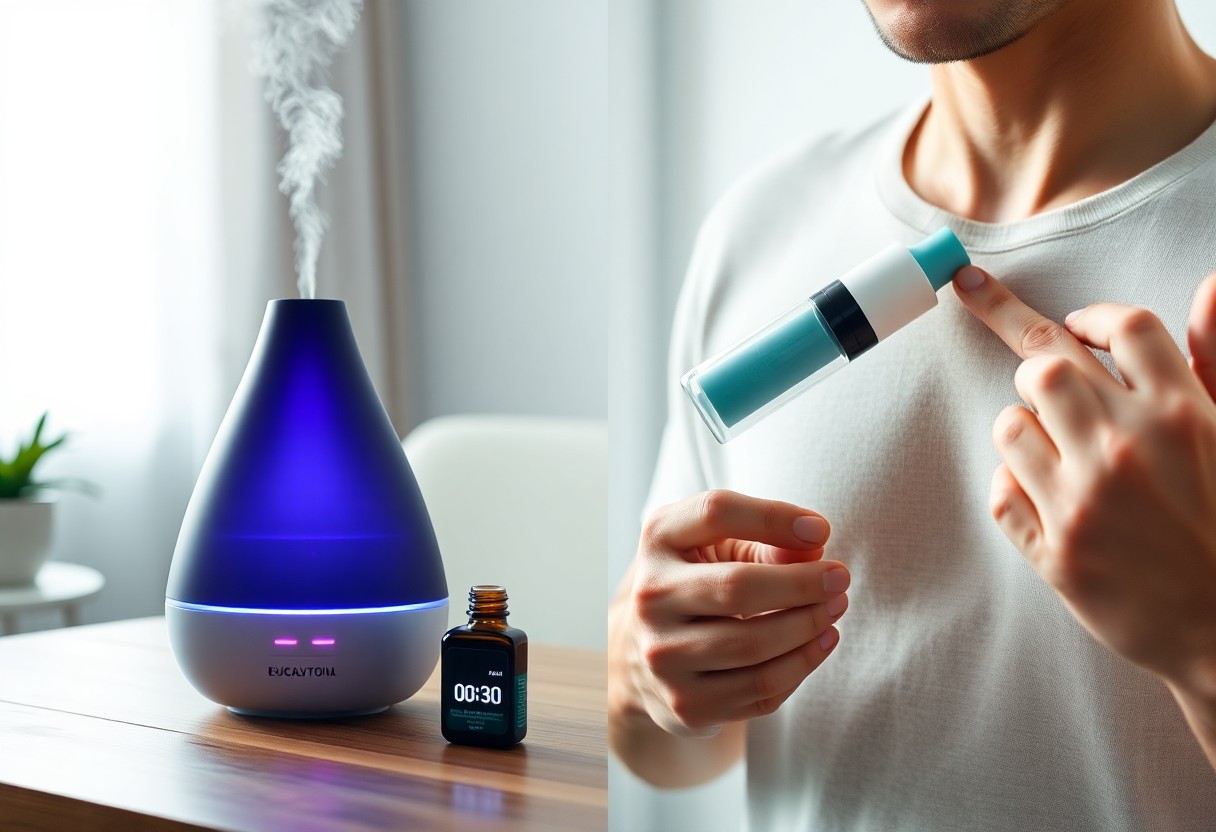
You apply diluted rubs or drops directly to your chest, throat, temples, or a tissue for immediate effect; many users report noticeable relief within 5-15 minutes. Use a safe dilution (about 1-2% for adults, ~6-12 drops per 30 mL carrier oil) and avoid undiluted oils on skin or near eyes. Be aware that skin irritation and respiratory reactions can occur, especially in children or people with asthma, so test a small patch and keep oils away from infants and sensitive mucous membranes.
Techniques for Direct Application
You can rub a diluted blend onto your upper chest and back, place 1 drop on a tissue under your nose, or add 2-3 drops to 1 L of hot water and inhale Steam for 5-10 minutes (towel over head, maintain distance). For dilution math: 1% in 30 mL carrier ≈ 6 drops, 2% ≈ 12 drops. Never apply undiluted imperative oils to skin or drop them directly inside nostrils-that increases burn and allergic risk.
Advantages of Direct Application
Because you place the remedy right where you feel congestion, direct application often produces quicker, more targeted relief than whole-room diffusion; you also use fewer drops (cost-effective) and can reapply as needed before bed or during a flare, giving a practical, hands-on way to manage symptoms.
Direct application lets lipophilic compounds absorb through skin and vapourize at the source, so you get concentrated action without saturating the room-typically you’ll use 6-12 drops in a carrier versus 8-12 drops per hour when diffusing. This method also allows you to gauge skin sensitivity immediately and stop if irritation appears. It’s preferred when you want fast, local relief or to avoid exposing others in shared spaces, but avoid use on infants, on broken skin, or if you have severe asthma.
Comparing Effectiveness
Side-by-side summary
| Diffuser | Direct Application |
|---|---|
| Onset: ~10-30 minutes to reach room concentration | Onset: 1-3 minutes when inhaled from skin or tissue |
| Dose: low, continuous ambient exposure | Dose: higher, localized concentration at application site |
| Coverage: whole room; good for shared spaces | Coverage: personal and targeted relief |
| Duration: effective while running; may linger 1-2 hours | Duration: typically 30-90 minutes; may require reapplication |
| Safety: lower skin risk but watch pets and children | Safety: higher risk of skin irritation or overexposure if undiluted |
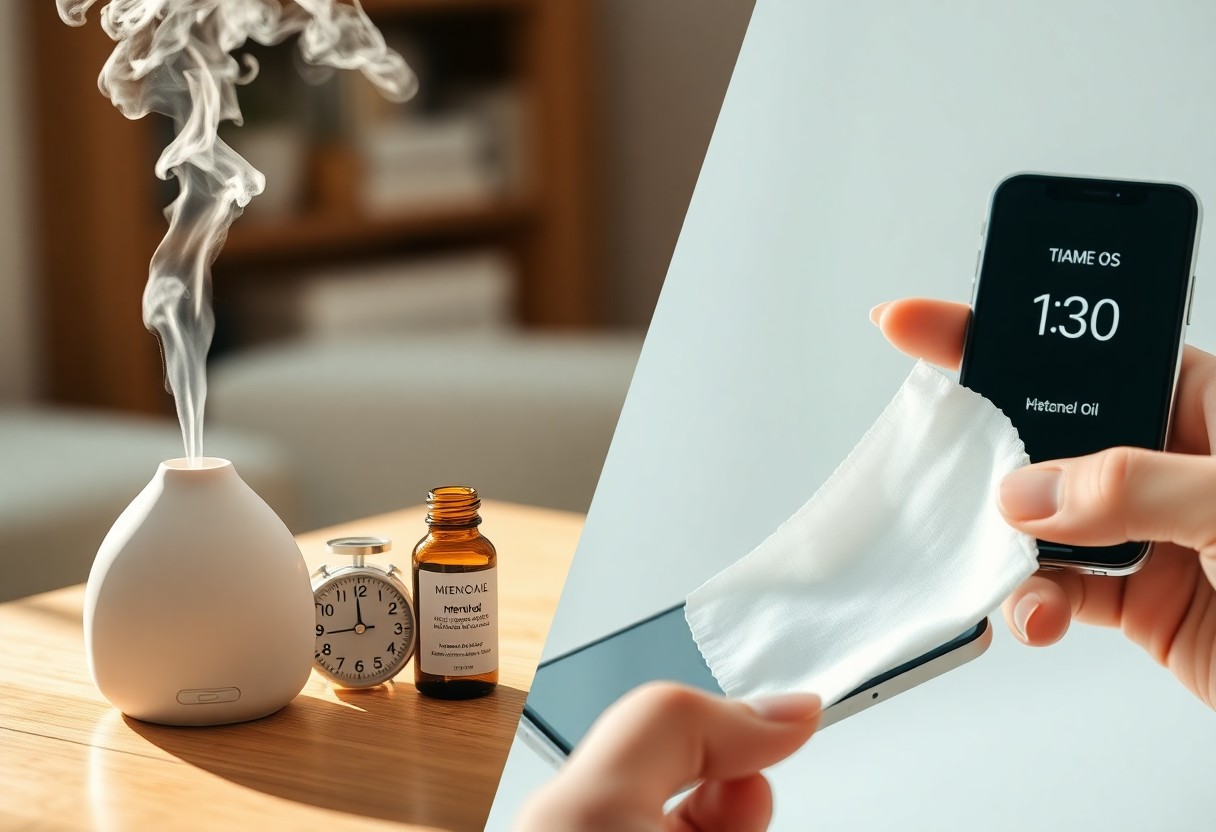
When you compare both, you’ll find direct application gives a rapid, concentrated hit ideal for sudden congestion, while diffusers trade speed for steady support across a room; think fast, short bursts versus slower, sustained coverage when choosing which to use.
Speed of Relief
You’ll notice direct application often relieves nasal stuffiness within 1-3 minutes because volatile compounds hit your airways directly, whereas a diffuser usually needs ~10-30 minutes to reach effective room levels; if you need near-instant relief, apply a diluted drop to a tissue or chest, but avoid undiluted skin contact to prevent irritation.
Longevity of Effects
With direct application you can expect effects to last roughly 30-90 minutes depending on formulation and skin absorption, while a running diffuser maintains lower-level benefits continuously and can keep symptom relief present for the entire diffusion period plus about 1-2 hours afterward.
Mechanistically, direct application relies on quick inhalation and transdermal absorption so concentrations fall as the oil evaporates and is metabolized, meaning you may need to reapply every 1-3 hours for sustained relief; by contrast, intermittent diffuser cycles (for example, 30 minutes on/30 minutes off) can provide steady-state exposure without repeated skin contact, but you must manage room size, ventilation, and pet/child safety.
Personal Preferences and Considerations
Individual Responses
People vary: some get near-instant relief from direct application in 5-15 minutes, while others feel steady improvement over 20-30 minutes with a diffuser, and preexisting allergies or sensitivity change the effect.
- Diffuser – room-wide, gradual
- Direct application – fast, localized
- Sensitivity – risk of irritation or allergic reaction
This variability means you should test each method briefly to see which your body prefers.
Lifestyle Factors
Your routine and home environment steer choices: a compact diffuser can run for hours in shared spaces, whereas direct application is convenient for quick, personal relief on the go; always consider safety around children and pets.
- Portability – travel vs home use
- Runtime – minutes (direct) vs hours (diffuser)
- Household – kids, pets, roommates
This often makes convenience and household makeup the deciding factors.
For example, many consumer diffusers advertise coverage for rooms up to roughly 200-300 sq ft with run times of 2-8 hours, while a topical rub may give 1-4 hours of symptomatic relief depending on formulation; if you work in an open office, diffusion offers passive coverage, but if you commute or need immediate relief, direct application wins.
- Coverage – room size matters
- Duration – continuous vs short burst
- Risk – avoid strong topical use near infants or broken skin
This helps you match method to situations like travel, shared spaces, or bedside use.
Tips for Choosing Your Method
Weigh your room size vs need for speed: a diffuser fills ~15-30 m² in 10-30 minutes, while direct application often eases symptoms within 5-15 minutes. Use a diffuser for continuous, low-dose support during sleep or work, and apply diluted rubs when you need near-instant relief – see Congested Chest Relief through Natural Treatment for more guidance. Perceiving you have allergies or small children, avoid strong direct application and keep diffusing sessions short.
- Diffuser – continuous, room-wide effect
- Direct Application – faster, localized relief
- Safety – dilution, exposure time, and vulnerable people
Assessing Your Needs
Match method to symptoms and setting: for nasal stuffiness in a shared 100-300 sq ft (9-28 m²) room a diffuser delivers steady relief, while targeted chest tightness usually responds faster to a diluted topical application. Factor in duration – diffusers are best across hours, direct wins for under 15-minute bursts – and your sensitivity to scents; if you have asthma or pets, choose milder concentrations and shorter sessions.
Experimenting Safely
Start low and go slow: for topical testing dilute to about 1-2 drops per teaspoon (5 mL) of carrier and do a 24-hour patch check; for diffusers begin with 1-3 drops per 100 mL water and run 15-30 minute cycles. Monitor for irritation and stop if you see redness, hives, or breathing changes – never apply undiluted oils to skin.
Track variables you change: note oil, dilution, room size, duration and a simple symptom score (0-10) before and after sessions; many users report direct relief within one session and diffuser benefits after 2-3 sessions. If you’re pregnant, have heart or lung disease, young children, or pets, consult a professional and avoid eucalyptus/peppermint near infants and some pets.
To wrap up
Drawing together, you’ll find direct application usually gives the fastest congestion relief because inhaling or applying diluted rubs delivers oils to your nasal passages quickly, while diffusers provide gentler, slower room-wide support that lasts longer and suits shared spaces. Choose direct when you need immediate relief and a diffuser when you want continuous, mild easing for you and others.
FAQ
Q: Which method relieves nasal congestion faster – a diffuser or direct application?
A: Direct application generally works faster because it delivers a higher concentration of active vapors or volatile compounds directly to the nasal passages. Examples include inhaling steam with a few drops of an imperative oil, using an inhaler stick, or applying a properly diluted chest rub; these often produce noticeable relief within minutes. A diffuser releases a much lower concentration into the room air, so onset is slower (often 10-30 minutes) and effects are milder but more sustained across a shared space.
Q: What safety and dilution rules should I follow for both methods?
A: For direct application do not apply undiluted imperative oils to skin or mucous membranes; dilute adult topical blends to roughly 1-3% (about 6-18 drops per ounce/30 mL carrier oil) and avoid direct application inside the nostrils. For inhalation, use brief, controlled exposures-steam inhalation sessions or short, gentle sniffs from a tissue or inhaler. For diffusers follow manufacturer instructions for water and oil amounts, run in well-ventilated rooms for limited periods (commonly 15-60 minutes), and use lower concentrations when children or pets are present. Avoid using menthol, eucalyptus, or peppermint on infants and check pediatric or pregnancy guidance before use. Stop use if irritation, coughing, breathing difficulty, or eye irritation occurs.
Q: Which method should I choose in common situations (sleep, shared room, sudden congestion)?
A: For sudden, pronounced congestion choose direct methods for rapid relief (short steam inhalation, inhaler sticks, or a diluted chest rub) and combine with saline nasal rinse if appropriate. For overnight or shared-room mild congestion choose a low-concentration diffuser setting to provide gentle, continuous relief without high local exposure. For multi-person spaces a diffuser is more practical; for targeted pre-activity relief (going out, bedtime prep) use direct application. If congestion is severe, worsens, or is accompanied by high fever or breathing difficulty, seek medical evaluation.

Medical Disclaimer
This article is for informational purposes only and is not a substitute for professional medical advice, diagnosis, or treatment. Always consult a qualified healthcare provider before starting, stopping, or changing any treatment, especially if you are pregnant, nursing, have a medical condition, or are taking medications. Never disregard professional medical advice or delay seeking it because of something you have read here. If you experience severe symptoms, allergic reactions, or think you may have a medical emergency, seek immediate care.
