
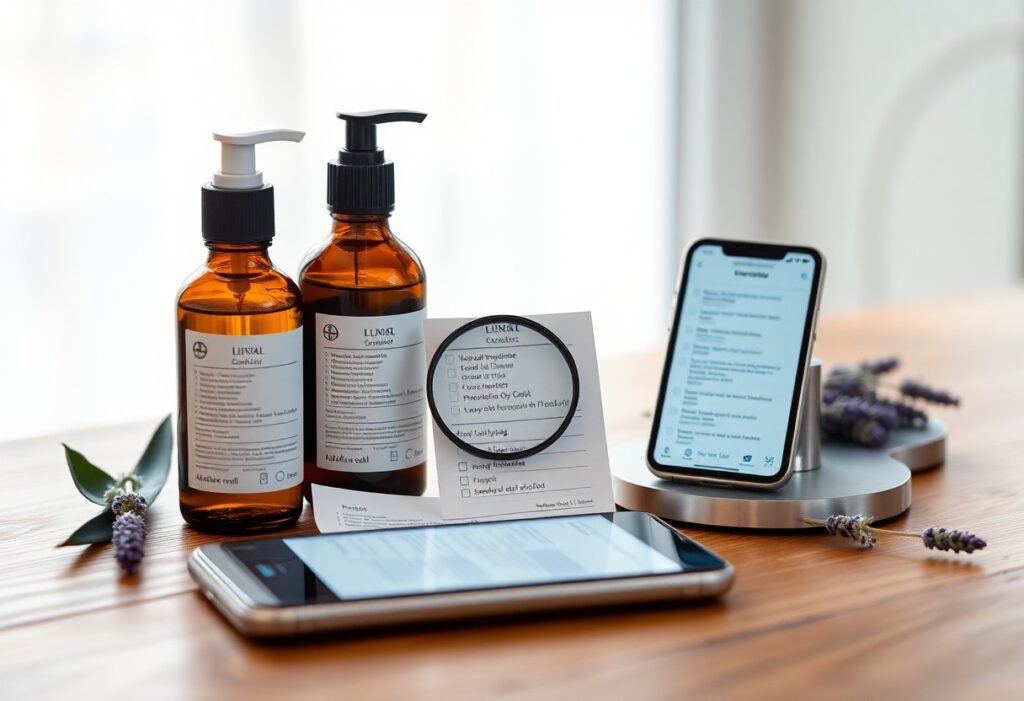
With a few simple checks you can quickly assess natural product labels and protect your health: scan for harmful synthetics like parabens, phthalates, and sulfates, favor products that list short, transparent botanical ingredients, and learn to spot vague marketing terms; prioritize brands with third-party certifications and full ingredient disclosure to ensure safety and efficacy so your choices deliver real benefits without hidden risks.

Understanding Natural Products
As you inspect labels, natural products typically combine plant extracts, minerals, and limited synthetics; certification standards vary-USDA Organic requires at least 95% organic ingredients to label a product “Organic,” while “Made with organic” needs 70%. ISO 16128 provides methods to estimate natural-origin percentages. Check INCI names, solvent residues, and common botanicals like jojoba, shea, and coconut. Be aware necessary oils such as bergamot can be phototoxic.
What Are Natural Products?
You’ll encounter ingredients from plants, animals, and minerals: extracts (aloe vera gels often at 1-3%), carrier oils (coconut, jojoba), and concentrated actives like vitamin C (ascorbic acid). Ingredient labels use INCI names that can mask source and processing-“Citric Acid” may be fermented. Because “natural” lacks a universal legal definition in many markets, you should prioritize verified standards such as USDA Organic or COSMOS to validate origin and processing.
The Importance of Quality
Poor-quality natural ingredients can contain pesticides, heavy metals, microbial contamination, or oxidized oils that lose efficacy; studies have detected contaminants in some botanical supplements. You should ask for third-party testing like GC-MS for botanical identity, peroxide value for oil freshness, and batch-specific COAs showing heavy metal and microbial panels. High-quality sourcing-single-origin botanicals, cold-pressed oils-reduces variability and preserves active levels for reliable performance.
For example, third-party labs can reveal mislabeling-DNA barcoding studies have reported roughly 25-30% mismatch in some herbal supplements-and verify contaminant limits. A common freshness target for oils is a peroxide value under 10 meq/kg; values above that indicate rancidity. When you request COAs, ask for mg/g quantification of actives, a heavy metals panel, and microbial counts so you can compare efficacy and safety across batches.
Key Ingredients to Look For
When you scan labels, prioritize ingredients with documented actives: L‑ascorbic acid (10-20%) for brightening, niacinamide (2-5%) for barrier and tone, hyaluronic acid (0.1-2%) for hydration, and ceramides (0.5-1%) for lipid repair. Also seek standardized botanical extracts (INCI names) and avoid vague terms like “fragrance” that can hide allergens or phthalates.
Beneficial Plant Extracts
You should favor extracts with measurable actives: Camellia sinensis (green tea) for EGCG antioxidant benefits, Centella asiatica (madecassoside) for repair and collagen support, and Glycyrrhiza glabra (licorice) for brightening. Check if extracts are standardized (e.g., “20% polyphenols”) and listed by INCI; highly concentrated botanicals like cinnamon or clove can be irritating at high levels, so formulation percentage matters.
Essential Oils vs. Synthetic Fragrances
You’ll notice important oils listed by botanical names (e.g., Lavandula angustifolia oil) while synthetics often appear as “Parfum/Fragrance”, which can conceal ingredients. The EU requires disclosure of 26 fragrance allergens above threshold levels; plus oxidized components like limonene and linalool are common sensitizers you should watch for if you’re sensitive.
In practice, important oils can offer benefits-tea tree oil at ~5% has clinical antimicrobial data for mild acne-yet they oxidize and sensitize over time; synthetics may be more stable but can contain phthalates or complex proprietary blends that trigger reactions. You should patch test new fragranced products, favor short INCI lists, and choose fragrance‑free formulas if you have a history of dermatitis.
Ingredients to Avoid
As you scan lists, prioritize avoiding common offenders: parabens (methyl-, propyl-), phthalates like DBP/DEHP, harsh sulphates (SLS/SLES), formaldehyde-releasing preservatives (DMDM hydantoin, quaternium-15), and sunscreen actives such as oxybenzone linked to endocrine disruption and coral damage. Manufacturers may hide risks under “fragrance” or “parfum,” which can contain dozens of undisclosed chemicals; pick products that disclose full ingredient names or use simple preservative systems.
Harmful Chemicals
You should watch for substances with documented health or environmental concerns: triclosan was banned from consumer soaps by the FDA in 2016 due to limited benefit and risk, while parabens have shown estrogenic activity in lab studies. Many sulfates strip oils and increase irritation, and persistent chemicals like certain phthalates accumulate in the body-opt for formulas that avoid these where possible.
Understanding Additives
Don’t dismiss additives outright; they stabilize texture and prevent microbial growth. For example, phenoxyethanol is widely used and limited to ≤1% in the EU, providing effective preservation without parabens. Still, you should question ambiguous ingredients like “fragrance” or generic “PEG” compounds, which can hide contaminants such as 1,4‑dioxane.
Digging deeper, evaluate function versus risk: emulsifiers (lecithin, cetearyl alcohol) and thickeners (xanthan gum) are generally benign, while some preservatives and solvents warrant scrutiny. Check concentrations, certifications, and independent lab tests; if a product lists safe alternatives like potassium sorbate or explicitly states “no PEGs”, that often signals a cleaner formulation you can trust.
Reading Labels Like a Pro
Flip the packaging and scan ingredients by order: they’re listed by weight, so if water or a solvent is first, actives are low. Watch for vague entries like fragrance or parfum that can hide allergens and phthalates. Use visible seals such as USDA Organic (95%) or EWG Verified as quick filters, then confirm specifics on the back to avoid misleading marketing.
Deciphering Ingredient Lists
Read INCI names-chemical-sounding labels reveal real contents: Butylparaben signals parabens, Alcohol Denat is drying. Ingredients appear from highest to lowest weight; anything listed after the first few is typically under 1%. If botanical extracts sit near the end, their active dose is likely negligible. Cross-check unfamiliar names with a reliable database before assuming they’re safe.
Certifications and What They Mean
Spot the most informative seals: USDA Organic, EWG Verified, COSMOS/Ecocert, and Leaping Bunny. Each targets different concerns-agricultural sourcing, hazardous-ingredient avoidance, natural/organic formulation standards, or animal-testing policies-so use them together to build confidence rather than relying on one badge alone.
For specifics, USDA Organic allows “100% Organic,” requires 95% organic content to label as “Organic,” and 70% for “Made with organic.” EWG Verified demands full ingredient disclosure and excludes chemicals on its hazard lists. Leaping Bunny guarantees no animal testing at any stage. Check each seal’s website for the exact criteria before trusting a claim.

Investigating Brands
When investigating brands, you should prioritize those that publish batch-level Certificates of Analysis (COAs) and third-party results testing for heavy metals, pesticides, and microbes. Visit product pages for supply-chain details, manufacturing location, and ingredient sourcing, and review the lab reports linked on the site; for testing methodology and what to expect from labs see Ingredient Testing: Everything You Need to Know.
Reputation and Transparency
Check independent certifications like COSMOS, Ecocert, Leaping Bunny and whether the brand posts batch COAs, expiration dates, and supply-chain traceability. Companies with more than 10 years on the market often have established QA processes; newer brands should compensate with clear third-party testing, detailed sourcing, and documented recall histories to build trust.
Customer Reviews and Feedback
Use reviews to detect patterns: filter for verified purchases and watch for recurring reports of irritation, allergic reactions, or inconsistent formulation. Compare feedback across retailers-isolated complaints differ from issues that show up on Amazon, the brand site, and social channels simultaneously.
To act on reviews, scan the top 50 comments, search social hashtags and forums, and note timing and retailer spread; if five or more reviewers across at least three retailers report the same adverse reaction, flag the product. Also contact the brand-fast, transparent responses with COAs or refunds are positive signals, while no reply within 72 hours suggests poor customer care.
Practical Tips for Shopping
When you’re in the aisle or on a product page, prioritize quick checks: verify batch-level COAs, confirm ingredient order, and note active concentrations (e.g., vitamin C 10-20%). Compare unit prices per 100 mL or g, inspect seals for tampering, and allow a 24-48 hour patch test for potent actives. Thou verify batch numbers against COAs and confirm expiration and storage instructions before purchasing.
- Batch-level COA – match the lot number on packaging
- Active concentration – look for % (10-20% for vitamin C, 0.3-1% retinal alternatives)
- Expiration / PAO – check use-by and period-after-opening
- Preservatives – note potentially harmful synthetics like parabens
- Unit price – compare per 100 mL or per g for true value
Where to Buy Quality Products
Prefer the brand’s official site, licensed pharmacies, and authorized retailers where COAs and intact packaging are likelier; third-party marketplaces can be acceptable if the seller is verified and has ≥4.5 stars with >100 reviews. Check product photos for matching lot numbers and avoid gray-market sellers offering unusually steep discounts, since authenticity drops when supply chains are opaque.
Budgeting for Quality
Allocate more budget to measurable actives: a 30 mL serum often yields ~60 applications, so a $40 product is about $0.67 per use. You should prioritize spending on single-purpose actives (vitamin C, retinol) and economize on basic cleansers and lotions by comparing unit price per 100 mL or g.
You can reduce waste by buying smaller sizes for unstable actives like vitamin C, aim for sales (look for 20-30% seasonal discounts), and use subscriptions for ~10-15% savings; calculate true cost by dividing price by estimated uses and concentrate spend on one proven active rather than several under-dosed products to maximize results per dollar.
Summing up
The Best way to choose quality natural products is to scan ingredient lists for clear botanical names, prioritize short lists and high-concentration actives, watch where ingredients appear, and be wary of vague “fragrance” or proprietary blends; you should favor brands that disclose sourcing, use third-party testing, and offer clear usage guidance, and you can protect your skin by patch testing and tracking results to find what truly works for your needs.
FAQ
Q: How do I read an ingredient list to determine whether a natural product is high quality?
A: Start by identifying the INCI (International Nomenclature of Cosmetic Ingredients) list and reading it from top to bottom: ingredients are listed by concentration, highest first. Note the first three to five ingredients-if water, cheap alcohols, or single fillers dominate, active botanicals may be present at low levels. Look for full botanical Latin names (e.g., Rosa canina fruit oil) rather than vague terms like “plant extract” or “botanical blend.” Watch for hidden synthetics: “fragrance” or “parfum” can mask dozens of chemicals, and phrases like “natural origin” don’t guarantee a single-ingredient product. Check for effective forms of actives (e.g., magnesium ascorbyl phosphate vs. generic “vitamin C”), clear preservatives (phenoxyethanol, benzoic acid, ethylhexylglycerin) and pH-appropriate ingredients for the intended use. If percentages aren’t listed, favor brands that publish concentrations or clinical data. Cross-reference unfamiliar chemicals with reputable databases (e.g., PubChem, INCIdecoder, EWG) to verify function and safety.
Q: How can I tell if a “natural” or “clean” product claim is reliable or just marketing?
A: Check for independent certifications (USDA Organic, COSMOS, Ecocert) and read their standards-these require ingredient audits and typically limit synthetic additives. Scrutinize the full ingredient list rather than front-of-pack buzzwords like “clean,” “pure,” or “all-natural,” which lack consistent legal definitions. Look for transparency: brands that disclose sourcing, extraction methods, percentages of active ingredients, and third-party test results are more trustworthy than those using proprietary blends or vague labels. Be alert for greenwashing signals: lots of nature imagery, tiny print exclusions, or claims that omit preservatives while using air-filled packaging that hides stability data. When in doubt, contact the brand for certificates of analysis (COAs), safety data sheets (SDS), or microbial testing results.
Q: What checks should I perform to ensure a natural product is safe and suitable for my skin or health?
A: Verify allergens and irritants by scanning for common sensitizers (fragrance, imperative oils, nut-derived oils, lanolin, botanical tannins) and check concentration of potent actives (high-strength acids, vitamin A derivatives) to match your tolerance. Consider packaging and stability-opaque, airtight containers and small-batch production help protect light- and oxygen-sensitive ingredients. Confirm the presence of an appropriate preservative system if water or humectants are present; “preservative-free” products require exceptional sterile packaging and short shelf life. Perform a patch test before regular use, and consult a clinician if pregnant, breastfeeding, or treating active medical conditions. Finally, check for manufacturing standards (GMP), batch codes/expiry dates, and any third-party safety or efficacy testing to ensure traceability and quality control.

Medical Disclaimer
This article is for informational purposes only and is not a substitute for professional medical advice, diagnosis, or treatment. Always consult a qualified healthcare provider before starting, stopping, or changing any treatment, especially if you are pregnant, nursing, have a medical condition, or are taking medications. Never disregard professional medical advice or delay seeking it because of something you have read here. If you experience severe symptoms, allergic reactions, or think you may have a medical emergency, seek immediate care.
