
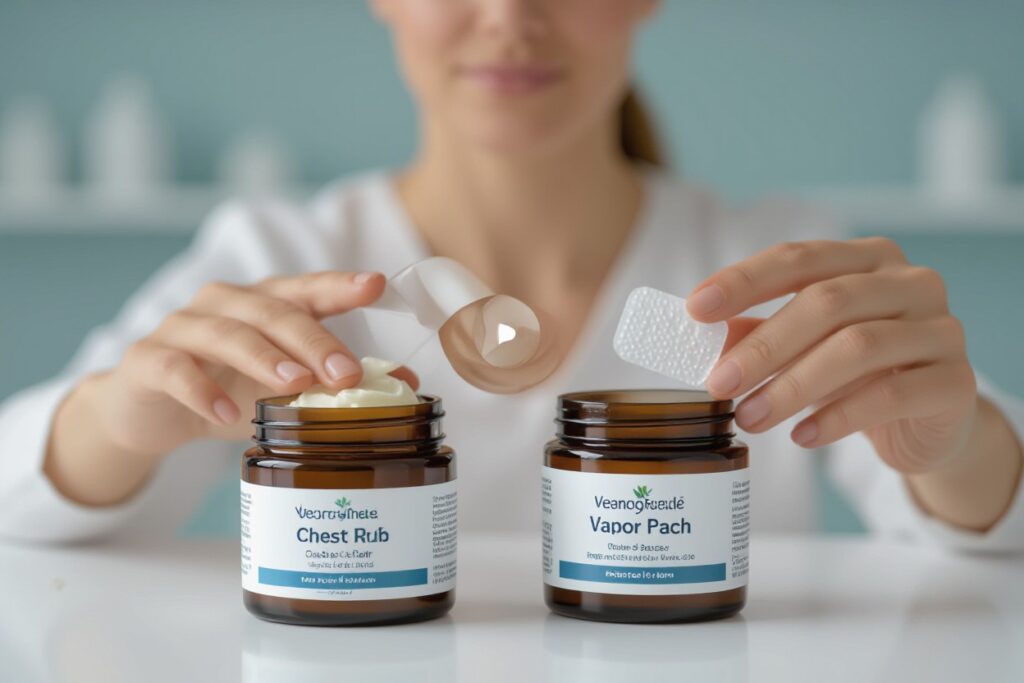
Just deciding between a chest rub and a vapor patch? You want fast, soothing congestion relief that fits your routine, so we’ll compare how each works, their scent, duration, and when one might help more. Consider factors like skin sensitivity, mobility, and whether you prefer active inhalation or passive diffusion — “breathe easier” is the goal, and we’ll help you choose what suits your nights and days.
Understanding Congestion
Congestion happens when mucous membranes swell and mucus production rises, narrowing your nasal passages, sinuses or airways. Often linked to inflammation, it cuts airflow and impairs smell and sleep; your body normally makes about 1–1.5 liters of mucus daily, and that volume increases with infection or allergy. Distinguishing nasal versus bronchial blockage helps you choose the right relief method—topical vapors, chest rubs, or systemic therapy.
Common Causes
Viral infections top the list: rhinoviruses cause roughly 30–50% of colds, with influenza and other respiratory viruses adding cases. Allergic rhinitis affects around 10–30% of people, with pollen, dust mites or pet dander provoking rapid swelling. Sinusitis, air pollution, smoking and structural issues like a deviated septum also produce persistent congestion and often need different management strategies.
Symptoms of Congestion
You’ll typically feel nasal blockage, postnasal drip, facial pressure, reduced smell and a cough that worsens at night. “It feels like a traffic jam in your nose,” many patients report. Often sleep suffers and your voice sounds muffled; the presence of fever or green sputum shifts suspicion toward bacterial infection or lower respiratory involvement rather than simple allergic congestion.
Acute viral congestion usually peaks in 48–72 hours and clears in 7–10 days, while sinusitis commonly lingers beyond 10 days or follows a relapse after short improvement. If you have chest tightness, a productive cough, wheeze or shortness of breath, expect lower airway issues like bronchitis, which can persist 2–3 weeks. Conversely, itchy eyes and frequent sneezing point more toward allergy-driven congestion requiring antihistamines or allergen avoidance.
What is Chest Rub?
Chest rub is a topical ointment you apply to your chest and throat that releases volatile compounds—Menthol, camphor and eucalyptus—that reach your airways and create a cooling, decongestant sensation. Effects commonly start within 10–15 minutes and can last several hours, offering symptomatic relief while mucus clearance continues; widely sold examples include Vicks VapoRub that you’ll find in many households.
Ingredients and Their Benefits
Typical chest rubs mix camphor, menthol and eucalyptus oil: menthol and camphor stimulate cold receptors (TRPM8) to reduce the feeling of nasal blockage, while eucalyptus provides mild expectorant and antimicrobial effects. You get fast sensory relief and reduced cough-related discomfort rather than direct mucus dissolution, which is why these products are marketed as symptom-relief aids.
How to Use Chest Rub
Apply a pea-sized amount to your chest and upper back and rub gently until absorbed; avoid applying under the nostrils or onto broken skin. Follow package directions—most adults can repeat up to 3 times daily—and do not use on children under 2. Keep the product away from eyes and heat sources; many people notice improvement within 10–15 minutes, making it useful before sleep.
Do a 24-hour patch test if you have sensitive skin, and use a smaller amount for young children (ages 2–5) under supervision. If you’re pregnant, breastfeeding, or using other topical medications, consult a clinician. Avoid heating pads when using camphor-containing rubs because of flammability. If symptoms persist beyond 7 days or you develop fever above 38°C (100.4°F), seek medical care. “I slept through the night with less coughing,” many users report.
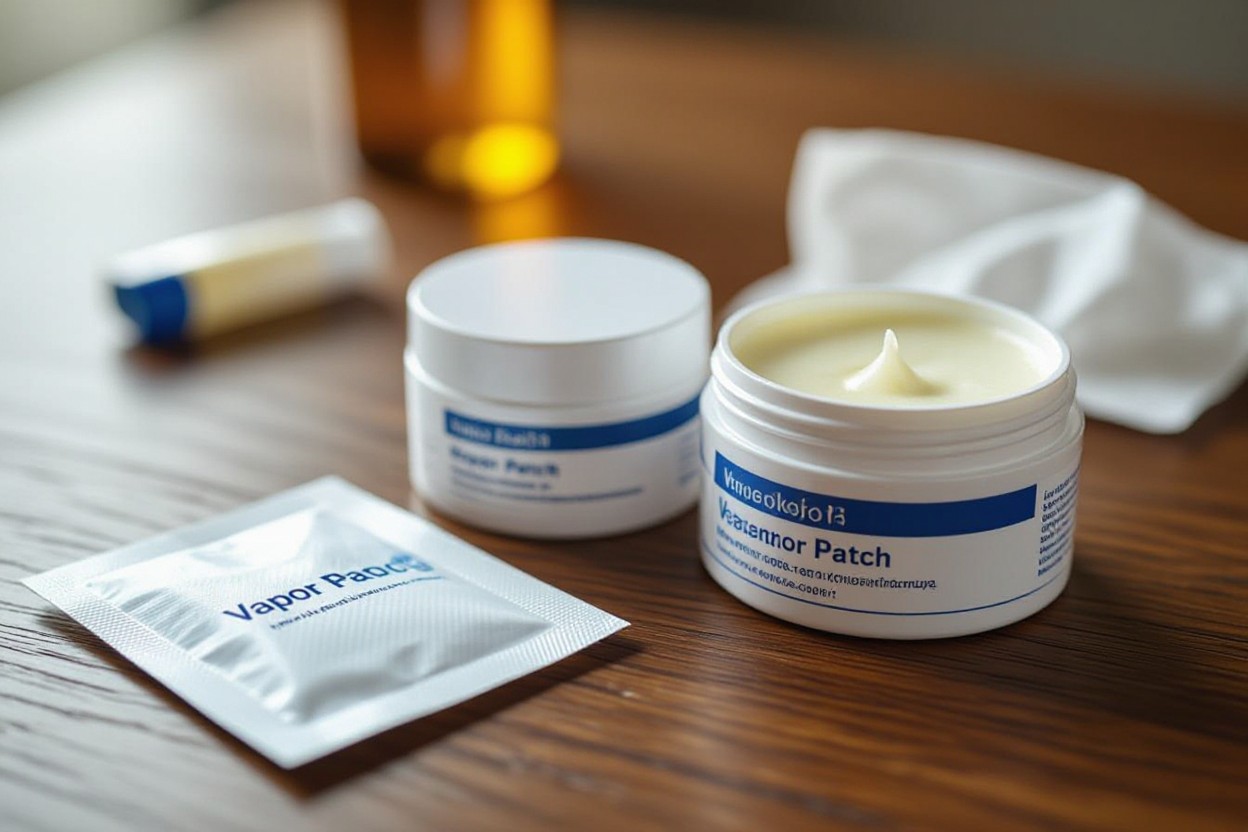
Exploring Vapor Patches
When you apply a vapor patch it adheres to clothing or pajamas and releases volatile compounds like menthol, eucalyptus, or camphor over several hours. You often feel cooling and relief within minutes, and many patches advertise 6–12 hours of continuous scent release, making them convenient for overnight use without the greasiness of topical rubs.
Key Features of Vapor Patches
You’ll find patches designed for discreet, hands-off use: pressure-sensitive adhesive, varying scent strengths, and formulations marketed as non-irritating or low-allergen. Brands typically offer single-use strips and multi-packs, and many emphasize convenience for travel or sleep, so you can pick intensity and duration that fit your routine.
- Adhesive, stick-on design for clothing or chest placement — stays put while you sleep.
- Active volatiles like menthol, eucalyptus and camphor that act via inhalation and trigeminal cooling.
- Duration claims commonly range 6–12 hours per patch for sustained vapor release.
- Non-greasy and fragrance-forward, avoiding direct skin contact in many products.
- Available in multiple strengths and scent profiles, including milder options for sensitivity.
- Portable, single-use packaging ideal for travel or night routines.
- Knowing these specifics helps you match patch type, scent intensity and wear time to your symptoms.
Effectiveness of Vapor Patches
You’ll likely notice subjective relief — a cooler nasal sensation and easier breathing — because menthol and similar agents stimulate sensory nerves. Clinical data indicate that this perceived improvement often occurs without measurable decreases in nasal airway resistance, so patches help how you feel more than they change mucus volume.
You should consider them best for mild-to-moderate congestion or when sleep disruption is the main problem; onset is often within 10–30 minutes and effects can persist through the night. “Many users report sleeping more comfortably,” and you should avoid using strong important-oil patches on infants and check product age recommendations before use.
Comparing Chest Rub and Vapor Patches
Comparative Summary
| Chest Rub | Vapor Patch |
|---|---|
| Active ingredients: menthol, eucalyptus, camphor; topical application to chest or throat. | Active ingredients: menthol-based scents embedded in adhesive; applied to clothing or pajamas. |
| Application: manual rub; can feel warming and tacky; risk of transfer to bedding. | Application: stick-and-forget; low-mess, adheres for several hours. |
| Duration: typically 4–6 hours per application. | Duration: commonly 8–12 hours, marketed for overnight use. |
| Suitability: avoid for children under 2; effective for quick, localized relief. | Suitability: many brands safe from age 2 or 3 up; better for sustained, passive relief. |
Relief Duration
Chest rubs act quickly, with menthol vapors providing noticeable relief within minutes and effects lasting about 4–6 hours; patches gradually emit aromatics and typically advertise 8–12 hours of steady release, making them more suited to overnight use. Your breathing, room ventilation, and product concentration will influence how long you actually feel relief.
User Experience
You get immediate sensory feedback with a chest rub—cooling and warming sensations you can control by amount applied—while vapor patches offer a low-effort option that adheres to clothing and releases scent all night. Many users prefer patches for travel or naps, whereas rubs are favored when you want fast, hands-on relief.
“Stick it on before bed and let it work overnight,” is a common endorsement for patches, and in practice you’ll find patches reduce mess and transfer risk. If you have sensitive skin, test a small area first; alternatively, using a thin layer of rub avoids excess residue but may shorten duration to closer to 3–4 hours.
Factors to Consider When Choosing
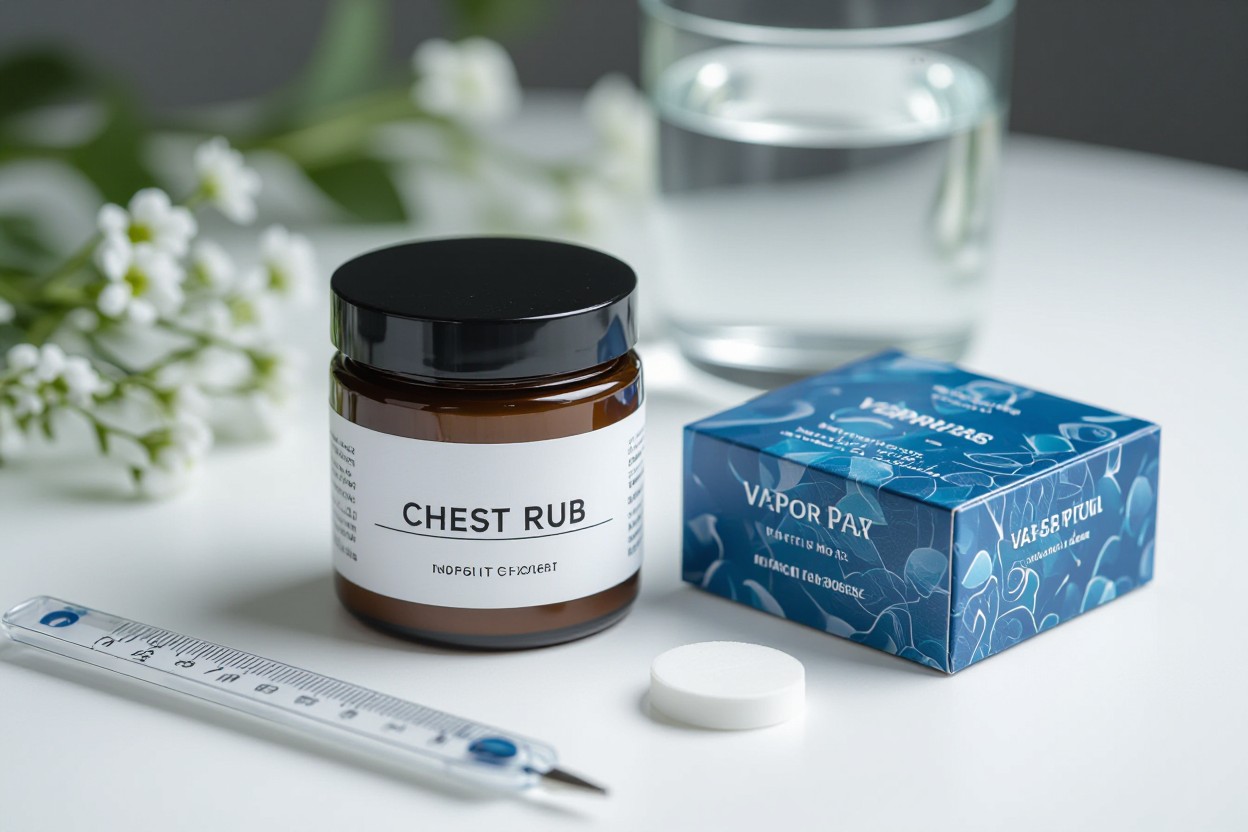
Compare how long relief lasts, the active ingredients (menthol, camphor, eucalyptus), and whether you need hands-free wear or topical massage; patches often deliver up to 8–12 hours, while chest rubs usually last 2–4 hours and let you control dose. Think about skin sensitivity, scent tolerance, and where you’ll use it—commuting, office, or overnight. Any choice should fit your symptoms, routine, and any medical limits.
- Duration of effect: patch (8–12 hr) vs rub (2–4 hr)
- Active ingredients and concentration
- Application method: adhesive vs massage
- Skin sensitivity, allergies, and respiratory issues
- Convenience for work, sleep, or travel
Age and Health Conditions
If you’re choosing for a child, note most menthol/camphor rubs aren’t advised for under 2 years and many labels warn against use in infants; for older adults with COPD or asthma, a test on a small area and a consult with your clinician can avoid bronchial irritation. During pregnancy you may prefer milder eucalyptus-free options. For chronic conditions, check product labels and your provider’s guidance before regular use.
Personal Preferences
If you value hands-off convenience, patches that adhere to clothing or pajamas and last 8–12 hours may suit you; if you like control and the calming ritual of rubbing, chest balms let you target chest, throat, or feet and adjust amount. “I sleep better with a patch that lasts all night,” many users say, so factor in scent strength and how long you want relief.
Consider lifestyle examples: if you work night shifts, an 8–12 hour patch prevents waking to reapply; if you travel, a small tin of balm avoids adhesive peeling in heat. You should also weigh scent intensity—strong menthol can be energizing for daytime but disruptive when you want to nap—and whether you prefer natural crucial-oil blends or clinically formulated OTC products.
Safety and Side Effects
Both options can ease congestion but carry risks like skin irritation, allergic reactions, or accidental ingestion; “stop use if irritation starts.” You should avoid using strong topical rubs or patches on infants under 2 and consult a provider for children. Follow label directions, wash hands after application, and see more clinical tips at How to Get Rid of Chest Congestion Fast.
Chest Rub Safety
You should apply chest rubs to dry, intact skin only and keep them away from eyes, nostrils, and mucous membranes; a thin layer is usually enough. Many products contain menthol or camphor, which can cause burning or nausea if swallowed, so store them out of reach. If you notice rash, increased coughing, or breathing trouble, stop use and seek care.
Vapor Patch Safety
You should use vapor patches as directed—most brands advertise 8–12 hours of continuous fragrant release—and place them on clean, dry skin. Patches can cause adhesive-related contact dermatitis in sensitive people, so test a small area first. Avoid cutting patches, and follow age restrictions on the package.
For more on patch precautions, you should not apply patches to broken, sunburned, or irritated skin, and you must avoid external heat sources (heating pads, hot baths) over a patch to prevent increased release or burns. Remove the patch if you develop significant redness, blistering, swelling, or any breathing difficulty and seek medical attention immediately.
Summing up
Conclusively, for immediate, strong chest relief you may prefer a chest rub with its warming menthol vapors, while vapor patches offer gentler, longer-lasting steady relief and convenience for sleep; your choice depends on skin sensitivity, duration you need relief, and whether you want topical warmth or subtle inhalation. As one tip says, “pick what fits your comfort and symptoms,” and you can try both to find which eases your congestion best.

Medical Disclaimer
This article is for informational purposes only and is not a substitute for professional medical advice, diagnosis, or treatment. Always consult a qualified healthcare provider before starting, stopping, or changing any treatment, especially if you are pregnant, nursing, have a medical condition, or are taking medications. Never disregard professional medical advice or delay seeking it because of something you have read here. If you experience severe symptoms, allergic reactions, or think you may have a medical emergency, seek immediate care.
