

Many people use camphor for breathing relief; in this short guide you’ll learn benefits, safe precautions, and simple ways to use it. “When applied or inhaled correctly, camphor may help ease congestion,” experts note. You’ll get clear tips on dilution, where not to apply it, age limits, and alternatives so you can make informed, safe choices for yourself and your family.
What is Camphor?
Camphor is a white crystalline terpenoid (C10H16O) with a strong, cooling scent; you’ll encounter it as a solid or imperative oil in many topical and inhalant products. Sourced naturally from Cinnamomum camphora or made synthetically from turpentine derivatives, it functions as a mild topical analgesic and expectorant, and you can gauge potency by checking label concentrations, which commonly range from about 1% to 11% in over‑the‑counter preparations.
Origin and Extraction
Native to East Asia, the camphor tree (Cinnamomum camphora) yields camphor via steam distillation of wood and branches, while modern supply also includes synthetic camphor derived from pinene in turpentine. Historically China, Japan and Taiwan dominated production; today plantations and distilleries in Southeast Asia and Brazil supply global markets. Extraction yields are modest—natural wood distillation typically produces camphor in low single‑digit percent yields by weight.
Uses in Traditional Medicine
In Ayurveda and Traditional Chinese Medicine camphor is applied topically for chest congestion, muscle aches and as an inhalant to clear nasal passages; you might use a steam inhalation with diluted oil or a 4–11% topical balm for rubs. Practitioners also used camphor in antiseptic poultices and vapor therapies, and many modern formulations mirror those uses for short‑term symptomatic relief.
Practitioners often combine camphor with menthol and eucalyptus—for example, Vicks VapoRub contains about 4.8% camphor and is paired with menthol and eucalyptus—so you see how traditional mixes became standard OTC blends. Acting as a counterirritant, camphor stimulates sensory receptors to alter perceived congestion and pain; “It cleared my sinuses in minutes,” is a common patient report, which is why you’ll find it in many balms and inhalants used for symptomatic relief.
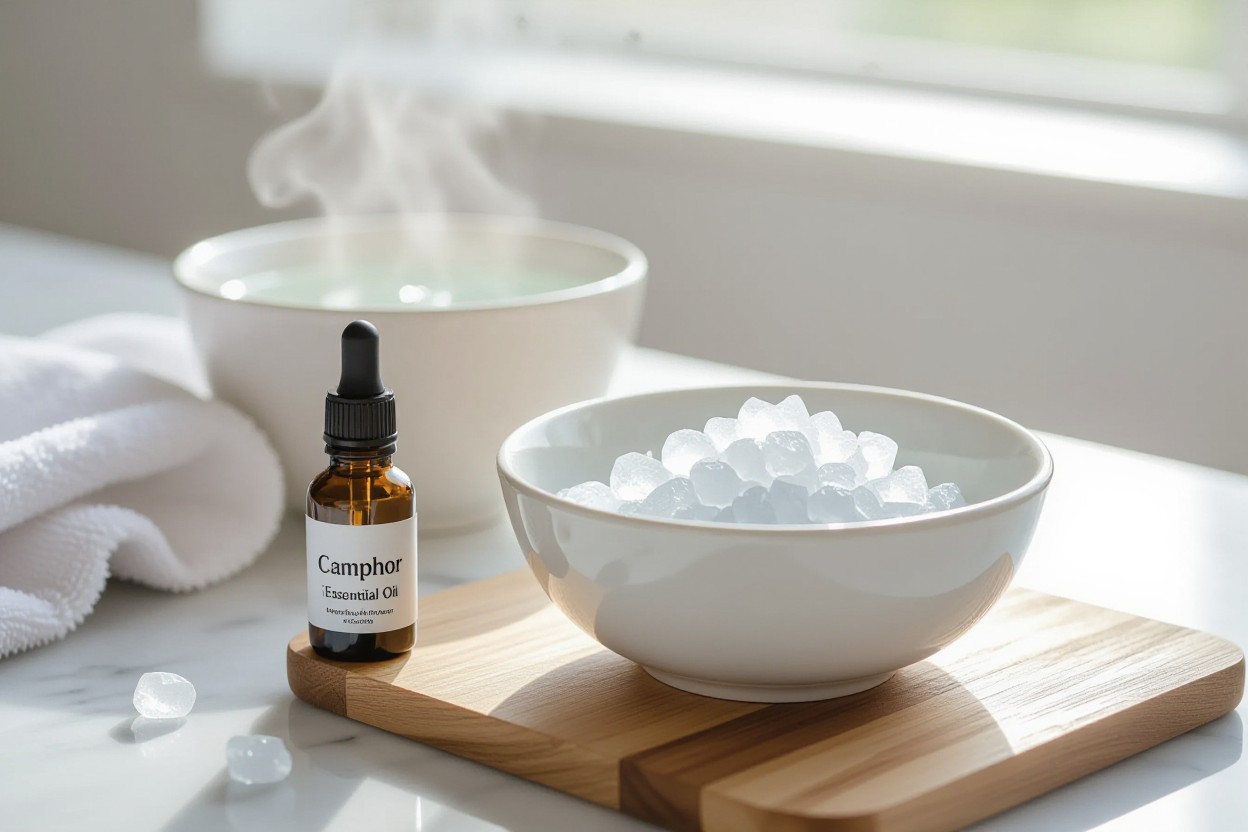
Breathing Relief Benefits
You can get quicker symptomatic relief from nasal congestion and cough by using camphor-containing rubs and inhalants; over-the-counter formulations often use about 4–5% camphor (for example, Vicks VapoRub). Applied to your chest or inhaled as steam, it provides a “cooling vapor” sensation that eases breathing, helps you sleep, and often reduces cough severity within 20–30 minutes of use.
How Camphor Helps Respiratory Issues
By stimulating your nasal and airway cold receptors (TRP channels), camphor creates a counterirritant effect that blunts the cough reflex and subjectively relieves congestion. You may notice easier airflow as sensations change rather than true mucus removal; topical application or brief steam inhalation for 10–30 minutes is the usual approach, and combining with menthol or eucalyptus often intensifies the perceived relief.
Scientific Evidence Supporting Its Use
Laboratory studies show camphor activates TRPV1 and TRPA1 receptors, producing sensory signals linked to cough suppression and reflex bronchodilation in animal models. Human data are mostly small trials and observational studies (sample sizes commonly range from 20–120), which report improved sleep and lower cough scores after topical or inhaled camphor, though large randomized trials remain limited.
Further evidence comes from crossover and placebo-controlled studies that focus on subjective outcomes like cough frequency, sleep quality, and congestion scores. You’ll find that many studies use composite symptom scales and short follow-ups (24–72 hours); real-world case series also report rapid symptomatic benefit. Overall, the mechanistic lab data plus consistent small-study findings support symptomatic use while underscoring the need for larger, objective RCTs.
Safety Information
Potential Side Effects
You may get skin irritation, redness, or a burning sensation where camphor is applied; inhalation can cause coughing, headache, or nausea. Ingesting camphor is far more dangerous — even small amounts have caused seizures in children, with reports noting toxicity from around 2 grams. If you or your child develop confusion, tremors, or breathing problems after exposure, seek emergency care immediately.
Precautions to Consider
Check product labels for camphor concentration (over-the-counter U.S. products are typically limited to 11%); avoid use on broken or inflamed skin, never apply near the eyes or mucous membranes, and keep all camphor-containing products out of reach of children. If you have epilepsy, are pregnant, or breastfeeding, consult your healthcare provider before using camphor-based remedies.
Practical steps help reduce risk: store containers locked, use measured amounts, and never heat or ingest camphor. “Treat camphor like a medicine, not a candy.” If ingestion occurs, call Poison Control at 1-800-222-1222 or go to the ER; case reports show rapid onset of seizures in toddlers after accidental swallowing, so act fast.
How to Use Camphor
Apply camphor products as directed on the label: most topical preparations contain 3–11% camphor and are applied thinly to the chest or back 1–3 times daily. “Use sparingly: a pea-sized amount is often enough.” If you have doubts about age limits, concentrations or interactions, consult guidance such as Safe Use of Health Products Containing Camphor and/or Eucalyptus Oils.
Different Forms Available
You’ll find camphor as ointments, balms, vapour rubs, imperative oils and medicated patches; over-the-counter balms commonly sit between 3% and 11% camphor. Essential oil is highly concentrated, so dilute 1–2% in a carrier oil before topical use. Patches provide longer delivery while creams are milder for sensitive skin. Avoid ingesting camphor-containing products.
Application Tips and Guidelines
Patch-test a small area, avoid broken or irritated skin, and keep rubs away from nostrils and eyes. Apply a thin layer—typically a pea-sized amount for an adult chest—and wash your hands after. Limit use to 1–3 times daily, never cover treated skin with an airtight dressing, and stop if you get intense burning or rash.
- Do a 24-hour patch test on your forearm before broader use.
- Keep all camphor products out of reach of children; many labels advise against use under age 2.
- Recognizing signs of overdose—nausea, dizziness, seizures—requires immediate medical attention.
If you use inhalation, add small amounts to a bowl of hot water or use a diffuser; longer sessions increase exposure, so aim for 5–15 minutes and ensure good ventilation. For topical balms, clinical labels often recommend up to three applications per day; for concentrated imperative oil, dilute to 1–2% and avoid direct application to young children. Seek urgent care for accidental ingestion or severe reactions.
- Use a diffuser on low for 5–15 minutes rather than continuous operation.
- For topical use in adults, limit to three thin applications per day unless instructed otherwise.
- Recognizing contraindications such as severe asthma or pregnancy should prompt consultation with a healthcare professional.
Alternatives to Camphor
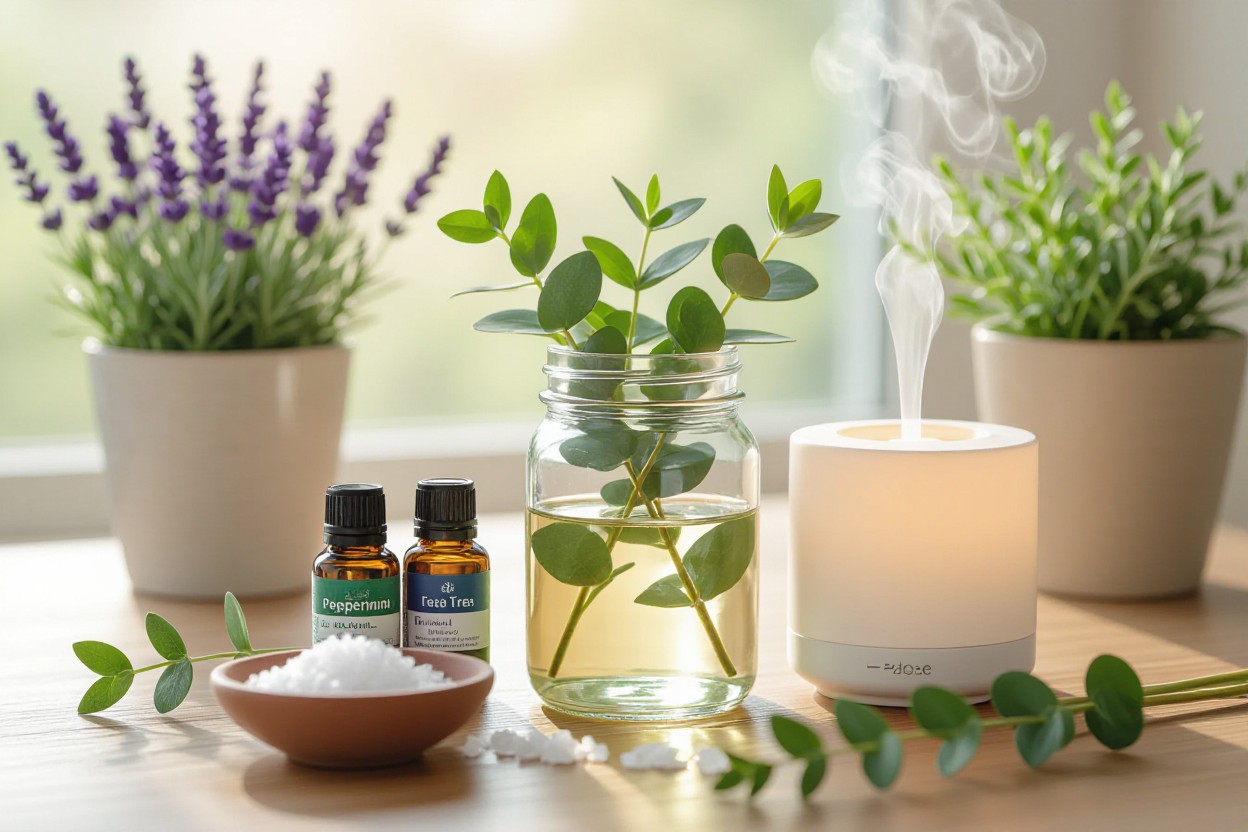
You can try several safe options: isotonic saline nasal irrigation (0.9%) for daily rinses, steam inhalation for 5–10 minutes, room humidifiers set to 40–50% humidity, eucalyptus oil (1,8‑cineole) inhaled cautiously, and OTC expectorants like guaifenesin 200–400 mg. For allergic congestion, a daily intranasal steroid spray often reduces inflammation within 3–7 days. Choose based on age, pregnancy status, and any lung disease.
Other Natural Remedies
Try honey (for children over 1 year) 1–2 teaspoons for nighttime cough relief, ginger tea for anti‑inflammatory effects, and peppermint or menthol for subjective nasal relief. When using imperative oils dilute to 1–2% (about 6–12 drops per 30 ml carrier oil) and avoid direct use on infants under 2 years. You can combine humidification and warm fluids for added benefit.
When to Seek Professional Help
If you have a fever above 38.5°C (101.3°F), breathing rate over 30 breaths per minute, blue lips or face, oxygen saturation under 92%, severe chest pain, or symptoms lasting more than 2 weeks, seek evaluation. Also contact a clinician promptly if you have asthma, COPD, heart disease, are pregnant, or your child is under 3 months with any respiratory symptoms.
Clinicians will check vitals, perform pulse oximetry, and may order a chest X‑ray or blood tests; treatments can include inhaled bronchodilators, a 5–7 day oral steroid course for airway inflammation, or antibiotics if a bacterial infection is likely. “If you’re gasping for air, call emergency services immediately.” If symptoms worsen within 48–72 hours despite home care, follow up with your provider.
Frequently Asked Questions
Common Queries About Camphor
Many ask How to use camphor safely: you’ll find OTC rubs usually contain 2.5–11% camphor and are intended for topical chest rubs or steam inhalation; you should never ingest camphor and must avoid applying it to broken skin or near the eyes. For children, manufacturers and pediatric guidance advise against use in infants under 2 years and recommend supervising applications for ages 2–6. Keep the product locked away to prevent accidental ingestion by kids or pets.
Expert Insights
Clinicians note that short-term inhalation of camphor vapors can reduce nasal congestion and improve sleep in mild colds; you may notice relief within minutes and subjective benefit lasting several hours. A practical tip is to use a pea-sized amount for localized application or follow label dosing for diffusers, and stop if you develop rash, dizziness, or worsened coughing. “Follow label directions and consult your clinician if in doubt.”
More detail: when you and your clinician weigh benefits, note regulatory caps—most products top out at 11% camphor—and pediatric labels restrict use under age 2. If you have asthma or sensitive skin, do a small patch test and avoid heavy chest layering; clinicians report irritation or transient respiratory discomfort can appear quickly in susceptible people. In case of accidental ingestion, contact Poison Control (US: 1-800-222-1222) or your local emergency services immediately.

Medical Disclaimer
This article is for informational purposes only and is not a substitute for professional medical advice, diagnosis, or treatment. Always consult a qualified healthcare provider before starting, stopping, or changing any treatment, especially if you are pregnant, nursing, have a medical condition, or are taking medications. Never disregard professional medical advice or delay seeking it because of something you have read here. If you experience severe symptoms, allergic reactions, or think you may have a medical emergency, seek immediate care.
