
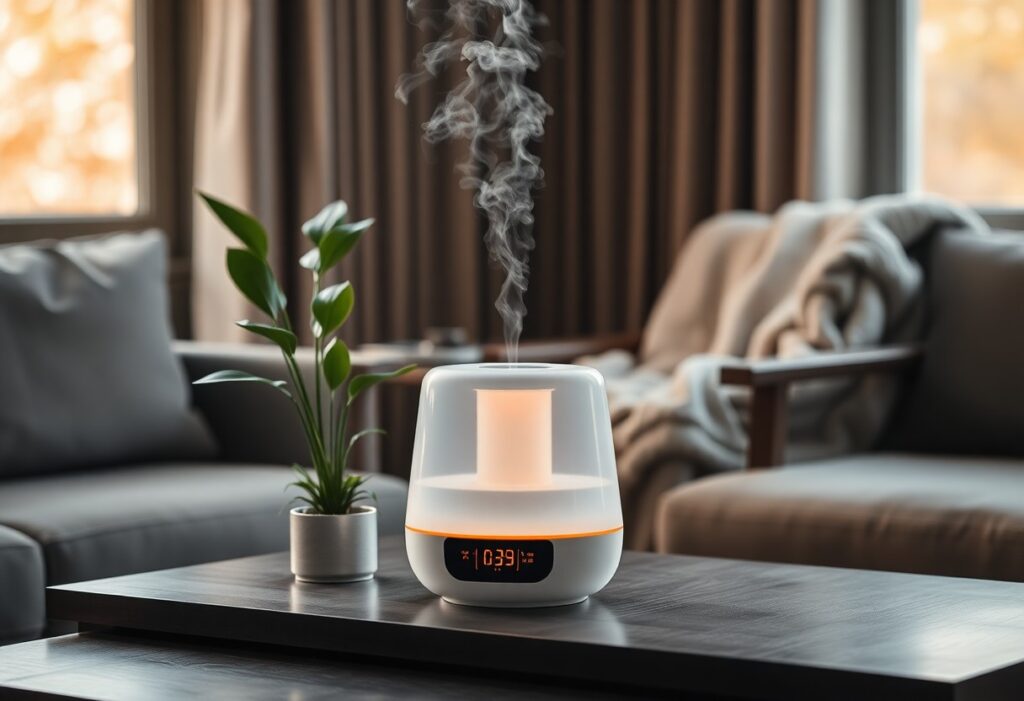
Over time, dry air can lead to discomfort, making congestion and respiratory issues worse. Using a humidifier can significantly improve your indoor environment, helping to alleviate symptoms and keep the air in your home feeling fresh. In this post, you’ll discover the Best humidifiers tailored for your needs, ensuring you breathe easier whether it’s during the chilly winter months or in drier climates. Your comfort and health are important, so let’s find the right solution for you!
Benefits of Using a Humidifier
Integrating a humidifier into your home can transform your indoor environment, leading to enhanced comfort and wellbeing. By maintaining optimal humidity levels, a humidifier helps prevent the discomfort associated with dry air, such as static electricity, dry skin, and irritated nasal passages. Studies show that keeping humidity around 30-50% can significantly decrease the survival rate of viruses in the air. This investment not only improves your overall quality of life but also fosters a healthier atmosphere for your family.
Alleviating Congestion
Humidity plays a vital role in alleviating congestion. When the air is moist, your nasal passages remain hydrated, reducing irritation and allowing mucus to thin out. This can lead to easier breathing, especially during cold and allergy seasons. A study revealed that individuals using humidifiers noticed a marked decrease in sinus congestion, making it easier for you to engage in daily activities without breathlessness.
Improving Skin and Respiratory Health
The improvement in skin and respiratory health through humidifier use is significant. When humid air surrounds you, it helps keep your skin hydrated, preventing dryness that can lead to eczema and irritation. Additionally, moist air can alleviate respiratory issues by keeping your airways clear and comfortable, promoting better breathing and reducing the risk of infections. Maintaining humidity levels in your home can lead to clearer skin and improved lung function.
Types of Humidifiers
Understanding the different types of humidifiers can help you choose the best one for your needs. Below are the main types:
| Cool Mist Humidifiers | Use a fan to evaporate water and release cool mist into the air. |
| Warm Mist Humidifiers | Heat water to create steam, then cool it slightly before dispersing. |
| Ultrasonic Humidifiers | Employ ultrasonic vibrations to produce a fine mist. |
| Evaporative Humidifiers | Moisten air naturally as it passes through wet filters. |
| Steam Vaporizers | Boil water and release steam that cools before leaving the unit. |
- Cool Mist Humidifiers
- Warm Mist Humidifiers
- Ultrasonic Humidifiers
- Evaporative Humidifiers
- Steam Vaporizers
Any option has its benefits depending on what you need.
Cool Mist Humidifiers
Cool mist humidifiers are ideal for large spaces as they effectively maintain humidity levels without raising the temperature. These devices utilize a fan to evaporate water, dispersing cool moisture into the air, which can be especially beneficial during warmer months or for soothing respiratory issues. With low energy consumption, they are also cost-effective, making them a popular choice for many households.
Warm Mist Humidifiers
Warm mist humidifiers operate by heating water to create steam, providing soothing warmth to your indoor air. This type effectively helps alleviate throat and nasal congestion, especially during colder months. They are advantageous for reducing germs and bacteria since the boiling process kills many pathogens, offering a healthier breathing environment.
Warm mist humidifiers are excellent for creating a cozy atmosphere, particularly beneficial for those suffering from colds or allergies. They generally require more maintenance, as they need regular cleaning to prevent mineral buildup and ensure optimal function. Their ability to produce warm steam can be particularly comforting during chilly nights, making them ideal for bedroom use. Just be cautious when operating, as the hot water can pose a burn risk, especially around children or pets.
Key Features to Look For
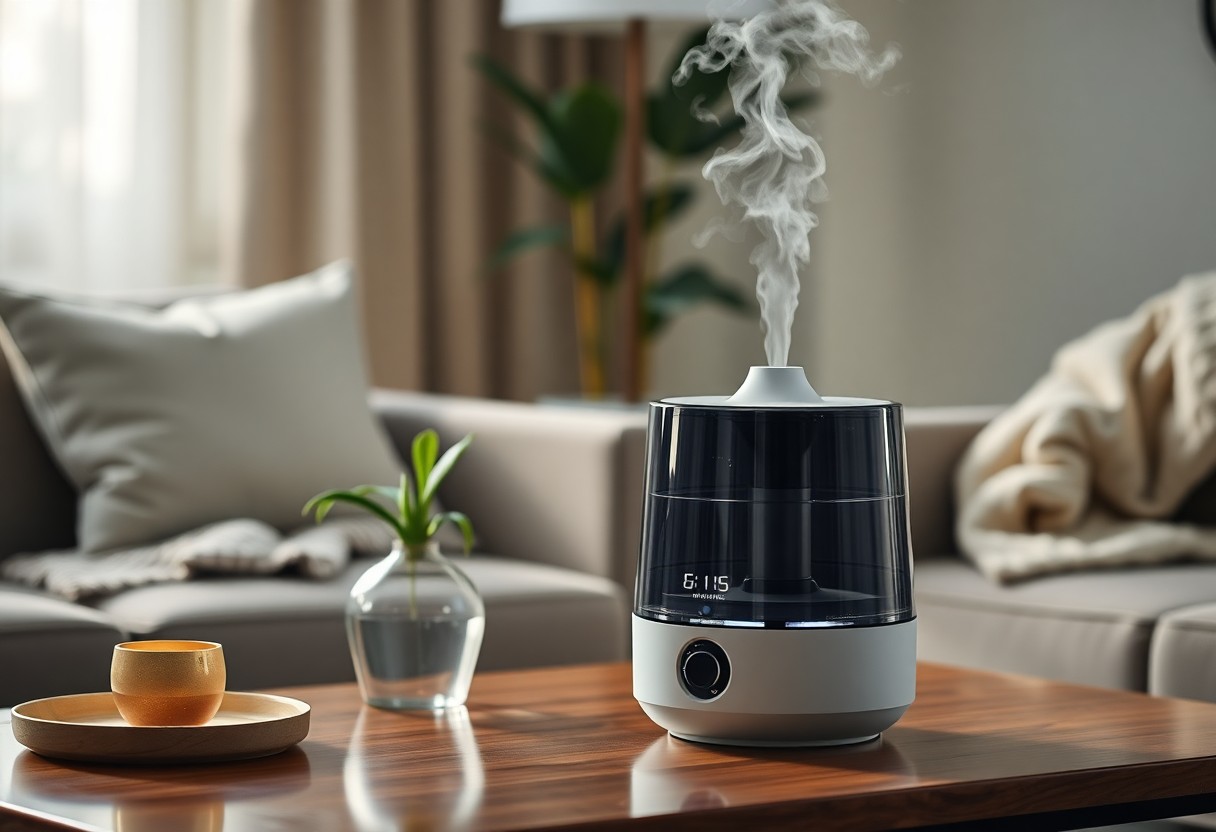
When deciding on a humidifier, it’s imperative to focus on specific features that cater to your needs. Key features include:
- Humidity Control – Adjustable settings allow you to maintain optimal levels.
- Filtration System – Helps purify the air, reducing allergens.
- Auto Shut-off – Ensures safety when water levels are low.
- Tank Capacity – A larger tank means less frequent refills.
- Ease of Cleaning – Prevents mold and bacteria build-up.
- Portability – Lightweight designs make it easy to move between rooms.
Recognizing the importance of these features will significantly enhance your experience with a humidifier.
Size and Capacity
Size and capacity are important factors in selecting a humidifier that meets your requirements. Larger tanks provide extended runtimes, decreasing the frequency of refills; for example, a 3-gallon tank can often run for over 24 hours, perfect for larger spaces. If you’re using it for a smaller room, a compact design could suffice without taking up much space, ensuring efficient moisture distribution tailored to your living conditions.
Noise Level and Maintenance
Noise level is a critical consideration if you plan to use your humidifier while sleeping or working. Many modern humidifiers boast whisper-quiet operation, making them unobtrusive. Additionally, maintenance aspects such as ease of cleaning and filter replacement can impact your daily use. Models requiring regular upkeep might become cumbersome, whereas those with self-cleaning features or easy-access tanks can enhance your convenience.
Keeping your humidifier well-maintained is imperative for optimal performance. Regularly changing filters and cleaning the tank will prevent mineral buildup and bacteria growth, ensuring you consistently breathe fresh, humidified air. Look for models with simple assembly and accessible components to minimize hassle. Choosing a quiet model allows you to maintain peace in your environment while benefiting from the soothing moisture it offers.
Top Picks for Humidifiers
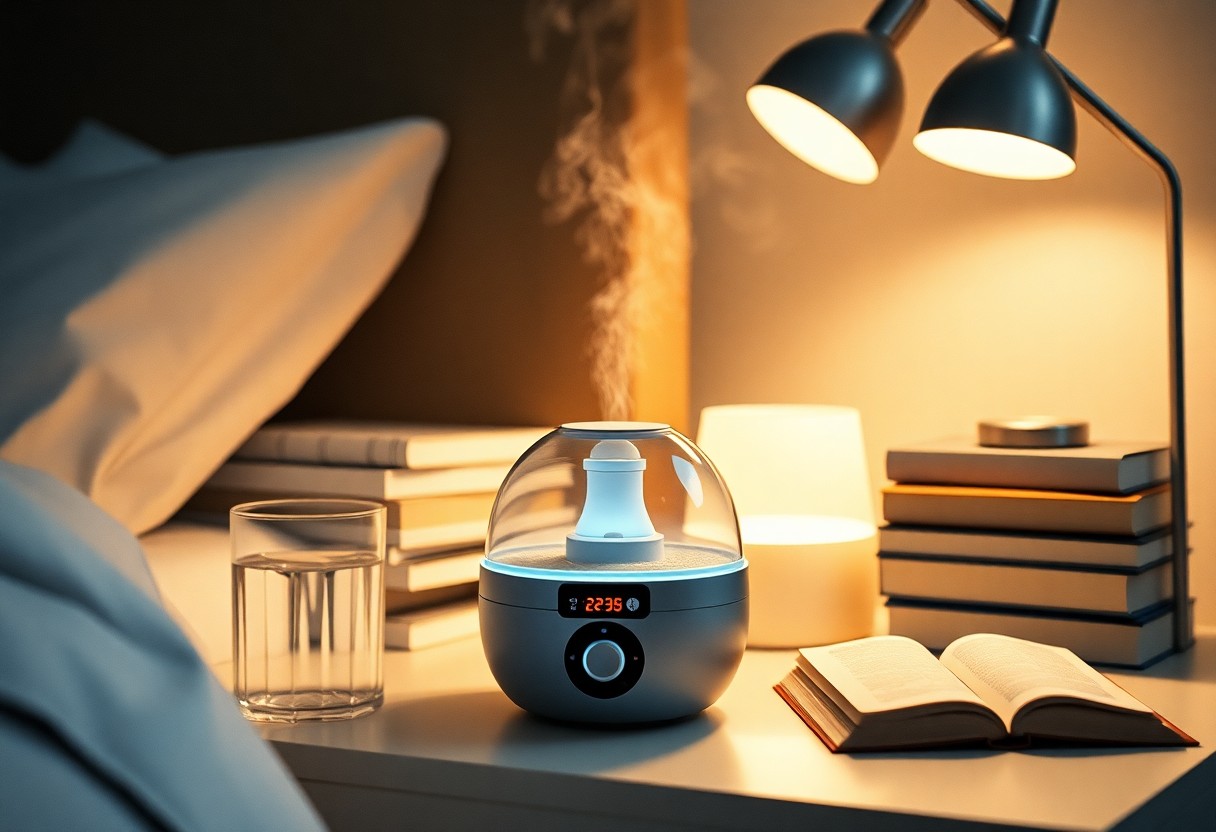
Finding the right humidifier can greatly alleviate symptoms caused by dry air and congestion. Explore our carefully selected options to see which devices best suit your needs. For insights on how a Humidifier for Sinus Problems: What Works Best?, continue reading.
Best Overall
The best overall humidifier combines efficiency with versatility. The *Honeywell HCM-350* is a top choice, featuring easy operation, a durable design, and an impressive output that effectively humidifies spaces while reducing allergens. Its UV technology ensures cleaner moisture, making it ideal for combating congestion.
Best Budget Option
If you’re looking for an economical choice that doesn’t skimp on quality, the *Vicks Warm Mist Humidifier* is a standout. Priced affordably, it delivers soothing moisture and includes a medicine cup for added relief from sinus discomfort, perfect for a nighttime remedy without breaking the bank.
The *Vicks Warm Mist Humidifier* not only functions well in small to medium-sized rooms but also offers a simplistic design that’s easy to clean and maintain. Its warm mist feature helps to reduce bacteria and soothe respiratory irritation, making it a valuable addition to your home, especially during cold and flu season. With a capacity of 1 gallon, it can run for up to 12 hours, ensuring you enjoy continuous relief throughout the night.
Tips for Using Your Humidifier
To maximize the benefits of your humidifier, adhere to these practical tips:
- Keep the humidity level between 30% and 50% to avoid mold and allergens.
- Utilize distilled or demineralized water to prevent mineral buildup.
- Regularly clean your humidifier to ensure optimal function and air quality.
- Position it away from walls and furniture to distribute moisture evenly.
- Monitor humidity levels with a hygrometer for accurate readings.
Recognizing these practices will enhance your comfort and health while using a humidifier.
Optimal Settings
Your humidifier settings should be tailored to your environment. A lower setting may suffice for smaller rooms, while larger spaces may need higher output. Experiment with different settings to find the ideal balance that alleviates congestion without making the air too humid.
Maintenance and Care
Proper maintenance of your humidifier prolongs its life and ensures clean air. Regularly inspect and replace filters as necessary, and clean the tank with a mixture of white vinegar and water every week to prevent mold and bacteria growth.
Investing time in maintenance not only enhances functionality but also safeguards your health. Replace filters according to the manufacturer’s recommendations, and deep clean the entire unit monthly to eliminate any accumulated deposits. Establish a routine by marking maintenance tasks on your calendar, ensuring your humidifier remains an effective ally against dry air.
Summing up
As a reminder, choosing the right humidifier can make a significant difference in alleviating congestion and combating dry air in your home. With various options available, consider your specific needs and preferences to find the best fit for you. Embracing the right humidifier not only improves your comfort but also enhances your overall well-being, creating a more pleasant living environment. Make an informed choice and enjoy the benefits of healthier air.
FAQ
Q: How do humidifiers help with congestion and dry air?
A: Humidifiers add moisture to the air, which can help to alleviate congestion caused by dry air. This moisture helps to soothe irritated nasal passages and throat, making it easier to breathe and reducing symptoms associated with colds and allergies.
Q: What type of humidifier is best for relieving congestion?
A: Steam vaporizers and ultrasonic humidifiers are often recommended for congestion relief. Steam vaporizers heat water to create steam, which can deliver soothing warmth, while ultrasonic models use high-frequency vibrations to produce a cool mist, both of which can enhance comfort and reduce nasal blockages.
Q: How often should I clean my humidifier to maintain effectiveness?
A: Regular cleaning is imperative for optimal performance. It is advisable to clean your humidifier every 3 days and perform a deep cleaning weekly. This prevents the buildup of mold and bacteria, ensuring that the moisture released into the air remains safe and beneficial for your health.

Medical Disclaimer
This article is for informational purposes only and is not a substitute for professional medical advice, diagnosis, or treatment. Always consult a qualified healthcare provider before starting, stopping, or changing any treatment, especially if you are pregnant, nursing, have a medical condition, or are taking medications. Never disregard professional medical advice or delay seeking it because of something you have read here. If you experience severe symptoms, allergic reactions, or think you may have a medical emergency, seek immediate care.
