
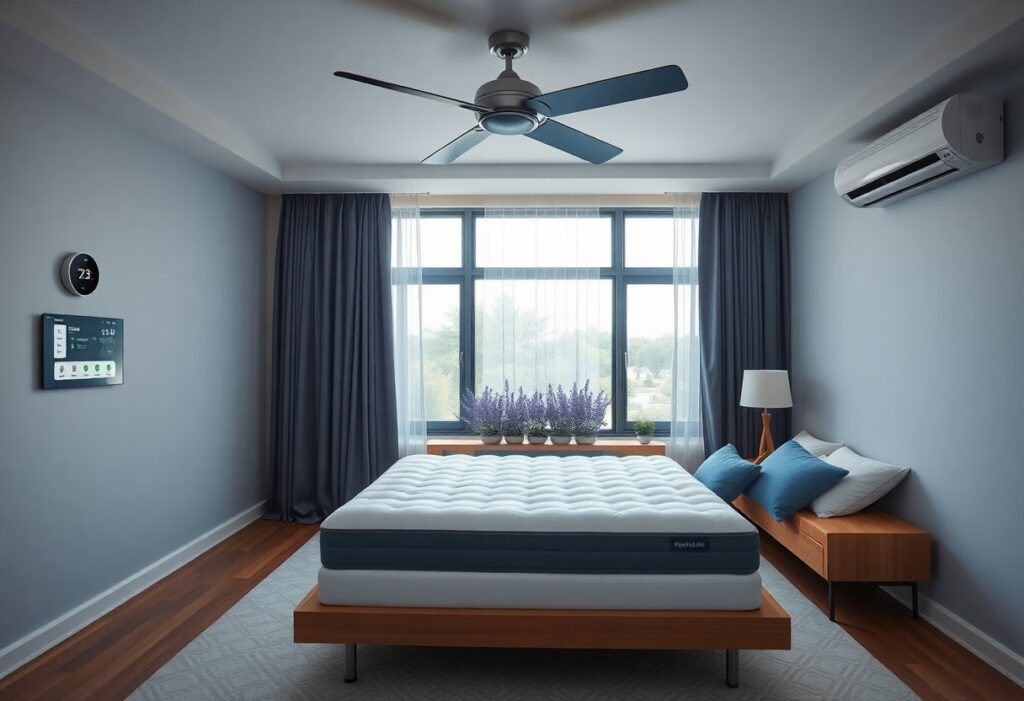
With a few thoughtful adjustments to your bedroom, you can significantly enhance your breathing and experience deeper, more restorative sleep. Creating an environment that promotes relaxation and air quality can transform your nightly routine. Simple changes, like optimizing your mattress and bedding or incorporating plants, can greatly improve your overall well-being. By prioritizing your sleep space, you’re taking a proactive step towards healthier breathing and a more restful night, allowing you to wake up rejuvenated and ready for the day.
The Importance of a Breathable Bedroom Environment
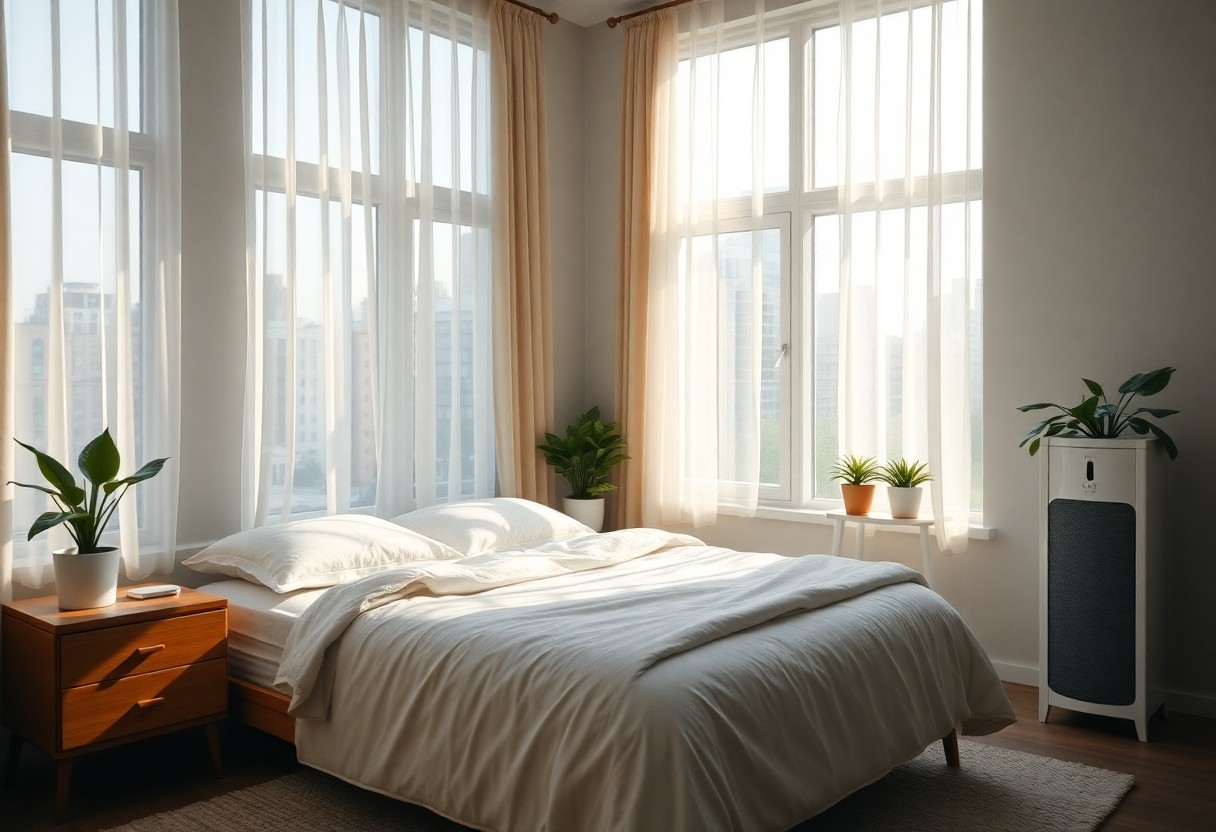
Your bedroom plays a significant role in enhancing your sleep quality, particularly when it comes to a breathable environment. A well-ventilated space helps regulate temperature and humidity, preventing discomfort that could disrupt your rest. By prioritizing airflow and using the right materials, you can create a sanctuary that supports deep, rejuvenating sleep.
Choosing the Right Bedding Materials
Selecting breathable bedding materials is important for a comfortable sleep experience. Opt for natural fibers like cotton, linen, or bamboo, as they allow better air circulation and moisture-wicking properties. These materials not only keep you cool but also reduce allergens, enhancing your overall well-being while you sleep.
Understanding Air Quality and Circulation
Good air quality and circulation are vital for a restful night’s sleep. Poor air quality can lead to breathing issues, allergies, and sleep disturbances. Ensure your bedroom has adequate ventilation to promote airflow, which helps remove stale air and introduces fresh, clean air. You can also utilize air purifiers or houseplants to improve indoor air quality even further.
Improving air circulation can significantly impact your sleep and health. Aim for a balance in humidity levels, ideally between 30% to 50%, to prevent mold growth and dust mites. Consider using ceiling fans or oscillating fans to maintain airflow, ensuring you feel comfortable without getting too hot or cold. Regularly changing your bedding and keeping the room clean also contribute to better air quality, promoting a healthier sleep environment.
Optimizing Your Sleep Space
Creating a sleep sanctuary is necessary for achieving restful nights. Begin by evaluating your sleep environment and making adjustments that prioritize comfort and relaxation. Key elements include sufficient airflow, appropriate lighting, and thoughtful decor that promotes tranquility. You can explore more about How aesthetic choices can enhance sleep in The Science of Sleep Meets the Art of Design.
Decluttering for a Peaceful Atmosphere
A clutter-free environment is vital for mental clarity and relaxation. Start by removing unnecessary items from your bedroom, focusing on surfaces and hidden corners. This not only helps you maintain a cleaner space but also reduces distractions that can hinder sleep. Keeping your bedroom organized allows your mind to unwind, setting the stage for a peaceful night.
The Right Furniture Arrangement for Comfort
Arranging your furniture for maximum comfort involves considering accessibility and flow. Place your bed in a way that it is easily approachable, while allowing space for movement around the room. Additionally, positioning nightstands within reach can enhance convenience, particularly for items like water or reading materials, contributing to a more restful experience.
Effective furniture arrangement not only promotes comfort but also enhances your overall sleep quality. Aim to position your bed against a solid wall, which provides a sense of security. Ensure there is adequate space on either side for easy access and movement. Consider the placement of lamps and decor to avoid obstructing light and airflow, creating a soothing environment conducive to sleep. By thoughtfully positioning your items, you reinforce a sense of calmness and comfort that significantly impacts your restfulness at night.
Natural Aromatherapy for Better Sleep
Utilizing natural aromatherapy can significantly enhance your sleep environment. Incorporating soothing scents into your bedtime routine not only relaxes your mind but also promotes deeper, more restorative sleep. This gentle approach to enhancing your bedroom atmosphere encourages not only relaxation but also aids in balancing your mood, allowing for a smoother transition into slumber.
Essential Oils That Promote Relaxation
Some necessary oils are particularly effective for relaxation. Lavender is renowned for its calming properties, known to decrease anxiety and improve sleep quality. Chamomile oil can help you unwind, while Bergamot offers a refreshing citrus scent that alleviates stress. Just a few drops in a diffuser or on your pillow can transform your sleep experience.
Incorporating Plants for Clean Air
Introducing houseplants into your bedroom not only beautifies your space but also enhances air quality. Plants like the Pothos or Spider Plant filter toxins and release oxygen, creating a rejuvenating atmosphere conducive to sleep. Their presence encourages a sense of calm and well-being.
Incorporating plants like the Peace Lily can provide even more benefits. This plant is particularly effective at removing harmful pollutants such as formaldehyde and benzene from the air, making it an excellent choice for a healthier sleeping environment. Additionally, certain plants like Lavender can emit soothing scents that further enhance relaxation. Keeping a few strategically placed greenery in your bedroom not only purifies the air but also contributes to a tranquil ambiance, promoting deeper and healthier sleep.
Temperature Control for Ideal Sleep
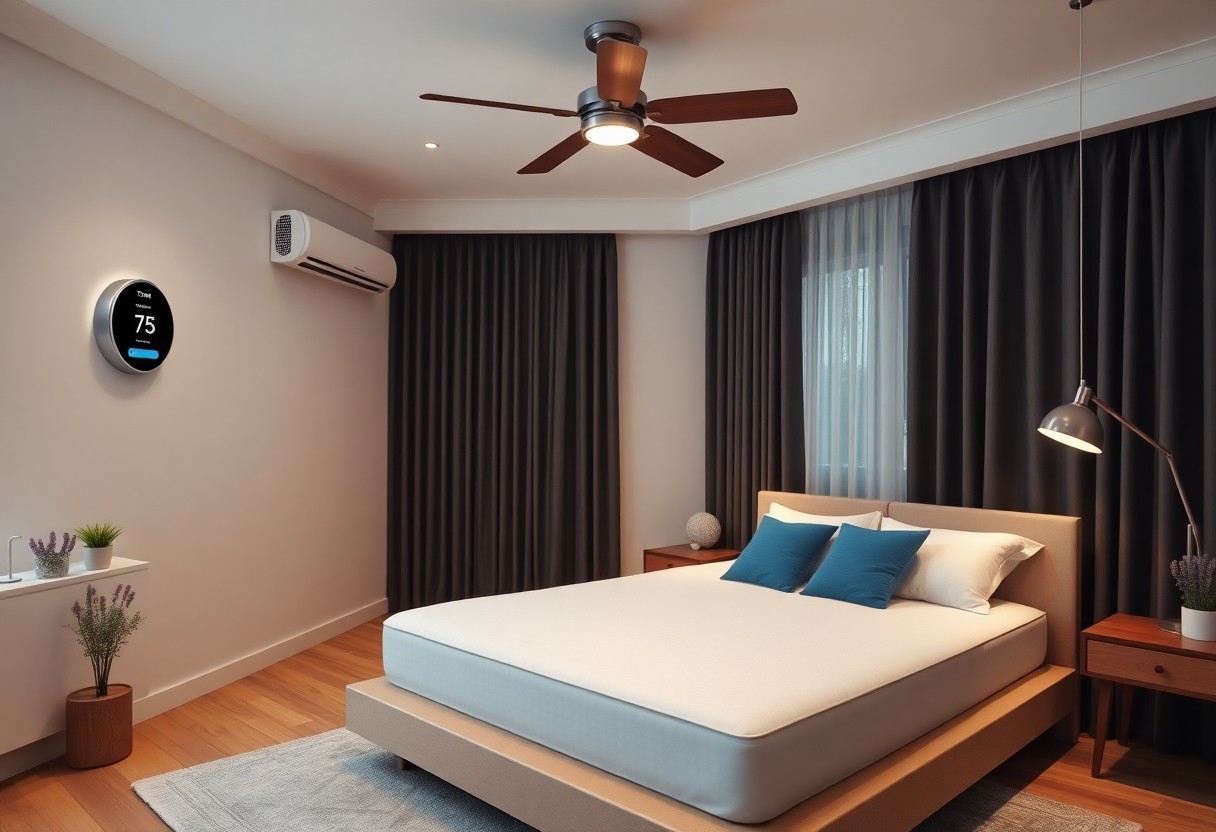
A cool, comfortable environment is important for optimal sleep. The ideal bedroom temperature for most people is between 60 to 67 degrees Fahrenheit. This range promotes relaxation, making it easier for you to fall asleep and stay asleep throughout the night.
Finding Your Perfect Sleep Temperature
| Benefits of Lower Temperatures | Promotes deeper sleep and quicker onset of sleep. |
| Signs of Overheating | Restlessness, night sweats, and frequent awakenings. |
Finding your ideal sleep temperature can be a personal journey. By experimenting within the 60 to 67 degrees Fahrenheit range, you can determine what feels most comfortable for you. Consider adjusting the thermostat to lower temperatures when it’s time to sleep, and monitor how you feel night after night.
Effective Air Conditioning and Heating Solutions
| Smart Thermostats | Automatically adjust temperature based on your sleep patterns. |
| Air Purifiers | Help maintain clean air and regulate humidity. |
Effective air conditioning and heating solutions significantly impact your sleep quality. Invest in a smart thermostat that learns your schedule and adjusts temperatures for optimal comfort. Air purifiers not only contribute to a breathable environment but can also control humidity levels, further ensuring you sleep soundly through the night. Consider ceiling fans for additional airflow, and use breathable bedding materials to enhance your sleeping experience.
Light Control and Its Impact on Sleep
Controlling light exposure in your bedroom can significantly enhance your sleep experience. Dim lighting signals your body to prepare for rest, promoting the production of the sleep hormone melatonin. A darkened room also helps you achieve deeper sleep stages, important for restorative rest. By minimizing light disturbances, you can create an environment conducive to a good night’s sleep.
The Role of Natural Light in Sleep Quality
Your body follows a natural circadian rhythm, and exposure to natural light plays a key role in regulating this cycle. Morning sunlight helps reset your internal clock, improving alertness during the day and making it easier to wind down at night. Try to open your curtains upon waking to welcome natural light, as it enhances your mood and energy levels.
Effective Nighttime Lighting Solutions
To create a sleep-friendly atmosphere, consider using soft, warm lighting in the evening. Install dimmer switches to adjust brightness and use blackout curtains to block external light. Additionally, opt for lamps with low-wattage bulbs or physical light sources like salt lamps that offer a gentle glow. Night lights should emit a warm hue rather than bright white, allowing a smooth transition to sleep.
Incorporating effective nighttime lighting solutions is important for optimal sleep quality. Start by utilizing layered lighting that balances functionality and ambiance. Use task lighting for specific tasks, but aim for adjustable options to minimize brightness in the evening. Investing in smart bulbs can allow you to control light intensity and color temperature from your phone, ensuring that your space aligns with your sleep needs. Such measures can greatly reduce circadian disruption, fostering a peaceful environment for rejuvenation.
Noise Management for a Peaceful Night
Managing noise in your bedroom can significantly enhance your sleep quality. Reducing disruptive sounds allows you to achieve deeper, more restorative rest. As you focus on creating a tranquil environment, consider the elements within and around your space that contribute to unwanted noise. Your sleep sanctuary should prioritize serenity, enabling you to drift off without interruptions.
Identifying and Reducing Disturbing Sounds
Start by pinpointing the sources of noise that wake you up or keep you from falling asleep. Common culprits may include traffic, neighbors, or household appliances. To combat these nuisances, soundproof your room with thick curtains, weather stripping, or acoustic panels. Regularly check for any gaps in doors and windows that may let sound in and block them effectively.
Creating a White Noise Environment
White noise can be a powerful ally for better sleep. By masking background disturbances, it creates a consistent auditory environment that helps your mind relax. You might choose a white noise machine, smartphone app, or even a fan to generate soothing sounds. A study found that individuals sleeping in white noise environments reported 25% less wakefulness compared to those in quiet settings.
When implementing white noise, aim for a sound level around 50-60 decibels, similar to the hum of a refrigerator. This range is effective in masking sudden noises that might disrupt your sleep while remaining soft enough not to be intrusive. You can also explore various types of white noise, such as nature sounds or gentle rain, to determine which works best for you. Experiment with different sounds until you find one that you find calming, allowing for a consistently peaceful night’s rest.
Summing up
From above, it’s clear that creating a bedroom setup focused on better breathing can significantly enhance your sleep quality. By optimizing your environment—such as controlling allergens, maintaining suitable humidity, and choosing the right bedding—you pave the way for more restful nights. Incorporating natural sleep solutions like calming scents or natural light can further support your journey to a rejuvenating sleep experience. Prioritizing these aspects will help you wake up refreshed and ready to tackle the day.
FAQ
Q: How can I arrange my bedroom to improve air quality for better sleep?
A: To improve air quality, keep windows open for ventilation, use air purifiers, and incorporate houseplants that naturally filter air, such as snake plants and peace lilies. Ensure that your bedroom is free from dust by regularly cleaning surfaces and bedding.
Q: What type of bedding materials can promote better breathing during sleep?
A: Opt for breathable natural materials like cotton, linen, or bamboo for bedding. These fabrics allow for better airflow and moisture-wicking, helping to maintain a comfortable sleeping environment.
Q: Are there specific sleep positions that enhance breathing during the night?
A: Sleeping on your side can help open the airways and improve breathing. Consider using a supportive pillow that keeps your head slightly elevated, as this can also reduce snoring and enhance airflow.

Medical Disclaimer
This article is for informational purposes only and is not a substitute for professional medical advice, diagnosis, or treatment. Always consult a qualified healthcare provider before starting, stopping, or changing any treatment, especially if you are pregnant, nursing, have a medical condition, or are taking medications. Never disregard professional medical advice or delay seeking it because of something you have read here. If you experience severe symptoms, allergic reactions, or think you may have a medical emergency, seek immediate care.
