
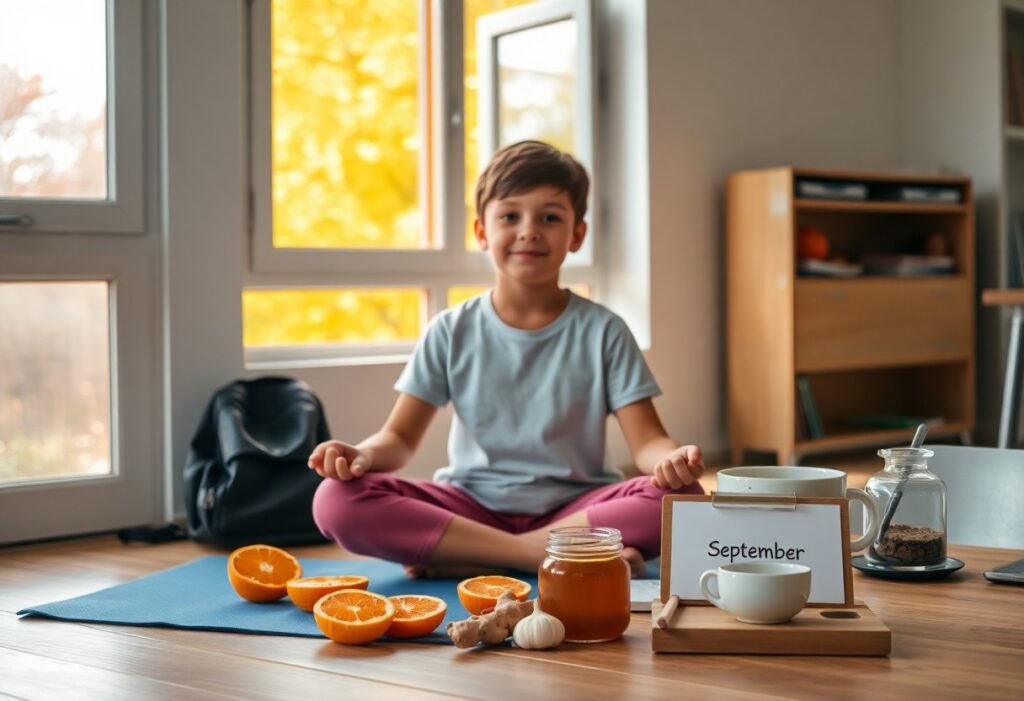
Over the summer you relaxed, and now you can prepare for September with simple breathwork and habits to strengthen your defenses: daily deep-breath exercises, balanced meals rich in vitamin C and zinc, adequate sleep, and hand hygiene. Use breath-focused breaks to lower stress and support immunity; avoid crowded sickrooms and watch for fever or persistent cough as signs to seek care. These small steps help you enter the school season feeling calmer and more resilient.
Why Natural Immunity Matters
When classrooms fill, your body’s baseline defenses determine how often you, and the kids in your care, skip school; school-age children typically get 6-8 colds per year, driving missed days and transmission. Strengthening innate barriers, sleep, and nutrition lowers that burden: handwashing cuts respiratory illness by about 16-21%, and better vitamin D status correlates with fewer infections. Prioritizing these measures reduces outbreak risk and yields less missed school and healthier classrooms.
Understanding the Immune System
Your immune system splits into two complementary arms: the innate response (neutrophils, macrophages, NK cells) acts within minutes-hours to block invaders, while the adaptive arm (T and B cells) builds targeted defenses and memory over days (often 3-7 days). Vaccination and prior exposure train memory B and T cells to respond faster, and maintaining mucosal barriers-saliva, nasal mucus-helps the innate system blunt exposure before the adaptive response ramps up.
The Role of Nutrition
Specific nutrients directly support immune cells and barriers: vitamin D influences antimicrobial peptide production, vitamin C supports neutrophil function, zinc aids barrier integrity and antiviral responses, and adequate protein supplies amino acids for antibody synthesis. Deficiencies in these nutrients markedly increase infection susceptibility, so targeted dietary choices or supplementation when levels are low offer measurable benefits for infection resistance.
Clinical evidence shows real effects: a BMJ meta-analysis (25 RCTs, ~11,000 participants) found vitamin D supplementation reduced acute respiratory infections overall (OR ~0.88), with up to 70% protection in severely deficient people given daily/weekly dosing. Zinc lozenges, started within 24 hours, can shorten colds by roughly 30%, and regular vitamin C (≈1 g/day) shortens cold duration modestly (~8% in adults). Pair these with 7-9 hours of sleep and probiotic strains proven in trials to cut URTI incidence for the best results.
Top Natural Immunity Boosters
Prioritize a handful of targeted supports you can use daily: Vitamin D, Vitamin C, zinc, probiotics, sleep and hydration. For example, maintaining Vitamin D at 1,000-2,000 IU/day can correct common deficiencies linked to respiratory risk, while Vitamin C 200-500 mg/day supports antioxidant defenses. Zinc lozenges (10-25 mg at onset) may shorten colds, but keep total zinc 40 mg/day to avoid toxicity.
Vitamins and Minerals
Start with a baseline blood check if possible, then aim for Vitamin D at 1,000-2,000 IU/day and Vitamin C 200-500 mg/day; these levels support immune signaling and antioxidant capacity. You should include zinc (adults ~8-11 mg/day) and iron if deficient, because deficiencies blunt immune response. Multivitamins can fill gaps, but avoid excess fat-soluble vitamins-too much vitamin A or D can be harmful.
Herbal Remedies
Echinacea, elderberry, andrographis and garlic offer evidence for shortening cold duration by about 1-2 days in some trials; you can use syrups or standardized extracts at first symptoms. Choose products with third-party testing and note that herbs can interact with medications, so check interactions before giving to children or combining with prescription drugs.
When you pick herbs, prefer standardized extracts (e.g., elderberry extract, echinacea angustifolia) and follow label dosing; tinctures, capsules, and syrups deliver different concentrations. Avoid raw elderberries and large doses of immune-stimulating herbs if you or your child are immunocompromised or on autoimmune treatments. If pregnant, breastfeeding, or on anticoagulants, consult your clinician-some herbs (like high-dose garlic or ginkgo) increase bleeding risk.
Delicious Recipes to Try
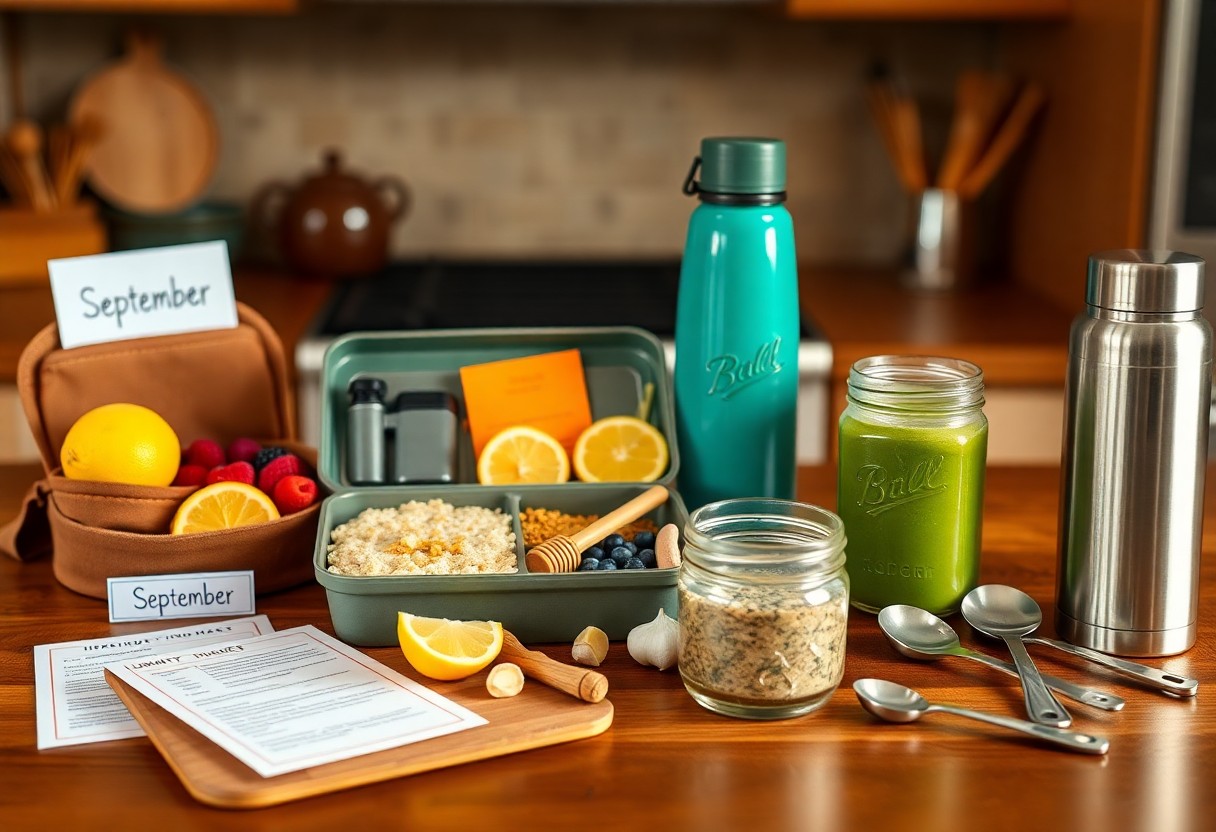
You can try simple, nutrient-dense recipes that pair Vitamin C-packed citrus and probiotic-rich yogurt: think a citrus-ginger smoothie, a berry-yogurt parfait, or turmeric-roasted chickpeas. Use the guide at Nurturing Back-to-School Immunity: A Naturopathic Guide … for measurements and schedules; one orange gives about 70 mg vitamin C and pumpkin seeds supply roughly 2 mg zinc per ounce, so small swaps boost your defenses quickly.
Smoothies for Immune Health
You can blend 1 cup plain yogurt (1-10 billion CFU), ½ banana, ½ cup berries, a handful of spinach, and 1 tsp grated ginger for a 300-350 kcal snack rich in probiotics, fiber and polyphenols; add 1 tbsp chia for omega-3s and 2-3 ice cubes. By using whole fruit you cut added sugars, and some trials show regular probiotic intake can reduce upper respiratory infections by about 30%.
Immunity-Boosting Snacks
You’ll snack smart with roasted turmeric chickpeas, pumpkin-seed trail mix, or citrus-yogurt parfaits that fit lunchboxes; a half-cup of chickpeas gives ~7 g protein, and pumpkin seeds add zinc and magnesium. Pack single-serve portions (≈1 oz seeds, ½ cup chickpeas) to control calories and avoid excess sugars from dried fruit while keeping immune nutrients front and center.
You can make a quick batch by draining a 15 oz can of chickpeas, tossing them with 1 tbsp olive oil, 1 tsp turmeric and ½ tsp salt, then roasting at 400°F for 25-30 minutes until crunchy; this yields about six servings with ~7 g protein per ½-cup. Store in an airtight container up to 5 days and label for school; if nuts are banned, swap almonds for seeds to keep your snacks safe and nutrient-dense.
Tips for a Healthy Routine
Set predictable rhythms so your body expects sleep, meals, and movement.
- Keep steady bed/wake times; aim for sleep 7-9 hrs (adult), 8-10 hrs (teens).
- Pack lunches with Vitamin C, probiotics, and zinc-rich snacks to support daily defense.
- Get 10-20 minutes of morning sun for Vitamin D on bare skin when possible.
- Wash hands, ventilate rooms, and limit close contact when anyone shows symptoms.
- Carry water and prioritize hydration to keep mucosal barriers working.
Perceiving a fever above 38°C or persistent breathing changes lets you act early and protect others.
Importance of Sleep
Sleep boosts immune memory and reduces inflammation; you should aim for 7-9 hours if you’re an adult and 8-10 hours for teens. Consistent sleep schedules improve vaccine responses and can lower school illness days by up to 20% in some studies. Dim screens an hour before bed and keep your room cool and dark to maximize melatonin and mucosal defense.
Staying Hydrated
Hydration keeps mucous membranes moist and helps clear pathogens; you should target about 2-3 liters daily for active teens/adults, more with heavy activity. Sip regularly instead of gulping, use electrolyte drinks after intense sweating, and watch urine color as a quick hydration cue.
Drink 250-500 ml about 30 minutes before exercise and 150-250 ml every 15-20 minutes during long activity; choose water, herbal tea, or milk and limit sugary sodas. If you or your child has vomiting or fever, use oral rehydration solutions and watch for dehydration signs like low urine output, dry mouth, or lethargy-seek care if these appear.
Mindful Practices for Well-being
Build short habits that stack: a 5-10 minute morning breathing session, a 10-minute midday walk, and a consistent bedtime to get 7-9 hours of sleep. You’ll reduce tension and support immunity by pacing your day, limiting screens 60 minutes before bed, and scheduling brief check-ins-these small, repeated actions produce measurable benefits for focus and illness resistance over weeks.
Breathing Exercises
Try specific, timed techniques: box breathing (inhale 4s, hold 4s, exhale 4s, hold 4s), the 4‑7‑8 pattern (inhale 4s, hold 7s, exhale 8s), or paced breathing near 4.5-6 breaths/min to boost heart-rate variability; practice 5-10 minutes twice daily. If you feel lightheaded, tingling, or severe shortness of breath, stop and seek guidance-consult a clinician if you have lung or cardiac conditions.
Stress Management Techniques
Use a mix of tools: a 10‑minute “worry window,” progressive muscle relaxation (tense 5-10s per group then release), cognitive reframing prompts, and microbreaks of 3-5 minutes each hour. Add exercise-30 minutes, 3-5× per week-and set one digital-free hour before bed to lower arousal and support immune function.
To implement, schedule the worry window midafternoon so anxious thoughts don’t spill into homework time; for progressive relaxation, follow a 10-12 minute script that moves from feet to face, holding tension for 5-10 seconds then releasing. You can combine strategies-take three deep paced breaths before reframing a negative thought, or follow a brisk 10‑minute walk with a 5‑minute breathing set. If stress triggers panic, chest pain, fainting, or severe breathlessness, get immediate medical help-stop the technique and seek care.
Planning for a Successful School Year
Map out routines that make weekdays predictable: schedule a 15-minute nightly check-in, a 30-minute Sunday meal-prep session, and set a consistent bedtime so you and the kids hit 8-9 hours of sleep. Assemble a labeled, grab-and-go immunity kit (hand sanitizer, zinc lozenges, probiotic snacks) and track attendance with a simple calendar-aim to limit sick-day spikes by prioritizing hydration, sleep, and one weekly family check-in.
Setting Realistic Goals
Break big intentions into specific, short-term targets: start with a 10-minute morning breathing habit for 21 consecutive days, limit evening screens to 60 minutes, and choose no more than two extracurriculars per child this term. Use a sticker chart or calendar app to measure progress weekly, review monthly, and adjust expectations if sleep or mood dips to keep goals achievable and stress low.
Engaging with Community Resources
Tap local supports like the PTA, school nurse, library programs, and county health clinics-many host September flu clinics and Back-to-school events. Join your school’s Facebook group, subscribe to the district newsletter, and ask the front office for a resource list so you can quickly find immunization drives, after-school tutoring, and low-cost wellness services.
Start by emailing the front office for PTA contact info and the school nurse’s schedule, then call the county health department or check its website for clinic dates; many lists post weekly updates. Volunteer a single 1-2 hour shift at a school event to meet parents, set up a shared Google Sheet for carpools (6 families works well), and bookmark the library’s calendar for free homework help and kids’ wellness workshops.
Summing up
The return to school routines lets you pair simple breathing exercises with good sleep, balanced meals, hydration, and hand hygiene to gently boost your child’s natural immunity; these small, consistent habits help keep you calm, energized, and better able to support learning and wellness throughout September.
FAQ
Q: What is “breathing prep” for back-to-school and how can it support natural immunity in September?
A: Breathing prep is a short, regular set of breathing exercises done to reduce stress, improve lung function, and support overall respiratory resilience as schools reopen and viral exposures rise. Techniques like diaphragmatic breathing (slow belly breaths), box breathing (inhale 4s – hold 4s – exhale 4s – hold 4s) or gentle paced breathing (inhale 4s – exhale 6s) increase oxygenation, calm the nervous system, and can reduce inflammation-related responses. Doing 3-5 minutes of structured breathing once or twice daily-morning and before sleep, and briefly before school or after recess-helps children and adults manage anxiety and maintain clearer breathing patterns that support natural defense mechanisms.
Q: Which natural immunity boosters are safe and practical for children and families in September?
A: Focus on everyday habits shown to support immune function: consistent sleep (age-appropriate hours), balanced meals rich in fruits, vegetables, lean protein, and whole grains, regular physical activity and outdoor time for natural vitamin D exposure, and adequate hydration. Include vitamin C-rich foods (citrus, berries, bell peppers), zinc sources (beans, nuts, seeds, lean meats), and probiotic foods (yogurt, kefir, fermented vegetables) as part of meals. For additional supplementation (vitamin D or a multivitamin), consult your pediatrician before starting. Good hand hygiene, well-ventilated classrooms, and managing chronic conditions (asthma, allergies) also support resilience without relying on medications.
Q: How can breathing exercises and immunity habits be integrated into a busy school routine?
A: Build short, repeatable practices into existing transitions: 2-3 minutes of breathing while packing backpacks or at the breakfast table, a quick breathing reset before getting out of the car or after arriving at school, and a calming session before bedtime. Pair breathing with other habits-drink a glass of water after a session, add a fruit or yogurt to lunch, or schedule a 20-30 minute outdoor play period after school. Use simple prompts (alarm, a sticker on the lunchbox, a family calendar) to make the practice consistent. If a child has breathing difficulties or medical issues, coordinate with their healthcare provider and school nurse for a safe, individualized plan.

Medical Disclaimer
This article is for informational purposes only and is not a substitute for professional medical advice, diagnosis, or treatment. Always consult a qualified healthcare provider before starting, stopping, or changing any treatment, especially if you are pregnant, nursing, have a medical condition, or are taking medications. Never disregard professional medical advice or delay seeking it because of something you have read here. If you experience severe symptoms, allergic reactions, or think you may have a medical emergency, seek immediate care.
