

Chest rubs can ease congestion when you apply them correctly and safely. You should use gentle, circular motions on your upper chest and throat, avoid broken skin, wash your hands afterward, and keep products away from your eyes and children; follow label directions and test a small area first. “Breathe easier” as you inhale slowly and place a cool mist humidifier nearby for added relief.
Understanding Chest Rub
What is Chest Rub?
Chest rubs are topical ointments containing menthol, camphor and eucalyptus oil that you apply to your chest and throat to produce cooling vapors and mild sensory stimulation. Menthol activates TRPM8 receptors, creating a perceived airway opening within minutes. Common OTC examples include Vicks VapoRub; labels advise against use on children under 2.
Benefits of Using Chest Rub
You often notice clearer breathing and reduced cough, plus better sleep the night you use a rub; many users report feeling relief within 10–20 minutes. It can also ease chest muscle soreness after coughing. “I could breathe easier within minutes,” is a common user comment, and evidence shows topical vapors provide symptomatic relief even when objective airflow measures change little.
Beyond short-term symptom relief, you gain multi-mechanism effects: menthol’s cooling, camphor’s mild analgesic and anti-tussive action, and eucalyptus’s aromatic expectorant properties. Apply a coin-sized amount and rub for about 30 seconds so the oils vaporize; using at bedtime often reduces nocturnal cough frequency. Avoid use on broken skin, keep out of reach of children under 2, and consult a clinician if symptoms last more than 7 days.
Choosing the Right Chest Rub
Types of Chest Rubs
You’ll find several formats: traditional ointments, plant-based balms, oil blends, lighter lotions, and sprays. Ointments (petrolatum base) hold menthol 2–10% and camphor up to 11% for long-lasting vapor; balms use beeswax or shea for gentler application; sprays give quick coverage for adults. Clinical reports show topical menthol can reduce cough sensation and improve perceived airflow in adults within 30–60 minutes.
| Ointment (petrolatum) | Long-lasting vapor release; menthol 2–10%, camphor ≤11%; avoid in infants under 2. |
| Balm (beeswax/shea) | Smoother texture, better for sensitive skin; often lower camphor, plant oils added. |
| Oil blend | Concentrated necessary oils (eucalyptus, peppermint); dilute before use on large areas or kids. |
| Lotion | Light, non-greasy; quick absorption but shorter duration of vapor effect. |
| Spray | Fast application for adults; variable concentrations—check label for menthol/camphor percentages. |
- Check ingredient concentrations (menthol 2–10% commonly) and age warnings on the label.
- Prefer fragrance-free or hypoallergenic bases if you have eczema or sensitive skin.
- Avoid products with high camphor if you’re treating toddlers; consult pediatric guidance for children under 2 years.
- This helps you match product type to symptoms, skin sensitivity, and age safety.
Ingredients to Look For
You should prioritize menthol, camphor, and eucalyptus (1,8‑cineole) because they deliver cooling sensations and vapors that ease perceived congestion; menthol concentrations typically range 2–10%, camphor up to 11%, and eucalyptus oils about 1–5% in formulations. If you have sensitive skin, seek a balm with fewer allergens and avoid necessary-oil concentrates on infants.
Menthol works by activating TRPM8 cold receptors to reduce cough sensitivity; camphor adds mild topical analgesia but is toxic if ingested and not advised for children under 2. Eucalyptus’s 1,8‑cineole has shown symptom benefit in some adult bronchitis trials. Choose lower concentrations for older adults or those with reactive airways, and patch-test new products on a small skin area first.
Preparing for Application
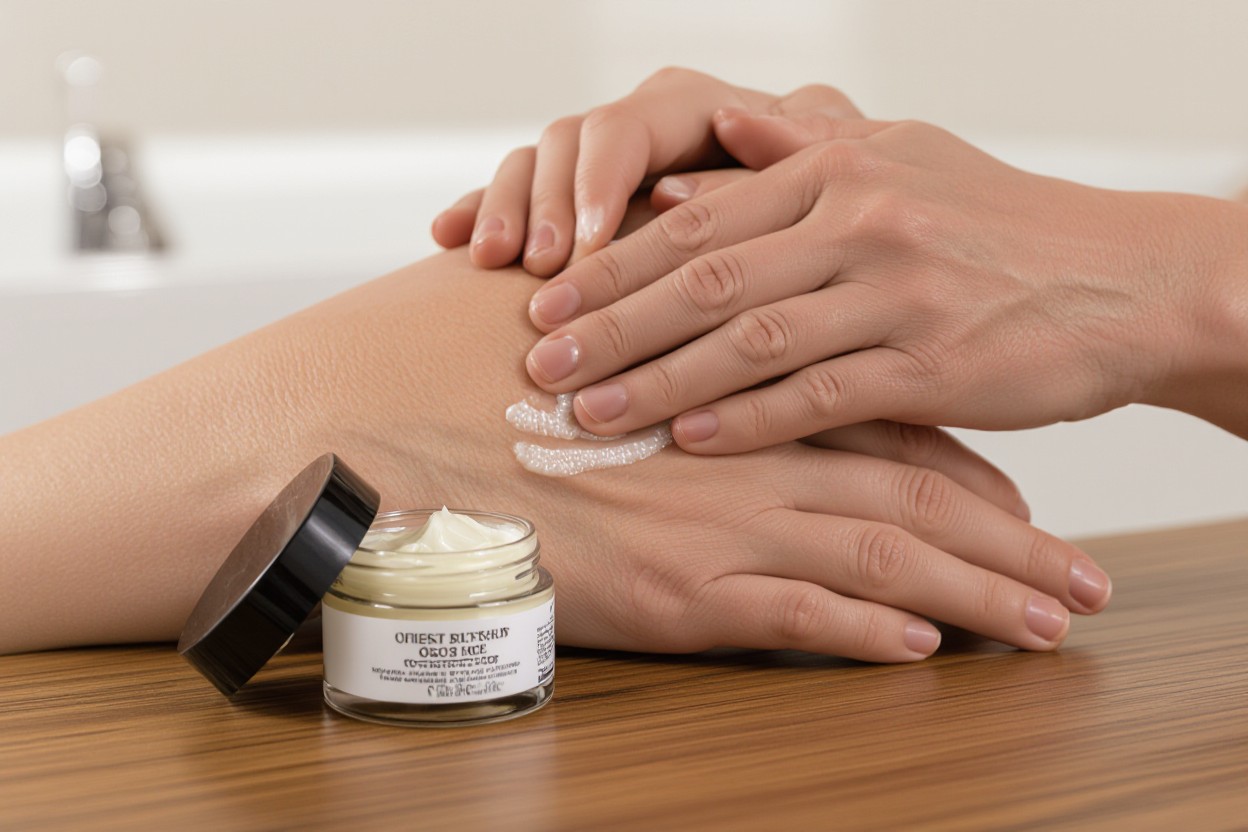
Before you apply the rub, clear a flat surface and wash your hands; plan a 10–30 minute window with minimal activity. Choose clothing that allows direct skin contact on the chest, and check the product label for age limits and dosage—many formulations advise against use under 2 years and recommend a pea-sized amount for adults. Keep water and tissues nearby in case of irritation.
Gathering Your Supplies
Grab your chest rub (menthol/eucalyptus/camphor blend), a soft towel, tissues, and a small measuring spoon; most jars recommend a pea-sized amount (about 0.5–1 g) per application. Bring a timer (5–10 minutes for initial absorption), a humidifier or bowl of hot water for steam if you use one, and an unscented moisturizer or barrier cream if your skin is sensitive. Also have a clean shirt and access to a thermometer if fever is present.
Creating a Comfortable Environment
Set the room to a comfortable 20–22°C and aim for 40–60% humidity; lower congestion perception improves in warm, moist air. Dim the lights and reduce noise so you can sit or lie down for 10–30 minutes after application. Keep a bowl of warm water or a cool-mist humidifier within reach, and position pillows to support an upright or slightly elevated posture if you have sinus pressure.
For added effect, run a humidifier at 40–50% for 15–20 minutes before applying the rub; clinical reports and patient surveys often link humidified air with faster perceived relief. Play soft, low-frequency sounds (under 60 dB) to lower stress, and use a warm compress (38–42°C) over the chest for 3–5 minutes beforehand to open skin pores. As one simple line puts it, “warmth and calm help you breathe easier.”
How to Apply Chest Rub Correctly
You should warm a pea-sized amount between your palms, then gently rub it onto the center of your chest and upper back for about 30–60 seconds; avoid the throat and broken skin. Apply up to three times in 24 hours with 6–8 hour spacing, and follow product age limits (many brands advise against use under 2 years and recommend smaller amounts for ages 2–5).
Step-by-Step Application Guide
Move through five clear steps: check the label for age and restrictions, wash your hands, measure a pea-sized dose, warm and rub in gentle circular motions, then monitor for irritation for 10–15 minutes. Stop if redness or burning appears and consult a clinician for severe symptoms.
Step-by-Step at a glance
| Step | Action & Tip |
|---|---|
| 1. Check | Read label for age limits, ingredients, and maximum daily uses. |
| 2. Prep | Wash hands and ensure skin is dry; avoid open wounds. |
| 3. Dose | Use a pea-sized amount (about 0.25–0.5 g) for adults; less for young children per label. |
| 4. Apply | Rub onto chest and upper back for 30–60 seconds; do not apply near eyes or nostrils. |
| 5. Monitor | Wait 10–15 minutes to check for irritation; reapply after 6–8 hours if needed (max 3/day). |
Tips for Effective Use
You can boost effectiveness by applying in a ventilated room and keeping clothing loose so vapors disperse; combine one application with 5–10 minutes of steam inhalation to help vapors reach nasal passages. Limit to three applications per day, avoid occlusive dressings, and for children follow label dosing carefully. “A little rubbed in goes farther than a thick layer,” advised a respiratory therapist during clinic rounds.
- Do a patch test on your inner forearm and wait 10 minutes for any reaction.
- Try a single application before sleep to assess scent tolerance and breathing comfort.
- Use only age-appropriate formulations; many labels state “not for under 2 years.”
- Recognizing that strong menthol or eucalyptus scents can be irritating, reduce the amount at night.
You should note that product labels and manufacturers commonly recommend up to three applications daily and avoiding use on infants under 2; clinical guidance often emphasizes avoiding tight bandages or heating pads over the rub. If irritation develops within 24 hours, stop use and consult a healthcare provider; for persistent congestion lasting more than 7–10 days, seek medical advice.
- Keep chest rub out of reach of children and store at room temperature per label.
- Combine with other nonmedicated measures—humidifier, fluids, and rest—for better symptom relief.
- Apply less if you notice headache, dizziness, or skin burning.
- Recognizing that individual sensitivity varies, always start with a smaller dose to gauge tolerance.

Precautions and Considerations
Limit application to the chest and upper back and avoid mucous membranes; many manufacturers warn against use in children under 2 years. If you want tips beyond basic use, see 10 weird ways to use Vicks VapoRub | Guides. “Stop immediately if you feel burning or numbness.” Also avoid combining strong topical rubs with heat sources like hot water bottles to prevent burns.
When Not to Use Chest Rub
Avoid chest rubs on infants under 2 years, on open wounds, or if you have severe asthma triggered by strong scents; product labels commonly list these warnings. Don’t apply before sleep if you use supplemental oxygen or in the presence of a heating pad, and consult your clinician if you’re pregnant or breastfeeding before regular use.
Skin Sensitivities and Allergies
Perform a patch test: apply a pea-sized amount to your inner forearm and check for redness or itching over 24 hours. Ingredients like menthol, camphor, and eucalyptus commonly cause contact dermatitis in sensitive people, so stop use at the first sign of irritation.
If irritation occurs, wash the area with mild soap and cool water for 5–10 minutes, then apply a fragrance-free moisturizer; for persistent redness or itching beyond 48 hours consider an OTC 1% hydrocortisone cream for up to 7 days and see a clinician if symptoms worsen. Seek immediate care for swelling, blistering, or breathing difficulty. If needed, an allergist can perform patch testing to identify the specific culprit.
Additional Remedies for Congestion
Alongside a chest rub, you can use steam inhalation for 10 minutes twice daily, a cool-mist humidifier set to 40–50% humidity, and 0.9% saline nasal spray 2–3 times a day to thin mucus. Stay hydrated with 1.5–3 liters of fluids daily and try warm broths or teas to soothe airways. “If symptoms last more than 10 days or get worse, seek a clinician’s assessment,” clinicians often advise.
Complementary Home Remedies
You may find relief from menthol lozenges, a warm shower to mobilize secretions, and honey (one teaspoon for adults or children over 1 year) to reduce cough frequency; studies show honey can outperform no treatment for nocturnal cough. Also consider saline gargles for postnasal drip and alternating warm/cool compresses on the chest to ease discomfort.
When to Seek Professional Advice
Seek medical attention if you develop high fever (>39°C/102°F), persistent shortness of breath, chest pain, coughing up blood, oxygen saturation below ~92%, symptoms lasting over 10 days, or if you are an infant, elderly, pregnant, immunocompromised, or have chronic lung disease.
In clinic, providers will check vitals, use pulse oximetry (values <92% often prompt further workup), order chest X-rays if pneumonia is suspected, and may prescribe antibiotics, inhaled bronchodilators, or oral steroids for asthma exacerbations; early evaluation can prevent complications, especially when you have severe dyspnea, rapid heart rate, or confusion.
Summing up
As a reminder, to maximize congestion relief, warm a small amount of rub between your hands and gently massage over your chest and upper back in circular motions, avoid open wounds and keep it away from your eyes; use light pressure, cover with loose clothing or a towel, and reapply per product directions. “Breathe easy” is a good mantra to guide you as you care for your breathing.

Medical Disclaimer
This article is for informational purposes only and is not a substitute for professional medical advice, diagnosis, or treatment. Always consult a qualified healthcare provider before starting, stopping, or changing any treatment, especially if you are pregnant, nursing, have a medical condition, or are taking medications. Never disregard professional medical advice or delay seeking it because of something you have read here. If you experience severe symptoms, allergic reactions, or think you may have a medical emergency, seek immediate care.
