

Just one clear plan can help you respond calmly when your child struggles to breathe; this friendly, age-focused guide shows you How to spot warning signs, use safe home remedies, and find local care options so you can protect your child’s breathing in your community.
How to assess symptoms by age
Babies (0–12 months)
If your baby has fast breathing, tracheal tugging, poor feeding, or unusual pauses, act quickly and contact your pediatrician or local emergency services; infants can deteriorate fast and you should trust your instincts.
Toddlers (1–3 years)
Watch for noisy breathing, persistent coughing, high fever, or difficulty swallowing; if your toddler is blue around the lips or unusually lethargic, seek immediate care in your area.
Children (4–12 years)
In older kids, assess activity tolerance, speech ability, and wheeze sounds; if they can’t finish sentences, are breathing rapidly, or show chest retractions, get medical help promptly.
Safe home relief options
Humidification and saline
Use a cool-mist humidifier or a warm shower steam session to ease congestion, and saline nasal drops or sprays to clear nasal passages for babies and older children; clean devices daily to prevent mold.
Comfort and positioning
Keep infants upright during feeds, elevate the head of older children’s mattresses slightly, and encourage rest and fluids so your child’s airways stay moist and your household can support recovery.
Over-the-counter options
Use age-appropriate fever reducers as directed by your pediatrician; avoid cough medicines for young children unless advised by a clinician, and always follow label guidance for age limits.
When to seek medical care
Contact your local urgent care or emergency department if your child shows bluish lips, severe breathing effort, very high fever, poor responsiveness, or signs of dehydration; use local search terms like “pediatric urgent care near me” to find nearby options quickly.
Preventive tips for your household
Keep up with immunizations including flu and COVID vaccines as recommended, wash hands frequently, limit sick contact, and maintain clean indoor air with ventilation and filtered HVAC units to reduce respiratory illness spread in your community.
Resources and supplies
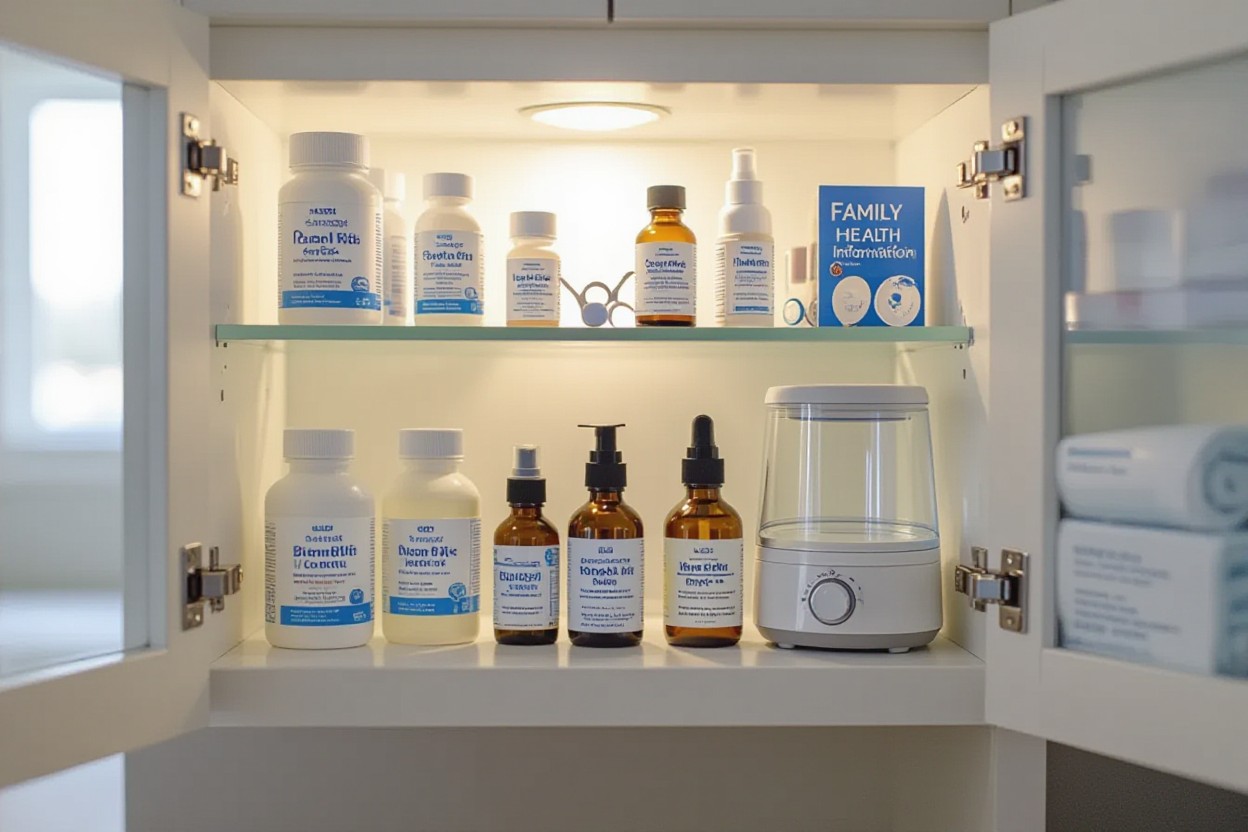
Build a small respiratory kit with a properly sized nasal aspirator for infants, a cool-mist humidifier, saline drops, and a digital thermometer; for commonly recommended products see product link for supplies available online.
Local care and next steps
Know your local pediatric urgent care hours and the nearest emergency department, store pediatrician contact details in your phone, and learn basic infant CPR through local classes so you can act confidently if breathing problems arise in your area.
Understanding respiratory issues in children
Young airways are narrow, so inflammation or mucus can cause big changes quickly; RSV is the leading cause of bronchiolitis and accounts for up to 80% of hospitalizations in infants, while asthma affects about 8% of children in the U.S. Viral peaks happen in winter, pollen seasons worsen allergies, and air quality events (wildfire smoke) spike symptoms regionally, so you should track local alerts and how symptoms change over 24–48 hours.
Common respiratory problems
Viral colds, bronchiolitis (typically under 2 years), croup (barky cough in 6–36 months), asthma, bacterial pneumonia, and allergic rhinitis are the usual culprits; for example, a 9‑month‑old with RSV may present with cough, wheeze, poor feeding and require oxygen support. Triggers include viral infections, exercise, cold air, and local pollution—knowing seasonal patterns in your city helps you anticipate flares and prepare quick‑relief plans.
Signs your child needs help
Urgent signs include very fast breathing—WHO thresholds: >60 breaths/min under 2 months, >50 at 2–12 months, >40 at 1–5 years, >30 over 5 years—along with retractions, nasal flaring, persistent blue or gray lips, difficulty feeding, decreased alertness, or fever ≥38°C in infants under 3 months; noisy or strained breathing that doesn’t improve and prolonged pauses in breathing warrant immediate evaluation.
If symptoms persist despite your usual quick‑relief measures (for example, continued wheeze after inhaled bronchodilator via a spacer), seek emergency care; call your pediatrician for worsening cough, rising work of breathing, or dehydration. Count respirations for 30 seconds to get an accurate rate, note onset and exposures (daycare, sick sibling), bring current medications and vaccination history to the clinic, and consider a spacer or nebulizer for drug delivery — a recommended device can help with proper inhaler use product.
Age-appropriate relief options
For each age group you should pick treatments matched to development: infants (0–2) benefit most from saline and suction, preschoolers (3–5) respond well to saline sprays, humidified air and honey (>1 year), and school-aged kids (6–12) can use spacer-assisted inhalers or prescribed nebulizer treatments. Keep home humidity around 30–50%, avoid OTC cough-and-cold meds for children under 4 per AAP guidance, and contact your pediatrician if symptoms worsen or fever rises above 102°F (39°C).
Infants and toddlers
For babies 0–2 years you’ll typically use saline nasal drops plus gentle suction with a bulb or recommended nasal aspirator to clear airways before feeds and sleep; hold feeds upright, run a cool-mist humidifier at 30–50% humidity, and avoid honey and over-the-counter cough medicines for infants under 1 year—follow weight-based dosing from your pediatrician for acetaminophen if needed.
Preschool and school-aged children
With kids 3–12 years you can add saline sprays, warm steam or hot-shower steam for short sessions, and honey (½–1 teaspoon) for coughs in children over 1 year; over-the-counter cough/cold medicines are not advised for those under 4, so for ages 4–12 follow label dosing and check with your pediatrician. Use a spacer with metered-dose inhalers for better delivery, and coordinate with your child’s school for medication authorization if needed.
For more detail: if your 7-year-old has wheeze, follow their asthma action plan—many plans advise 2 puffs from a rescue inhaler via spacer, wait a few minutes, then reassess and repeat as directed; seek urgent care if breathing fast, lips or face look blue, or they can’t speak full sentences. Also, track symptoms, limit intense activity during recovery, and keep follow-up with your pediatrician within 24–48 hours if symptoms persist or worsen.
Natural remedies for relief
Home remedies to try
You can start with saline nasal drops (0.9% solution) and gentle suction for infants, and encourage warm fluids and steam for older children; give honey (½–1 tsp) for coughs in kids over 1 year. Use a cool-mist humidifier set to 40–50% humidity—consider this recommended humidifier—and try chest-percussion and positioning to loosen secretions. Avoid menthol on infants and limit crucial oils near young children.
When to consult a doctor
You should seek medical care if your child shows fast breathing (WHO thresholds: >60 breaths/min under 2 months, >50 for 2–12 months, >40 for 1–5 years), persistent wheeze, nasal flaring, chest retractions, blue lips or face, oxygen saturation below about 92%, high fever ≥39°C (102.2°F), severe dehydration, or symptoms lasting more than 10–14 days.
At the clinic you can expect pulse oximetry, auscultation, and sometimes a chest X‑ray or viral testing; treatment may include nebulized bronchodilators, oral steroids for significant wheeze, or antibiotics only if bacterial infection is likely. If oxygen is needed or work of breathing is high, hospitals often admit children; telehealth can triage urgent needs quickly, especially in rural or suburban areas with limited immediate access.
When to seek professional help
If your child’s breathing worsens despite home care, call your pediatrician or seek urgent care—about 6 million U.S. children have asthma, and early action prevents ER visits. Seek help if symptoms persist beyond 24–48 hours, if a rescue inhaler doesn’t ease wheeze within 15–20 minutes, or if feeding and activity drop. For guidance on younger kids see Treating asthma in children under 5.
Recognizing serious symptoms
Watch for blue lips or face, severe chest retractions, inability to speak more than a few words, or oxygen saturation under 92% on a pulse oximeter—these signal emergency care. Also act if your child has a rapid rise in breathing effort, lethargy, or poor feeding in infants. If a prescribed bronchodilator gives no relief after two doses 15–20 minutes apart, go to the nearest ER or urgent care in your area.
Understanding medical treatments
You’ll likely see short-acting bronchodilators (albuterol) for immediate relief—onset is within 5–15 minutes—and oral steroids for exacerbations, often a 3–5 day course. Daily control commonly uses inhaled corticosteroids with a spacer for better delivery, and severe, uncontrolled cases may be referred for leukotriene modifiers or biologic injections. Your pediatrician will tailor choices by age, severity, and local guidelines.
In practice, using a metered-dose inhaler with a spacer and mask for toddlers cuts coordination problems and boosts lung delivery; nebulizers are useful in emergency settings. Ask your provider for a written action plan with clear stepwise thresholds (green/yellow/red zones), dosing, and when to escalate. If you need a spacer or mask for home use, purchase here.
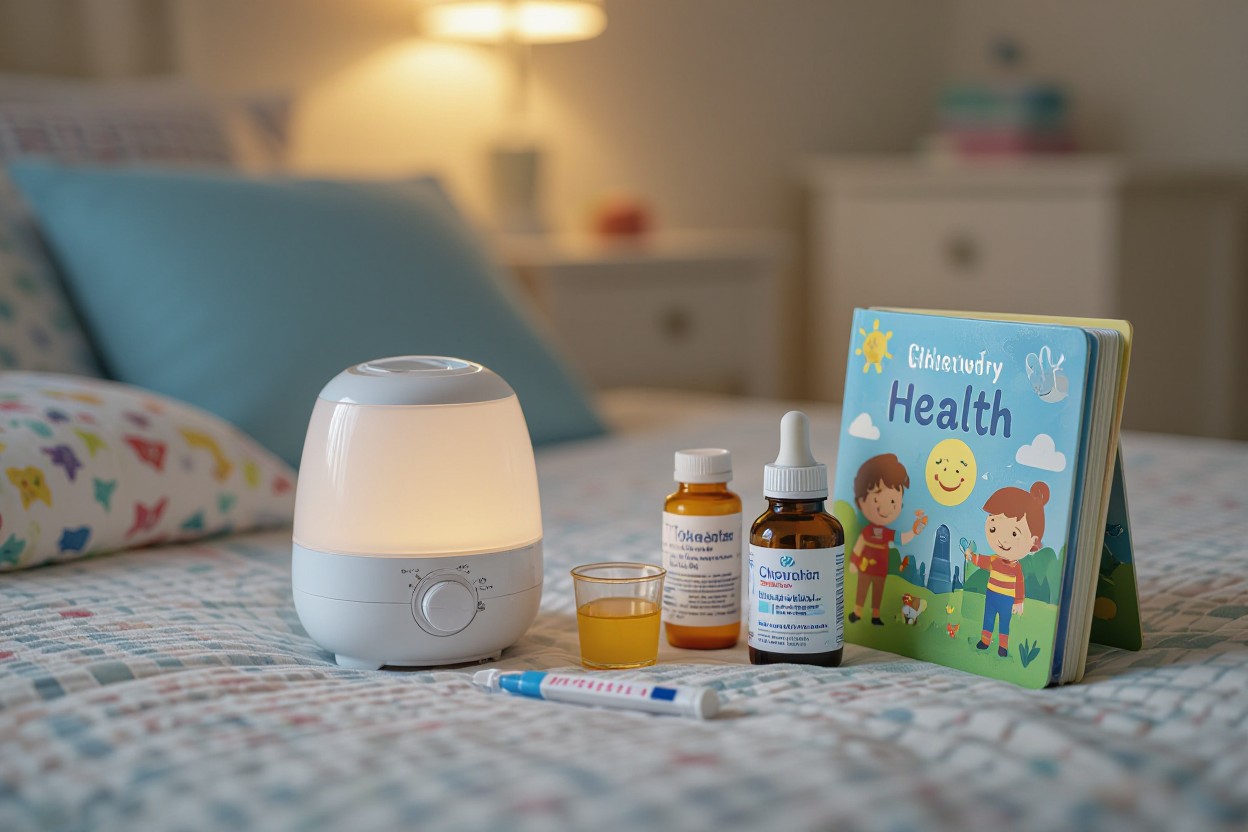
Tips for parents
Actionable steps to ease breathing at home:
- Use saline drops (0.9%) for infants and suction gently
- Run a cool-mist humidifier at 40–50% and clean weekly
- Keep room temp 68–72°F, elevate older children’s heads 15–20° during sleep
This reduces nocturnal coughing and improves sleep for both child and caregiver.
Creating a safe environment
Keep your child’s room at 68–72°F with 40–50% humidity, remove loose bedding and stuffed toys for infants under 1 year, and ban indoor smoking; use a HEPA vacuum weekly and store medications locked and out of reach. You should also check carbon monoxide and smoke detectors monthly and have a working thermometer and extra batteries on hand for quick assessments.
Managing anxiety for your child
Teach simple tools like box breathing (inhale 4s, hold 4s, exhale 4s) and practice with a toy or mirror so your child feels in control; role-play using masks or inhalers, time short 2–5 minute distraction activities, and validate feelings with calm language to lower panic and keep breathing steady.
Prepare a brief script to explain steps calmly, show a pulse oximeter reading so numbers mean something (normal 95–100%; consider care if under ~92%), and use a distraction kit (small toy, sticker chart). For device familiarity, practice sessions help—try a recommended nebulizer recommended nebulizer at home so the machine feels ordinary before sick days.
Resources for parents
You can tap into local public health departments, the American Academy of Pediatrics, CDC and NHS resources for region-specific guidance. Many hospitals provide asthma action plan templates; in the U.S., about 6 million pediatric ER visits relate to respiratory issues yearly, and a clear action plan often reduces repeat visits. Use hospital referral networks to find pediatric pulmonologists and respiratory therapists, and check state or provincial vaccine schedules for RSV and pneumococcal recommendations.
Support groups and communities
You can join hospital-led parent groups, moderated Facebook communities, and local nonprofit workshops for practical tips and shared experience. For example, urban community clinics often run monthly breathing-management classes, while rural families use tele-support groups that connect across counties. Look for groups led by clinicians or certified educators, check member counts and meeting frequency, and verify moderation and privacy policies before sharing personal health details.
Recommended reading
You should prioritize clinician-reviewed materials: AAP patient handouts, CDC and NHS web pages, and parent guides that include step-by-step action plans, dosing charts, and symptom checklists. Libraries and hospital education centers frequently carry updated editions; aim for resources published or revised within the last 3–5 years and that offer printable action-plan templates you can customize by age and weight.
For practical tools and parent-friendly manuals—pulse oximeters, saline kits, nebulizer guides and printable charts—compare prices, reviews and clinician endorsements before buying; many pulse oximeters cost under $50 and basic nebulizers range $30–$100. Browse recommended products recommended products to see vetted options and customer feedback.
Age-appropriate respiratory relief: what parents need to know
You need clear, local guidance to help your child breathe easier at every age, whether you’re in a city clinic or rural community. This guide focuses on common signs, safe dosing, and simple at-home steps that fit pediatric stages so you can act confidently and seek care when needed.
Signs to watch for
Look for rapid breathing, persistent cough, noisy breathing, poor feeding in infants, or blue lips. If your child shows difficulty breathing, lethargy, or worsening symptoms despite home care, seek medical attention in your area.
Safe dosing by age
Always follow weight-based dosing on medication labels and use age-appropriate formulations. For infants and young children, use liquid preparations and an accurate dosing syringe. If you’re unsure about dose conversion, consult a local pharmacist or pediatrician before giving medicine.
When to get help
Contact urgent care or emergency services if breathing becomes labored, your child has high fever plus breathing trouble, or they are dehydrated and won’t feed. Know the nearest pediatric urgent care or ER in your city so you can act fast.
At-home comfort tips
Use a cool-mist humidifier to ease nasal congestion, keep your child hydrated, and elevate the head of the mattress for older children. For infants, clear nasal passages with saline drops and a bulb syringe before feeds. Avoid over-the-counter cough medicines for young children unless directed by your pediatrician.
Choose the right tools
Consider a reliable thermometer, an accurately measured dosing syringe, and a cool-mist humidifier tailored to your child’s age. For commonly recommended items and convenience, you can shop here.
Final words
So trust your instincts, follow age- and weight-based guidance, keep basic tools on hand, and contact local healthcare when symptoms worsen so you can protect your child’s breathing and well-being.

Medical Disclaimer
This article is for informational purposes only and is not a substitute for professional medical advice, diagnosis, or treatment. Always consult a qualified healthcare provider before starting, stopping, or changing any treatment, especially if you are pregnant, nursing, have a medical condition, or are taking medications. Never disregard professional medical advice or delay seeking it because of something you have read here. If you experience severe symptoms, allergic reactions, or think you may have a medical emergency, seek immediate care.
