
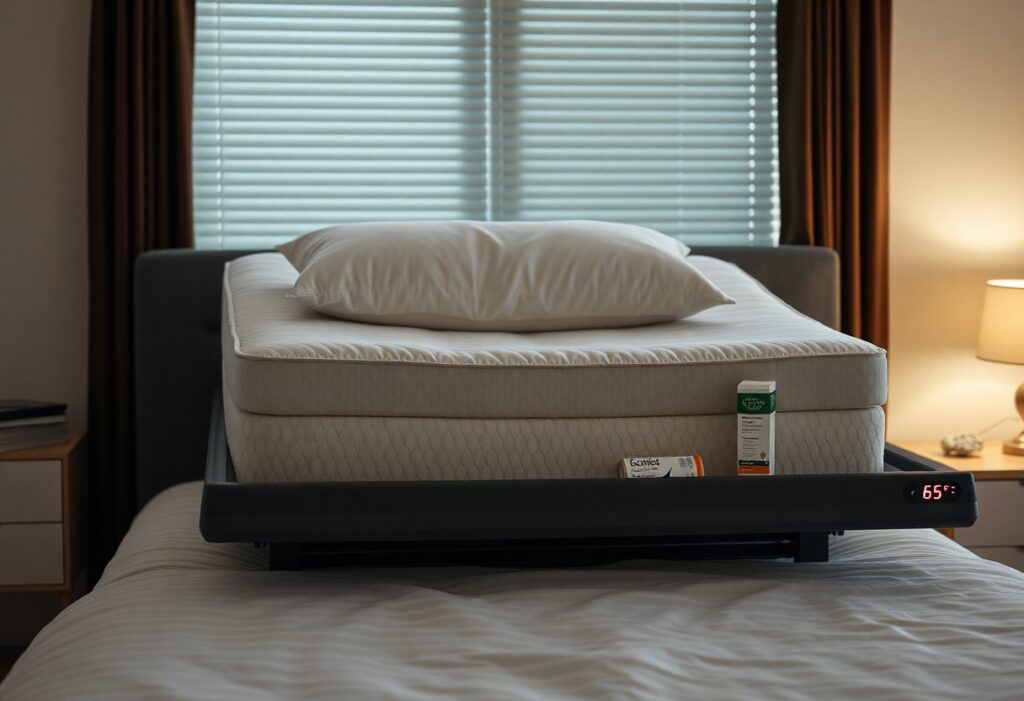
With a few smart tweaks you can sleep clearer tonight: declutter and wash your bedding weekly, set humidity to 40-50%, and ban indoor smoking and pets from the bedroom; removing mold and dust-mite buildup, using a HEPA air purifier, and doing a saline rinse can give you immediate relief while reducing dangerous allergens that trigger severe congestion.
Create a Comfortable Sleep Environment
You can cut nighttime congestion by making deliberate choices: swap dusty throws for breathable fabrics, keep surfaces clutter-free, and add a mattress encasement to reduce allergen exposure by up to 95%. Wash sheets and pillowcases weekly at ≥60°C to kill dust mites, replace pillows every 1-2 years, and prioritize airflow so allergens and stale air don’t build up while you sleep.
Choose the Right Bedding
Pick breathable, washable bedding-cotton or bamboo sheets and hypoallergenic pillow fills reduce trapped moisture and allergens; memory-foam or synthetic fills help if you react to feathers. You should wash sheets weekly at ≥60°C, use a mattress encasement, and swap pillows every 1-2 years to keep dust-mite counts down and nasal irritation lower.
Bedding Tips
| Pillows | Replace every 1-2 years; use washable covers |
| Sheets | Wash weekly at ≥60°C to kill mites |
| Mattress | Use an encasement to cut allergens up to 95% |
| Material | Choose cotton/bamboo for breathability and quick drying |
Control Room Temperature
Set your bedroom to about 60-67°F (15-19°C) to help nasal passages stay less swollen and improve sleep quality; use a programmable thermostat, fan, or light layers so you can fine-tune without overheating. Pair heating with a humidifier to hold relative humidity near 40-50%, avoiding both overly dry and overly muggy air that worsens congestion.
Temperature plus humidity dictate allergen behavior: dust mites proliferate above 50% RH, while air below 40% RH dries your mucous membranes and can increase irritation. Buy a hygrometer ($10-20), monitor levels for a week, then adjust humidifier/dehumidifier settings to see measurable drops in morning stuffiness.
Temperature & Humidity Fixes
| Too warm (>21°C / 70°F) | Lower thermostat to 15-19°C, use a fan or lighter bedding |
| Too dry (<40% RH) | Run a humidifier to reach 40-50% RH; monitor with a hygrometer |
| Too humid (>50% RH) | Use AC or dehumidifier and reduce indoor moisture sources |
| Monitoring | Keep a small hygrometer and check symptoms across different settings |
Air Quality Matters
Indoor air has a huge effect on how congested you feel at night. Pet dander, dust mites, mold spores and VOCs can trigger nasal swelling; ventilation and filtration cut those triggers. Use a True HEPA purifier for particles and an activated-carbon stage for gases, and aim for regular cross-ventilation-even 5-10 minutes of fresh air after waking reduces pollutant buildup. Measuring with a simple CO2/humidity meter helps you track improvements.
Invest in an Air Purifier
Choose a unit sized for your bedroom square footage and with a True HEPA filter (removes 99.97% of particles ≥0.3 μm). A model with an activated-carbon stage handles VOCs from cleaners. Check CADR ratings and run at low speed overnight for continuous cleaning; sleep modes under 30 dB keep noise down and filtration effective while you sleep.
Keep Humidity in Check
Aim for indoor RH between 40-50%. Above 60% you fuel mold and dust mites; below 30% your nasal passages dry and congestion can worsen. Use a hygrometer, and pair a humidifier or dehumidifier to hold humidity in that comfort band.
If you live in humid climates (coastal, >70% outdoor RH), run a dehumidifier to keep bedroom RH under 50%; condensating windows signal excess moisture. In winter, forced-air heating often drops RH below 30%-use an ultrasonic or cool-mist humidifier and clean it weekly to avoid bacterial growth. Adjust settings and verify with a hygrometer; targeting 40-45% reduces dust mite activity and limits mold growth.
Optimize Bedroom Layout
Rearrange Furniture for Better Flow
Slide your bed and large pieces so air can circulate-aim for 18-24 inches of clearance on both sides and avoid blocking HVAC returns or radiators. Moving a dresser that sat in front of a vent can reduce stuffiness and improve AC/heater efficiency. Place air purifiers and humidifiers where their intake/exhaust aren’t obstructed, and leave a clear pathway to windows for quick cross-ventilation when you open them.
Declutter to Reduce Allergens
Remove excess textiles, piled clothes, and decorative throw pillows since they trap dust, pet dander, and mold spores; store off-season items in sealed bins and limit stuffed animals on the bed. Vacuum weekly with a HEPA vacuum and wash bedding weekly at 130°F to kill dust mites, and swap thick curtains for blinds or washable panels to cut allergen reservoirs.
Go room-by-room with a simple checklist: keep surfaces clear (books, papers) to reduce dust-harboring areas, replace area rugs with hard floors where possible, and use mattress and pillow encasements rated for allergens. You can also store frequently used garments in closed wardrobes and elevate storage off the floor to make vacuuming easier; combined with HEPA filtration (which removes 99.97% of ≥0.3 µm particles), these steps sharply lower airborne and surface allergen load overnight.
Mind Your Sleep Position
Shift how you sleep to move mucus and open airways: sleeping flat on your back often increases nasal drip and snoring, while reclining or lying on your side helps drain sinuses and keep air moving. Try a body pillow to maintain lateral position; studies show positional changes can reduce snoring and apnea episodes by up to 50% in positional cases. Use gradual adjustments over nights so your body adapts without waking more often.
Best Positions for Breathe Easy
Sleeping on your side-especially the left-can ease nasal drainage and, if you have reflux, reduce nighttime coughing. You can adopt a slightly elevated lateral pose with a pillow between knees to keep your spine neutral; athletes and shift workers report faster adaptation using a firm body pillow. Avoid prolonged supine sleep if you snore, and test both left and right sides to see which cut symptoms most.
Elevate Your Head
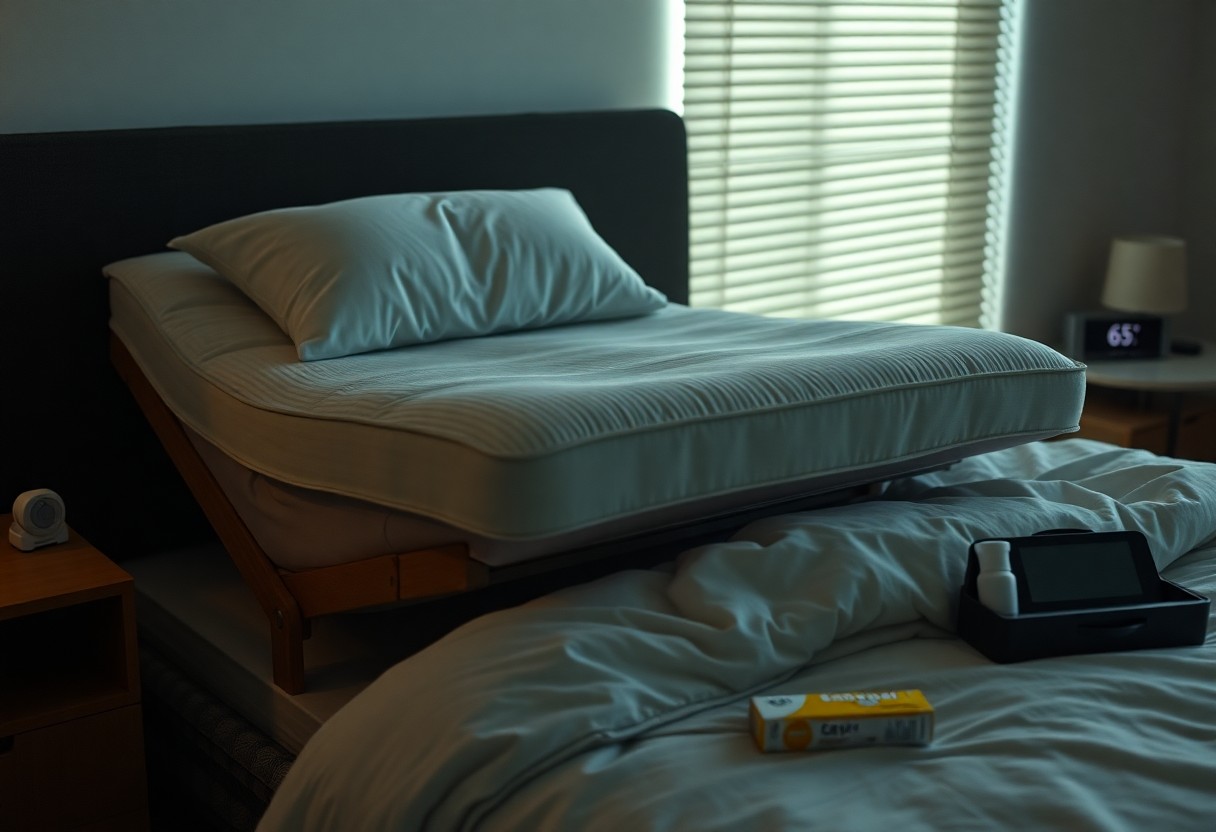
Raising your head by about 6-8 inches with a wedge pillow or adjustable bed helps gravity reduce postnasal drip and opens nasal passages, lowering congestion and snoring frequency. A 20-30 degree incline often gives noticeable relief without straining the neck; many users report clearer breathing the first night you try a gentle incline.
Stacking soft pillows can compress your airway and cause neck pain, so choose a purpose-built wedge or mattress incline for a stable angle. Wedges distribute pressure and keep your torso elevated, while an adjustable base offers 1-2 degree adjustments to find the sweet spot. If you have chronic heart or respiratory conditions, check with your provider before making big angle changes.
Incorporate Relaxation Techniques
When congestion spikes, slow your breathing and use the 4-7-8 method: inhale 4, hold 7, exhale 8 for 4 cycles to calm your nervous system and reduce sinus tension. You can add progressive muscle relaxation or 10-20 minutes of guided imagery apps while your humidifier runs to loosen airways. For more bedside tactics try How to Sleep With a Stuffy Nose: 30 Tips for Day, Evening, …
Try Aromatherapy
Diffuse 5-15 drops of eucalyptus or peppermint for 10-15 minutes before bed to help open nasal passages, or pick lavender to promote relaxation; you’ll often notice immediate subjective relief. Use a ceramic diffuser or short steam inhalation and never apply oils directly into your nostrils. Do not use undiluted crucial oils on skin and keep oils away from pets and infants, and test a small amount first if you have sensitivities.
Establish a Wind-Down Routine
Set a 30-60 minute wind-down you follow nightly: dim lights, stop screens 30-60 minutes before bed, take a warm shower, and do gentle breathing or light stretching to reduce nasal reactivity. A consistent schedule strengthens your circadian rhythm and helps nasal tissues settle; aim for bedroom temps near 60-67°F (15-19°C) and moderate humidity for clearer breathing.
Build a simple timeline you can stick to: 60 minutes before bed switch off devices, spend 30 minutes on quiet activities like reading or stretching, then do 10 minutes of 4-7-8 breathing or progressive muscle relaxation. Avoid heavy meals within 2 hours and alcohol within 3 hours; if congestion wakes you, try a quick saline rinse and resume the routine. Consistency is the most effective habit-keeping the same sequence and bedtime produces the biggest improvements.
Stay Hydrated
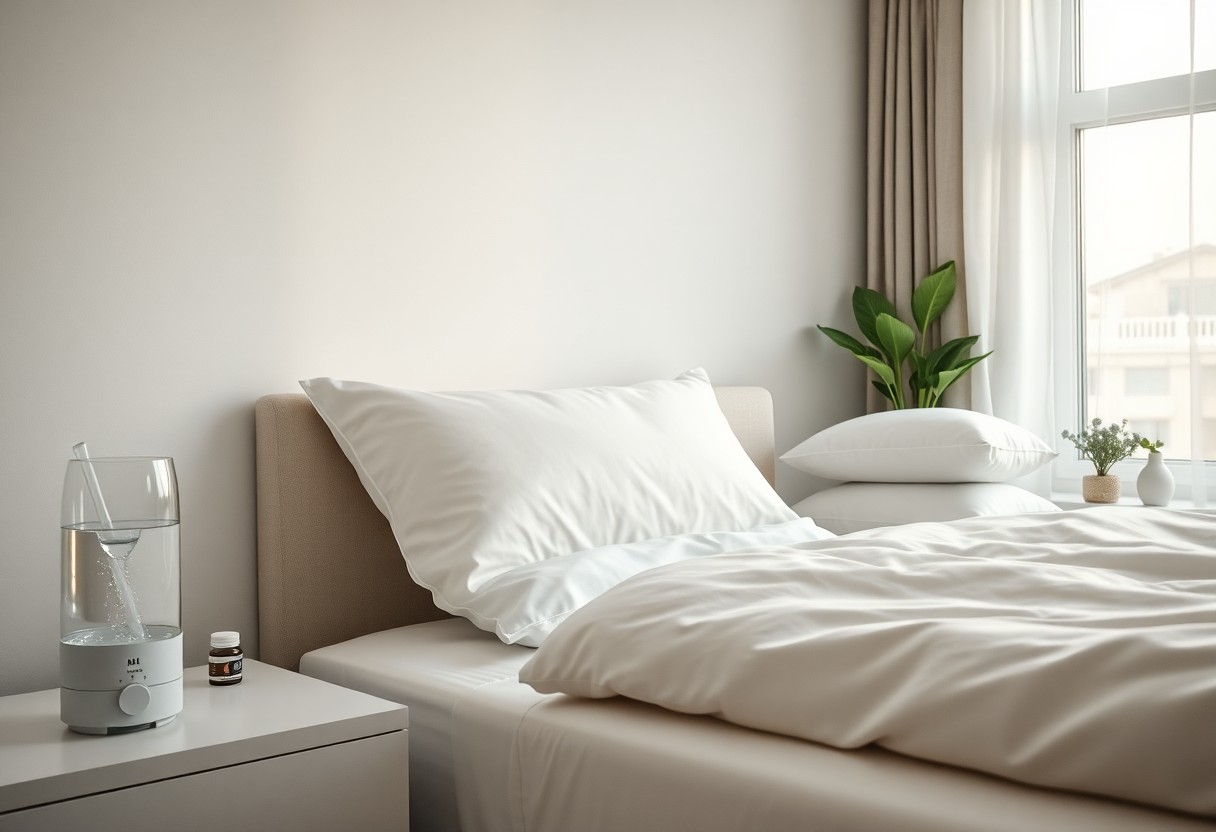
Keep fluids steady through the evening to thin mucus and support mucociliary clearance; aim for about 8-10 cups (2-2.5 L) daily, but sip rather than guzzle so you don’t wake to urinate. Try a small cup (150-250 ml) of a warm drink 30-60 minutes before bed to soothe airways and loosen secretions; if you have heart or kidney issues, adjust intake with your clinician to avoid fluid overload.
Benefits of Nighttime Hydration
Hydrating before sleep helps reduce mucus viscosity, so you breathe easier and snore less; consistent daily intake improves nasal clearance and throat moisture. For example, people who reach 2-2.5 L daily commonly report fewer morning congestion episodes. Hydration also prevents dry, irritated airways that trigger coughing, and supports the cilia that sweep debris out of your nasal passages.
What to Drink Before Bed
Choose warm water, decaffeinated herbal teas (chamomile, ginger) or a small cup of warm saline-based drink; keep it to 150-250 ml about 30-60 minutes before sleep. Avoid alcohol and caffeine within 4-6 hours of bedtime since they worsen congestion and fragment sleep. If you prefer flavor, add a teaspoon of honey-only for adults and children over one year.
For more detail: warm peppermint can open sinuses but may aggravate reflux, so opt for chamomile or ginger if you have GERD. A small cup of saline nasal irrigation or steam with a warm drink boosts humidification and mucus clearance. If you’re on diuretics or have nocturia, shift fluid intake earlier in the evening and consult your provider; too much right before bed often causes sleep disruption from nighttime trips to the bathroom.
Summing up
Now you can reduce nighttime congestion quickly by applying nine simple bedroom changes: adjust humidity, declutter, switch bedding, remove allergens, optimize air flow, use an air purifier, choose supportive pillows, control temperature, and limit irritants. As you make these tweaks, your breathing should ease, sleep will feel more restorative, and you’ll wake up less stuffed and more refreshed.
FAQ
Q: What are the nine bedroom changes that can stop nighttime congestion immediately?
A: Make these nine changes to reduce nasal congestion immediately:
1. Elevate your head with a wedge pillow or an extra pillow to encourage sinus drainage and reduce postnasal drip.
2. Run a cool-mist humidifier set to 40-50% humidity to thin mucus without promoting mold growth.
3. Use a saline nasal spray or rinse before bed to clear nasal passages quickly.
4. Switch to fragrance-free bedding and laundry detergents to cut airborne irritants.
5. Install a HEPA air purifier near the bed to remove pollen, dust, and dander from the air.
6. Encase mattress and pillows in allergen-proof covers and wash bedding weekly in hot water (130°F/54°C) or as hot as fabric allows.
7. Keep pets out of the bedroom and vacuum with a HEPA-filter vacuum to lower dander levels.
8. Lower bedroom temperature to the mid-60s°F (about 18-19°C), which can reduce nasal swelling for many people.
9. Replace feather or down pillows with hypoallergenic synthetic, memory foam, or latex options to reduce allergen reservoirs.
Q: Which of those changes work fastest and how should I implement them tonight?
A: For fastest relief, prioritize these steps in this order: saline rinse, head elevation, humidifier, and air cleaning. Quick implementation plan for tonight:
1. Perform a saline nasal rinse or spray right before bed to clear passages in minutes.
2. Sleep with your head elevated using a wedge or stacked pillows immediately to improve breathing.
3. Turn on a cool-mist humidifier set to 40-50% and place it a few feet from the bed (avoid direct contact with bedding).
4. Run a HEPA air purifier on high while you fall asleep to reduce airborne triggers; keep it running overnight.
5. Remove pets and any strong fragrances from the room now; switch to fragrance-free products at the next laundry cycle.
6. Strip and launder pillowcases and sheets if possible tonight; if not, use a clean pillowcase to reduce exposure.
These measures can produce noticeable improvement within minutes to a few hours. Avoid over-humidifying (which promotes mold) and keep humidifier parts clean to prevent bacterial growth.
Q: Are there safety or medical considerations before making these bedroom changes?
A: Yes-check these considerations before or while you implement changes:
1. If congestion is accompanied by high fever, green nasal discharge, severe facial pain, or lasts more than 10 days, seek medical evaluation for infection or sinusitis.
2. People with asthma should monitor symptoms when using humidifiers or air fresheners; keep humidity controlled and avoid scented products that can trigger bronchospasm.
3. Use saline rinses correctly and sterile or distilled water for humidifiers to lower infection or mineral buildup risk. Follow manufacturer cleaning instructions.
4. Sleep apnea is not cured by these bedroom changes; if you snore loudly, gasp, or feel excessively sleepy, consult a clinician about CPAP or other therapies.
5. For infants, toddlers, or immunocompromised individuals, consult a pediatrician or doctor before starting new devices or significant humidity changes.
If environmental changes don’t improve symptoms, pursue allergy testing or medical treatment as advised by a healthcare provider.

Medical Disclaimer
This article is for informational purposes only and is not a substitute for professional medical advice, diagnosis, or treatment. Always consult a qualified healthcare provider before starting, stopping, or changing any treatment, especially if you are pregnant, nursing, have a medical condition, or are taking medications. Never disregard professional medical advice or delay seeking it because of something you have read here. If you experience severe symptoms, allergic reactions, or think you may have a medical emergency, seek immediate care.
